Availability:
What's New
We boast Australia's fastest growing online selection of wines, spirits and liqueurs added to weekly. If you can't find what you're looking for, call us on 1800 069 295 and we'll try to track it down.
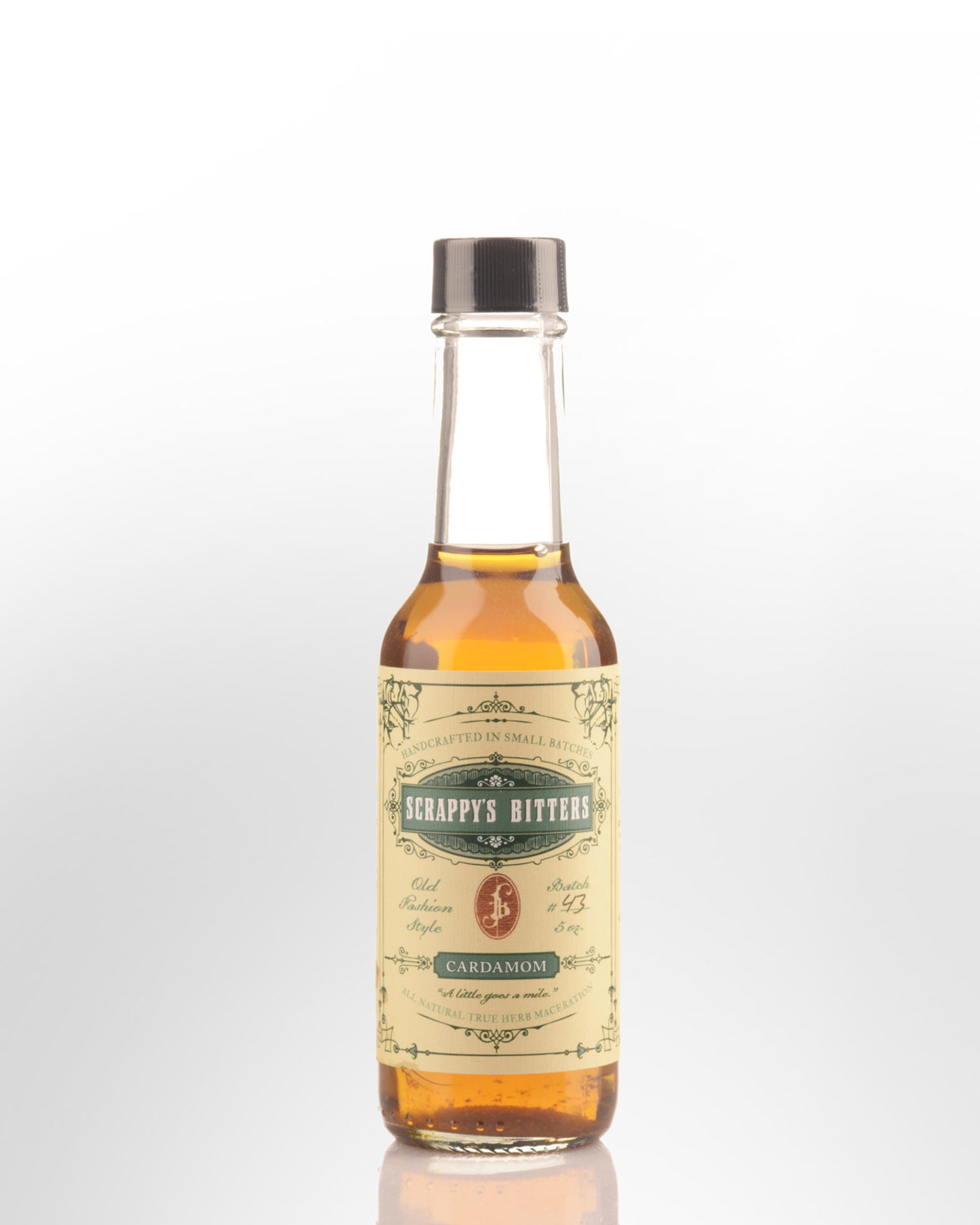
![1564681111_1.jpg]() Scrappy's Cardamom Bitters (148ml)Washington State, UNITED STATES$32. 99Bottle$395.88 DozenABV: 52%Other reviews... Bold cardamom, tree tree oil, and fresh eucalyptus leaf aromas are attractive. Bone-dry on the palate with a fun, warming menthol quality. In the pisco sour cocktail, the effect is a little medicinal and slightly discordant, but very amaro-like. Really transforms the cocktail from citrus driven to pungent lingering herb-driven. Hyper effective and very intense flavor so use carefully and with a well thought out cocktail game plan.
Scrappy's Cardamom Bitters (148ml)Washington State, UNITED STATES$32. 99Bottle$395.88 DozenABV: 52%Other reviews... Bold cardamom, tree tree oil, and fresh eucalyptus leaf aromas are attractive. Bone-dry on the palate with a fun, warming menthol quality. In the pisco sour cocktail, the effect is a little medicinal and slightly discordant, but very amaro-like. Really transforms the cocktail from citrus driven to pungent lingering herb-driven. Hyper effective and very intense flavor so use carefully and with a well thought out cocktail game plan.
International Review of Spirits Award: Silver Medal
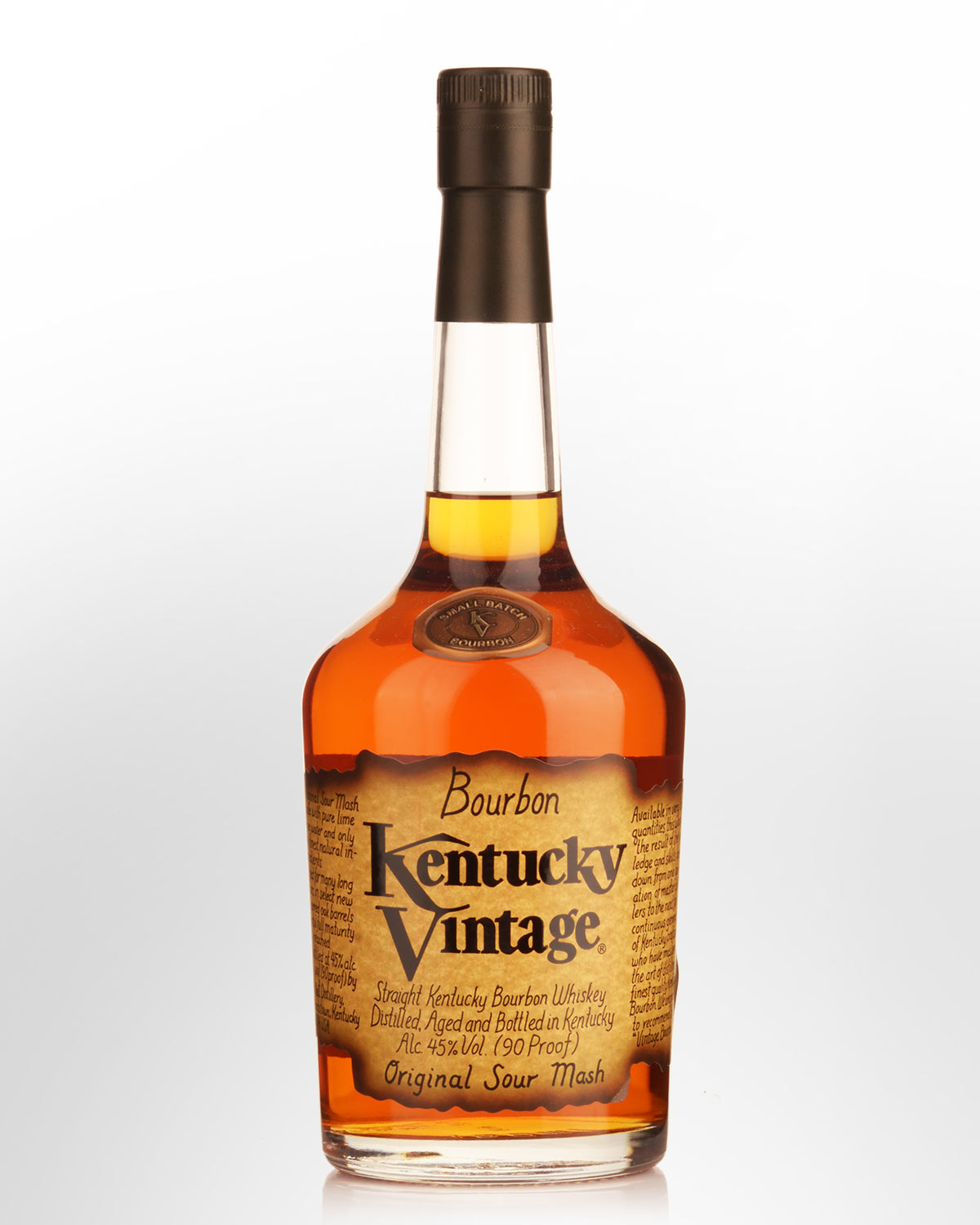
RATING: 87 points (Highly Recommended) - www.tastings.com![Kentucky Vintage Bourbon Whiskey (750ml)]() Kentucky Vintage Bourbon Whiskey (750ml)Kentucky, UNITED STATES$109. 99Bottle$1319.88 DozenABV: 45%
Kentucky Vintage Bourbon Whiskey (750ml)Kentucky, UNITED STATES$109. 99Bottle$1319.88 DozenABV: 45%"Great nose, smoky flavor and priced right for a no-gimmick, everyday bourbon." - breakingbourbon.com
From a select few barrels, Willett carefully hand-pick whiskeys that meet their criteria for the Small Batch Bourbon collection. The style will naturally vary from batch to batch. At the time of writing, the whiskey's age is rumoured to be ten years old, or “long beyond that of any ordinary bourbon," according to the label. 45% Alc./Vol.
Other reviews... "This not a bourbon that gets much fanfare. It’s rare to hear anyone talk about it. Is it due to its limited availability in parts of the country? Is it because of the complete lack of marketing and boring bottle design? It can’t because of how the bourbon tastes, because it’s right on the money in quality and price. This maybe true with a lot of bourbons, but the more time you spend with Kentucky Vintage the more you’ll love it. It might not be the most exciting bourbon you can buy, but it's one that deserves to be in your decanter as one of your “everyday go-to-bourbons." - breakingbourbon.com
(Batch 03-65 tasted. Notes indicative only). Clean and uncomplicated bourbon. Creamy sweet layers of vanilla, caramel, and toffee are underpinned by soft citrus fruit, gentle mint, teaberry, and delicate oak. Here’s a bourbon certainly good enough to drink on its own, but you won’t feel guilty throwing it in a mixed drink. Nice for everyday drinking. - whiskyadvocate, (2nd Quarter 2005 Issue-Vol. 14#2)![6640241_1.jpg]()
- 91
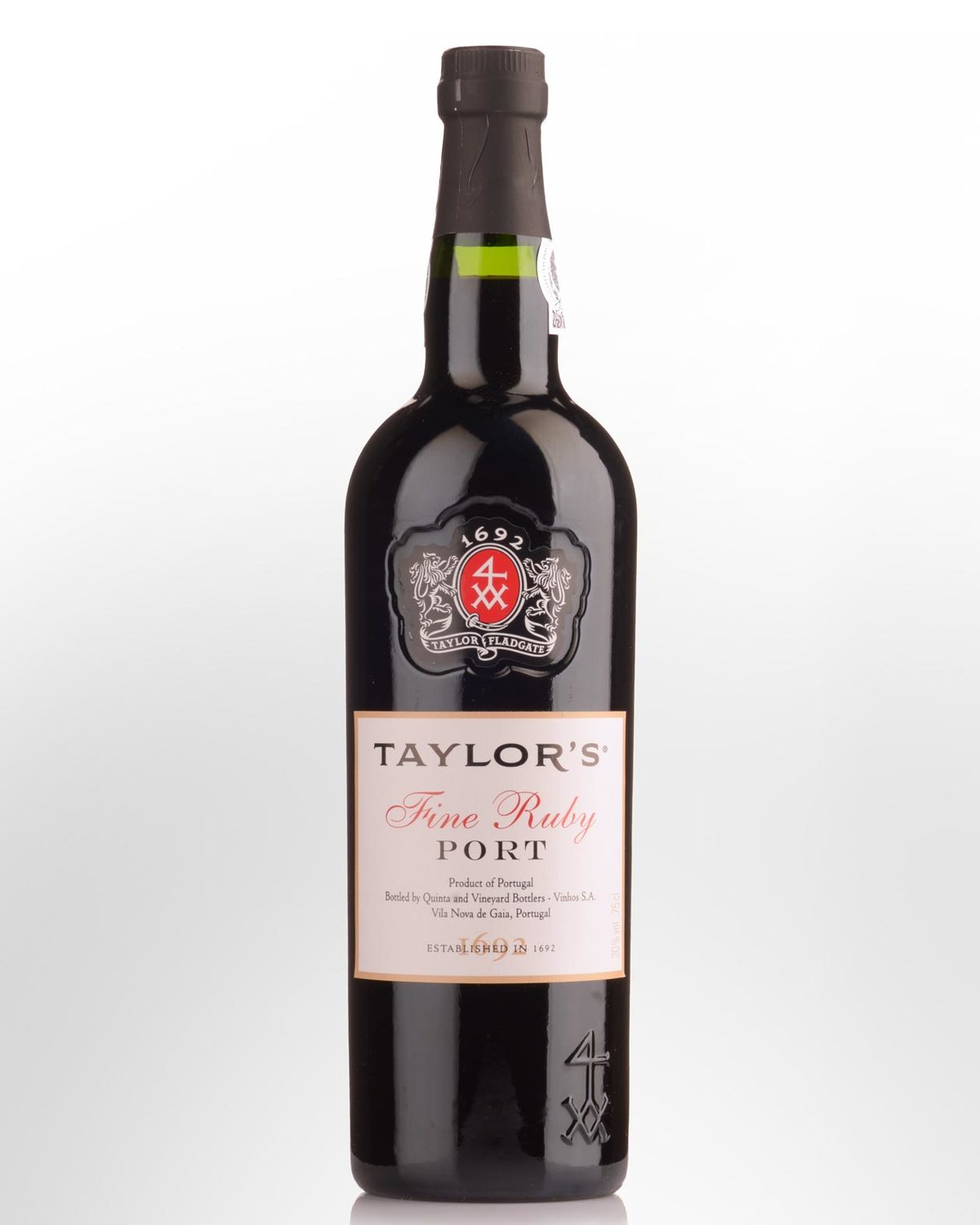
Taylor's Fine Ruby PortPORTUGAL$34. 99Bottle$419.88 DozenCellar: Drink now - 3 Years (2018-2021)ABV: 20%Closure: CorkA blend of full bodied port wines aged for around 2 years in large oak vats.
Impenetrable black dark red core with a deep dark red black tinged hue. Aromas of Morello cherries and liquorice laced with clove and marzipan like notes rise from the glass followed by spicy brandy spirit. Rich and luscious with a youthful fruitiness, liquorice and ripe Morello cherry flavours meld into some marzipan and prominent brandy spirit, leaving some heat on the finish. Sturdy tannins. Aftertaste of liquorice, ripe Morello cherries, marzipan and brandy spirit.
Drink over the next 2-3 years.
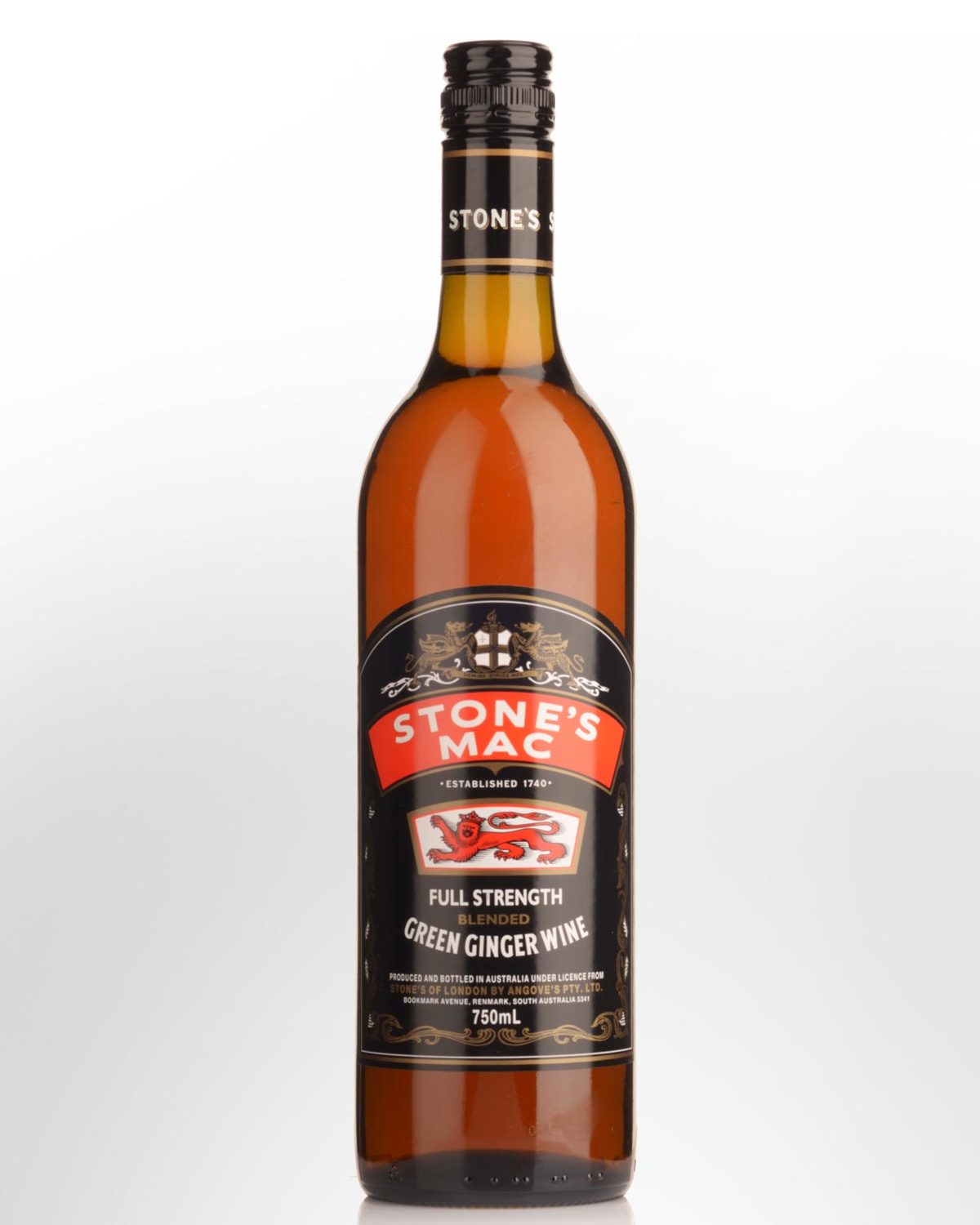
Alc. 20%![9300694284344_1.jpg]() Stone's Mac Full Strength Green Ginger Wine (750ml)AUSTRALIA$21. 99Bottle$263.88 DozenABV: 18.5%An Australian campsite favourite, served neat or on ice, or mixed in heartwarming cocktails. You can even try a splash in a pot of beer for something different! The addition of Scotch Whisky to Stone's original spicy, ginger flavoured wine formula makes Stone’s Mac a winning combination. 18.5% Alc./Vol.
Stone's Mac Full Strength Green Ginger Wine (750ml)AUSTRALIA$21. 99Bottle$263.88 DozenABV: 18.5%An Australian campsite favourite, served neat or on ice, or mixed in heartwarming cocktails. You can even try a splash in a pot of beer for something different! The addition of Scotch Whisky to Stone's original spicy, ginger flavoured wine formula makes Stone’s Mac a winning combination. 18.5% Alc./Vol.![1028311_1.jpg]()
- 92
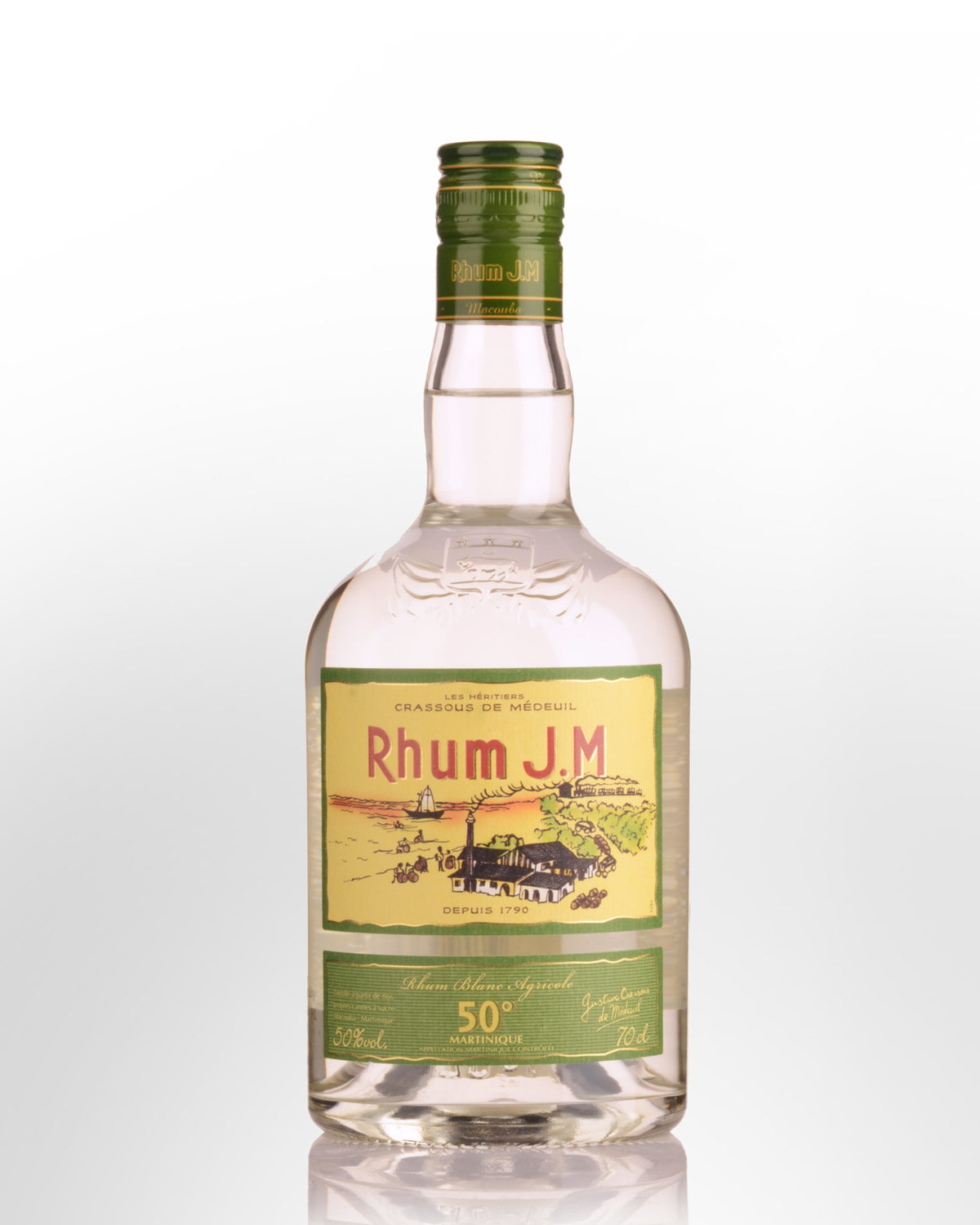
Rhum J.M. Agricole White Rum (700ml)Macouba, MARTINIQUE$104. 99Bottle$1259.88 DozenABV: 50%Martinique is a French island with the largest number of distilleries in the Eastern Caribbean. Both pot and column stills are used. As on other French islands such as Guadeloupe, both rhum agricole (made from sugar cane juice) and rhum industriel (made from molasses) are produced. These Rums are frequently aged in used French brandy casks for a minimum of three years with 'Rhum vieux' (aged Rum) frequently compared to high-quality French brandies.
J.M rum is distilled on Martinique's smallest estate, located in the northeast in Macouba, where the sugar cane grows on 28-degree vertical slopes in rich volcanic soil at the foot of Mount Pelée. Due to its unique location with sea breezes, rainforest, an intense microclimate, and high cloud cover, Rhum J.M. cuts their sugar later than other distilleries (most cut the cane at the end of February or early March, whereas Rhum J.M. does not cut theirs until late March or early April). This practice, combined with the region's peculiar environment are said to be contributing factors to the unique flavour to this unusual rum.
Tasting note: Clear. Lemon, meringue, dried fig and mineral aromas with some peppery notes. A soft, silky palate entry explodes into semi sweet flavours of dried fig, green olive and green peppercorns. Slightly prickly, mouthfeel. Long, drying aftertaste of black pepper, green capsicum and boiled confectionary with a subtle mineral fade. A powerful, spicy white rum. 50% Alc./vol.
Other reviews... Clear. Banana custard aromas with a hint of nutmeg, mocha, and toffee. A lively, silky entry leads to a dry-yet-fruity medium-full body of raisins, figs, nuts, vanilla custard, and banana puree flavors. Finishes with a bold, warming wave of white pepper, spice and mineral flavors. A powerful, rustic, and richly flavorful white rum that will energize any cocktail. Needs a touch of water to tame the beast within. 50% Alc./Vol.
International Review of Spirits Award: Gold Medal
RATED: 91 points (Exceptional) - www.tastings.comsize>
 Click here to learn more about Rum
![869406913000_1.jpg]()
- 90
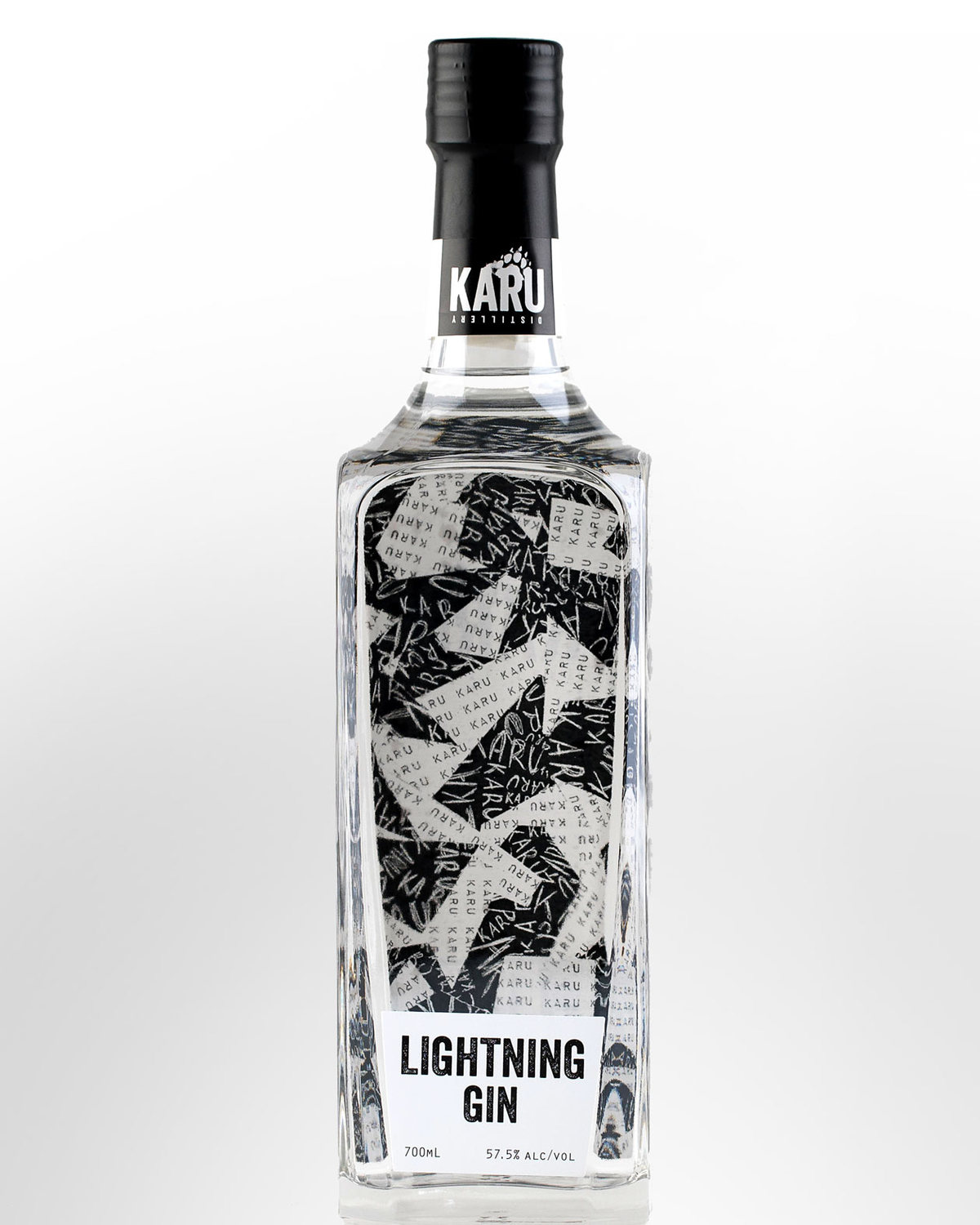
Karu Distillery Lightning Gin (700ml)New South Wales, AUSTRALIA$99. 99Bottle$1199.88 DozenABV: 57.5%Tasting note: Clear. Dense aromas of earthy juniper and balsa wood. Surges in a thick, sappy rush of juniper-soaked citrus. Intense and spicy, but falls away at the finish. In the mainstream of Australian Navy Strength styles. 57.5% Alc./Vol. Double Gold San Francisco World Spirits Awards 2019
Silver Tasting Australia 2019, Silver Australian Distilled Spirits Awards 2019![Bruichladdich The Classic Laddie Unpeated Single Malt Scotch Whisky (700ml)]()
- 90
- 93
- 90
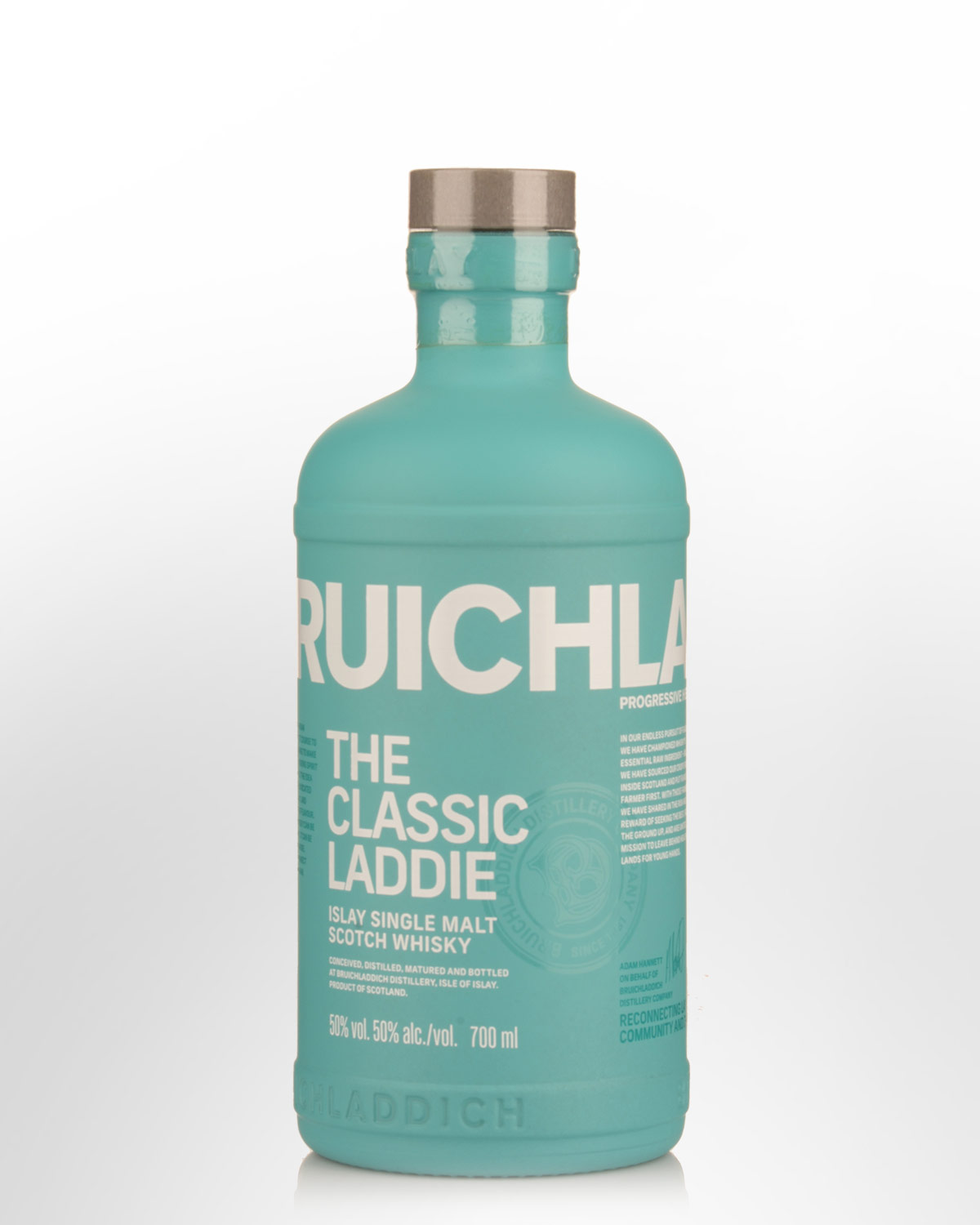
Bruichladdich The Classic Laddie Unpeated Single Malt Scotch Whisky (700ml)Islay, SCOTLAND$114. 99Bottle$1379.88 DozenABV: 50%This edition was produced from 100% Scottish barley and sees the ABV upped to 50%, but like previous expressions, it's matured in American oak casks and chosen to represent the classic, unpeated distillery style. Non chill filtered.
Other reviews... Fragrant and fruity on the nose, with lemon, peach, pea, fresh-sliced melon, honey, vanilla, fragrant grassiness, and hay. More fruity sweetness and honeyed texture on the palate, with very light notes of smoke or char on the back palate, balanced by spice and light herbs. The finish is very long, with fruit, honey, and lingering spice. A beautiful balance of flavors with unity, depth, and grace. 93 points - whiskyadvocate.com
Other reviews... plays out on the palate as boasting something nearer to 60% than 50%.... 90.5 points - Jim Murray's Whisky Bible 2024
Tasted from a 30ml sample 2019...Brilliant gold. Muted barley sugar and trace sulphur on the nose. Aeration adds familiar distillery notes of oatmeal biscuit, butter menthol lozenge and hints of macadamia. Light barley sugar on entry, hollowing out a little at the mid palate stage. Turns leaner, mildly grassy with warming alcohol and light vanilla after flavours. Better with water. 50% Alc./Vol.
![Canadian Club 20 Year Old Blended Canadian Whisky (750ml)]()
- 90
- 89
- 92
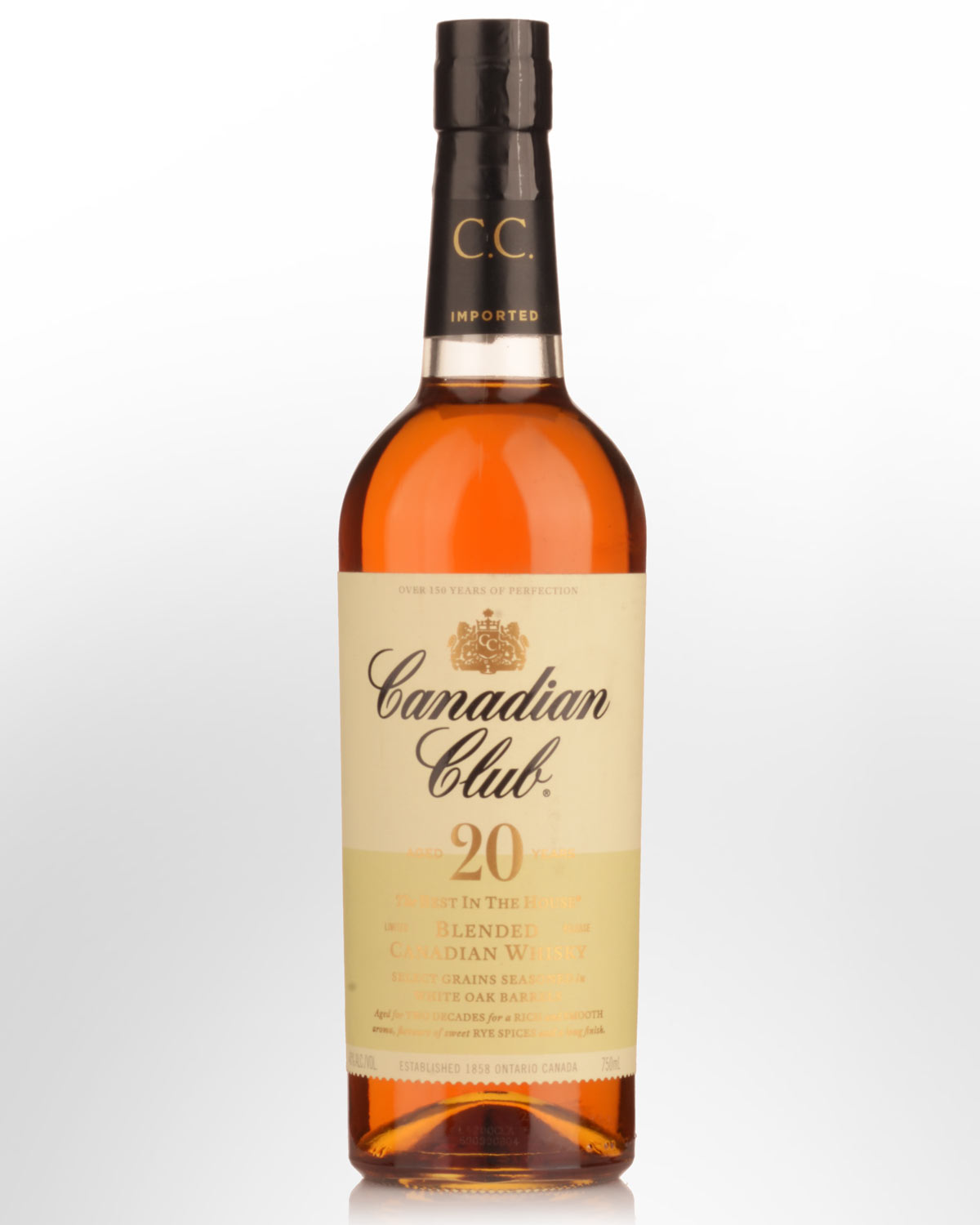
Canadian Club 20 Year Old Blended Canadian Whisky (750ml)Walkerville, Ontario, CANADA$114. 99Bottle$1379.88 DozenABV: 40%Less overwhelmed by oak than bottlings from a decade ago, this Grand-father blend offers well-defined aromas of choc-caramel, fresh vanilla bean and creamy soda, following through with a rich, creamy delivery that echoes the nose and adds creme caramel, hints of cinnamon toast and delicate orange zest. The finish is mildly resinous, woody, pulling up medium long with vanilla-soaked tannins. A satisfying dessert whisky. 40% Alc./Vol.
Other reviews... Every now and then, Canadian Club dips into its massive reserves to release a longer-aged version of its core 1858 edition. After an initial hit of toffee, a well-defined woody framework supports signature Canadian Club pruney notes, clean grain, and peppery rye. Brown sugar, unsweetened cereal, and hints of barn boards in the middle follow an inviting crispness, enhanced by mild oak tannins and accented by floral top notes. 89 points - whiskyadvocate.com
![6660616_1.jpg]()
- 92
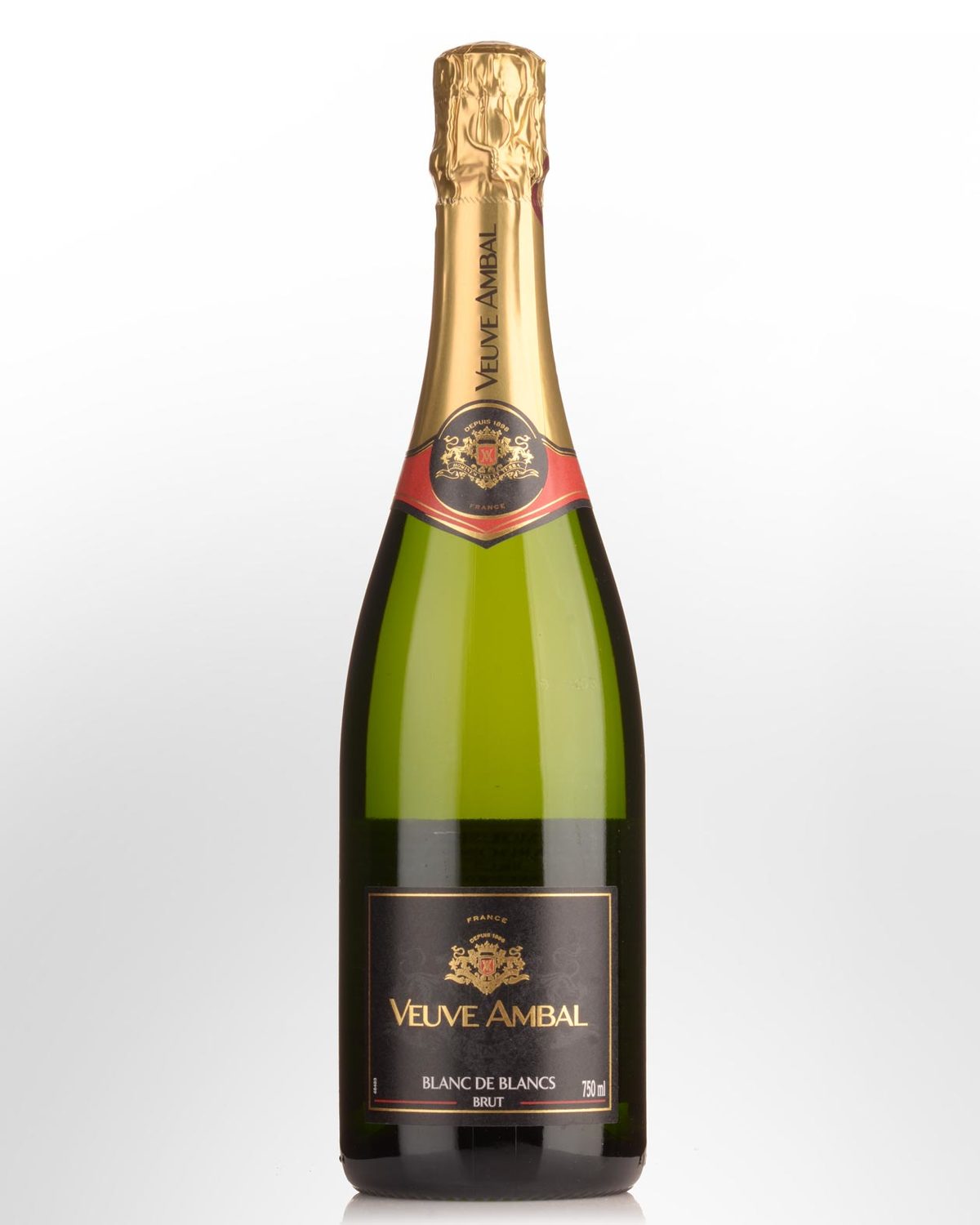
Veuve Ambal Blanc de Blancs BrutMousseux, FRANCE$24. 99Bottle$299.88 DozenCellar: Drink now (2018)ABV: 12.5%Closure: StelvinMade from 100% Chardonnay grapes. Fine lacy white mousse with a pale straw, pale gold edged base and a fine persistent bead. Lifted ripe red apple aromas intermix with pear, subtle honey, baked bread and quince notes. Quite full with a round creamy like feel, the palate dishes up fruity baked apple and pear flavours along with some quince over a toasty back drop. Dry crisp finish with a baked apple, pear, quince, subtle dried honey and toasty yeast lees aftertaste.
Drink now.
Alc. 12.5%![15601561611_1.jpg]()
- 93
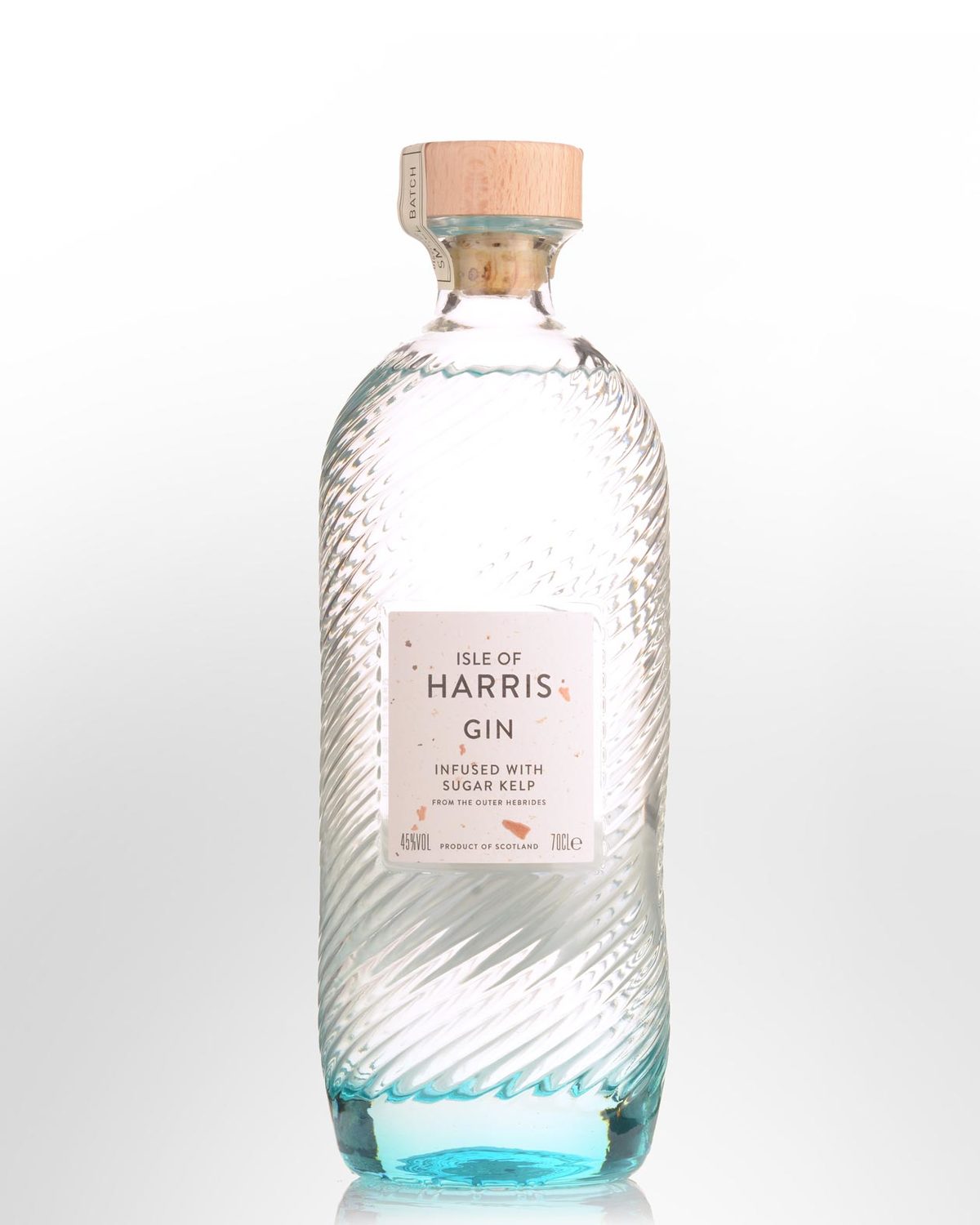
Isle of Harris Gin (700ml)SCOTLAND$125. 00Bottle$1500.00 DozenABV: 45%"...all the hallmarks to be the new Hendrick’s." - www.ginfoundry.com
One of the most beautifully presented gins to come our way in years arrives all the way from the Hebrides in Scotland. Sugar kelp is key to the subtle coastal notes in this beauty - hand-harvested by a local diver from the deep underwater forests of the Outer Hebrides.Managing Director, Simon Erlanger explains, “We worked with an ethnobotanist recommended to us by our Chairman’s daughter, who we commissioned to explore our island’s flora, to see what is sustainable to harvest and what sort of properties they might bring to our gin. After looking on land, she finally turned to the sea and that’s where we found our answers.”
This sustainable ingredient completes the wider aspects of the gin's flavour profile, with other botanicals being Juniper, Coriander, Angelica Root, Orris Root, Cubeb, Bitter Orange Peel, Liquorice and Cassia Bark. It's all captured in a striking glass bottle, ribbed and rippled like the seas of Luskentyre. There are subtle imperfections, dimples and dips to hold it safely while you pour. The label is simple, though no two are quite alike, each individually flecked with fragments of copper leaf and Sugar Kelp. Strong reviews all round with what reads as a premium London Dry with a maritime twist. We received a 30ml sample. The nose has excellent purity with juniper, light menthol, brine and vaguely sappy / resiny notes. Air contact accents orange oils and citrus cough lozenge. The palate follows through with vibrant, peppery flavours suggestive of lemon sherbet and juniper with a zesty mouthfeel, a warming finish and all-round excellent balance. 45% Alc./Vol.
Other reviews... Tasted neat the lead is a strong floral and piney juniper. This is quickly followed by dry spice almost like fresh nutmeg (this must be a combination of the citrus peel and cassia) rounding out in the linger to a full sweetness with grapefruit notes...The distiller set out to capture the elemental and maritime nature of the Isle of Harris and this gin, from the bottle to the glass, does just that. A genuine sweet-savoury gin, which is quite rare if not unique. Enjoyable on the rocks as well as making a damn fine gin and tonic which works well with grapefruit peel garnish. 45% Alc./Vol. - thelondonginclub.com
Notes from the distillery...The Isle of Harris Distillery is known as 'The Social Distillery', an ethos which embraces the generous character of our island and the people who live here. Although very much a working distillery, we open our doors six days a week, to connect with all those who want to learn more about our story and share our spirit. A peat fire burns at the heart of the building in Tarbert, symbolising the warmth of an Outer Hebridean welcome and the life we are bringing to our wider community. We have built a distillery on the Isle of Harris to be about people and to benefit the people of Harris. In the face of local population decline, we are a creator of sustainable employment and a catalyst for commercial growth. We strive to be symbol of optimism and change and a new voice for the islands, a nourishing source of pride and belonging for the Hearach in all of us.
Nose: A well-defined juniper note with pine needles, immediately followed by the fresh citrus notes of bitter orange, lime and grapefruit. Develops a complex floral note of rose and wallflowers with crushed green herbs, coriander and gooseberry all underpinned by mixed spice. Sugar kelp adds to the complexity and richness and gives a dry maritime note.
Palate: Refreshing gin with good balance between the bitter juniper and pine and the sweet fruit flavours of mango, grapefruit and orange. A green herb flavour has developed of crushed coriander. Distinctive and smooth with a dry, flinty taste.
Finish: Overall a long, clean finish. As the juniper and citrus fade away, sweet vanilla and black pepper remain with a gentle reminder of the sea.
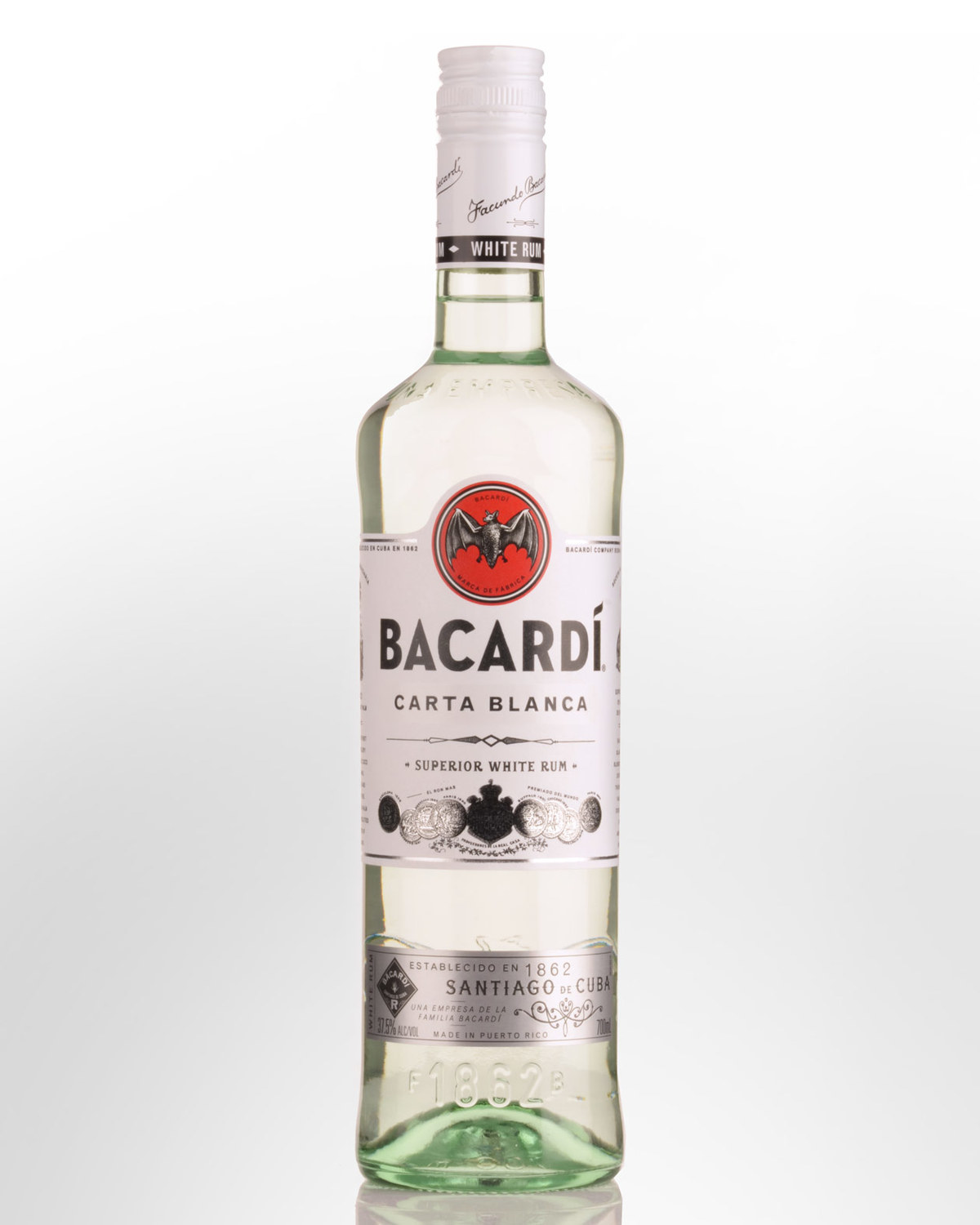
![1028655_1.jpg]() Bacardi White Rum (700ml)PUERTO RICO$62. 99Bottle$755.88 DozenABV: 37.5%
Bacardi White Rum (700ml)PUERTO RICO$62. 99Bottle$755.88 DozenABV: 37.5%Claimed to be the first refined rum, Bacardi is double filtered through charcoal for smoothness and aged in natural white oak for character. This is low on aromatics with a dry flavour and finish to suit light and fresh cocktails. 37.5% alc./vol.
Other reviews... Well, would you believe it, this is the first time we're tasting this little number on purpose. I imagine it's mostly destined for cocktails. Colour: white. Nose: sugar syrup, a hint of cologne, and a touch of hay. It’s as light as a chick's feather. Mouth: utterly inoffensive, with a taste that's mostly neutral alcohol and the faintest hint of lemon. A smidgen of brown sugar, if you really look for it. Finish: virtually non-existent. Comments: the best thing about it is that since there’s almost nothing there, there can’t really be any flaws either. Let’s not forget that this tipple and its cousins helped its owners build a spirits empire that now includes gems like Aberfeldy, Craigellachie, Aultmore, Macduff, Brackla, Teeling, and of course Dewar’s. Oh, and the marvellous Worthy Park. Couldn’t they sneak 10% of Worthy Park into Bacardi? Or perhaps do a Bacardi 'Jamaican Tribute'? I’d add that these humble spirits also help us keep our scoring scale nicely tuned, wandering down its lower reaches from time to time. We 'might' have more Bacardi today... Or not. 30 points - whiskyfun.com
Enjoy straight or beat the blues with a “Gloom Chaser”:
In shaker: a teaspoon of Curacao,
the juice of one quarter lemon,
one half glass of Bacardi,
shake well and serve.
The Bacardi Bat Device...
The Bacardi Bat Device appears on every label of every product carrying the Bacardi family name. According to Family lore, it originated in 1862 when Don Facundo’s wife, Dona Amalia Lucía Victoria Moreau, suggested employing the Bat as the trademark for their new rum. Upon entering the first Bacardi distillery, Amalia noticed a colony of fruit bats living in the rafters. Bats had great significance in Dona Amalia’s world. As a lover of the arts, she knew that Cuba’s extinct native people, the Taínos, regarded bats as possessors of all cultural goods. And she knew from local lore that bats were popularly thought to bring good health, fortune and family unity.Her suggestion also was hardheaded and pragmatic. Because of the high rate of illiteracy in the 19th century, a product needed a memorable graphic logo -- a trademark -- to become identifiable and sell. Reports quickly flew across Cuba of Don Facundo’s choice new charcoal-mellowed rums: the carefully aged, rich, dark sipping rums and a miraculous new light rum that was smooth, civilized and astonishingly drinkable. But the bat mythology also helped. Word of Don Facundo’s Bat spread side-by-side with word of his smooth rums. The Bat, local storytellers attested, brought good fortune and added magical powers to his rum. Today, the Bacardi Bat is a welcome character in more than 170 countries around the world where Bacardi rum is enjoyed. Clearly, Don Facundo’s exclusive formula, proprietary charcoal-mellowing, and aging processes give Bacardi rum its superior quality and premium smoothness. But with the Bat as the trademark, the rums have continued to raise the Company’s fortunes to new heights!Classic Cocktail: The Daiquiri Strawberry
The Daiquiri is a family of cocktails whose main ingredients have traditionally been rum and lime juice. There are several versions however, with some like the Strawberry Daiquiri having a texture similar to a smoothie. Originally the drink was served in a tall glass packed with cracked ice. A teaspoon of sugar was poured over the ice and the juice of one or two limes was squeezed over the sugar. Two or three ounces of rum completed the mixture. The glass was then frosted by stirring with a long-handled spoon.40 ml White Rum
20 ml strawberry liqueur
3-4 strawberries (depending on their size)
40-60 ml lemon juice
a cup of crushed ice![1212122220_1.jpg]() Suntory Hibiki Mount Fuji 21 Year Old Blended Japanese Whisky (700ml)Osaka, JAPAN$1499. 00Bottle$17988.00 DozenABV: 43%
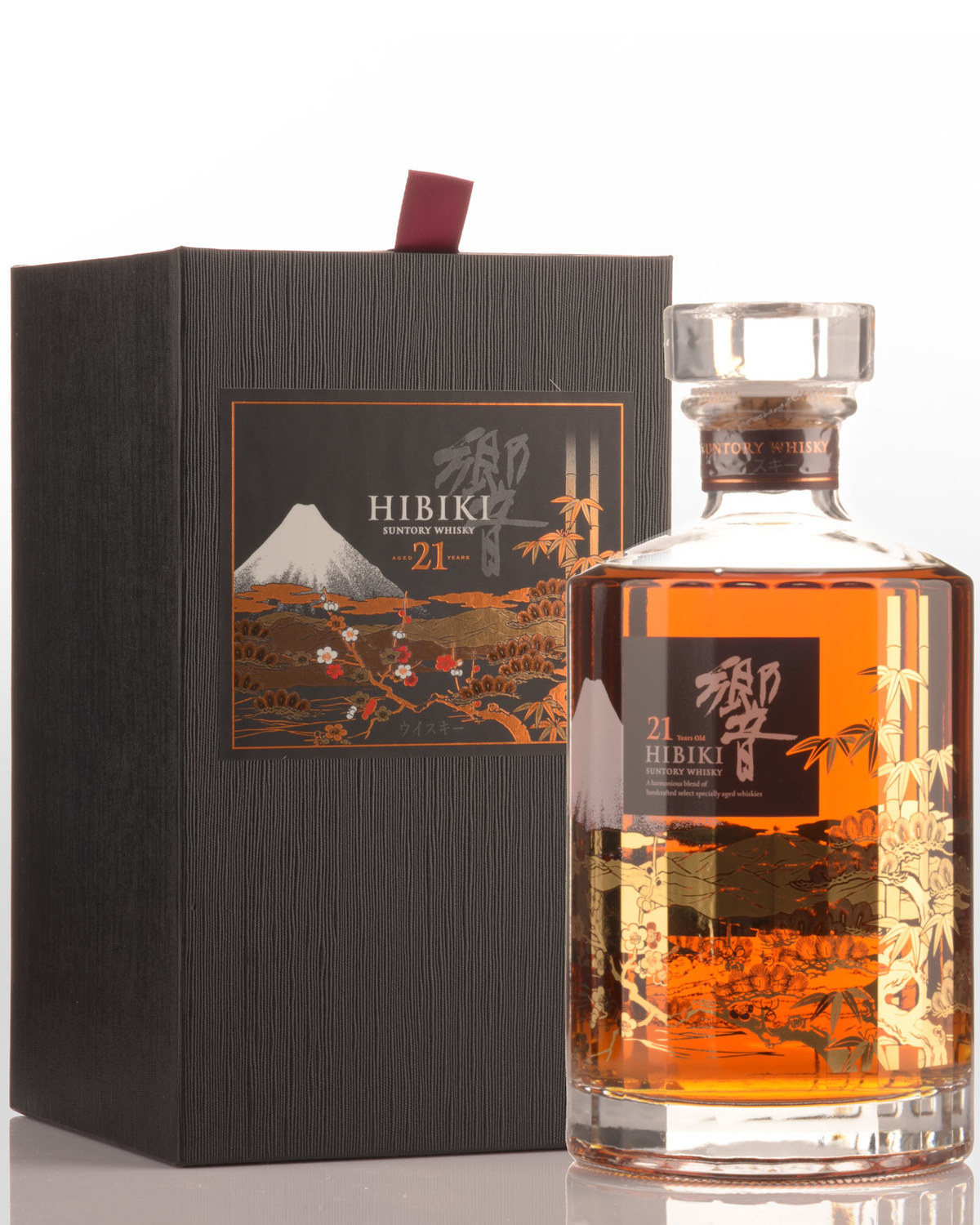
Suntory Hibiki Mount Fuji 21 Year Old Blended Japanese Whisky (700ml)Osaka, JAPAN$1499. 00Bottle$17988.00 DozenABV: 43%Note: Product has come from a private collection and as such has some minor scuffing/scratches/handling marks. Actual product not pictured.
Taking excellence in whisky packaging to new heights is this special edition Hibiki released by Suntory in 2015 for the Japanese duty free market. The bottle features 24 facets representing the 24 seasons of the Japanese lunar calendar set against a painting of Mount Fuji. The foreground depicts Japanese Plum, Pine and Bamboo, symbolizing felicitations, wishing happiness and good fortunes.
Reportedly limited to 2000 bottles, the understated beauty of the bottle almost resists opening. No doubt, most will be destined to become bar trophies - a shame given that the 21 year old is considered by many experts to be the peak expression in the range. Created in 1989, demand for the Hibiki blends increased after the brand's appearance in the movie "Lost in Translation". Jim Murray enthused about the 21 year old in his 2015 Bible, commenting, "...it's hard to raise the bar much higher than this. Stunning." 96 points.
![409704_1.jpg]()
- Packaging may vary
- Nicks Import
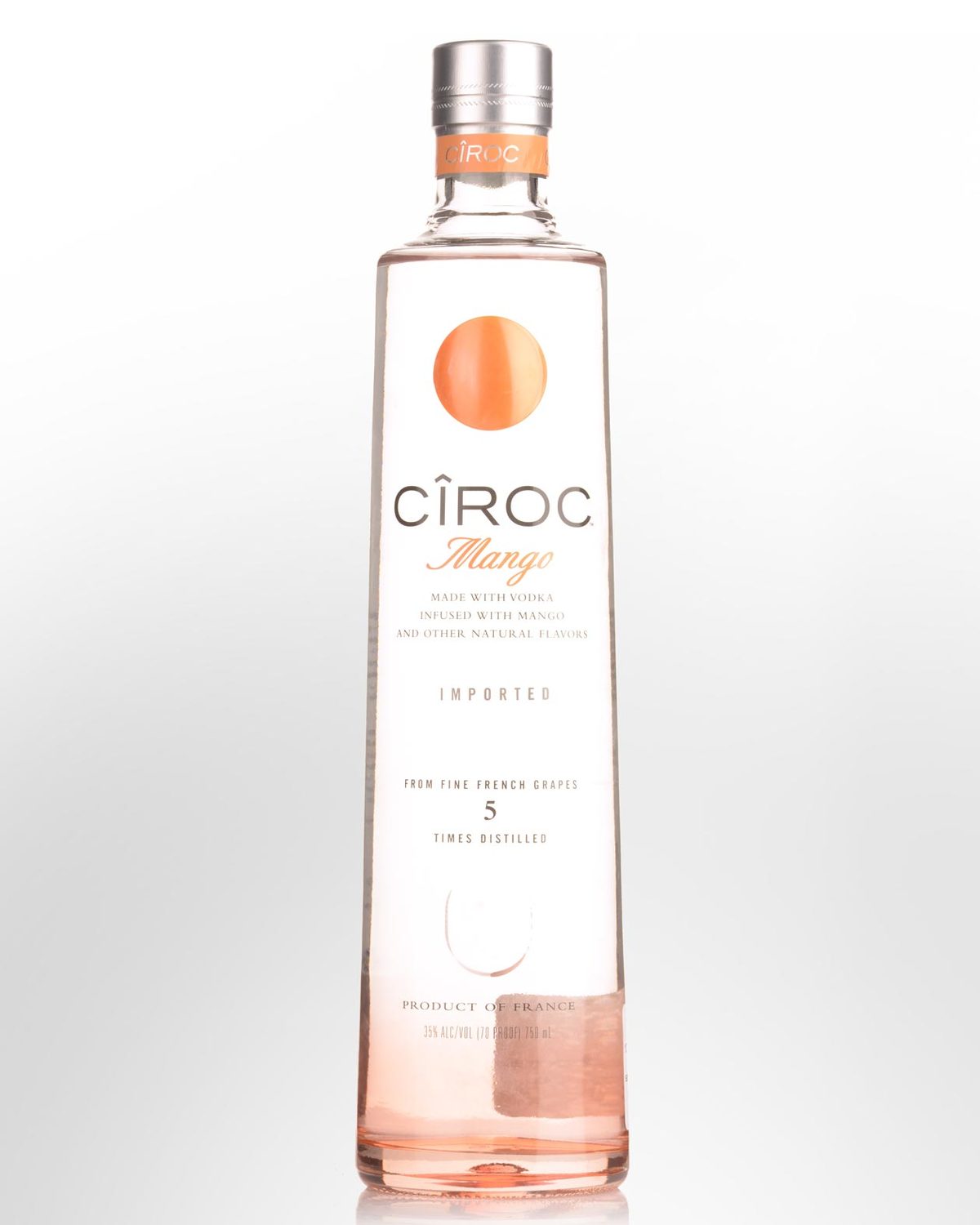
Ciroc Mango Flavoured Vodka (700ml)FRANCE$79. 99Bottle$959.88 DozenABV: 37.5%Infused with a distinctive blend of mango, resulting in a taste experience that's lusciously tropical and smooth.
Whereas most vodkas are produced from common starches such as wheat or potatoes, Ciroc is made from Ugni Blanc grapes left on the vine for extended ripening. The fruit is sourced from Gaillac in the Southwest of France, (nestled between Roussillon and the Pyrenees in the South and the Gorges of the Tarn in the East). After harvesting, the juice is pressed, cold fermented then distilled five times - the fifth time using specially-designed, traditional copper pot-stills. 37.5% Alc./Vol.
![Arran Machrie Moor Cask Strength Single Malt Scotch Whisky (700ml)]()
- 93
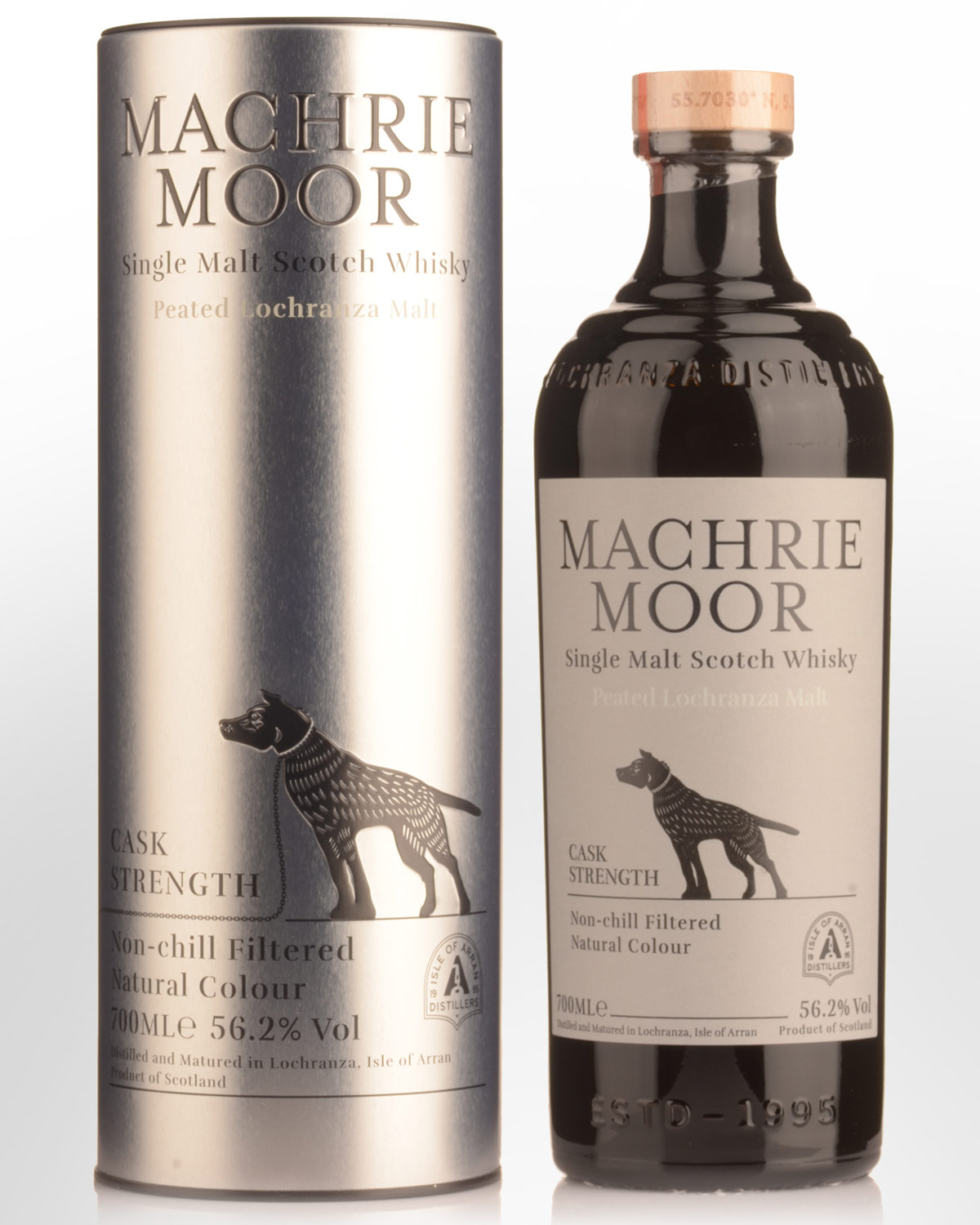
Arran Machrie Moor Cask Strength Single Malt Scotch Whisky (700ml)Isle of Arran, SCOTLAND$139. 99Bottle$1679.88 DozenABV: 56.2%Note: The Machrie Moor range often arrive in to our store suffering from minor damage in transit. This is out of our control. When we dispatch to you we will re-pack to avoid further damage in transit but you should allow for possible dents and scratches to the metal tins.
We were enamored with Arran's early efforts which were defined by pristinely clean, sweet, unpeated malt. Like many others, Arran has diversified its portfolio since its inception, now offering a range of wood finishes, cask strength bottlings and even a peated whisky under the Machrie Moor label (it seems every distillery has to have at least one nowadays!) Their collection places Arran along side the likes of Springbank and Bruichladdich for sheer innovation and breadth. The cask strength version peated at 20ppm was released in 2014 and was a slightly disjointed but notable debut. The latest version [2023] takes the spirit to new heights, particularly in terms of texture; It's intense and malty with a kind of juicy grilled pineapple quality that dominates, the finish reclaiming some of the smokiness, lingering with tingling peppers, chillie heat, ash and trace lanolin. Rather than trying to mimic Islay, this revels in the quality of the distillate, leaning towards traditional Highland peated malts, especially on the palate. 56.2% Alc./Vol. Non chill filtered.
Other reviews... a heavily peated cask strength monster of a whisky, but being an Arran it manages to retain a sweet fruity core for that peat to balance against. It walks that delicate line between peat explosion and fruit bomb and is truly a tasty whisky. The addition of water brings up more honey, malt and even more fruit notes, but doesn’t do much to increase the depth. It all seems to come across fairly topical and it doesn’t take too much water to neuter it completely. So if you pick up a bottle of Arran Machrie Moor Cask Strength go easy with the water. I only needs a bit to open it up, but even without it’s a lovely crisp, sweet and peaty malt. - thewhiskyjug.com
[First batch tasted]. Wood smoke, warm tar, and emerging new leather on the bold nose. Sweet peat and spices on the palate, barbecue sauce, and black pepper. Long in the finish: vanilla, with sweet smoke and chili. 84 points - whiskyadvocate.com, reviewed by: Gavin Smith (Spring 2015)
![56015181511_1.jpg]()
- 91
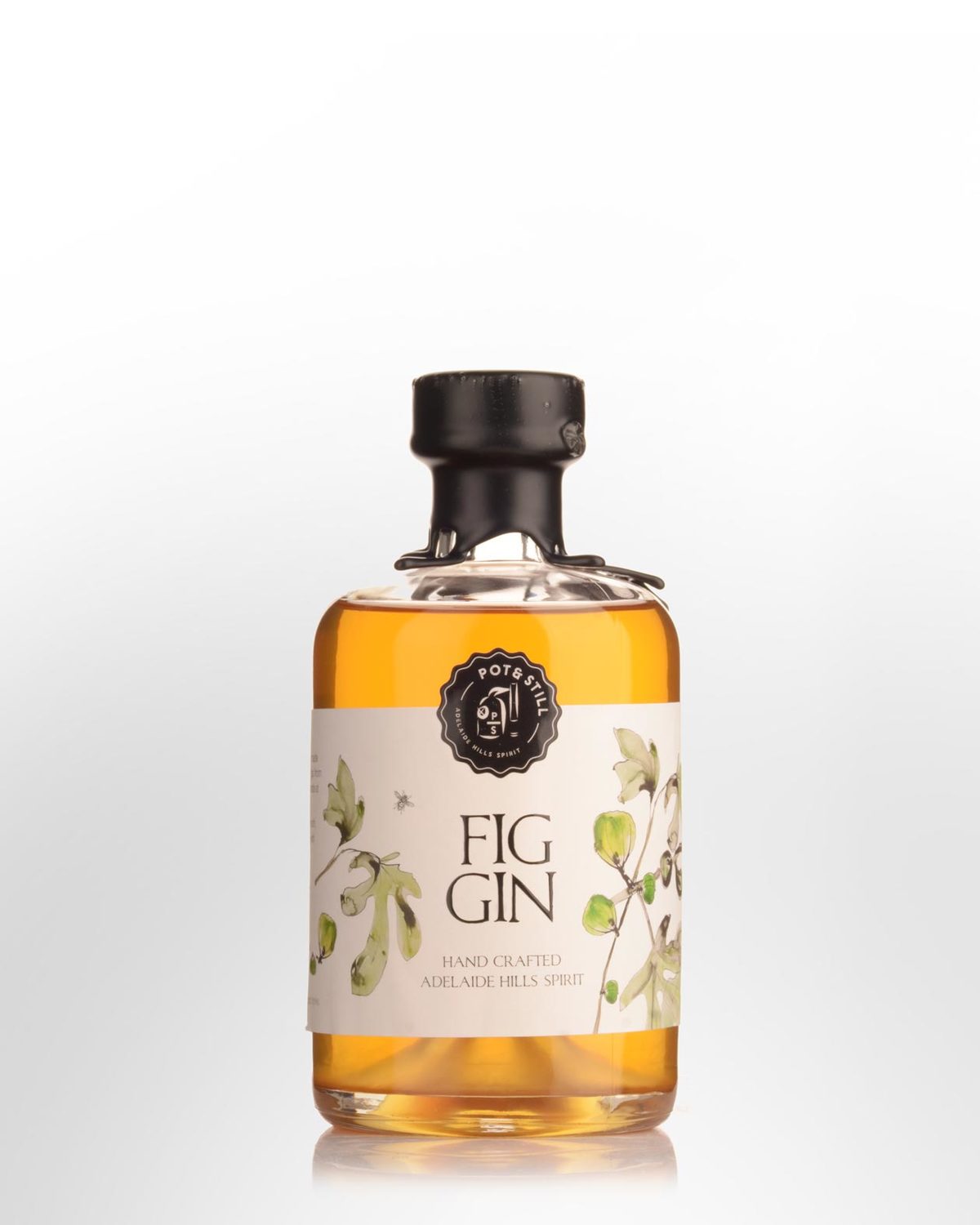
Pot & Still Fig Gin (500ml)South Australia, AUSTRALIA$69. 99Bottle$839.88 DozenABV: 29%Famous for his delectable Willabrand Glace Figs, in 2016, Willa Wauchope found himself with a surplus of fig syrup. At a loss of what to do with the aromatic by product, he turned to the talented distillers at Applewood. The organically farmed figs are gently poached and the resulting syrup is then slowly added to the gin base. Wauchope has since purchased two stills with the intention of creating his own spirits in the future. Tasting note: [20ml sample] Bright gold. Opens with a bouquet of fresh figs and traditional botanicals. Brief air contact accents hints of lavender, lemon verbena and earthy juniper while the fruit retreats. Pure and creamy with semi-sweet fig flavours dominating, finishing with delicate peel / herbal freshness. Skillfully balanced. Try it with a wedge of lime. 29% Alc./Vol.![Ardbeg Ardbog Cask Strength Single Malt Scotch Whisky (700ml)]()
- 93
- 91
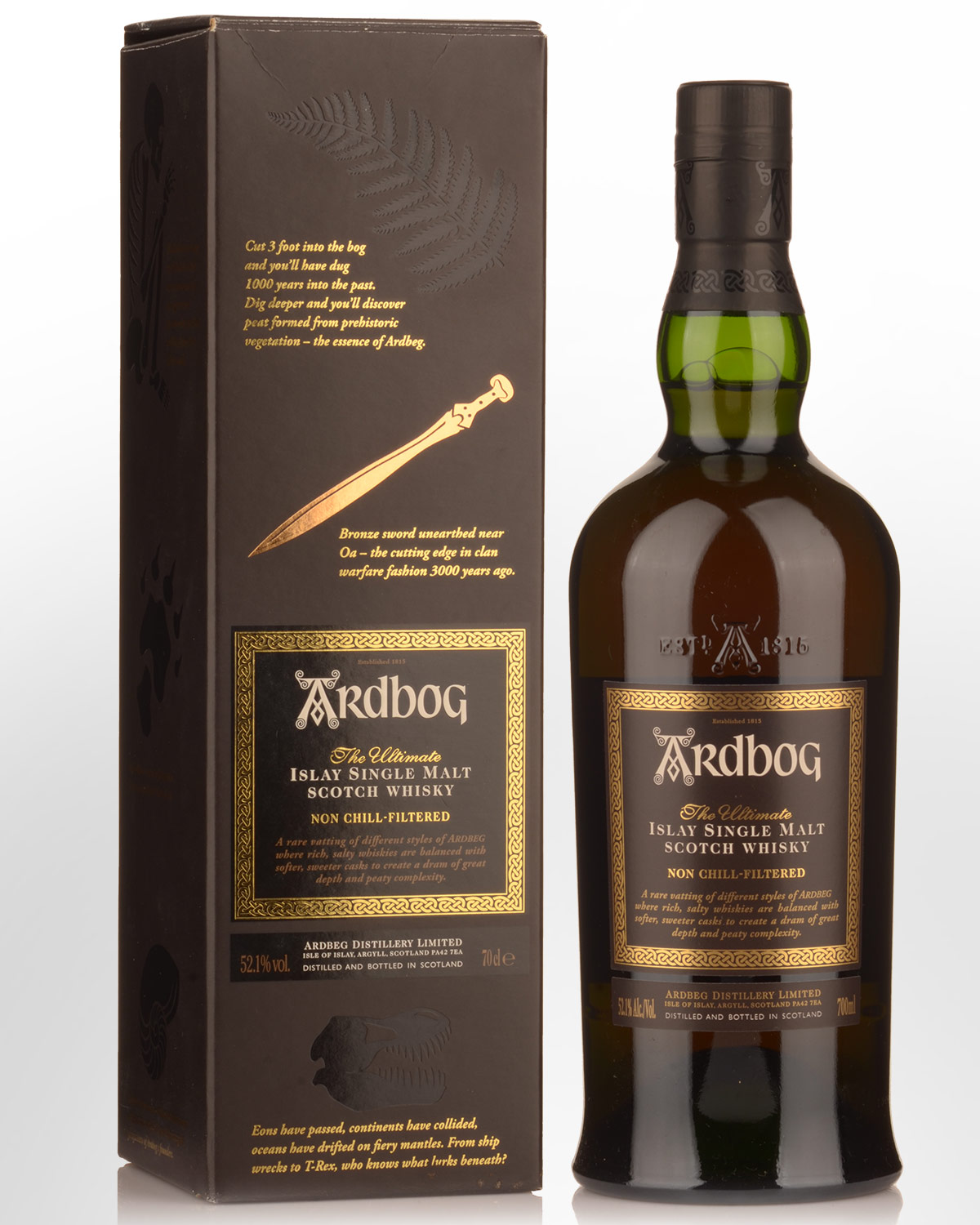
Ardbeg Ardbog Cask Strength Single Malt Scotch Whisky (700ml)Islay, SCOTLAND$699. 00Bottle$8388.00 DozenABV: 52.1%Note: Product has come from a private collection and as such has some minor scuffing/scratches/handling marks. Actual product not pictured.
If you love peaty whiskies but don't quite understand why they taste like they do, it's because of peat, or more precisely, peat smoke, which when burnt releases chemicals called phenols. These phenols are absorbed by the malted barley during the drying process in a kiln. The level of phenols is measured in ''PPM' (parts per million) and controlled by the length of time that the barley is exposed to the smoke, the amount of smoke produced and the type of peat used.Even if 'bogs' are not your thing, peat is actually far more fascinating than first impressions might suggest. It is a relic of the Carboniferous period some 300 million years ago when much of what is now Britain was swampland. As trees, roots, ferns, grasses, animals and even people died or fell into the swamps they were subsumed into the stagnant water and partially decomposed, but did not rot away entirely. Instead an organic fuel formed by their decomposition. Peat is black because of its rich carbon content (the CO2 is not released into the atmosphere as normally takes place in decomposition around oxygen). Yet compared to wood, peat is relatively inefficient to burn. Without a proper furnace, it tends to smoke rather than create much heat.
For a long time a lack of alternative fuel forced 'Highlanders' to burn peat. Coal was simply too expensive for most and there were few trees. The situation began to change around the turn of the 1960's, with the help of technological progress in large industrial scale maltings. It then became possible to produce vast quantities of malted barley without peat. Speyside and Lowland distilleries were amongst the first to change to coke (a high carbon form of coal) as a combustible, as new railway networks to transport the fuel encouraged the transition. Remoter regions like Islay persisted with peat.
Today, there's no question that peat-smoke derived flavours in whiskies are increasingly desirable. Consequently, peat is now used not only on Islay by the likes of Ardbeg, but also on Orkney, in the Highlands, Campbeltown, as well as in Speyside. Peat is usually extracted close to the distillers or maltsters. Distilleries prefer the top part of the bog, because the upper crust of peat found there tends to be 'richer', more rooty and generate more smoke and impart more flavour.
At some stage of his or her drinking career, every hairy chested peat freak has probably wondered "Why don't peaty whiskies all have the same kind of 'peatiness'." Instead, we find that peat comes in a remarkable array of sensory guises, and also contributes an almost oily mouth feel, as well as added depth, richness and sweetness. Its flavours are expressed differently in whiskies from different distilleries and range from notes reminiscent of lanolin, wet wool, iodine, seaweed, bacon, tobacco smoke, engine oil, tar, manure and wet earth.
As much of Scotland is (in parts) covered by a meter-thick layer of peat, it's been supposed that different types of organic matter in the different regions, have created different types of peat which impart, in turn, different flavours to the finished whisky. For example, historically there have been few trees on the Orkney islands so there are no tree roots in the peat, making it lighter and quicker to burn. Whiskies from this area, like Highland Park, tend to have a more lightly smoked flavour than Islay malts. Is this an argument for 'peat' and 'terroir'?
Patrick Brossard of http://www.whisky-news.com recently reported on a study that approaches this question. In 2009, B.M. Harrison and F.G. Priest published an article on the composition of peat in the production of Scotch Whisky and the influence of its geographical source, extraction depth and burning temperature: "Peat samples from four locations (Islay, Orkney, St. Fergus (Aberdenshire), and Tomintoul (Speyside) were analyzed using Curie point pyrolysis in combination with gas chromatography-mass spectrometry".
[As in the simpler process of distillation where small molecules fly out first, followed by the big ones (so alcohol is separated from water), with gas chromatography a sample is heated to evaporation in order to release volatile compounds. Since all the molecules of a given structure will behave more or less identically, they exit the machine collectively and at the same time. As each 'puff' of molecules is released, a computer generated graph peaks corresponding to the most abundant chemical compounds. The higher the peak, the greater the number of molecules of acertain type are present]."In total, out of the 106 products identified, 92 compounds were having a significant effect on the separation of the four geographical locations. The compounds were broadly split into the following classes: phenolic compounds, carbohydrate derivatives (“sugars”), aromatic compounds, and nitrogen-containing compounds".
"The ratio of phenol derivatives (carbohydrate derivatives to guaiacols, syringols, and phenols) was the major discriminator between the samples of the different geographical regions, explaining more than 60% of the variance. St. Fergus and Islay samples were characterized by high percentages of guaiacols (aromas described as aromatic, phenolic, burnt, woody, bacon, savoury, smoky, and medicinal), syringols (aromas described as aromatic, phenolic, spicy, smoky, baconlike, sweet, medicinal, creamy, meaty, and vanilla), and phenols (aromas described as aromatic, phenolic, burnt, woody, bacon, savoury, smoky, and medicinal) in the pyrolysate [i.e. burnt peat]. Relatively high proportions of carbohydrate derivatives in the [burnt peat] characterized Tomintoul and Orkney samples."
"In the distillate (new make), the origin of the peat could be clearly identified by analytical methods. By sensory analysis (by “human nose”), the spirits using Tomintoul (Speyside) peat were more medicinal than the spirit using Hobbister (Orkney) peat. The level of peat aroma was low in the St-Fergus spirit (Aberdeenshire) despite a high abundance of aromatic peaty aromas, but the spirit was sweet, spicy and medicinal."
The upshot of the study indicates that the source of peat will have an impact on the flavour of the whisky. It's a conclusion which may reignite the debate over Scotch whisky 'terroir' beyond the simplistic Highlands / Islands / Lowlands trichotomy. If for you, that's just all too involved, simply pour yourself a glass of Ardbog and revel in the remarkable synergy that whisky and ancient earth can offer.
This limited edition Ardbeg was matured for ten years in American oak ex-bourbon barrels and Spanish oak manzanilla sherry seasoned butts and bottled without chill filtration. Flawless bright gold appearance. Opening aroma offers up choc fudge and brandy cream, yet with a lovely freshness that accentuates on the second inspection, which, minutes later sees the bouquet lighten slightly and turn more salty, with citrus peel and hints of balsamic. A light entry develops into a concentrated mid palate, superbly balanced for the strength, dry to medium dry, creamy, vanilla laced peat flavours building towards the salty, tangy, gently warming finish. Concludes with dried herb / lavender-like notes and the vanilla / choc fudge returning into the lengthy aftertaste. 52.1% Alc
Other reviews... The follow-up to last year's Ardbeg Day, here's the cult distillery in its funkiest guise with a nose that's reminiscent (I'd imagine) of a frontier trading post: all pitch, furs, and gun oil. Some mint hangs around in the background alongside eucalyptus. This is an earthy, in-your-face Ardbeg with a hint of box-fresh sneakers indicating some youthfulness. The mouth is thick and chewy: wild mint, oily depths, and the slightly manic energy typical of Ardbeg's young. 91 points - whiskyadvocate.com
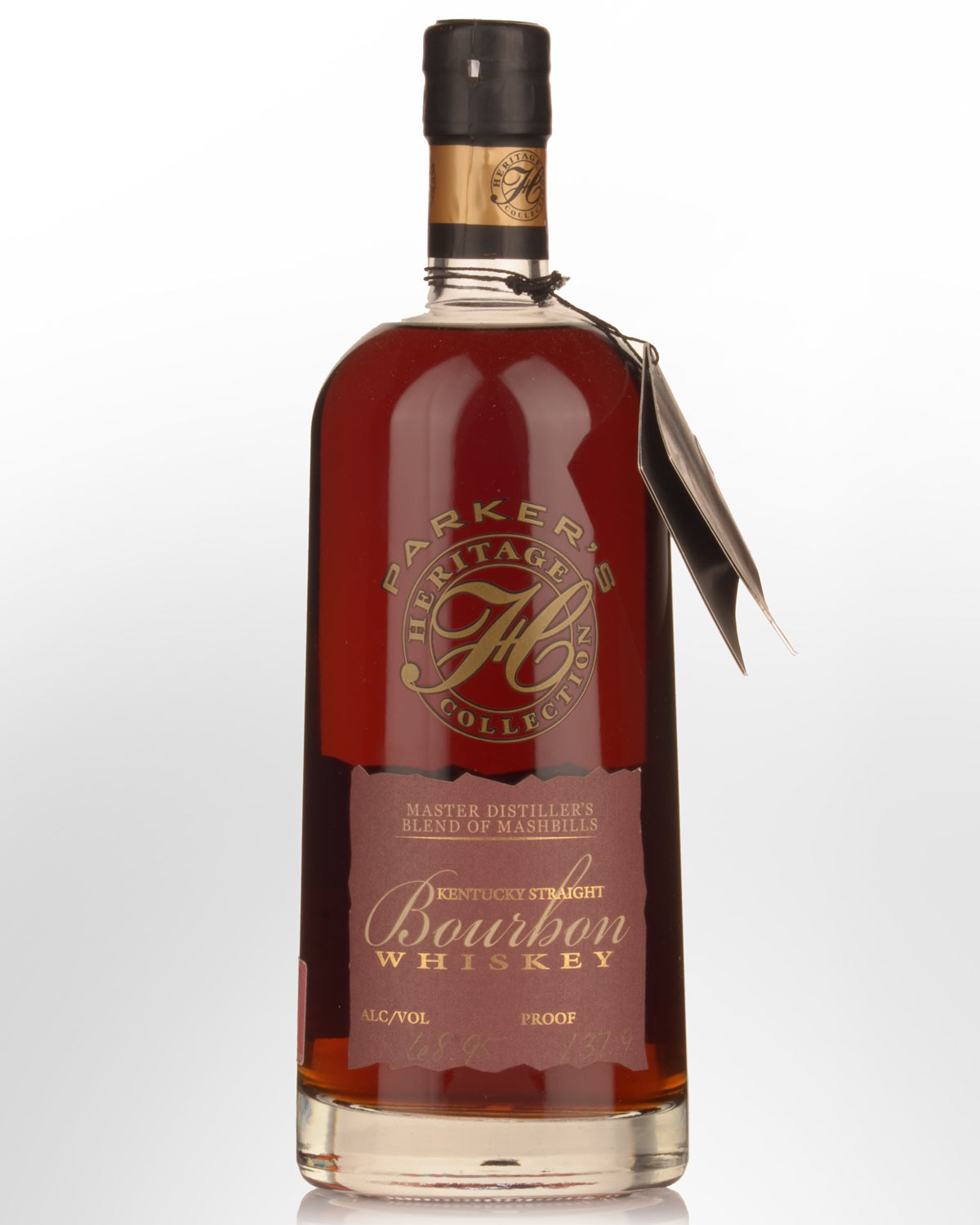
![Parker's Heritage Master Distiller's Blend of Mashbills Bourbon Whiskey (750ml) - Sixth Release]() Parker's Heritage Master Distiller's Blend of Mashbills Bourbon Whiskey (750ml) - Sixth ReleaseKentucky,$1499. 00Bottle$17988.00 DozenABV: 68.95%
Parker's Heritage Master Distiller's Blend of Mashbills Bourbon Whiskey (750ml) - Sixth ReleaseKentucky,$1499. 00Bottle$17988.00 DozenABV: 68.95%Note: Product has come from a private collection and as such has some minor scuffing/scratches/handling marks. Actual product pictured.
A blend of rye heavy and wheat-based Bourbon mashbills, aged since 2001 and bottled at a hefty 68.95%. Another belter from Parker Beam that won't be on our shelves for long.Other reviews... the sugars arrive as though blasted though a cannon...Shows plenty of muscle, but subtlety and sophistication in equal measures too. 94.5 points
- Jim Murrays Whisky Bible 2016A blend of two different 11 year old bourbons—one being a rye-based bourbon, the other being wheat-based. The wheat lends drinkability, while the rye contributes a spicy zing. The combination works very nicely, with light toffee, nutty caramel, nougat, soft orchard fruit, black cherry, vanilla, and cinnamon. (Note: this is the first of three different batches that will eventually be bottled.) 91 points
- www.maltadvocate.com, (Winter 2012) Reviewed by: John Hansell![22454345542_1.jpg]()
- Nicks Import
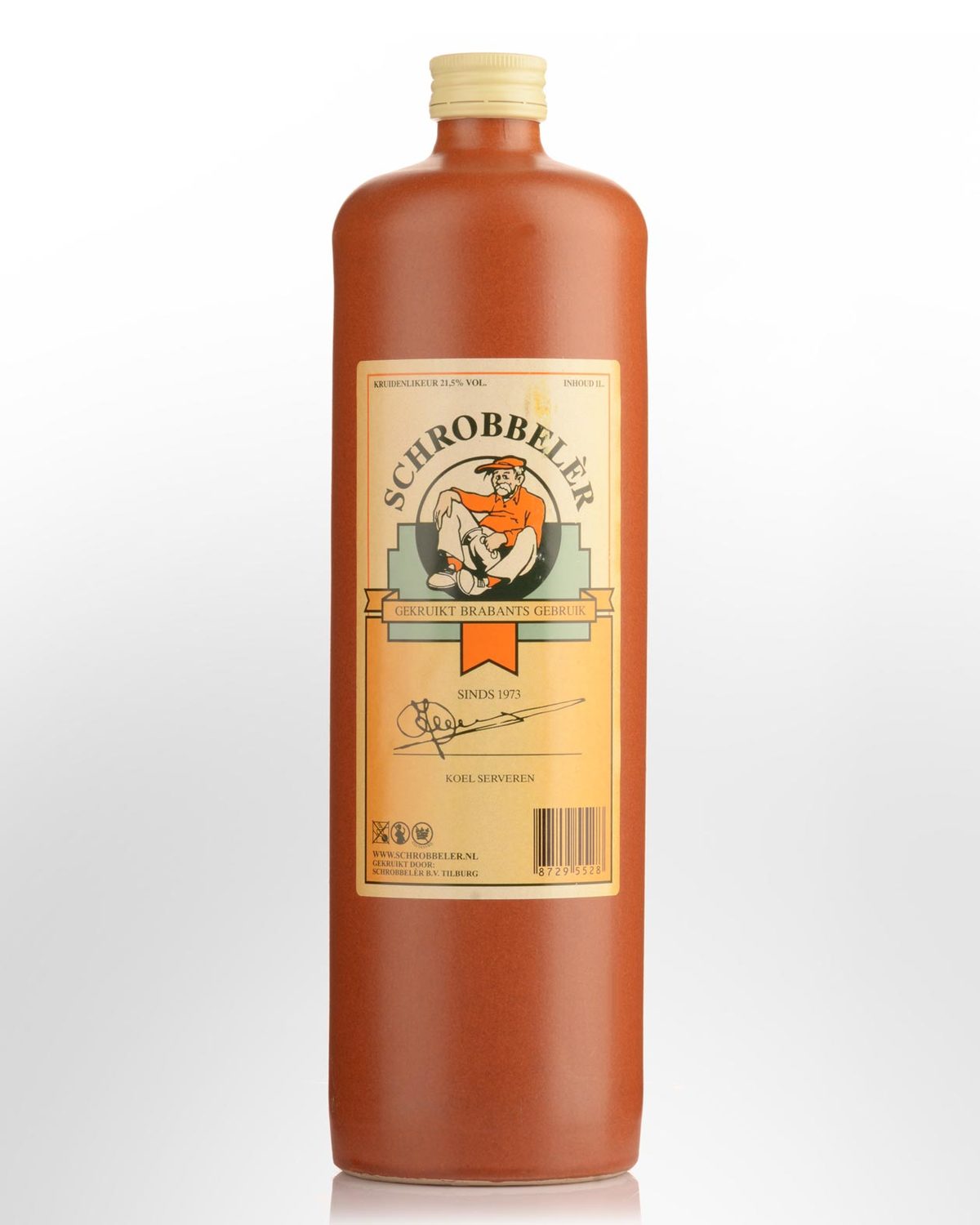
Schrobbeler Herbal Liqueur (1000ml)NETHERLANDS$64. 99Bottle$779.88 DozenABV: 21.5%Created by Jan Wassing in 1973, Schrobbeler is produced as a herbal remedy and employs an impressive 43 herbs.
Packaged in a traditional earthenware bottle. Best serve slightly chilled. 21.5% Alc./Vol.![Beltion Anisetta Liqueur (700ml)]()
- 89
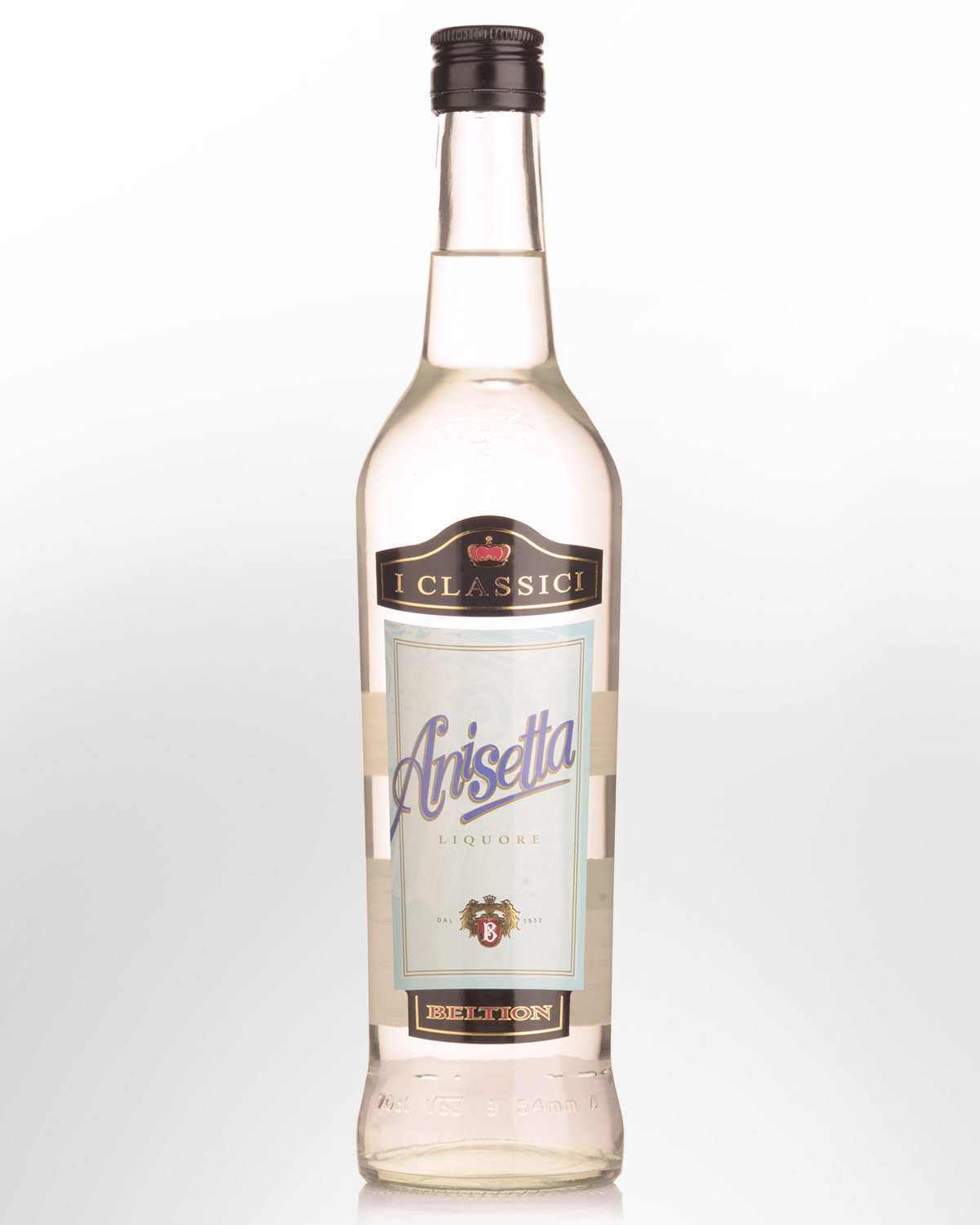
Beltion Anisetta Liqueur (700ml)ITALY$51. 99Bottle$623.88 DozenABV: 24%The Beltion brand was born after the second world war when Giacomo Gianandrea began selling his production of almond milk. The name (and the milk) soon became popular throughout Southern Italy. Fast forward to 1995, when his children set up a modern operation with a view to extend the brand to a wider range of cordials and spirits from the classic Italian repertoire. These include Sambuca, Anice, Amaro and an unusual expression of a liqueur standard, 'Opera Beltion White Amaretto'.
Tasting note: Crystal clear and slightly viscous in appearance. Offers attractive, lifted scents of fresh star anise and liquorice strap. Light to medium bodied, silky textured and with restrained sweetness, the palate repeats the bouquet. Finish is creamy and balanced fading with moderate persistence. 24% Alc./Vol.
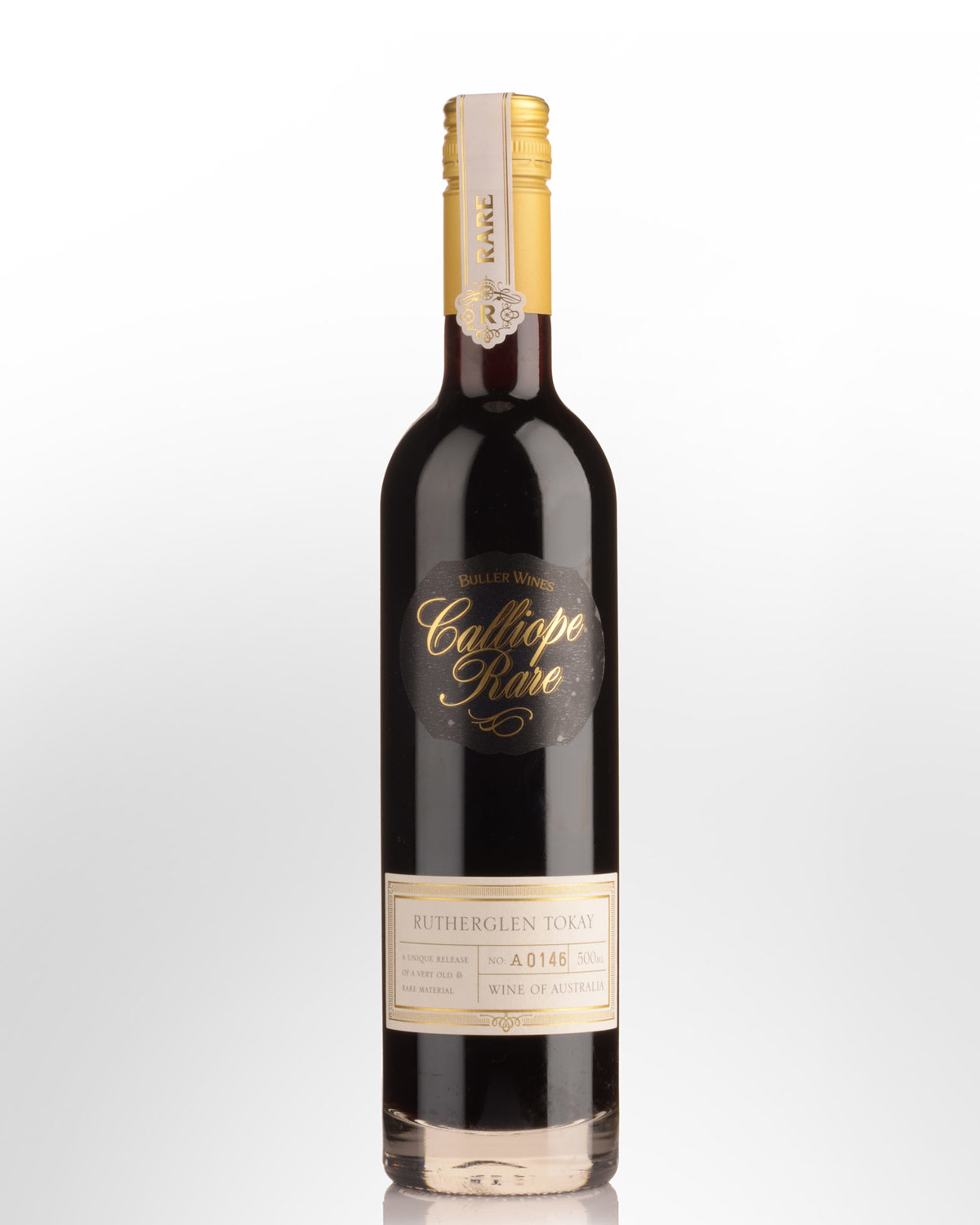
![5490165480_1.jpg]() Buller Wines Calliope Rare Rutherglen Topaque (500ml)Rutherglen, Victoria, AUSTRALIA$250. 00Bottle$3000.00 DozenABV: 18%Closure: Screw CapNotes from Bullers... Limited quantities of this exceptional wine are bottled each year to maintain the standard of what is considered to be one of the world's great dessert wines. The nose shows lashings of toffee, figs and cream. Exceptional length and remarkable clean finish complement the honey, figs and toffee on the palate. 18% Alc./Vol.
Buller Wines Calliope Rare Rutherglen Topaque (500ml)Rutherglen, Victoria, AUSTRALIA$250. 00Bottle$3000.00 DozenABV: 18%Closure: Screw CapNotes from Bullers... Limited quantities of this exceptional wine are bottled each year to maintain the standard of what is considered to be one of the world's great dessert wines. The nose shows lashings of toffee, figs and cream. Exceptional length and remarkable clean finish complement the honey, figs and toffee on the palate. 18% Alc./Vol.![30010026_1.jpg]()
- 91
- 96
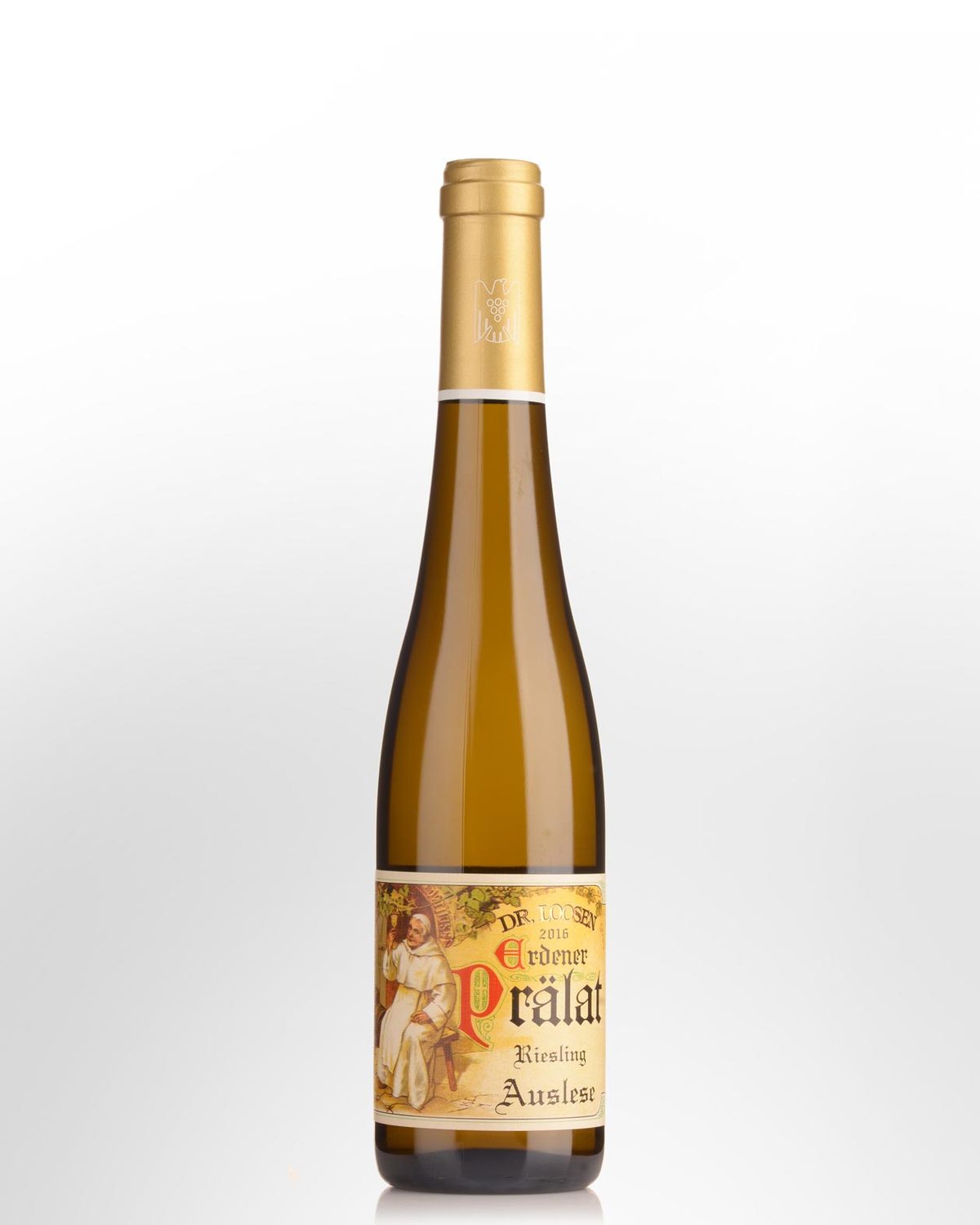
2016 Dr Loosen Erdener Pralat Riesling Auslese GK (375ml)Mosel, GERMANY$84. 99Bottle$1019.88 DozenABV: 9%Closure: CorkOther Reviews....
More exotic than Dr. Loosen's other 2016 auslese and a bit more opulent too, but it also has a very serious structure that drives the powerful finish. Drink from 2020 to 2060.
96-97 points
Stuart Pigott - jamessuckling.comThis offers a gorgeous nose of almond, pear, candied orange zest, a hint of pineapple, coconut minty herbs and spices. The wine develops a smooth and creamy feel on the palate and leaves a delicately powerful feel of herbs and spices in the long and superbly intense finish. This beautifully baroque expression of Auslese GK is still rather bold and will need a little bit of time to fully develop its inner balance. 2026-2046.
93+ points
Jean Fisch & David Rayer - Mosel Fine WinesWhether it’s a function of the site or of the level of botrytis, this leaves behind the primary juiciness that characterized the “regular” Loosen Auslesen of the vintage. But it’s lovely nonetheless. Orange and muskmelon are mingled with decadent lily, headily sweet gardenia and musky peony both on the nose and on an expansive, glycerol-rich palate loaded with inner-mouth perfume. That perfume, like the wine’s ripe fruit flavors, lingers impressively, if without much animation. (This was bottled shortly after my late July 2017 visit.)
91-92 points
David Schildknecht - Vinous-
- 89
Dudognon Reserve des Ancetres Cognac (700ml)Cognac, FRANCE$250. 00Bottle$3000.00 DozenABV: 40%The Dudognon family have grown grapes in the small town of Lignières-Sonneville, in the heart of Grande Champagne, since 1766. When it comes to Cognac, they have remained committed to creating an artisan product. Decisions made during distillation are purely from the glass, the oak for their barrels is air-dried for five years next to the chai, and while many cognacs are laden with permitted additives (sugar, boisé, caramel), water is the only secondary ingredient at Dudognon (because of this, their colour is relatively light). Their Reserve des Ancetres is approximately thirty years old.
Tasting note: Deep gold colour. Initial nosings are restrained. Ten minutes in the glass yields moderate scents of honey, apricot, fig and a trace of pepper. The palate shows good concentration with a nice balance between fruit and grippy tannin, though overall the mouthfeel remains very dry by Cognac standards. Spicy, cedary, vanillan oak back palate. Finishes quite dry and slightly tannic. An attractive aperitif style. 40% Alc./Vol.
![51601651511_1.jpg]()
- 94
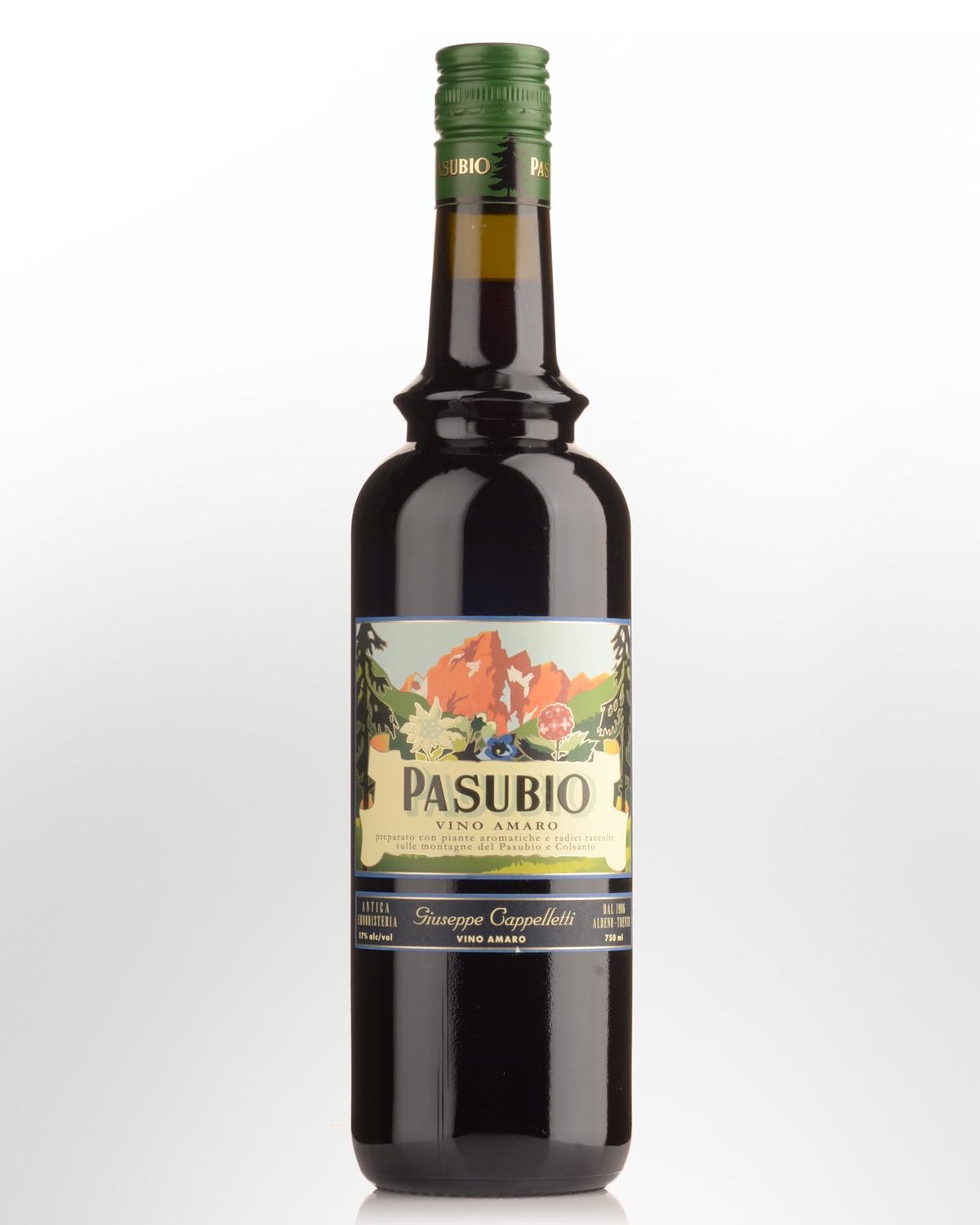
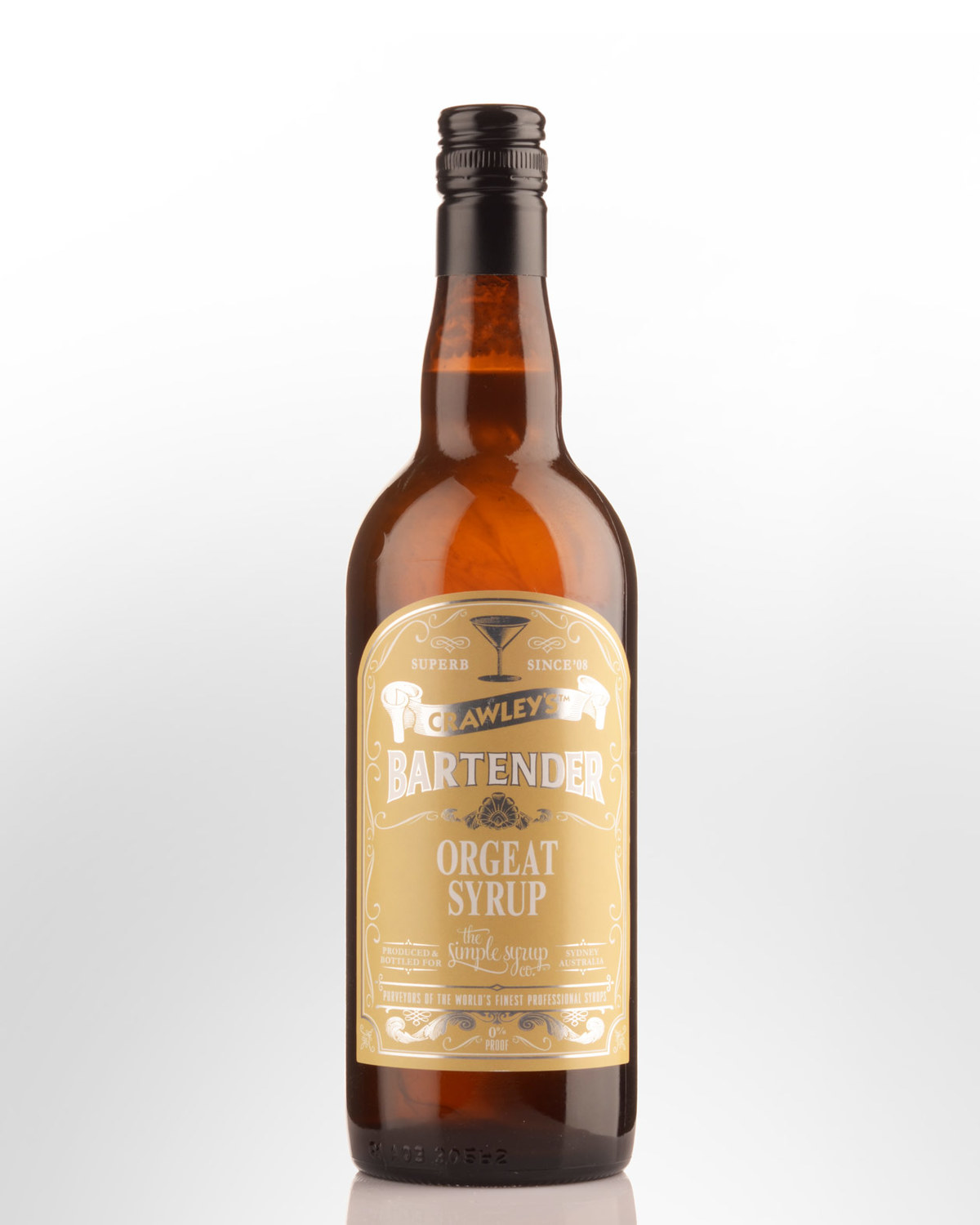
Cappelletti Pasubio Amaro Digestif Liqueur (750ml)ITALY$54. 99Bottle$659.88 DozenABV: 17%One of the first amaro recipes created by Guiseppe Cappelletti at the beginning of the 20th century using an aged wine base. Notes of the old alpine style here include blueberries, strawberry confit, pine sap and mountain herbs. Tasting note: Cloudy sienna brown. Integrated aromas hint at ripe juniper, pine needle, berry tart and delicate herbaceousness. Medium bodied with a refreshing piney, minty edge over sweeter notes of dried berries and crushed grapes. Mildly bitter with herbal freshness to finish. Resembles high quality vermouth. Very satisfying. 17% Alc./Vol.![417412_1.jpg]() The Simple Syrup Co. Crawley's Bartender Orgeat Syrup (750ml)New South Wales, AUSTRALIA$32. 99Bottle$395.88 DozenClosure: Screw CapNicknamed #86, after the specific number of versions were created before deciding upon this particular hand made recipe produced from crushed almonds and mahlab kernels. The nose is of saturated bitter almonds and a subtle spiced cherry. The flavour builds to mid peaks of bright sweet spice closing off to deep long creamy almond finish.
The Simple Syrup Co. Crawley's Bartender Orgeat Syrup (750ml)New South Wales, AUSTRALIA$32. 99Bottle$395.88 DozenClosure: Screw CapNicknamed #86, after the specific number of versions were created before deciding upon this particular hand made recipe produced from crushed almonds and mahlab kernels. The nose is of saturated bitter almonds and a subtle spiced cherry. The flavour builds to mid peaks of bright sweet spice closing off to deep long creamy almond finish.Suggested cocktails for inclusion are the Fog Cutter, Army Navy, Japanese Cocktail and the Mai Tai.
![Zilzie Wines Selection 23 Prosecco]()
- 90
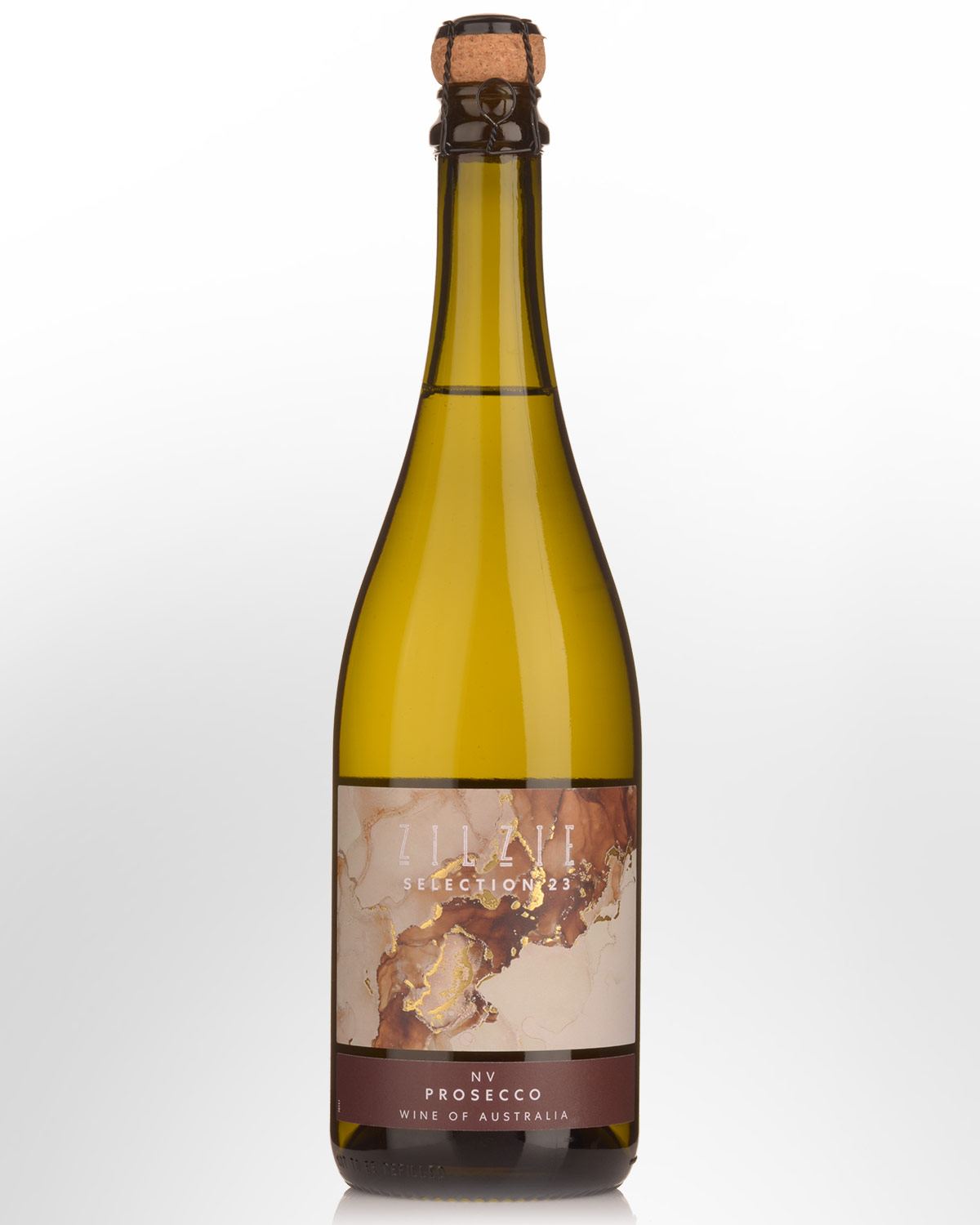
Zilzie Wines Selection 23 ProseccoAUSTRALIA$11. 99Bottle$143.88 DozenCellar: Drink now (2016)ABV: 11%Closure: CorkA frothy white mousse dissipates to reveal a very pale straw base colour with a very fine bead that shows exceptional persistence. Aromas of pear and green apple overlay some lemon sherbet characters. The palate has fruity pear, green apple and lime flavours with a burst of lemon sherbet on the crisp dry finish. Aftertaste of ripe pear, green apple and fresh limes. A simple but flavoursome quaffing prosecco.
Drink now.
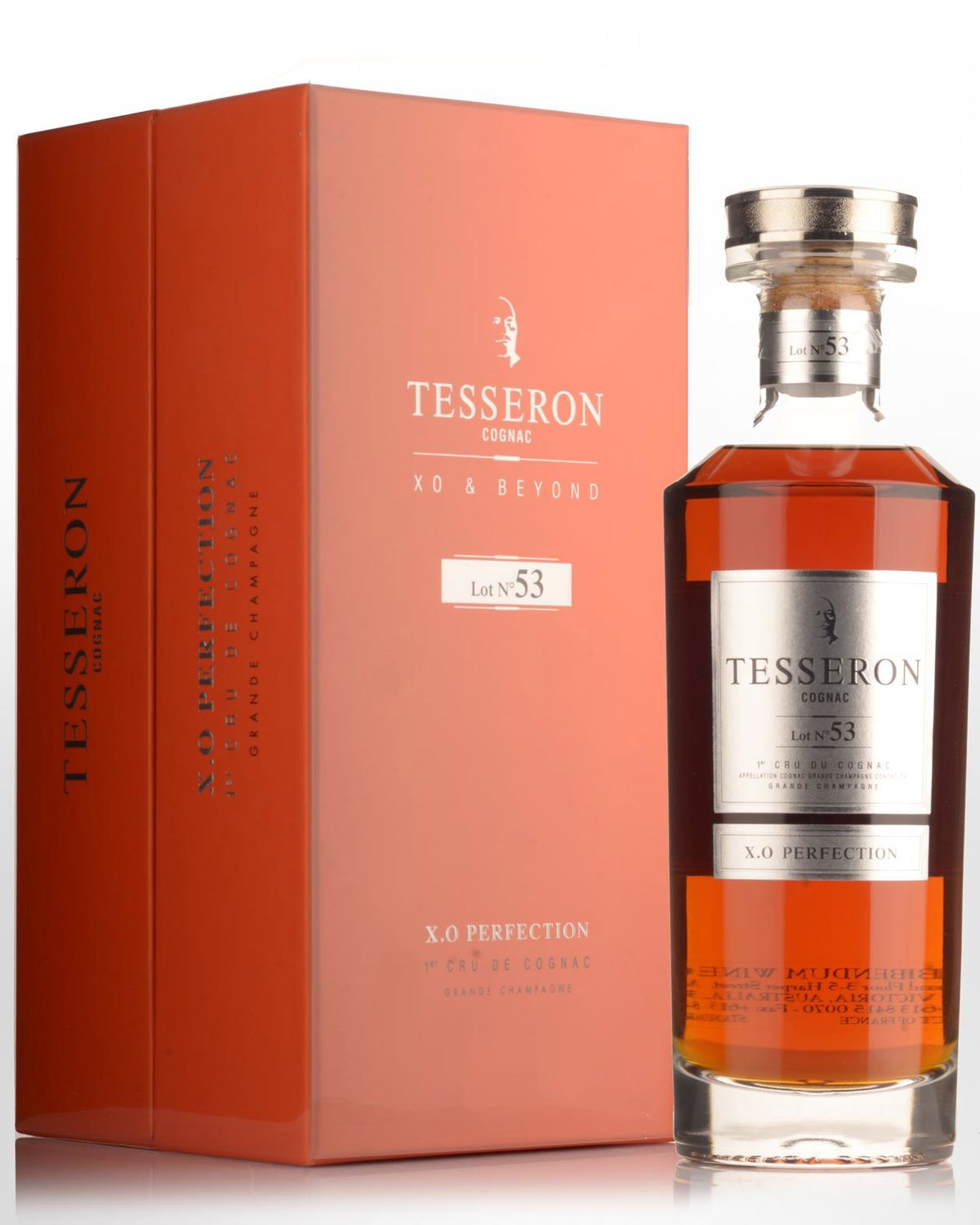
Alc 11%![Tesseron Lot 53 XO Perfection Cognac (700ml)]()
- 95
Tesseron Lot 53 XO Perfection Cognac (700ml)Cognac, FRANCE$550. 00Bottle$6600.00 DozenABV: 40%100% Grande Champagne cognac, with the oldest component reaching half a century in barrel.
A blend of Tesseron’s stocks of Grande Champagne cognac distilled in the 1950s from a base of Ugni Blanc and a small addition of Folle Blanche. With fifty years in barrel, it continues the theme of Lot 90 and Lot 76 but heads into more refined territory; Tasted from a 50ml sample, the nose is a slow-burn affair, developing aromas of nectarine, dried apricot, peach and rancio that follow through in a sublimely soft entry; delicate acidity brings a linear structure and a fine-tuned vivaciousness through the mid-palate; the finish picks up steam with orchard blossoms (apple, pear), hints of dry triple sec, nectarine, dried figs and cigar box followed by a superb rebound. Arguably the 'sweet spot' in the Tesseron range, balancing age, power and elegance, it's a cognac that demands time and quiet contemplation. 40% Alc./Vol.
Other reviews... They say this one aged for more than two generations in Limousin oak, which might corroborate the number '53', but that's no evidence. Colour: full gold. Nose: we're closer to… old Macallan, seriously. Some beeswax, old books, roasted nuts, various honeys, dried figs, honeysuckle, apricot jam, a tiny smokiness, very dry raisins, touch of pipe tobacco… I'm finding all this very elegant, still pretty classic (no new-age cognac), while the wafts of menthol that then rise to your nostrils are superb. Mouth: 43 or 46% pleaeaeaease! Flower jelly (mullein), peaches, mirabelles, quinces, lavender honey, not that many sultanas, a little bit of rice pudding, custard. Superb freshness. Finish: medium, with a few soft spices but the mirabelles remain firmly at the helm. Touch of pine resin and chartreuse in the aftertaste. Comments: some Vivaldi in a bottle (note to self, try more Tesseron). 90 points - whiskyfun.com
...The nosing passes find an oaky/nut paste aroma with fruity notes of berries, dried fruit, plums, pears and soft cheese. The palate entry is composed, succulent and honeyed; by midpalate the flavors deepen to include caramel, rancio and orange rind. Finishes beautifully with depth, finesse and maturity. 96-100 points - winenethusiast.com
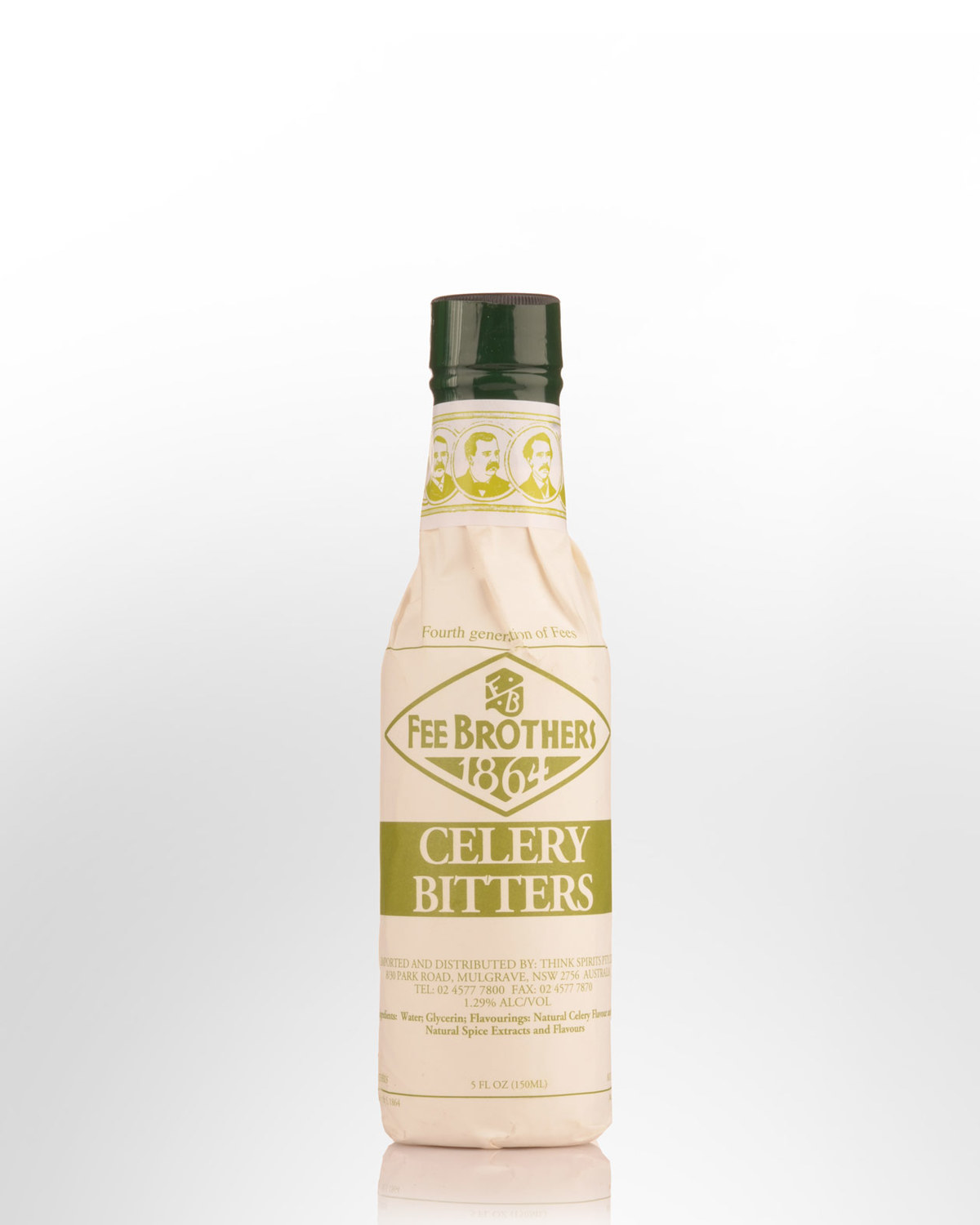
![1021554_1.jpg]() Fee Brothers Celery Bitters (150ml)Rochester, New York, UNITED STATES$25. 99Bottle$311.88 DozenABV: 1.29%Closure: Cork
Fee Brothers Celery Bitters (150ml)Rochester, New York, UNITED STATES$25. 99Bottle$311.88 DozenABV: 1.29%Closure: CorkWith Fee Brothers producing an already extensive range of bitters, it was only a matter of time before this old recipe saw light once again. Celery Bitters saw its hey day's in the 19th century where it was produced and manufactured by multiple companies.
Along with other styles of bitters it was initially used for medicinal purposes, over time it's uses have broadened to a common digestive and now, a blending component in cocktails. Recommended uses range from the obvious Bloody Mary, to the not so obvious Dry Martini. A recipe for the Garden & Tonic can be found below. Enjoy!Cocktail Recipe: The Garden Tonic 30-45ml Plymouth gin
2 teaspoons of St. Germain Elderflower liqueur
2 dashes of Fee Brothers celery bitters
90ml Indian Tonic water
4 mint leaves
3 cucumber slices
lime wedge
Click here for Classic Cocktails.
![435678914214_1.jpg]()
- 92
- 92
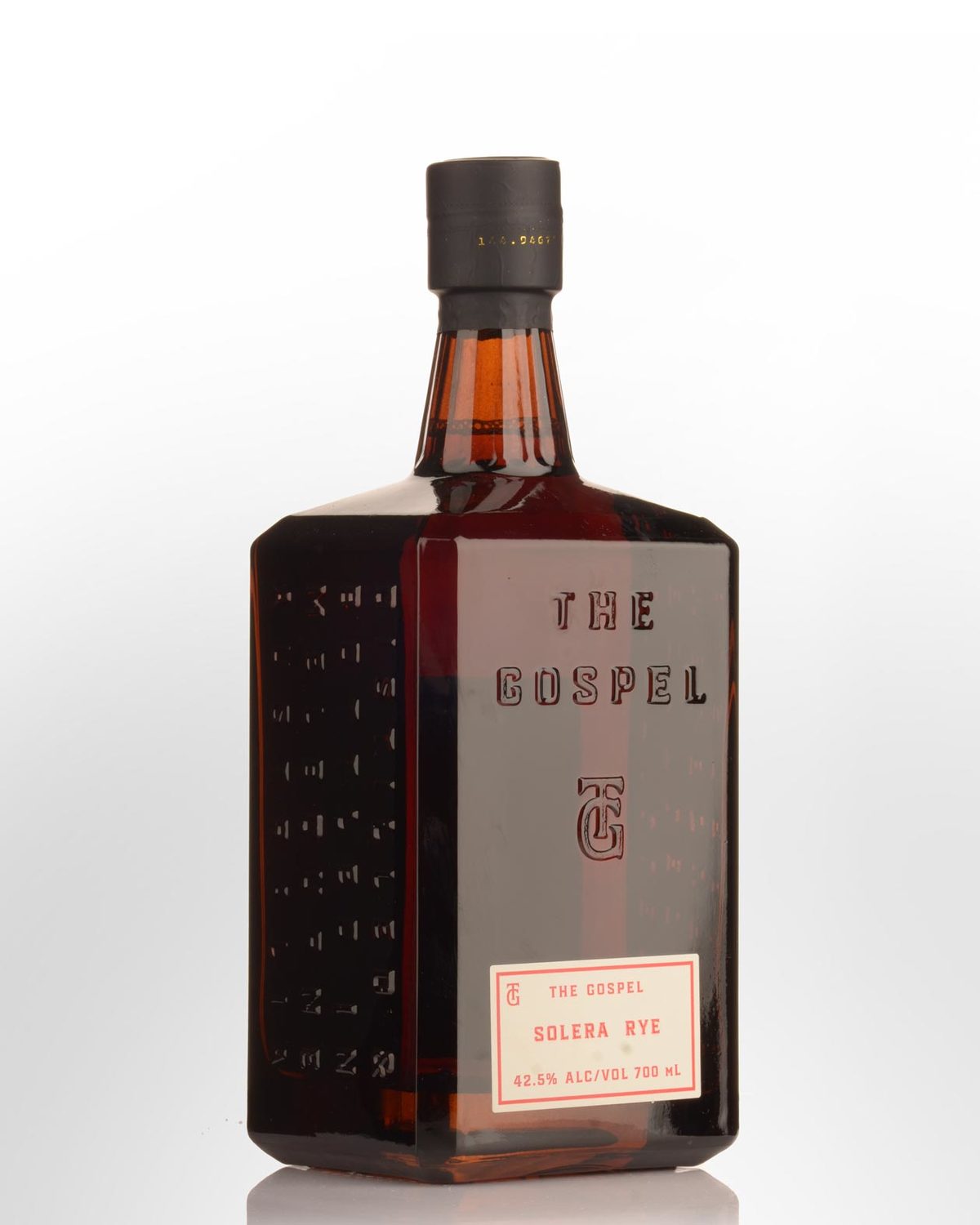
The Gospel Solera Australian Rye Whiskey (700ml)Melbourne, Victoria, AUSTRALIA$84. 99Bottle$1019.88 DozenABV: 42.5%A 100% rye made in Brunswick, Melbourne from all-Australian grain grown in the Mallee. Following double distillation the whisky is matured in a two-story tall bespoke solera system composed of new American oak and x Australian wine barrels. On the nose this sweeter-styled rye hints at toffee apple, buttered Ryvita, light caramel fudge and low-key muddled mint. Oily yet fresh with good weight and feel, a fanning burst of rye spice leaves you with shades of chocolate box, oily grains and finally, mint sprigs. It's silky and very accessible rye with a subtle winey twist. Try it with dry ginger ale and a slice of orange. 42.5% Alc./Vol.
Other reviews... Solera Rye is The Gospel's entry–level product, designed as an easy–going mixing whisky to rival imported American whiskies like Jack Daniel's, Jim Beam and Canadian Club, and as such, it's one of Australia's most reasonably priced and widely distributed whiskies. "Solera" refers to the Spanish method of maturing sherry. It's essentially a way of saying that this product is a blend of older and younger whiskies, which is a good way to achieve consistency over time. The result is a light, bright, approachable whisky that rivals its imported counterparts in quality and complexity. It smells like a big bite of Cherry Ripe with lots of warm, fruity oak and a hint of forest floor. There's also good integration here; it's playing nicely with all the fruit and oak notes. There's also a wonderful aroma of apricot museli bar, a common finding in Australian–produced rye whiskies, and sets them apart from American rye. This product has improved markedly since it was first bottled as The Gospel's inaugural release back in TKTK, so if you haven't tried it in a while, it's time to look again. Is it the world's most complex whisky? No. But it's punching well above its weight nonetheless. 92 points - Fred Siggins (2025), winecompanion.com.au
...Geez this is fun. Super quaffable on its own. But the sweetness from the new oak and the wine and the savoury oomph from the rye spirit turns this into a rockstar when mixed. Highballs all the way, awesome manhattans, too. - ozwhiskyreview.com.au
Silver at the 2023 & 2024 International Wine and Spirits Competition
![10523610130_1.jpg]()
- 91
- Nicks Import
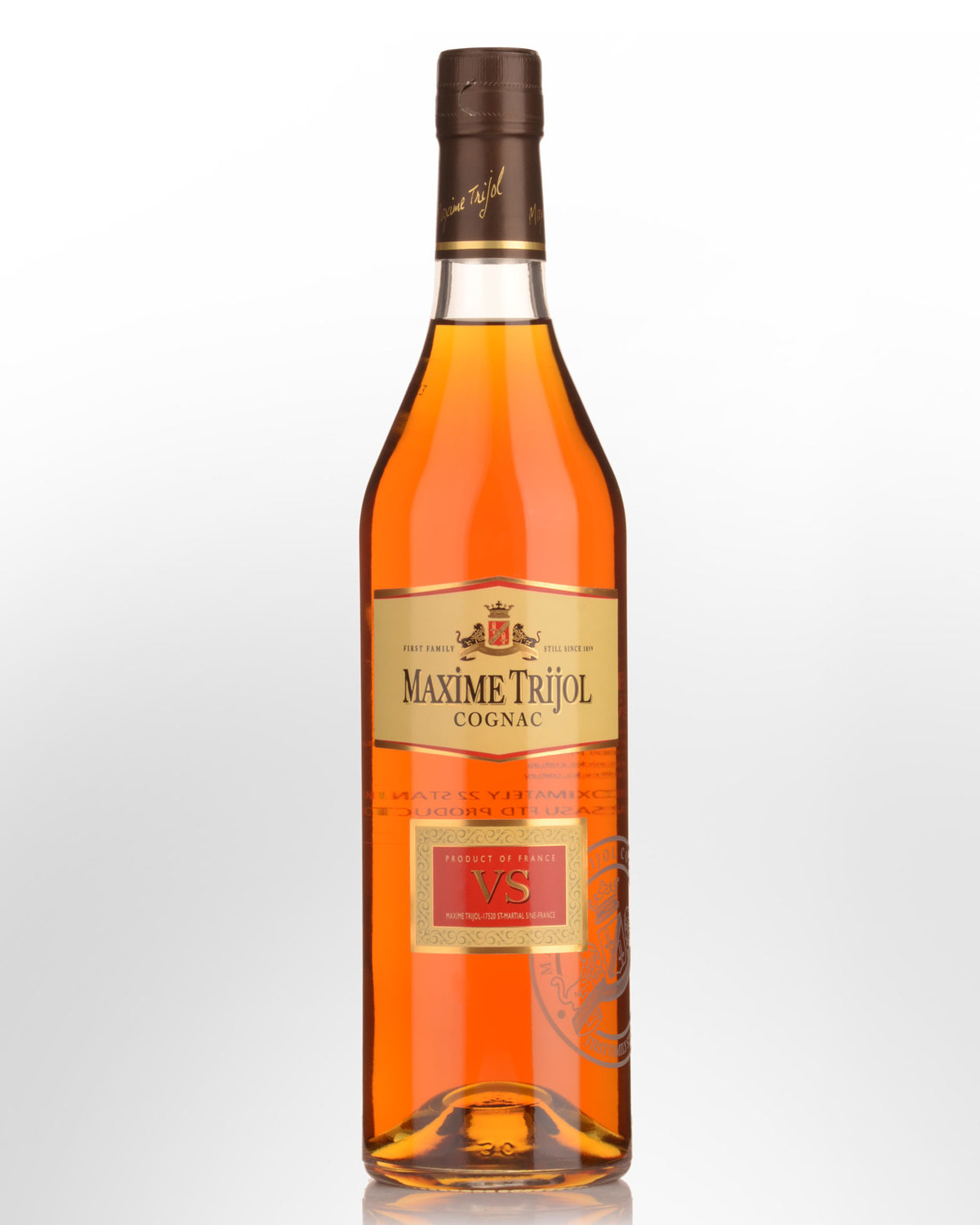
Maxime Trijol VS Cognac (700ml)Cognac, FRANCE$59. 99Bottle$719.88 DozenABV: 40%Everything you could want in a VS Cognac, and at an extraordinary price. Tasting note: Brilliant topaz. Generous aromas of candied orange peel, ripe plums, apricots and vanilla follow in a medium to full bodied, fleshy VS with lots of yellow stone fruits. Peppery to finish with cedary oak and trace rolling tobacco through the aftertaste. Flavoursome, well balanced and perfect for cocktails. 40% Alc./Vol. Other reviews... A wonderfully rounded 3 star Cognac with nutty, buttery notes. 4.5 stars - diffordsguide.com 40% Alc./Vol. Notes from the producer... Straw yellow. Intense, fruity, floral aromas, reminiscent of the flowers of the vine in June.![1025885_1.jpg]()
- 91
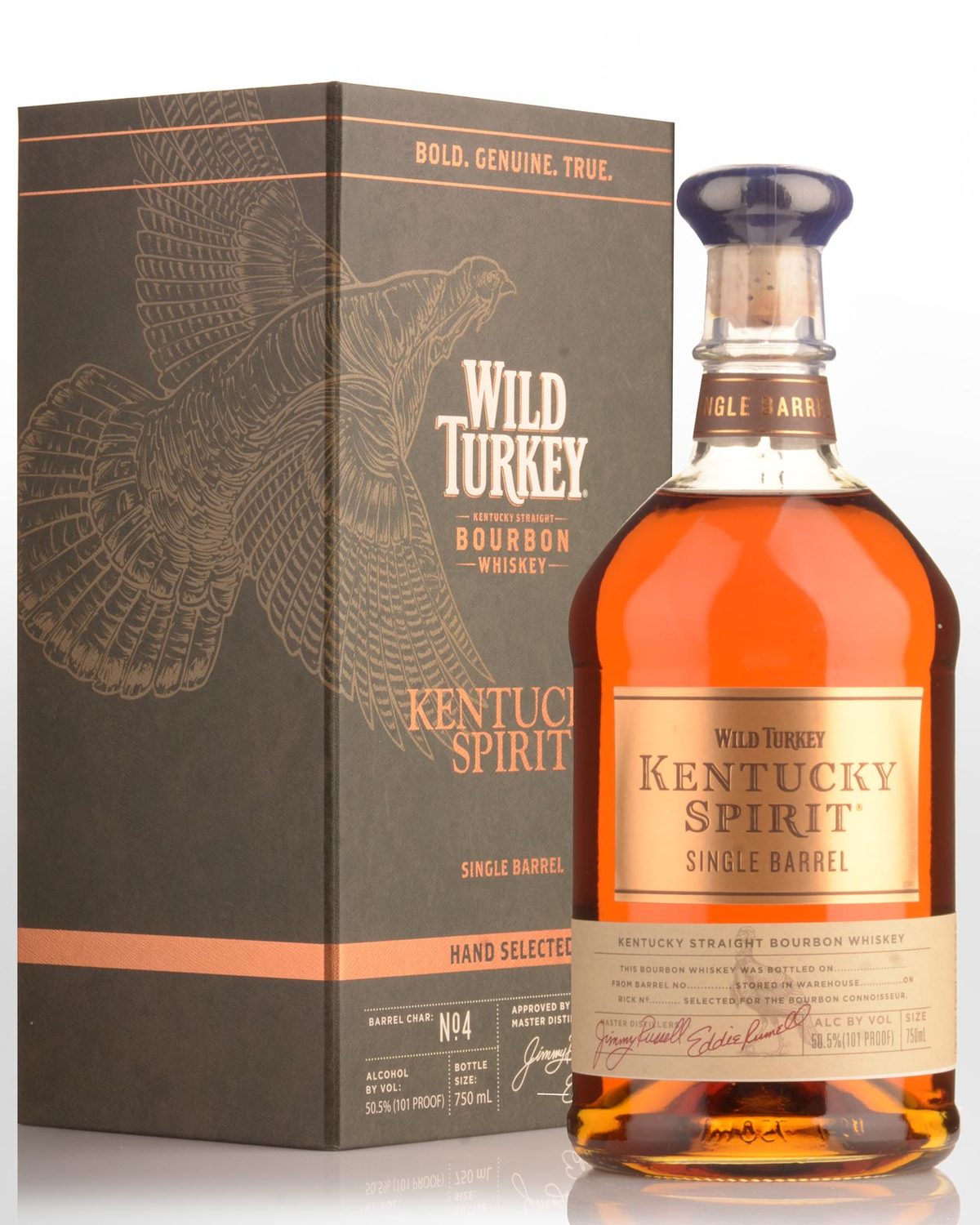
Wild Turkey Kentucky Spirit Single Barrel Bourbon Whiskey (750ml)Kentucky, UNITED STATES$169. 99Bottle$2039.88 DozenABV: 50.5%"Possibly the most overlooked bottle in Wild Turkey’s lineup, barrels of Kentucky Spirit are consistently good, and sometimes fantastic..." - breakingbourbon.com
When it was released in 1994, Kentucky Spirit was at the forefront of Bourbon, reported to be only the second single barrel bourbon to hit the market after Blanton’s.The 101 proof release is drawn from a single barrel, which means no two will be exactly alike. The challenge is to find single barrels that capture the essence of Wild Turkey, while also maintaining a consistency that gives each taste of Kentucky Spirit a similar flavour from batch to batch. Every bottle is handsomely packaged with a label bearing the barrel number, date and warehouse number. In the context of the entire portfolio, this is the bottling that has the potential to bring out the best of Wild Turkey at what is arguably the distillery’s ideal proof. 50.5% Alc./Vol.
Other reviews... Kentucky Spirit probably won’t be many bourbon drinkers’ first experience with Wild Turkey, but it should hold a place on every more experienced bourbon drinker’s shelf. Given the right barrel and enough attention to its subtle nuances, Kentucky Spirit can offer a glimpse into some of the best the distillery has to offer. - breakingbourbon.com
...bottled at the proof that Wild Turkey was designed to be. A deeply-woody spiced nose featuring cinnamon and caramel advertises a power punch whiskey, but on the palate there's no punch. Instead, it's lush, round, and affable, with deep caramel and cinnamon co-mingling with peanut. The lush, sweet start is well-balanced by cinnamon spice, which ramps up and drives a long spicy finish. This is delicious whiskey. 91 points - whiskyadvocate.com
Beautiful deep amber color. Lavish aromas of a cornucopia of dried fruits, vanilla maple fudge, Demerara sugar, and artisan chocolate toffee with a supple, lightly tannic full body and long,warming anise, toasted grain, and dusty mineral finish. A powerful oak driven, yet elegant bourbon. 94 points (Exceptional)
International Review of Spirits Award: Gold Medal. - tastings.comNose: The most herbal and spicy of the WT range: wild thyme, sage, fennel, coriander, nutmeg, cumin. Also smokier than the rest with notes of molasses, chestnut honey, crème brûlée. Palate: Complex and very soft. Raisin bread, butter, tupelo honey/maple. Finish. Huge and everlasting. Highly complex.Comment. As sexy as Isaac Hayes' Hot Buttered Soul. One to savour all night. 90 points - David Broom, whiskymag.com
![30010034_1.jpg]()
- 95
- 94
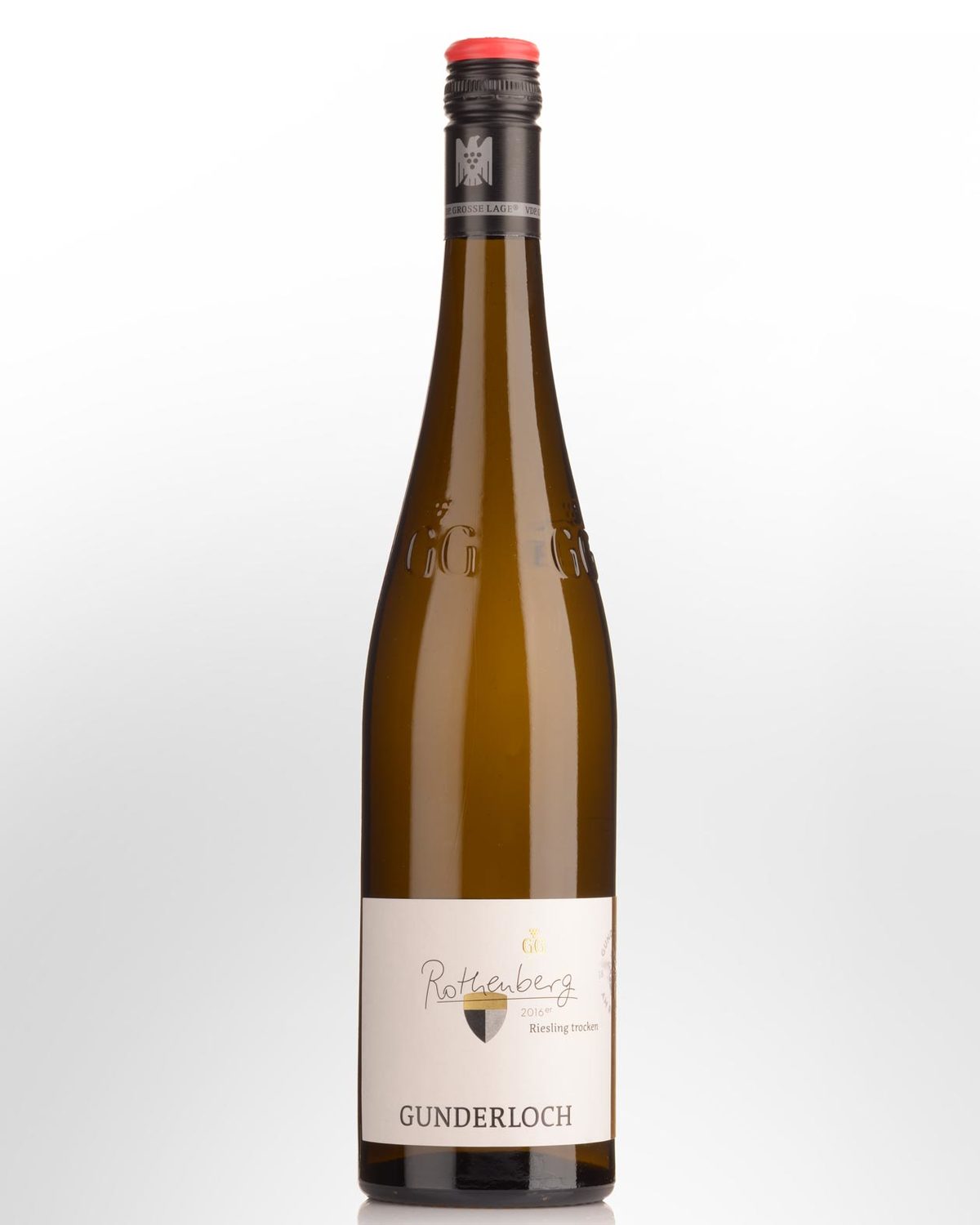
2016 Gunderloch Rothenberg Riesling Grosses GewachsRheinhessen, GERMANY$99. 99Bottle$1199.88 DozenABV: 12.5%Closure: StelvinOther Reviews....
A super-elegant and filigree wine that is both deep and finely-etched with a very long pure finish that's as straight as a laser beam! Best from 2018.
95 points
Stuart Pigott - jamessuckling.comThe Rothenberg never fails to fascinate with its intriguing combination of grapefruit and spice. Plenty of patience with the harvest has been rewarded with a successful alliance of sweet citrus fruit including mandarin, juicy acidity and generous body, but the icing on the cake, as always, is that fine dusting of sweet spices which gets the palate tingling.
17.5/20 points
Michael Schmidt - jancisrobinson.comFermented and aged 90% in oak (1,200-liter Stückfass), the 2016 Rothenberg Riesling GG has a clear, pure, deep and spicy bouquet that indicates great complexity and elegance. On the palate, this is a full-bodied, pure and very elegant Riesling with intense fruit, fine tannins and a long, intense finish. This Rothenberg is ripe, rich and lush but highly elegant, fresh and even finessed, with enormous salinity and a very long finish. Just 12.18% alcohol. This is a great Riesling that can age for 20, probably more, years. Great balance and complexity.
94+ points
Stephan Reinhardt - Wine Advocate #233 (Nov 2017)![Bakery Hill Single Malt Australian Whisky Gift Pack (3 x 50ml)]()
- Packaging may vary
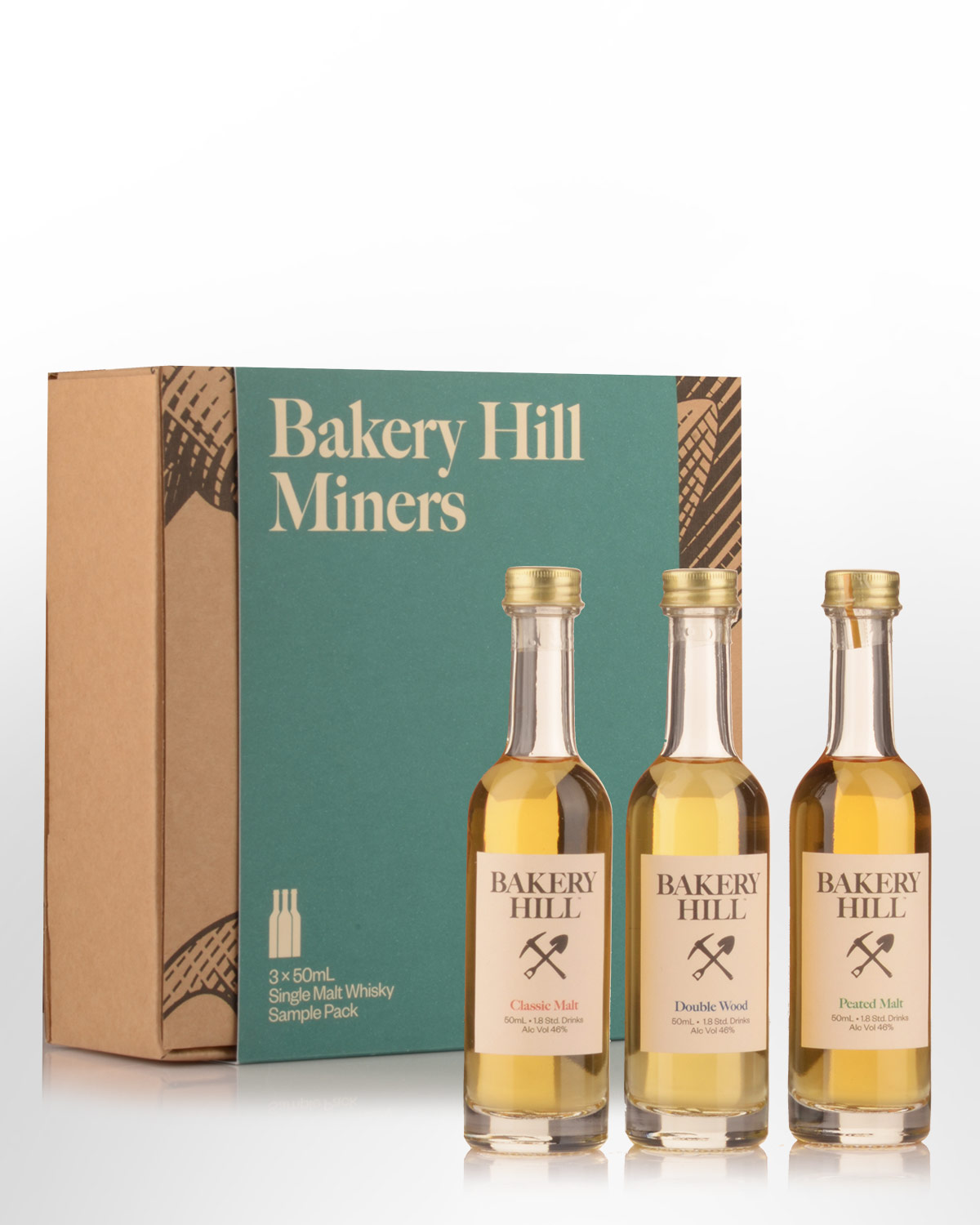
Bakery Hill Single Malt Australian Whisky Gift Pack (3 x 50ml)Victoria, AUSTRALIA$59. 99Bottle$719.88 DozenDavid Baker started distilling in 1999 with the first "Bakery Hill" whiskies launched in 2004. Consistency has become Baker's strong point and his stated aim is to reproduce traditional Scotch Whisky styles. He employs re-coopered x-Jack Daniels Whiskey barrels for maturation of his "Classic" and "Peated" whiskies, with the "Double Wood" expression finished in virgin French oak. Each is represented in this attractive miniature gift pack. All whiskies are 46% ABV.![6080078_1.jpg]()
- 97
- 97
- 96
- 97
- 96
- Nicks Import
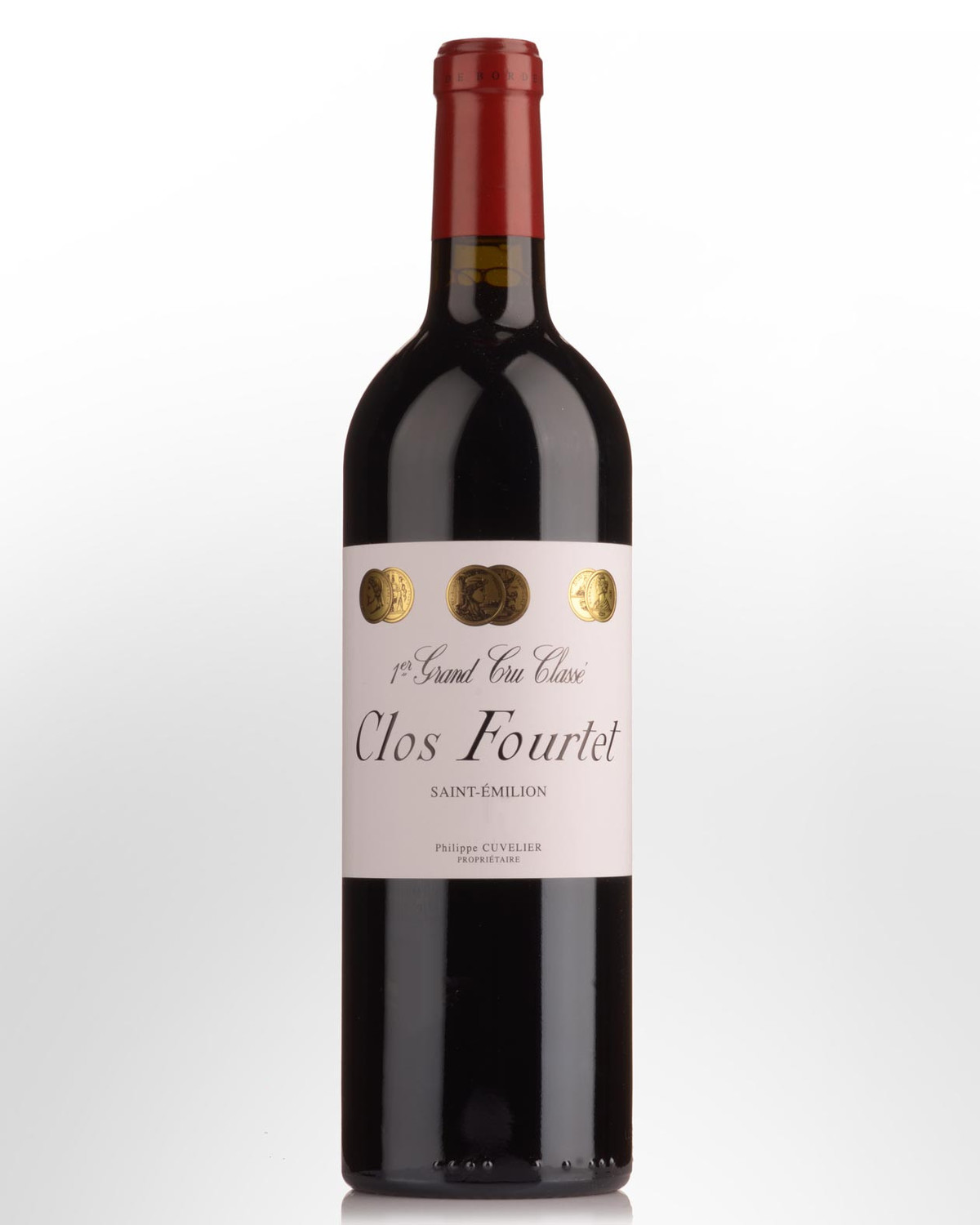
2019 Clos FourtetSaint Emilion, Bordeaux, FRANCE$270. 00Bottle$3240.00 DozenClosure: CorkOther Reviews....
Attractive aromas of wild berries, pencil shavings, vine smoke, black truffle and violets introduce the 2019 Clos Fourtet, a medium to full-bodied, deep and seamless wine with a concentrated core of fruit, beautifully refined tannins and lively acids, concluding with a long, saline finish. Elegant and complete, this is a brilliant wine from this 19-hectare vineyard situated on the limestone plateau of Saint-Émilion, just outside the village, which has been on a qualitative roll since the 2001 vintage. Drink 2025 - 2060.
96+ points
William Kelley - Wine Advocate (Apr 2022)The 2019 Clos Fourtet is positively stellar, just as it was from barrel. It presents a beguiling mix of dense, plush fruit packed into a classically structure frame. The first impression is one of opulence, until the minerality of Saint-Émilion's famed plateau begins to emerge. Black cherry, plum, leather, exotic spice, licorice and blood orange build into the statuesque, explosive finish. The 2019 is a magnificent effort from the Cuvelier family and long time consulting winemaker Stephane Derenoncourt. Drink 2029-2059.
97 points
Antonio Galloni - VinousLots of purple fruit with white pepper and crushed stones in the nose. It’s full-bodied, yet tight and poised with a very chalky and salty undertone to the purple fruit. Flavorful finish. Linear and long. Try after 2026.
96 points
James SucklingThe 2019 Château Clos Fourtet is another gem from the Right Bank that delivers the goods. From the upper, limestone plateau and always a bigger, richer wine than its neighbors (Canon, Beau-Séjour Bécot), it still shows incredible minerality and limestone character in its deep black cherry, currant, and mulberry fruits as well as scorched earth, chalky minerality, roasted herb, licorice, and white flower-like aromas and flavors. Rich, full-bodied, concentrated, and structured on the palate, it's flawlessly balanced, has ripe, broad, building tannins, an expansive mouthfeel, and a great, great finish. It needs a decade of bottle age, but it’s truly brilliant stuff. Drink after 2032.
97+ points
Jeb DunnuckDeliciously seductive nose, heady! Crystalline texture and purity here with a pulsing drive from start to finish. The fruit is super glossy and shiny, it feels precise and purposeful with blackcurrant and black cherries at the fore. Tannins are well integrated, just perceptible giving a nice weight and frame to the palate. Succulent and sophisticated. Drink 2025 - 2045.
97 points
Georgina Hindle - DecanterEven better in the bottle after its aging period, the wine explodes with flowers, black cherries, plums, mint, espresso, cocoa, licorice and crushed rocks. The wine is full-bodied, opulent, rich, silky, fresh and long. The palate is coated with layers of dark red pit fruits with that elusive touch of salt, silky tannins and purity in the fruits that radiate from the mid-palate continuing all the way through to the long, velvety, harmonious finish. Give this at least a few years in the cellar and it should offer pleasure for the following 3 decades with ease. Drink from 2025-2055.
98 points
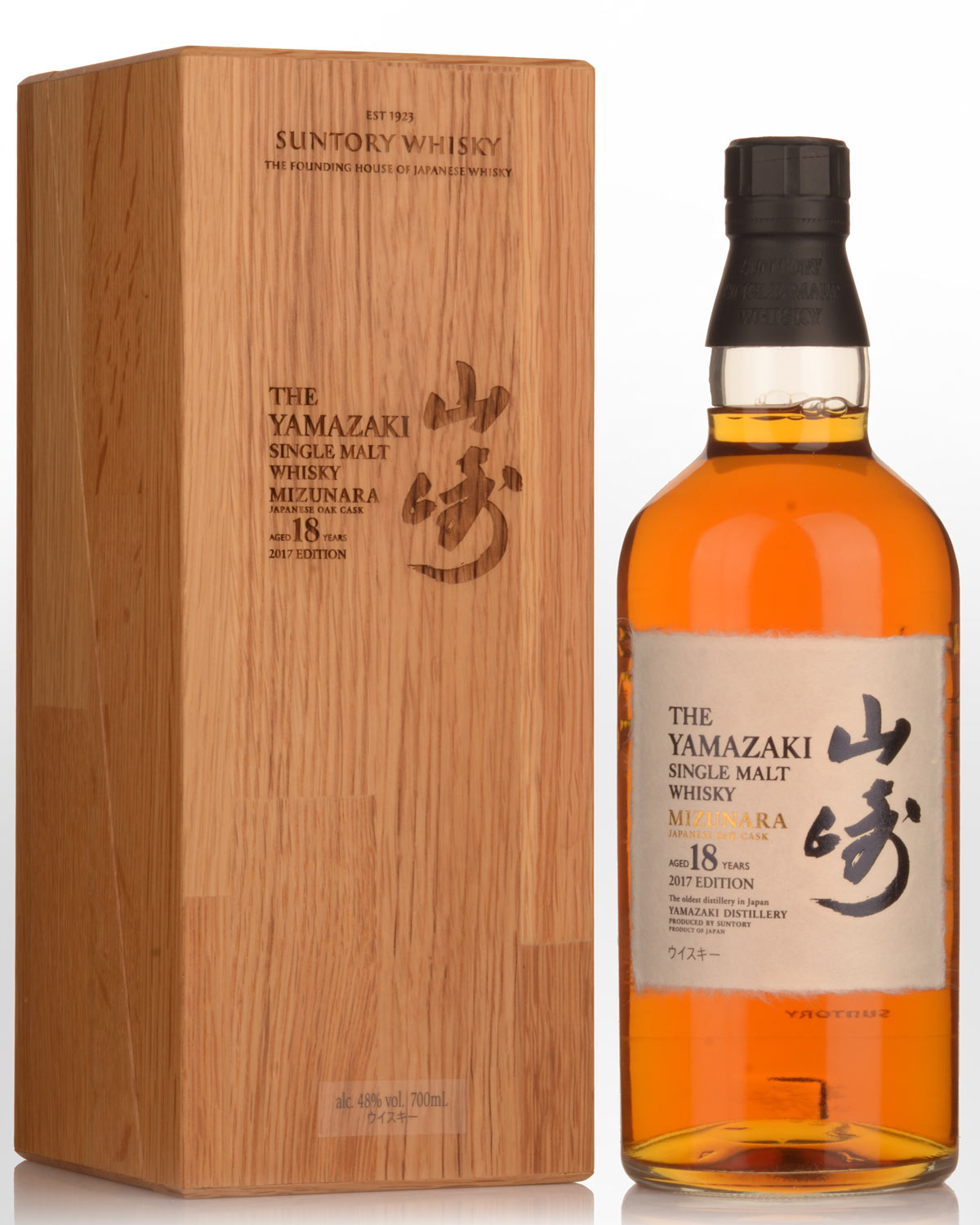
Jeff Leve - The Wine Cellar Insider![Suntory Yamazaki Mizunara Oak Cask 18 Year Old Single Malt Japanese Whisky (700ml) - 2017 Edition]() Suntory Yamazaki Mizunara Oak Cask 18 Year Old Single Malt Japanese Whisky (700ml) - 2017 EditionJAPAN$9999. 00Bottle$119988.00 DozenABV: 48%
Suntory Yamazaki Mizunara Oak Cask 18 Year Old Single Malt Japanese Whisky (700ml) - 2017 EditionJAPAN$9999. 00Bottle$119988.00 DozenABV: 48%Note: Product has come from a private collection and as such has some minor scuffing/scratches/handling marks. Actual product pictured.
Arguably the most 'distinctively Japanese' whisky ever made, and one of the high points in our Japanese whisky collection. (Reports have it prices reached up to $10,000AU a bottle in Japan when this was launched in 2017). Master blender Shinji Fukuyo creates his annual masterpiece from whiskies 18 years and up, with a small portion exceeding 50 years of age. All components were matured in casks made from Japan's native oak, the 'Mizunara'.Suntory began to experiment with the indigenous oak after the Second World War, when supplies of foreign oak were difficult to source. It made a far from ideal vessel, Mizunara's loose grains tended to cause leakage and also created challenges in terms of timber selection and cooperage. Blenders at the time had few kind words to say about the wood. Decades later, the tree is better understood, and the hints of incense, sandalwood, and aloeswood it imparts to whisky are prized. The oak releases these qualities after decades rather than years, making the whiskies they mature all the more precious.
“I wanted to reveal the whisky’s soul that is the ‘Art of Mizunara’, a heightened sense and awakened palate engaged through aromas and flavours never known before. Encountering it should be a moment of epiphany,” said Fukuyo.
Presented in a beautiful oak case made from recycled Suntory casks, these bottlings rarely re-surface.
Other reviews... When whisky lovers talk about the grandeur of Japanese whisky, the enlightenment they desire can be found within this bottle. A refined luxury evocative of toasted marshmallow, sweet incense, butter-soft caramels, oak spices, and ground cinnamon. All the hallmarks of mizunara are here. Concentrated sweet citrus, so intensely fruity on the palate; the mouthfeel is rapturously silky with touches of mango, dried apricot, and gentle but resilient spices. 48% Alc./Vol.
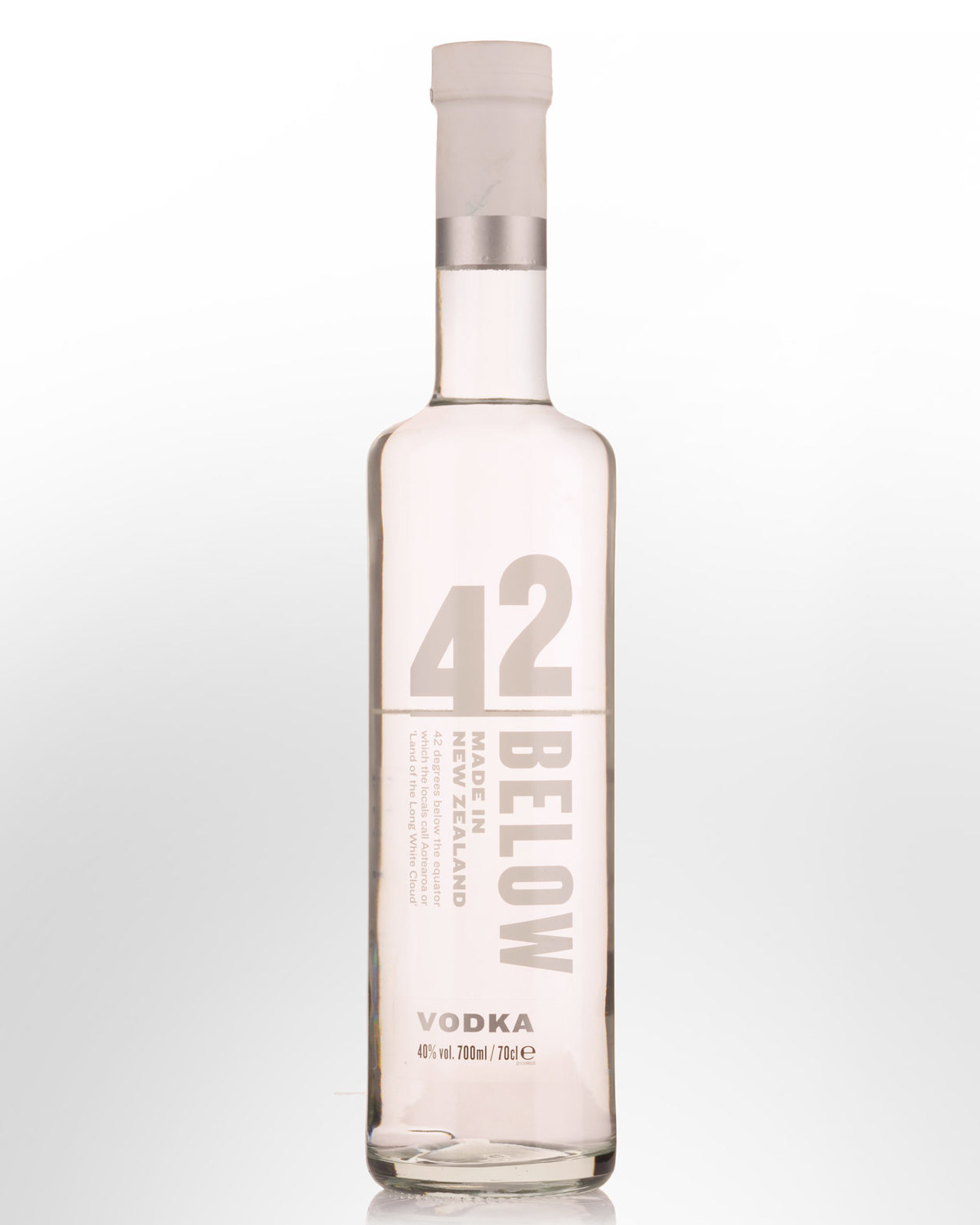
96 points - whiskyadvocate.com, reviewed by: Jonny McCormick (Spring 2018)![1009728_1.jpg]() 42 Below Vodka (700ml)Auckland, NEW ZEALAND$63. 99Bottle$767.88 DozenABV: 40%
42 Below Vodka (700ml)Auckland, NEW ZEALAND$63. 99Bottle$767.88 DozenABV: 40%A New Zealand spirit which began as a hobby conceived in a garage on a few misspent weekends, 42 BELOW was the brainchild of an ex-advertising man who sought to harness New Zealand’s global reputation for cleanliness and freshness, and encapsulate this in a vodka with the same qualities.
Made in the Scandinavian style, 42 Below is distilled for purity rather than over powering flavour. However, there is still the weight associated with Slavic spirits, but without the polarising heat. The raw material is wheat from the Canterbury Plains, which is then distilled twice, before being ‘washed’ with spring water, achieving a saturation level that brings a level of purity and freshness to the spirit. 42 BELOW is then distilled a third time, before being charged with charcoal to remove any last impurities and filtered ready for dilution with spring water. All vodkas, regardless of the quality attained in the distillation, will stand and fall on the water source, which contributes so much to the finished product. In this sense, 42 BELOW, like Grey Goose, is distinguished by a water source of astonishing quality. The vodka is diluted with water which springs from deep beneath the volcanic plateau in the centre of New Zealand’s North Island. This spring has been graded 'Aa' by W.H.O., the global body responsible for measuring water quality across the planet, signifying water of unparalleled cleanliness and purity.
Tasting note: Smells of wet cement or damp stones in the initial minutes before the aromas shift gears, offering toasty, ash-like, smoky scents of tobacco leaf, roasted cereals, pencil eraser and vegetable oil. Palate entry shows an oily texture and tastes of charcoal and mildly sweet grain; midpalate displays well-structured flavors of lead pencil, off-dry grain and licorice. Finishes full in the mouth, acceptably fiery and off-dry. Rating: 90-95 points. 42%Alc./Vol. - www.wineenthusiast.com
Other reviews... Clear. warm creme anglaise and anise cookie aromas and peppercorn aromas. A round entry leads to a creamy, sweetish medium-bodied palate with sweet creamy vanilla, dried orchard fruit, and mild spice flavors. Finishes with a fruity, pink peppercorn fade. A fruity, creamy vodka for tropical cocktails. 42% Alc./Vol. International Review of Spirits Award: Silver Medal
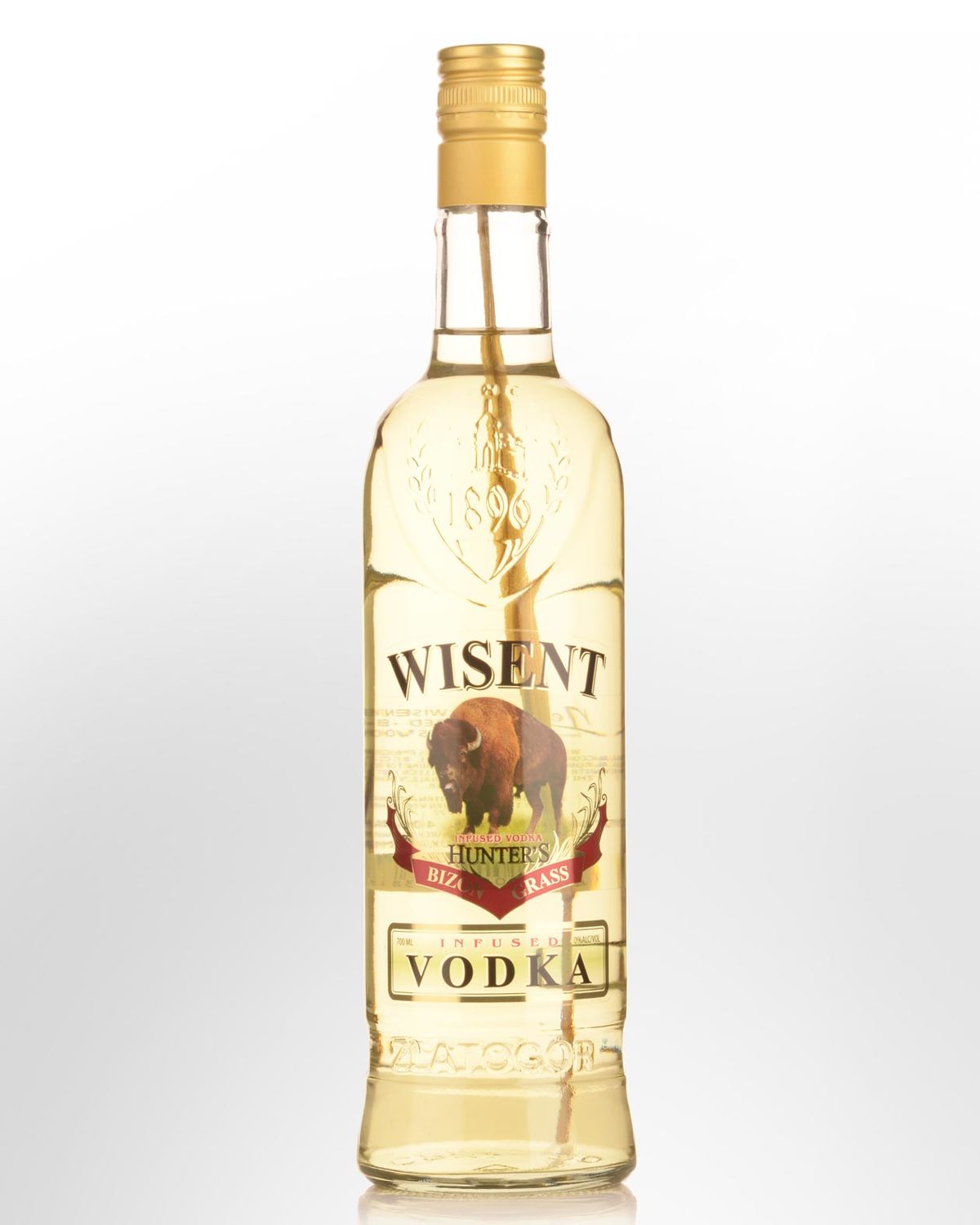
RATED: 87 points (Highly Recommended)- tasting note sourced from www.tastings.com![1008155_1.jpg]() Wisent Bison Brand Vodka (700ml)UKRAINE$60. 99Bottle$731.88 DozenABV: 40%
Wisent Bison Brand Vodka (700ml)UKRAINE$60. 99Bottle$731.88 DozenABV: 40%The only place in the world where the bison grass grows in the wild, in small clumps scattered all over the glades and meadows, is the Biaolowieka Forest, acknowledged to be the last primeval forest left in Europe and where there are thousands of European bison living free. The wild-growing grass must be harvested in good weather and at the proper time – early in the summer, when the grass has reached the proper height and colour but is still young and not yellowed. At that moment it is most aromatic. The grass is harvested by hand. Then it is allowed to dry naturally in the breeze and sunshine and is bound in bunches, cut to the required length and delivered to the distilleries. In the distillery the grass is spread on screens and vodka is made to flow through the grass several times to make an aromatic essence. During the next stage this bison grass extract is mixed with pure vodka until the right colour, aroma and taste are obtained, following the traditional recipe. The ready vodka is left for several days to stabilise and harmonise. Experienced technicians and tasters monitor every step of the process. Finally the vodka is filtered and the final product is bottled, with a blade of bison grass in every bottle for decoration.
Two species of creatures have a special liking for bison grass: bison and… hunters. The first look for it in the meadows of the Bialowieska Forest, where it is very abundant. The second look for it rather in the liquid form introduced long ago by the Baczewski Distillery. They say that it is a royal drink, worthy of a royal beast… For the bison – we are speaking here of the European bison – is indeed a regal creature, weighing a ton, three and a half metres long and two metres high at the shoulder. Its noble mane and long beard give it a majestic appearance. Once it was the object of monarchical protection.
A decree of King Zygmunt the Old imposed the death penalty on anyone who killed a bison without the king’s permission. It was believed that the bison’s horns, so dangerous to hunters, had the magical power to neutralise all kinds of poisons. Drinking cups were fashioned from them, often ornamented with silver and precious stones and used during hunters’ banquets. By the early twentieth century, excessive hunting, poaching, and the havoc of World War I had almost killed off the European bison. In 1919 the last one left in Poland’s Bialowieska Forest fell and in 1925 the last one in the Caucasus was killed. They were the last two left in the world. Fortunately some remained in zoos and private refuges. In the 1920’s, at the initiative of the Polish zoologist Kan Sztolcman, the International Society for Preservation of the European Bison was established. Today there are thousands of these animals living free in protected wilderness areas, thanks to decades of devoted work by conservationists. Wisent is best slightly chilled. It can be served straight up in shot glasses or mixed. Try it with apple juice. 40% alc./vol.
![34567897654_1.jpg]()
- 93
- 97
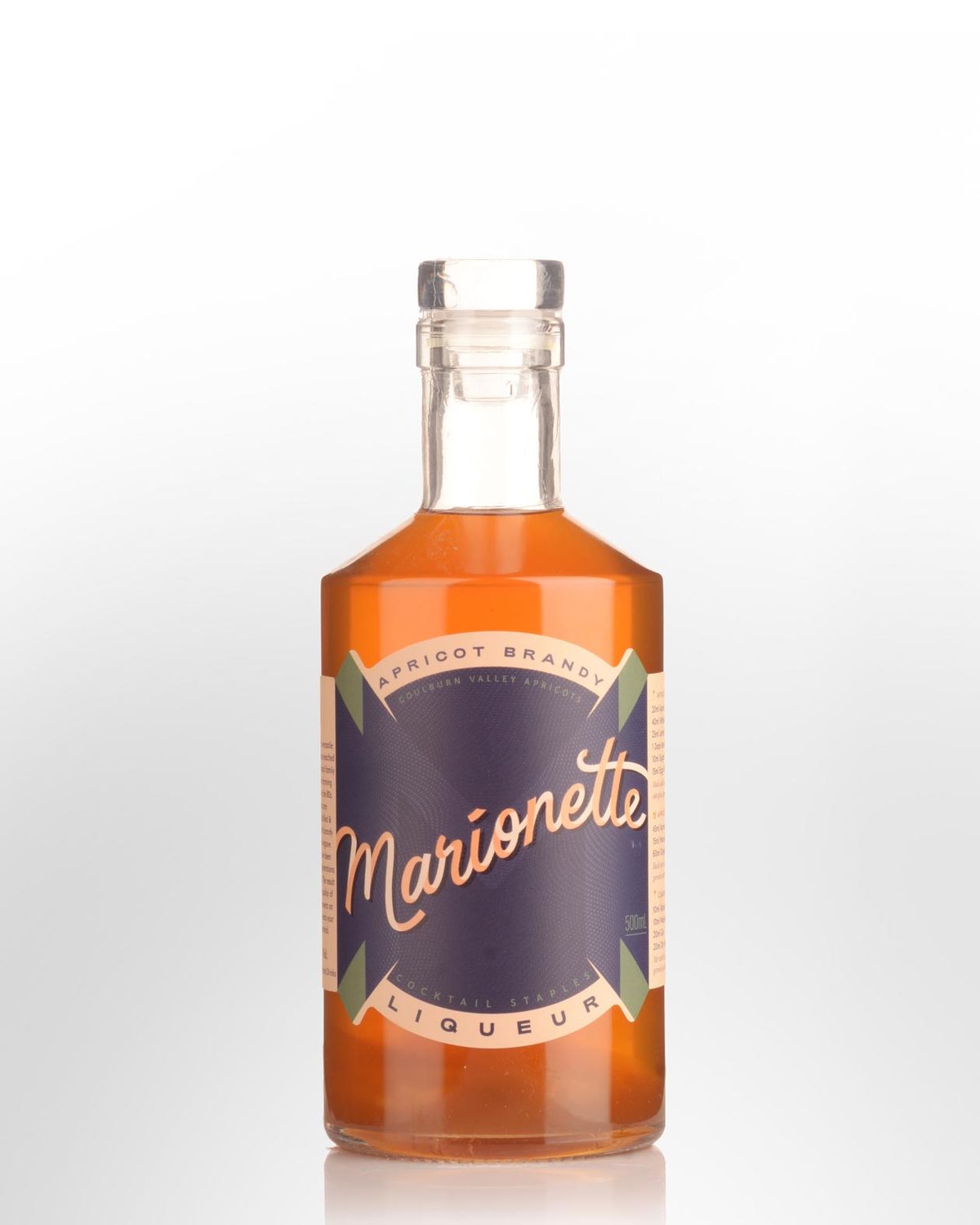
Marionette Apricot Brandy Liqueur (500ml)AUSTRALIA$64. 99Bottle$779.88 DozenABV: 25%In pursuit of this versatile staple, Marionette engaged the Matovani family who have been farming stone fruit for over 25 years. Apricots are macerated, distilled and barrel aged with brandy made by the Angove family in Renmark, South Australia. The liqueur pours slightly cloudy gold. The aroma presents an enticing medley of dried fruit notes, chiefly apricot, perfectly integrated with the brandy base. Judicious sweet-dry balance makes for a very natural and pure liqueur, rich and viscous in texture, finishing dry and fresh, the fleshy apricot flavours nicely captured. Impressive. Once opened, keep it chilled. 25% alc./Vol.
Other reviews... Products labelled “apricot brandy” are, in fact, mostly liqueurs, and Marionette’s version is no exception. But while most commercial versions are made on a base of cheap neutral grain spirit, this product is made from genuine South Australian grape brandy, steeped with Australian apricots, re-distilled and then barrel aged. This is apricot liqueur the hard way. Apricot liqueur is a fundamental cocktail ingredient utilised in the recipe of countless mixed drinks. These days, discerning Australian bartenders reach for Marionette’s version, with less sugar and more natural flavour than most imported options. The deeply perfumed aroma of apricots greets the nose here, velvety and inviting, without a hint of artificial flavour or aggressive sweetness. Excellent acidity on the palate shows restraint with sugar. Miles above the commercial stuff with a clean, crisp finish that’s anything but cloying. Why make a cocktail? I’d be happy swigging this right from the bottle. 97 points - Fred Siggins, James Halliday's Australian Wine Companion
![1028295_1.jpg]()
- 90
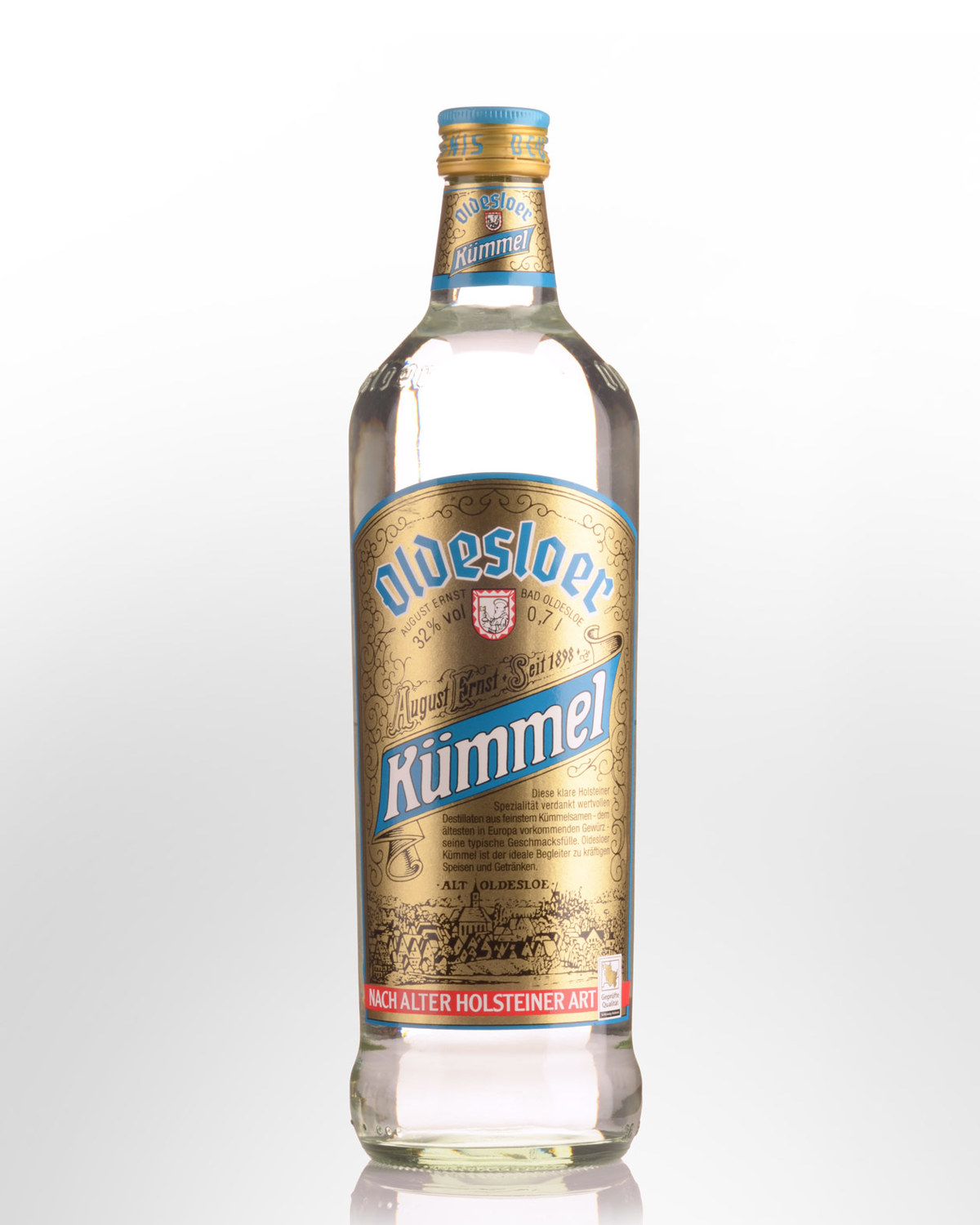
Oldesloe Kummel (700ml)GERMANY$59. 99Bottle$719.88 DozenABV: 32%Northern European countries have a dramatically different approach to food and drink when compared to their Southern European counterparts. Where the Italians, French and Spanish drink wine with a meal, the Germans, Danish and Dutch cultures call for spirits to accompany their cuisine.
Over time, regional specialities have developed, all subtle variations on a somewhat similar theme. That is usually grain or potato-based spirit flavoured with herbs and spices. Carraway, cumin, fennel and anise are popular ingredients and can be found in varying degrees in most examples of the style. In countries such as Denmark, Sweden and Norway spirits known as 'snaps' or Aquavit are common place on the dinner table. The German and Dutch speciality is Kummel, which like its counterparts is a spirit flavoured with caraway or cumin amongst many other spices and flavourings. Try it from the freezer with sauerkraut, herring or sausage.
Tasting note: Brilliant clarity. Medium fresh aromas of caraway, dark rye bread, fennel and liquorice root. A light bodied, super-soft delivery with a semi-sweet, delicate mid-palate burst of rye and caraway notes followed by a dryish finish. Very softly spoken. 32% Alc./Vol.
![Morris Rutherglen Classic Tawny (500ml)]()
- 94

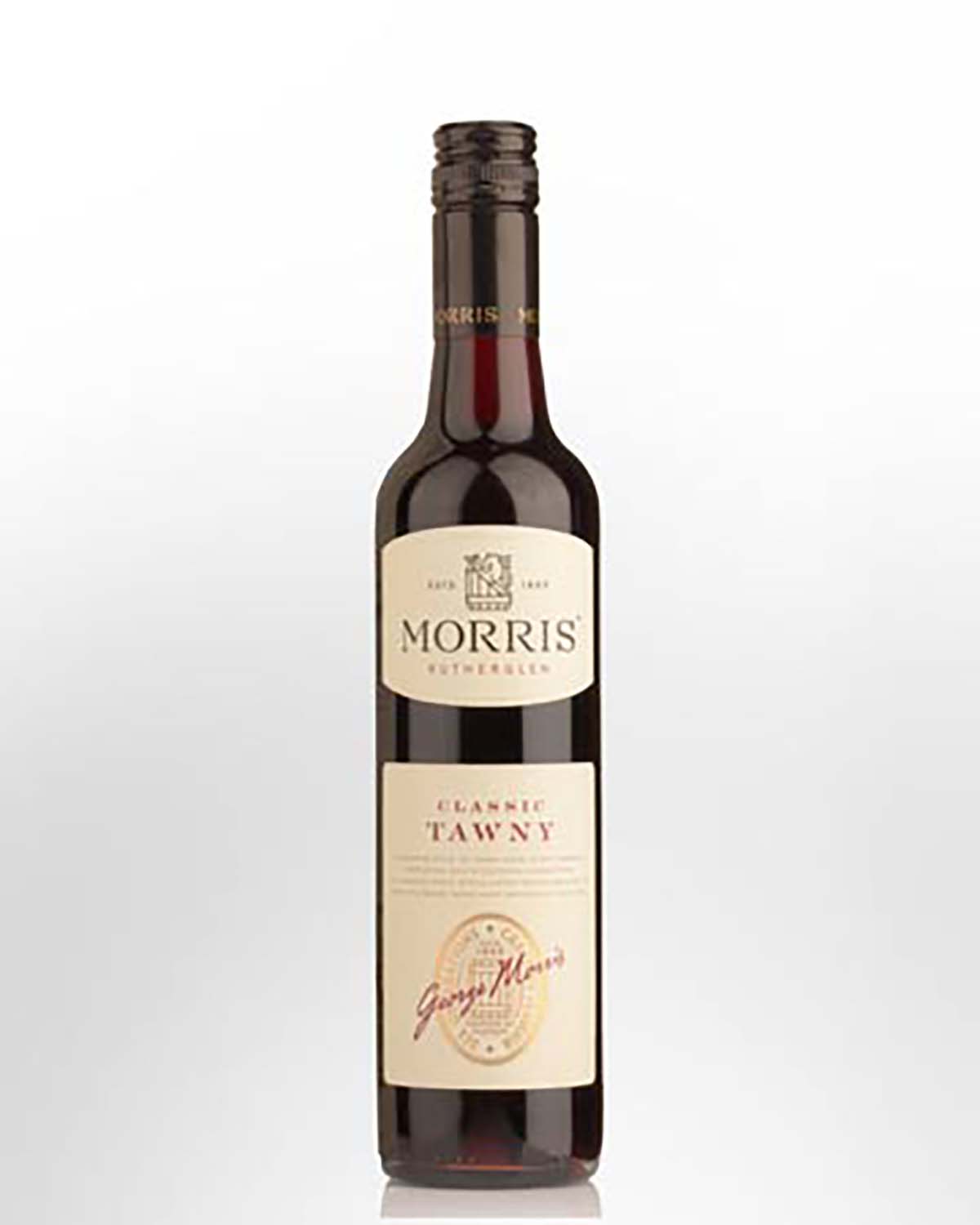
Morris Rutherglen Classic Tawny (500ml)Rutherglen, Victoria, AUSTRALIA$29. 99Bottle$359.88 DozenABV: 17.5%Closure: StelvinProduced from Shiraz, Grenache and Mataro grapes this is an excellent example of entry level Tawny. Dark red onion brown colour with an onion brown hue. The nose shows medium intensity with scents of Christmas cake and honeyed walnuts over marzipan and light well integrated brandy spirit notes. Initial raisin and honey flavours meld into some marzipan and nutty brandy spirit. Dry nutty finish with the nuttiness following through to the aftertaste of walnuts, honey raisins and marzipan.
Alc 17.5%![1028521_1.jpg]()
- 91
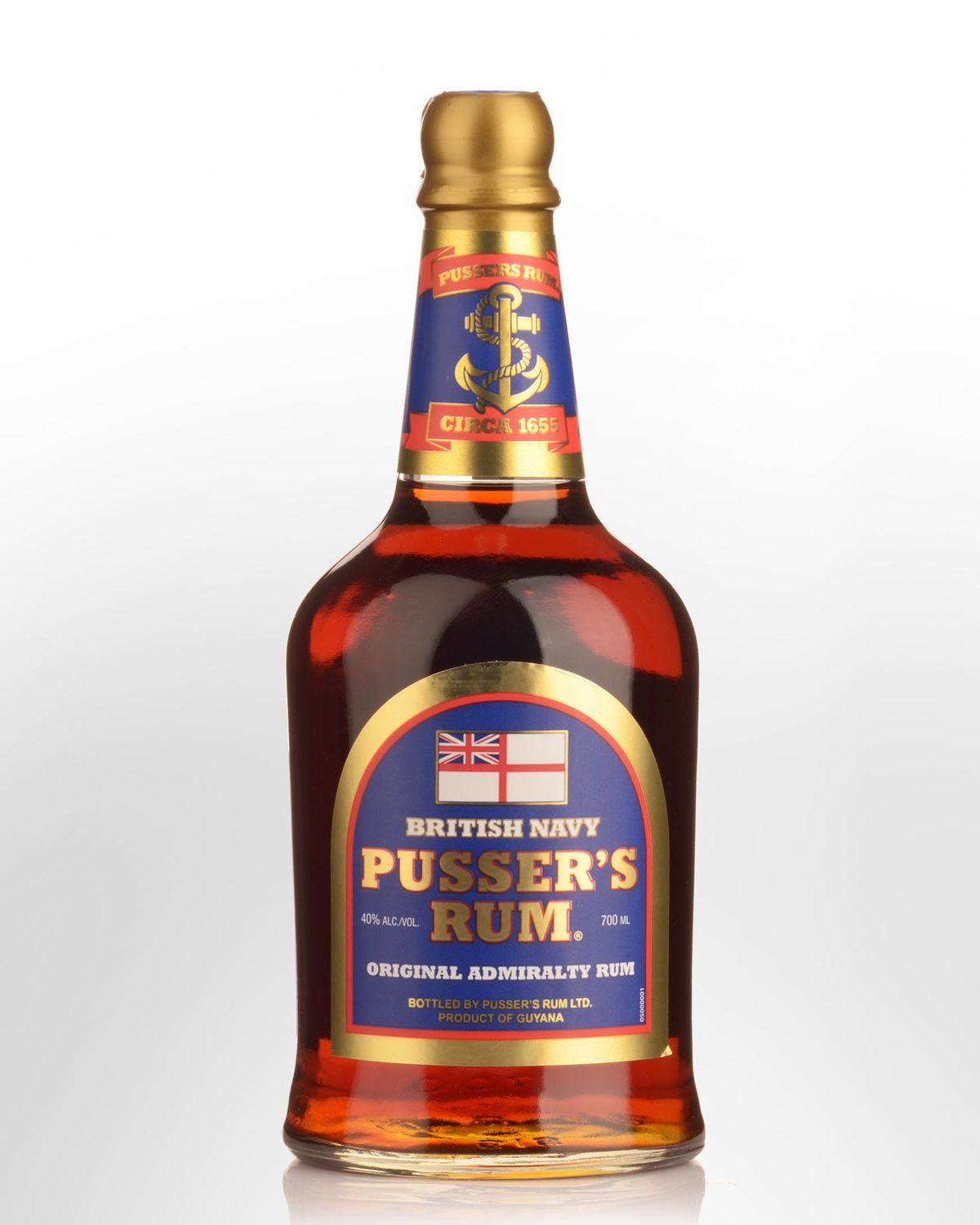
British Navy Pussers Navy Rum (700ml)GUYANA$89. 99Bottle$1079.88 DozenABV: 40%Rum and the sea are inseparable, and no rum is more akin to the sea and the seaman than is British Navy Pusser’s Rum. For more than 300 years, sailors of Great Britain’s Royal Navy were issued a daily ration of rum by the Purser (corrupted to 'Pusser' by the Jack Tars). From 1655 until the traditions termination on August 1st 1970, 'Pusser’s Rum' was one of the few daily comforts afforded those early seamen of Britain's Navy as they fought across the globe to keep the Empire intact and its sea lanes open. British Navy Pusser’s Rum is the same blend of six West Indian rums as discovered during the Navy’s expeditions and served on board Their Majesties’ ships for three centuries. Today, it is still blended in accordance with the Admiralty’s exacting specifications of 1810. Pusser’s Rum was never sold or offered to the public, and if a rum connoisseur managed to acquire a tot or two, he saved it for a very special occasion.
British Navy Pusser’s Rum is expertly blended from some of the world's finest Caribbean rums. Amongst x-seamen, the consensus is that Pusser's is about as close to the authentic British Royal Navy Rum as one can obtain. Spirit connoisseurs claim Pusser's to be more like a fine brandy than a rum, with a full, rich flavour and a rare smoothness - a true sailor's delight! This is essentially a sipping rum, however its unmistakably full, rich flavour will shine through anything you care to mix it with.
Tasting note: [42% Alc./Vol batch tasted] Deep gold / copper colour with a gold hue. The nose is restrained at first offering woody, resinous scents, but is worth spending some time with to cajole out the complex aromas of liquorice all sorts, brown sugar, citrus zest and pine nuts. The rich, spicy palate offers flavours of clove, vanilla bean, juicy raisins, honey and nutmeg. Pure, smooth and gently warming. Long aftertaste of honeycomb, toffee and liquorice all sorts with a subtle, drying cocoa fade. A well poised dark rum - full flavoured without becoming over-sweet or fat.
Other reviews... Deep amber color. Rubber sap, marinated vinegar, caramel taffy, ad brown spice aromas. A round entry leads to a glycerous off-dry medium-to full bodied palate with sherried brown spices, mineral spirits, roasted Brazil nuts, cedar, and toffee. Finishes with a touch of shellac, exotic peppercorn, and very spicy heat. A very hearty, traditional navy rum.
86 points (Highly Recommended) - -tastings.com![1027671_1.jpg]()
- 90
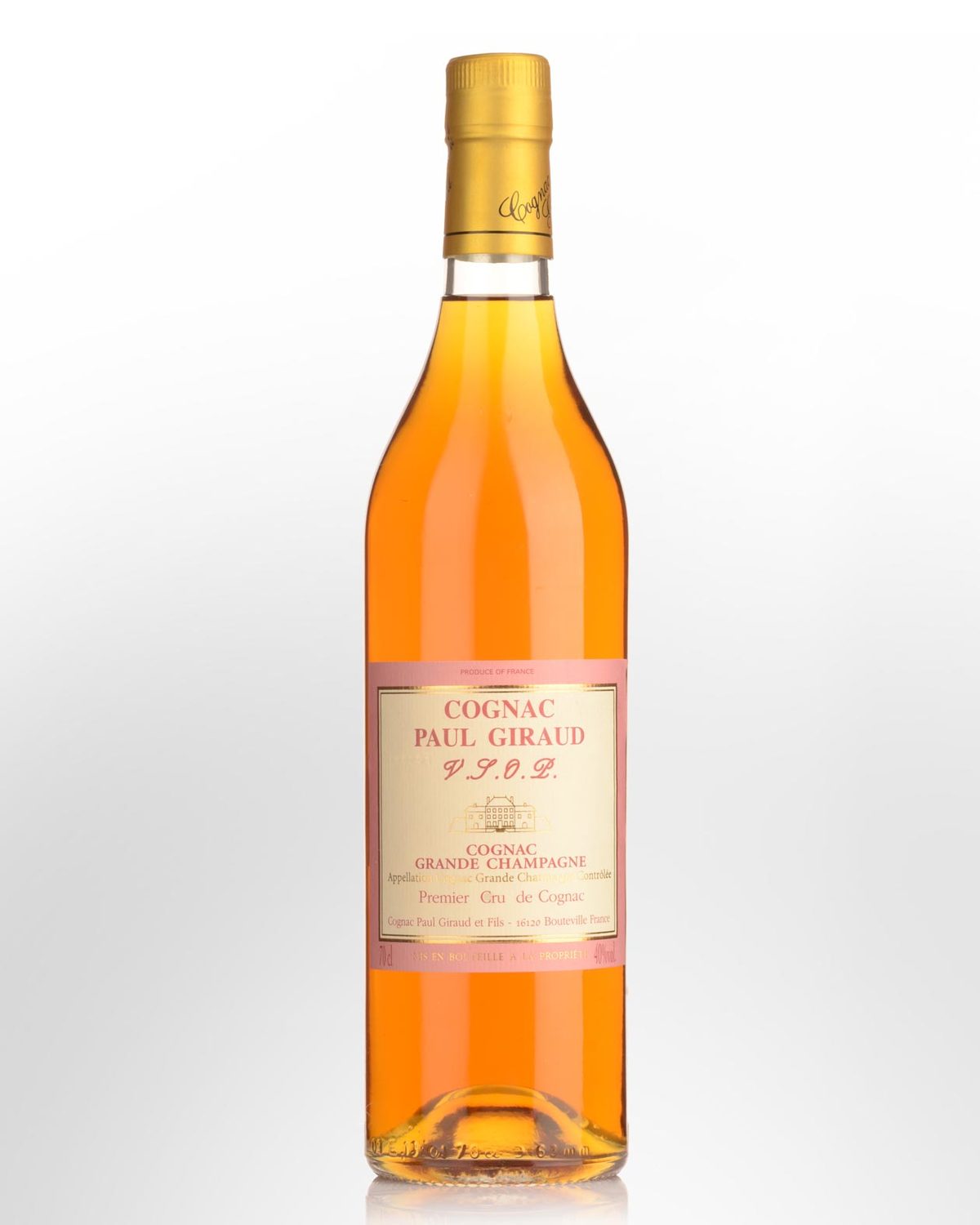
Paul Giraud VSOP Cognac (700ml)Cognac, FRANCE$149. 99Bottle$1799.88 DozenABV: 40%The Giraud family have been growing grapes around France since 1650, yet only decided to produce Cognac under their own name in the 1980s. A long time associate of Giraud informed us "Giraud became frustrated selling his thirty-five year old cognacs to Remy-Martin. His cognac was destined to become a part of the blend, Louis XV [currently selling for around A$2000.] This was a very brave move during such times - he was one of the first to do so, but we are thankful he did, he paved the way for many more to come."
The VSOP is an eight year old expression produced from Ugni Blanc, Folle Blance and Colombard grapes grown on the Giraud family's vineyards located in the heart of Grande Champagne.Tasting note: Pale gold with pale straw hue. Ripe, lifted stone fruit aromas, in particular apricot and pear over some heavier dried fig scents with a touch of anise emerging. The light to medium bodied palate offers soft, semi sweet flavours of dried fruits with a touch of honey before turning dry. Very soft, smooth and gently warming mouthfeel. Peppery, spicy, cedary oak aftertaste with a subtle dried fig fade. A good lighter style. 40% Alc./Vol.
Other reviews...soft aromas of clay, white grapes, and banana; aeration fails to further develop the bouquet, which is disappointing. Palate entry is medium-bodied, satiny and properly toffee-like; midpalate tastes include oak, sawdust, white raisins, figs and almonds. Ends well with good fruit-acid balance and elegance. 85-89 points. Very Good/Recommended - www.wineenthusiast.comsize>
![15648441111_1.jpg]()
- 90
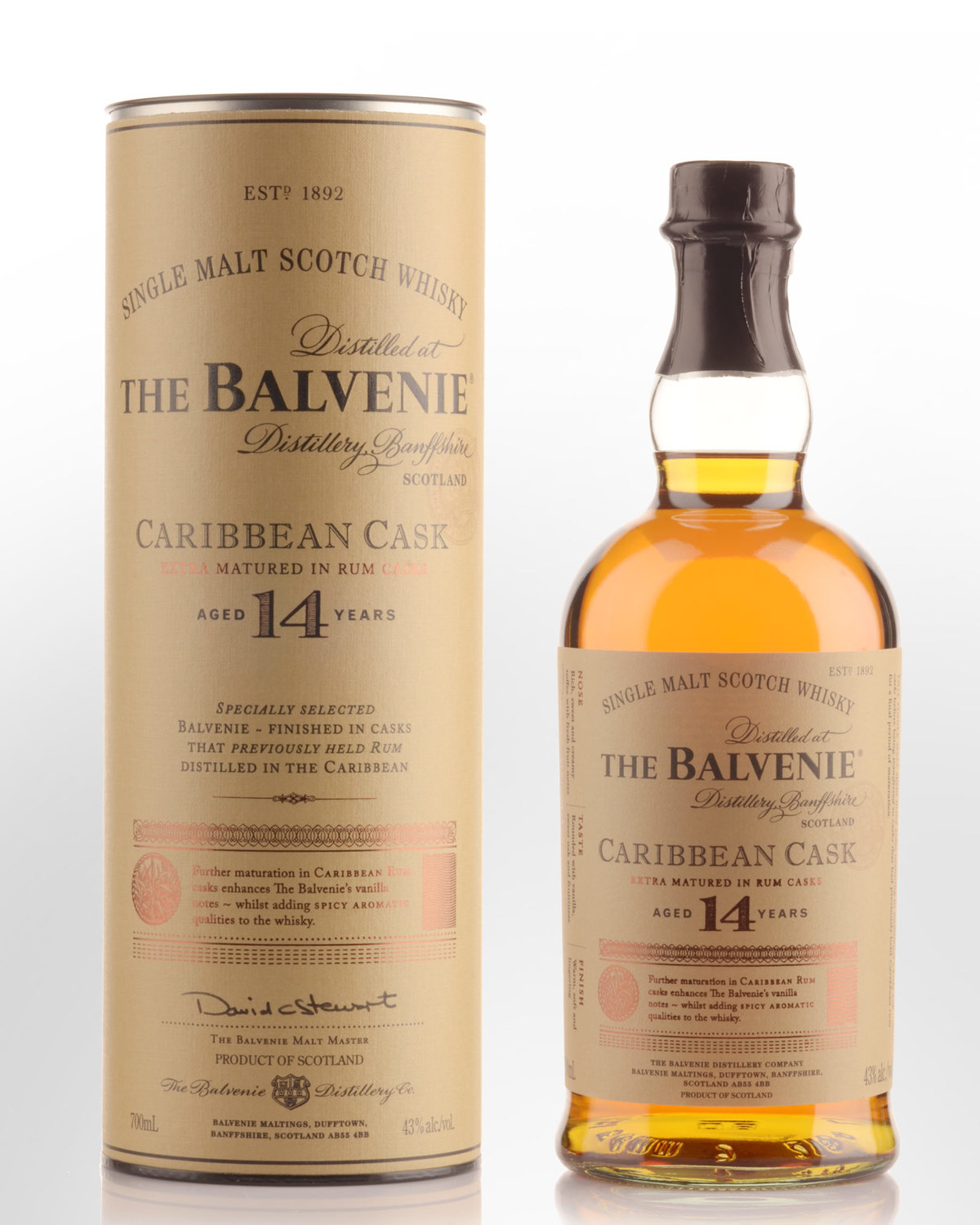
Balvenie Caribbean Cask 14 Year Old Single Malt Scotch Whisky (700ml)Speyside, Highlands, SCOTLAND$154. 99Bottle$1859.88 DozenABV: 43%A new Balvenie, matured for 14 years in traditional oak casks before being transferred to Caribbean rum casks. A match made in heaven for some! Tasting note: Deep amber gold. Soft, plush aromas of toasted marshmallow followed by vanilla custard tart, toasted cereals and clove, echoe in a light to medium bodied, vanilla-malt profile with hints of dried fig, rum-like sugars and delicate toasted cereals towards the finish. Perfectly balanced with featherweight spices adding vibrancy. The lightness of the Balvenie spirit lends itself to wood finishes. This one works. 43% Alc./Vol.![7879990000_1.jpg]() Dr. Adam Elmegirab's Tea Pot Bitters (100ml)SCOTLAND$32. 99Bottle$395.88 DozenABV: 38%It seems a straight fruit or botanical form of bitters would be all too simple for Adam Elmegirab!
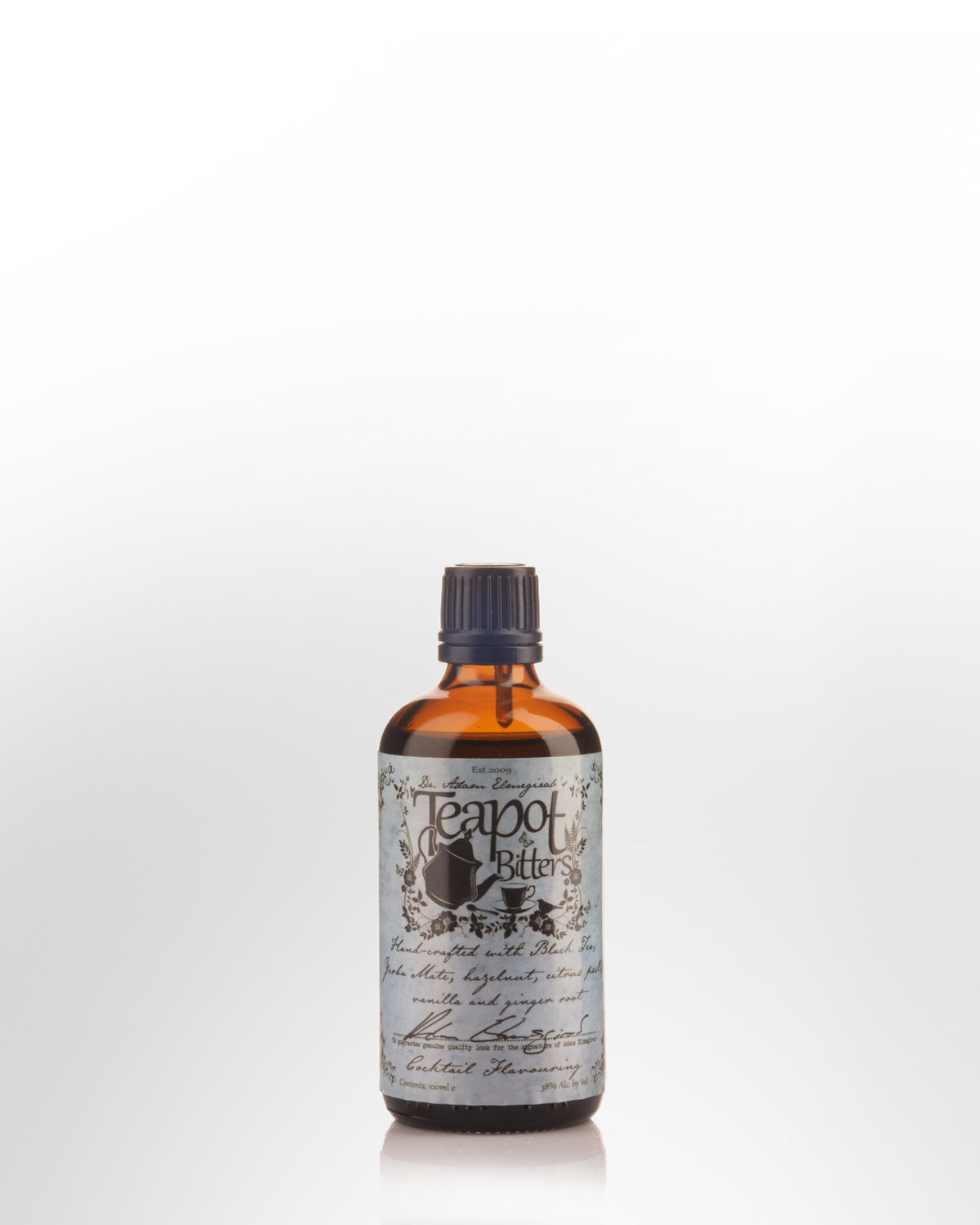
Dr. Adam Elmegirab's Tea Pot Bitters (100ml)SCOTLAND$32. 99Bottle$395.88 DozenABV: 38%It seems a straight fruit or botanical form of bitters would be all too simple for Adam Elmegirab!
Originally formulated in January 2012, Teapot Bitters is another unique, hand-crafted cocktail ingredient from Dr. Adam Elmegirab's fascinating flavour laboratories, inspired by the combined medicinal history of tea and bitters. Ancient tea and spice routes both shaped historic civilisations and their impact can still be felt today in Tea Rooms around the world, with beverages such as Masala Chai, spiced milk tea, being sought after globally as well as providing a major influence to this bottling. Other ingredients include Black Tea, Yerba Mate, hazelnut, citrus peel, vanilla and ginger root. 38% Alc./Vol. No tasting notes available.![1028626_1.jpg]() Tia Maria Liqueur (700ml)UNITED KINGDOM$46. 99Bottle$563.88 DozenABV: 20%Tia Maria is one of the world’s biggest selling coffee liqueurs. With its spirit backbone of 20%, almost perfumed coffee bean aromas and sweet Mocha flavours Tia Maria makes a superb mixing liqueur. Try Tia Maria“After Dark”: a long cool, exhilarating mix of Tia Maria, cola and ice. Or enjoy a simple indulgence with Tia Maria over ice.
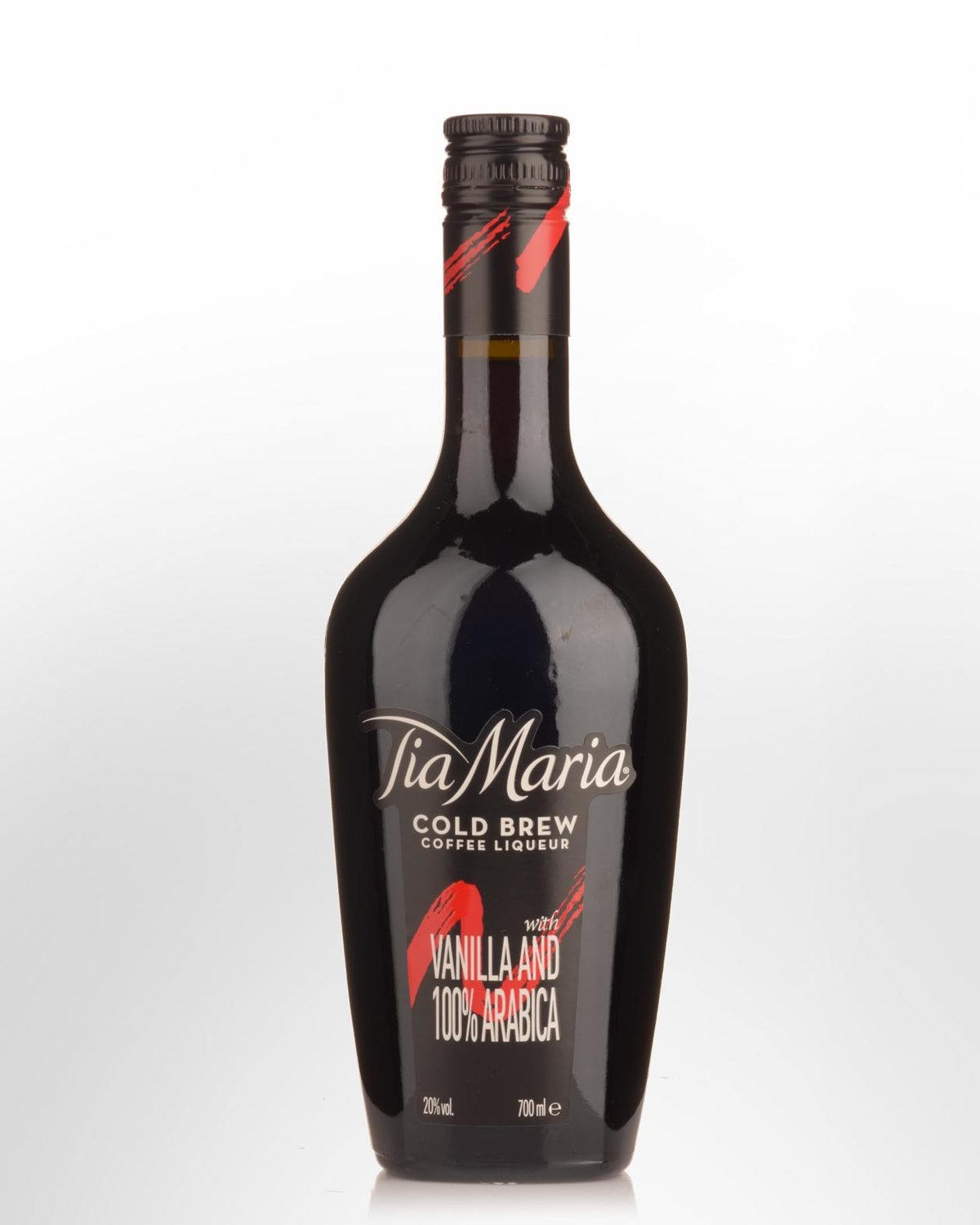
Tia Maria Liqueur (700ml)UNITED KINGDOM$46. 99Bottle$563.88 DozenABV: 20%Tia Maria is one of the world’s biggest selling coffee liqueurs. With its spirit backbone of 20%, almost perfumed coffee bean aromas and sweet Mocha flavours Tia Maria makes a superb mixing liqueur. Try Tia Maria“After Dark”: a long cool, exhilarating mix of Tia Maria, cola and ice. Or enjoy a simple indulgence with Tia Maria over ice.Other reviews... Mahogany hue. Coffee grounds nose. A thick entry leads to a somewhat sweet and syrupy, full -bodied palate with true, next-day-Colombian-coffee flavor and well integrated fresh cane sugar. Finishes cleanly with a good interplay of bitter coffee flavor and caney sweetness.
86 points (Highly Recommended) - tastings.com![Tequila Ocho 100% Agave Reposado Tequila (750ml)]()
- 93
- 90
- Batch may vary
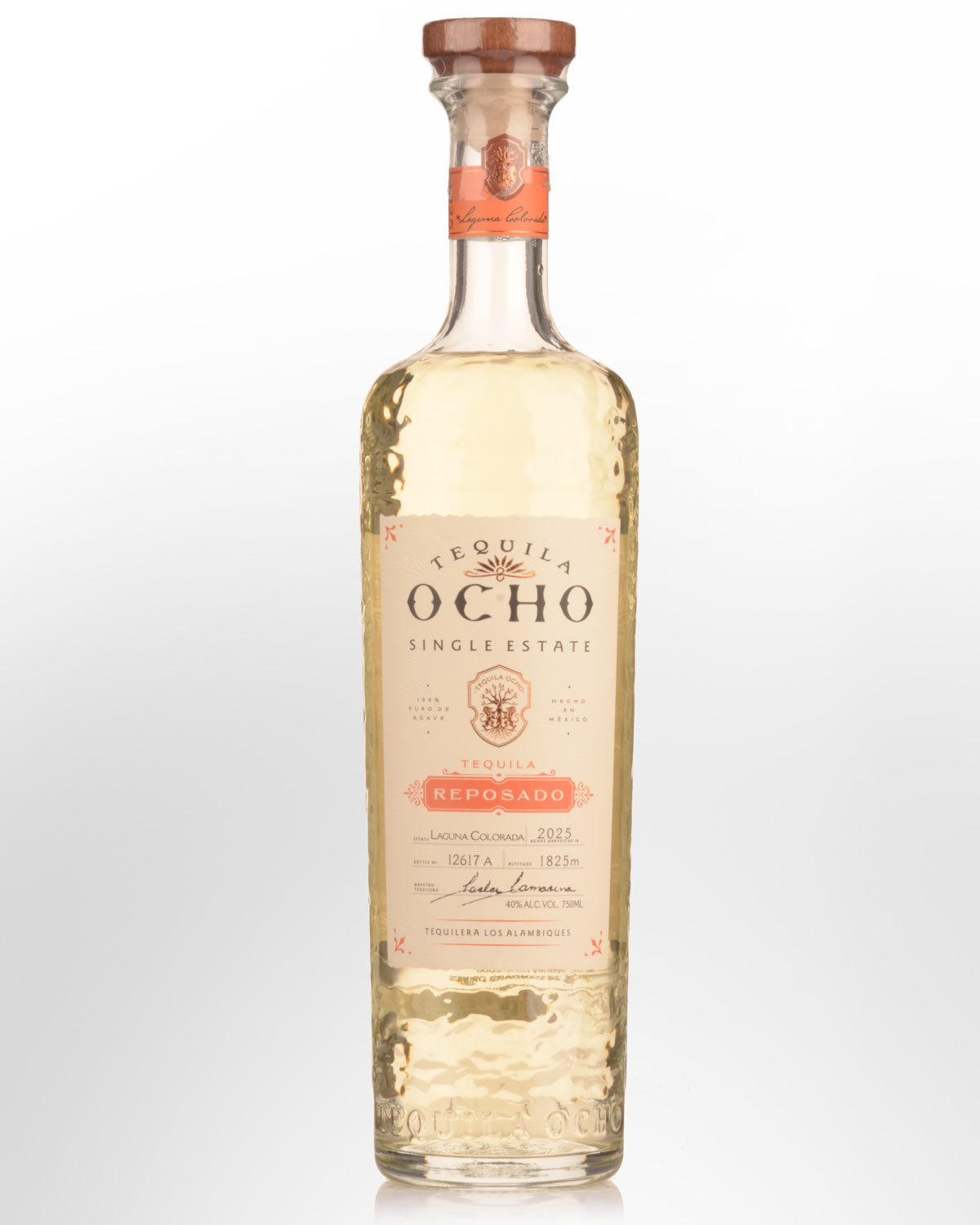
Tequila Ocho 100% Agave Reposado Tequila (750ml)Jalisco, MEXICO$139. 99Bottle$1679.88 DozenABV: 40%Note: These are single estate bottlings. Label details may vary from batch to batch. [La Latilla Estate tasted] Clear pale straw, almost waterlike. 3-4 minutes of air contact builds the bouquet to moderate aromas of balsa wood, pineapple husk, brine and herbal, tarragon / thyme-like scents. Smooth and salty delivery with mildly fruity, waxy, briny flavours and a warming, vibrant, white pepper and sappy agave finish showing impressive length. A versatile and well-balanced reposado that retains good agave freshness. 40% Alc./Vol.
Other reviews... Light straw color. Aromas and flavors of black pepper, petrichor, lime salt, and hatch peppers with Chihuahua cheese with a velvety, crisp, dry medium body and a tingling, interesting, medium-length finish that shows accents of roasted poblano, black pepper on manchego, marzipan, and masa. A beautifully agave-forward Reposado with just a whisper of vanilla and a pleasing balance and integration of baking spices. 92 points - tastings.com
...The aroma on this single-estate Tequila is reminiscent of a very lightly peated whiskey, mingling smoke and pepper with a light caramel note. The flavors tend toward custard and agave sweetness, spiked with pepper and mint. Earthy, smoky and peppery notes accelerate on the long finish. Light, silky feel. 90 points - winenethusiast.com
![1022713_1.jpg]()
- 91
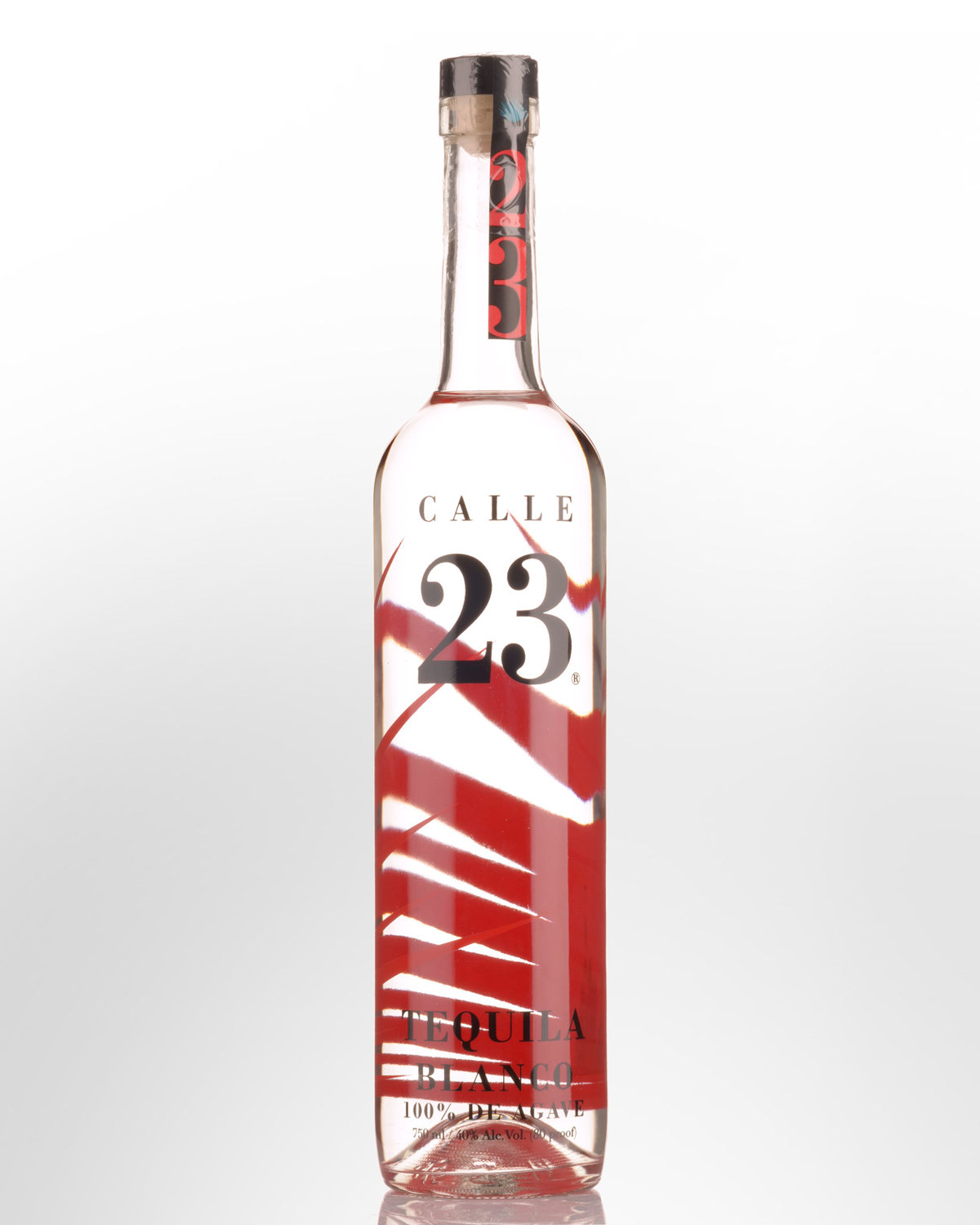
Calle 23 Blanco 100% Agave Tequila (700ml)Jalisco, MEXICO$109. 99Bottle$1319.88 DozenABV: 40%Closure: CorkCalle 23 is the brainchild of French Bio-chemist Sophie Decobecq. Her expertise in her studied field has lead her to experiment with various yeast strains, in turn creating a range of distinguishable tequilas. Agave is grown and produced in Zapotlanejo, the highlands of Jalisco where they are slowly cooked in stainless steel autoclaves for a period 7 hours. The cooked agave is then distilled in stainless steel pot stills to approximately 54%. Reposado and Anejo styles are aged for 8 and 16 months respectively in Jack Daniels and Heaven Hill ex-bourbon casks until being bottled with distillery well water. The blanco presents a clear slightly glycerous appearance. Complexity unfolds with time in the glass; black pepper, fresh lime, salt and herbaceous / fresh horseradish like notes are wrapped in a soft, smokey blanket. In the mouth, a mild peppery attack leads into medium dry, intensely herbal, sappy, pine-like flavours that quickly dry out. Gently warming spirit. Excellent balance. Persistent, clean, dry, cut crass and white pepper aftertaste. A distinctively green, gently peppery blanco. 40% Alc./Vol.
Other reviews... Aromas of dried fruits, roasted peppers and root vegetables, and delicate spices. Soft and silky with a dry-yet-fruity light-to-medium body. Cinnamon bark, citrus zest, minerals, straw, and chili peppers twinkle on the long, warming finish. Nice vibrancy.
International Review of Spirits Award: Silver Medal, 89 points (Highly Recommended) - tastings.com![6639326_1.jpg]()
- 98
- 99
- 100
- Not gift boxed
2013 Penfolds GrangeSouth Australia, AUSTRALIA$999. 00Bottle$11988.00 DozenCellar: 10 - 20 Years (2027-2037)ABV: 14.5%Closure: CorkThe 2013 Penfolds Grange is a blend of 96% Shiraz and 4% Cabernet Sauvignon with maturation taking place in new American oak hogsheads for 20 months. Amazing colour saturation, its core a totally impenetrable inky black with an equally deep dark red black hue. Alluring and powerful, heady scents of liquorice, dark chocolate, ripe blackberries and dark plum waft out the glass overlaid by vanillin oak, mocha, a faint whiff of boot leather and spice. Magnificently rich and concentrated, lush black fruit flavours including blackberries, liquorice, dark plums and dark chocolate run into a wall of rippling muscular tannins that imparts some firmness to the finish. Nuances of mocha, vanillin oak, earth and spice add further intrigue. Very long and persistent aftertaste of liquorice, ripe blackberries, dark plum, dark chocolate, earthy vanillin oak and spicy mocha. A powerful, brawny Grange that requires at least a decade of cellaring.
Cellar 10-20 years.
Alc. 14.5%Other Reviews…
Remember that old Heinz Ketchup “anticipation” ad from the 1970s? The palate of this 2013 Grange does just that. It makes you wait with so much delicious promise being drip fed into the mouth at first—and then it bursts forth and delivers!
This vintage is a blend of 96% Shiraz and 4% Cabernet Sauvignon, coming from the Barossa Valley, McLaren Vale, Coonawarra and Magill Estate. Very deep inky purple-black colored, the 2013 Grange has a profoundly scented nose of crème de cassis, preserved black plums, blueberry pie and licorice over nuances of baker’s chocolate, smoky bacon and fragrant earth, plus exotic spice wafts of cumin seed, cardamom, fenugreek and star anise. Unfurling and slowly building in the medium to full-bodied mouth with wonderful grace and depth, it reveals an incredible array of ripe black fruit, spice, meat and earth-inspired flavors, with a rock-solid frame to support this beauty (it should easily cellar for 40+ years!), while previously latent flavors emerge fully on the epically long finish, culminating in that ultimate Grange experience. Oh, yes. Drink 2024-2057.
100 points
Lisa Perrotti-Brown – Robert Parker’s The Wine Advocate96% shiraz, 4% cabernet sauvignon from the Barossa Valley, McLaren Vale, Coonawarra and Magill Estate, matured for 20 months in new American hogsheads. Gloriously, splendiferously complex. There are so many layers of flavour it's labyrinthine, yet you never lose the thread, the path, of the wine. Austerity is not a term often used with Grange, but it's here, and to the benefit of the wine. Drink by 2053.
99 points
James Halliday – Australian Wine Companion![1022426_1.jpg]() Dr. Adam Elmegirab's Boker's Bitters (100ml)UNITED KINGDOM$29. 99Bottle$359.88 DozenABV: 31.5%Closure: Cork
Dr. Adam Elmegirab's Boker's Bitters (100ml)UNITED KINGDOM$29. 99Bottle$359.88 DozenABV: 31.5%Closure: CorkFounded by John G. Boker in 1828, Boker’s Bitters gained popularity in New York and around the World as the finest bitters of the Golden Age of mixed drinks (1860-1920). Boker’s Bitters were famously the preferred brand of Professor Jerry Thomas and featured throughout his book, ‘How to Mix Drinks or The Bon Vivant’s Companion’, now recognised as the World’s first bartender’s guide. Despite being unequalled when used in the refined drinks of the bar, the devastating effect of Prohibition closed the Boker’s company in the 1920s.
What initially started as a quest for knowlege has today resulted into a re-emergence of Bokers Bitters by Adam Elmegirab of the Evo-Lution consultancy, with seemingly successful results. This rendition comprises of seven botanicals including orange peel, quassia bark, catechu, cardamom and mallow flowers.
Bartenders globally are once again utilizing Bokers in classics including the Japanese Cocktail, Martinez, Crusta and Improved Cocktail.Classic Cocktail: Auld Skool
37.5ml Cognac
12.5ml Triple Sec
12.5ml Dry sherry
Dash Dr Adam Elmegirab’s Boker’s BittersMethod: Add all ingredients to mixing glass, fill with cubed ice and stir for 15-20 seconds.
Garnish: Lemon twist
Glass: Brandy snifterClick here for Classic Cocktails.