Aperitifs
62 products
- 93
- Reduced
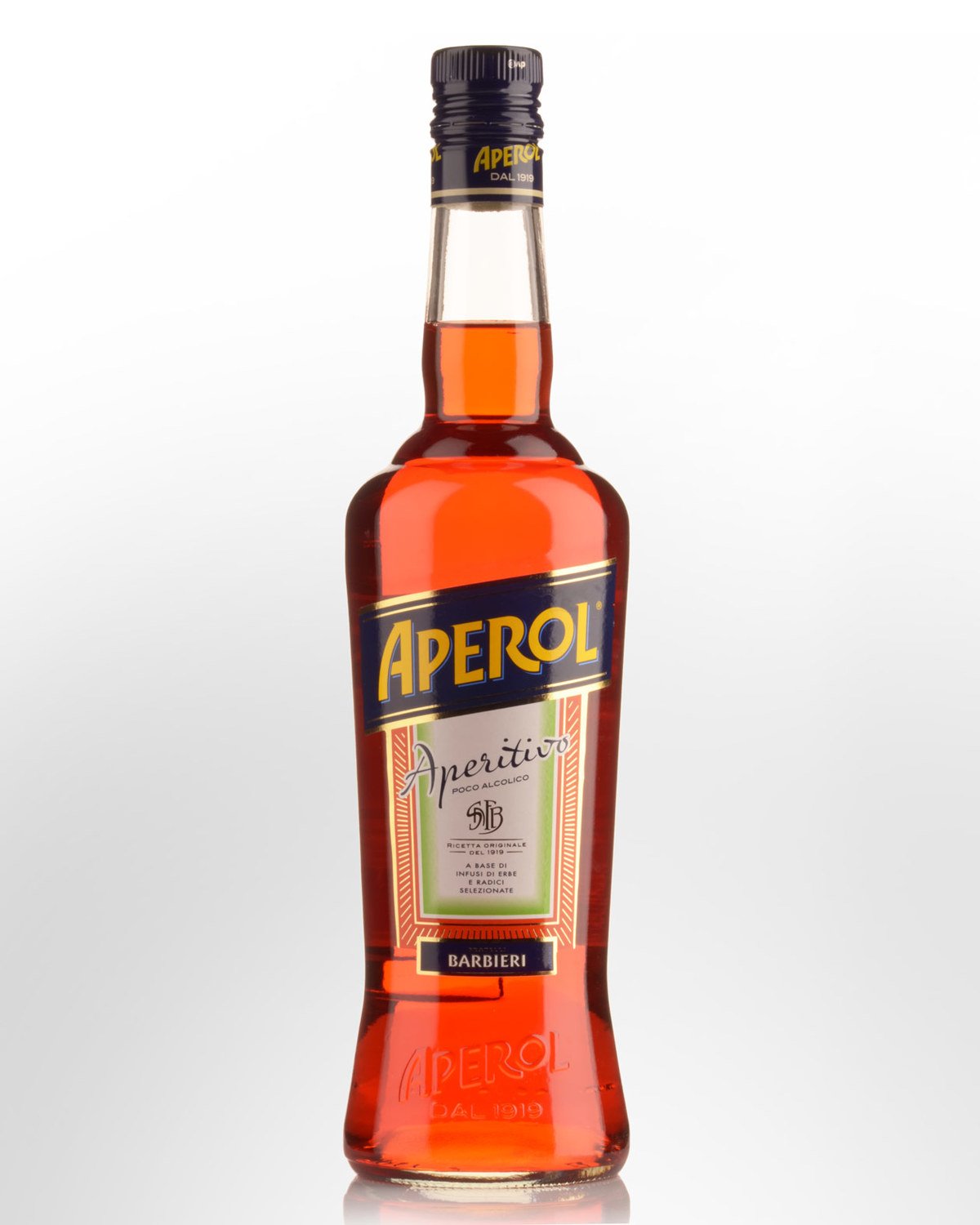
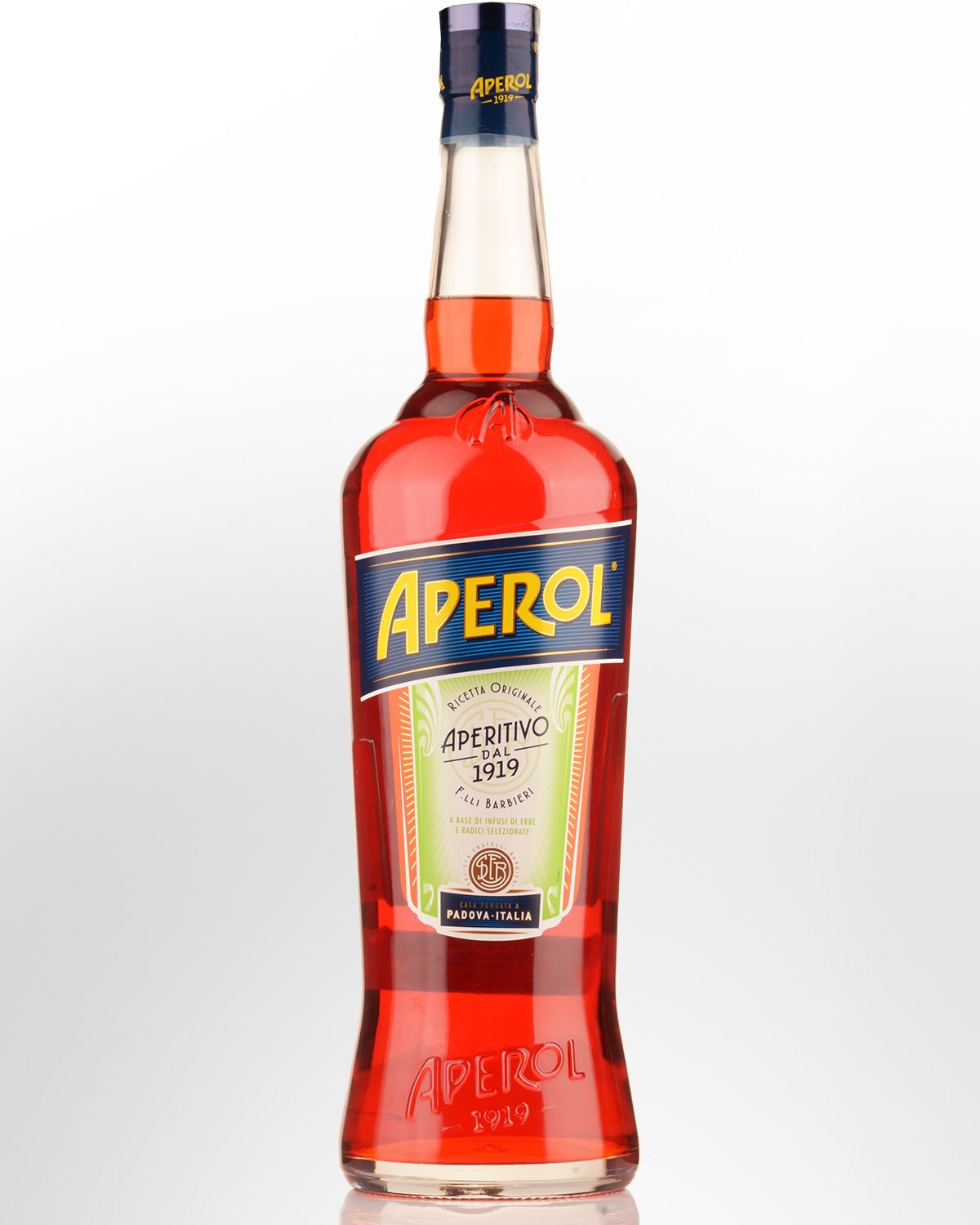
Aperol Aperitivo (700ml)ITALYReduced from$39.99$32.99$32.99Bottle$395.88DozenABV: 11%Closure: Screw CapReminiscent of Cointreau without the spirit backbone, Aperol is a refreshing apertif first made in 1919 by Barbieri - a small family owned company in Padua near Venice. Since then it has become Italy’s national pre-dinner drink where it claims nearly one quarter of the aperitif market. Produced using sixteen ingredients including gentian, orange essence, rhubarb and quinquennia (china bark), at only 11% abv, Aperol is light enough to enjoy again and again in many different ways. Use it as an alternative to Campari or Triple Sec. Serve it chilled on its own or long with soda, fruit juice, spirits or sparkling wine.
Other reviews... The Aperol Spritz is a perennial favorite cocktail — but I can’t say that I’ve ever actually drank much Aperol on its own. Until now! An aperitif that is often shelved alongside Campari (the same company now makes both), this liqueur’s most noteworthy ingredient (not including sugar) is bitter orange, though a host of other bitter roots are also used to give it its flavor. Lighter in color and much less bitter than Campari, the spirit is a bittersweet beauty. The up-front sweetness can be a little cloying, with a viscous body and spun sugar character that approaches cough syrup, but once that passes, its complexities take hold. Aperol offers gentle bitterness on the back end, with notes of chocolate and root beer leading to a pleasant, dessert-like finish. Not too lasting, the sweet and bitter eventually meld into a cohesive whole as the liqueur finally fades away. Aperol can be used as an alternative to Campari in almost any cocktail — particularly if you’re not looking for the bitter wallop to the senses that Campari provides. For even more fun, use it as an alternative to Grand Marnier, Cointreau, or any other triple sec and see what the slug of bitterness does to your favorite cocktail. - drinkhacker.com
...Sophisticated and delightful aromas of tangerine and rhubarb. The palate entry is delightfully citrusy and sweet; the midpalate phase offers just enough herbal bitterness to balance. Ends up refreshing, orangey sweet and delectably herbal. This deserves to become a popular pre-dinner quaff. 93 points - wineenthusiast.com
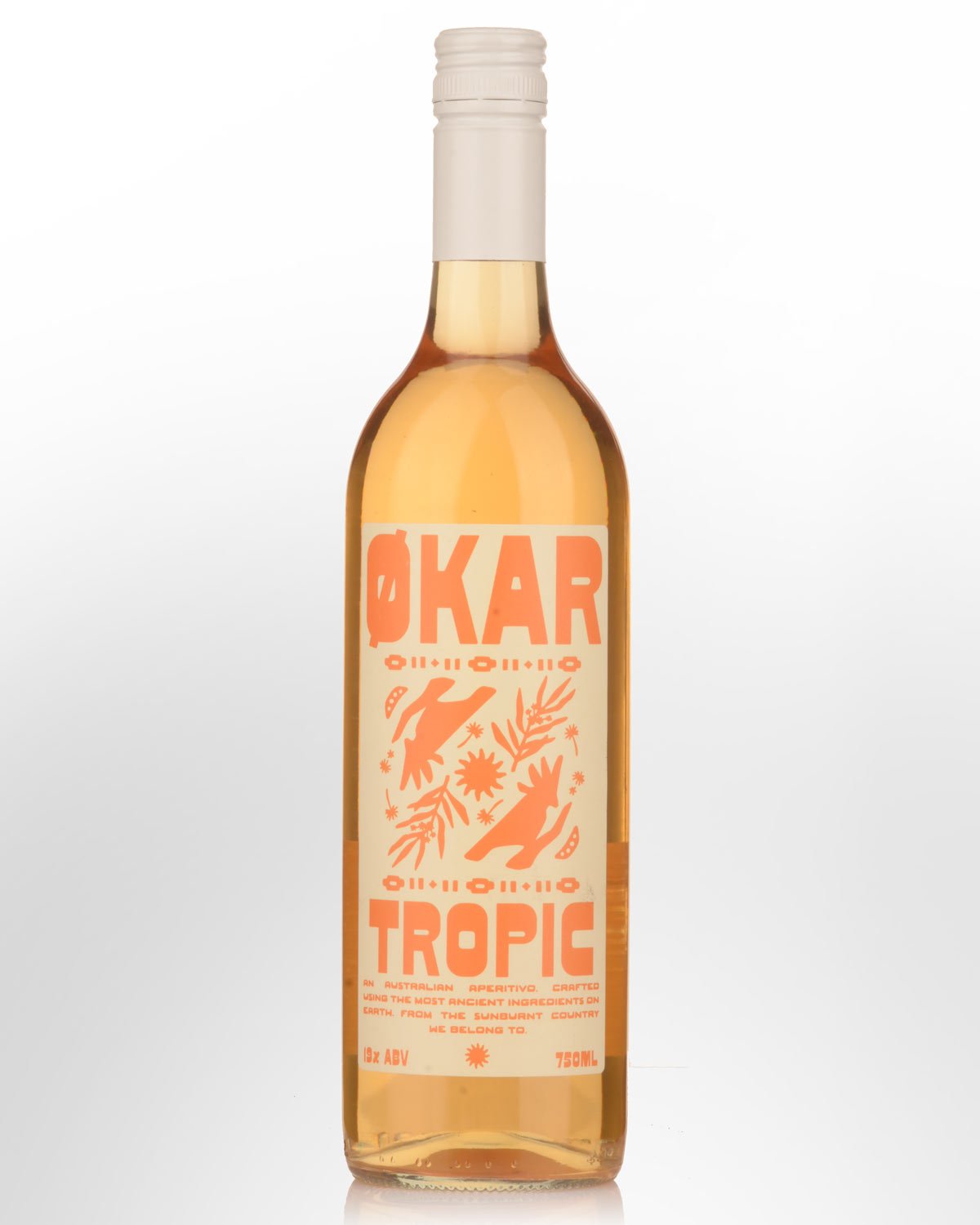
- Adelaide Hills, South Australia, AUSTRALIA$33.99$33.99Bottle$407.88DozenABV: 19%
A blend of Gewurztraminer and Moscato grapes fortified with the distillery's own spirits results in a tropical aperitif, aromatised with flavours of passionfruit, marigold, native tamarind, and bitter gentian. Works well mixed with soda, tonic, or Prosecco. 19% Alc./Vol.
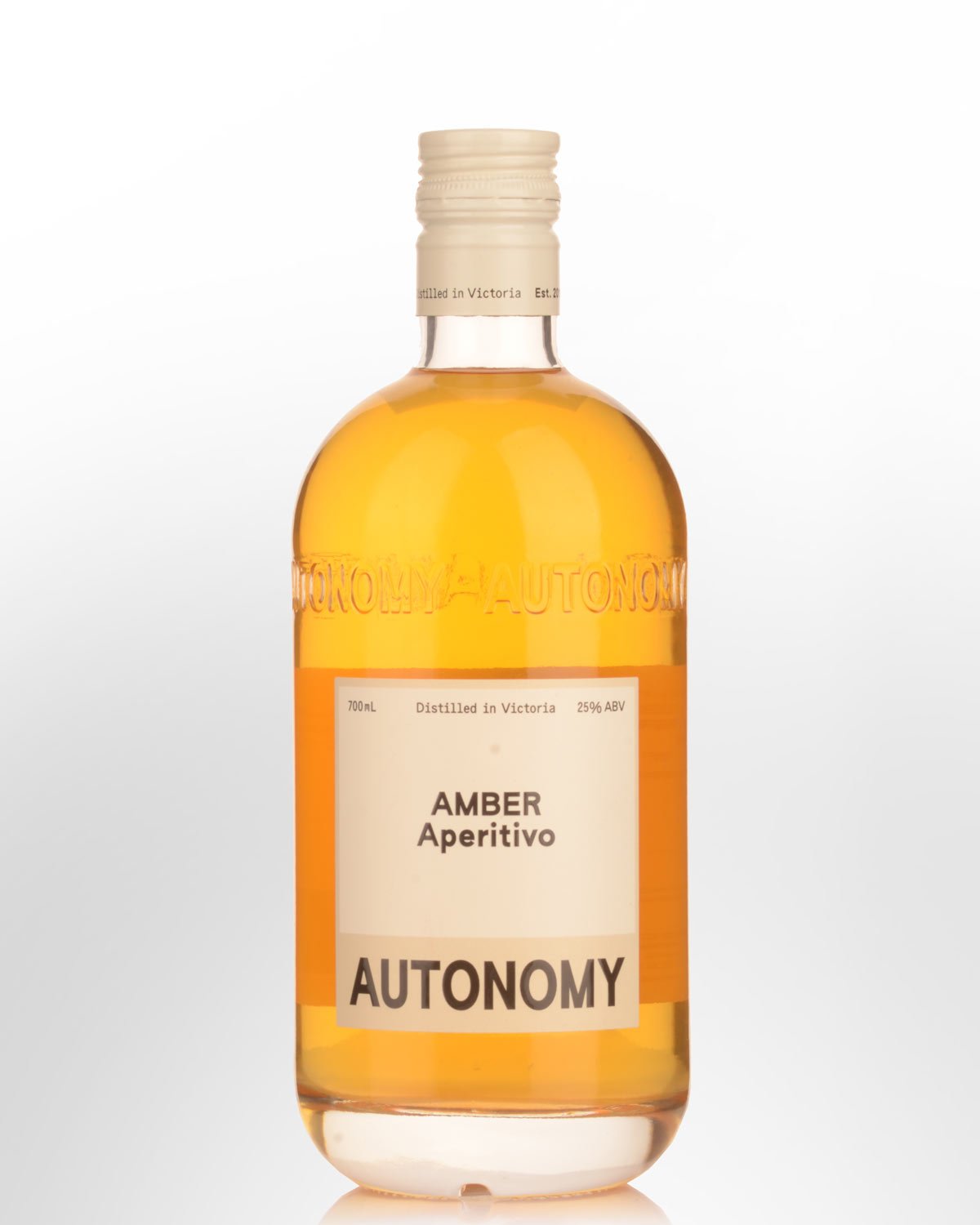
- Melbourne, Victoria, AUSTRALIA$66.99$66.99Bottle$803.88DozenABV: 25%
The earthy bitterness of the gentian root is balanced with tart quandong and fresh citrus to create an enticingly bittersweet aperitivo. Expect a deep and lingering bitterness that is tempered with the flavours of candied citrus peel and underripe peaches. Perfect in a White Negroni or simply with tonic and lots of ice. Note: As this product is seasonal, there may be slight variations in colour, aroma and flavour from batch to batch. Some natural sediment may also be present. 25% Alc./Vol.
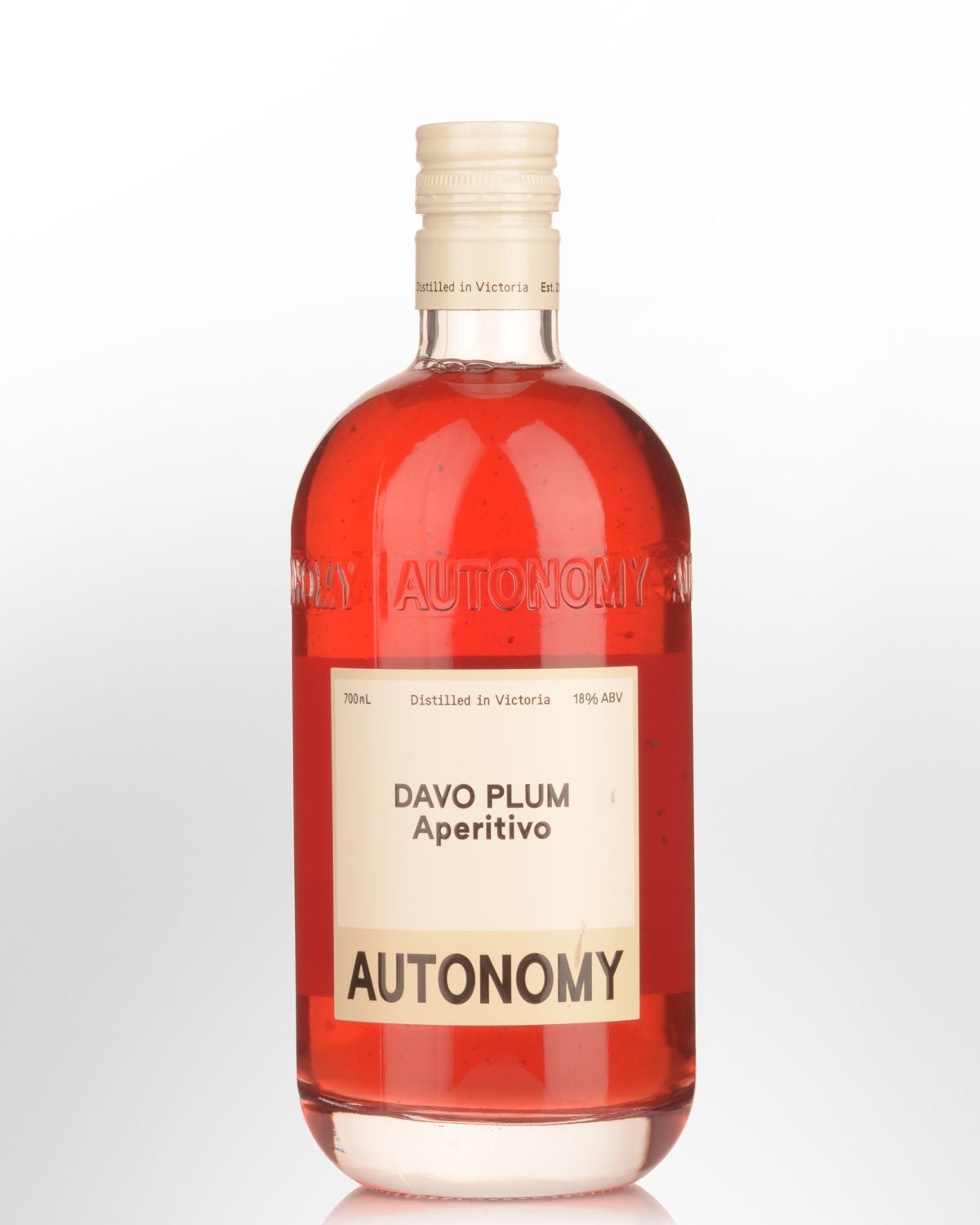
- Melbourne, Victoria, AUSTRALIA$49.99$49.99Bottle$599.88DozenABV: 18%
Tart Davidson Plums and Rosella are balanced by sweet oranges and a hint of Tasmanian Pepperberry in this deliciously refreshing aperitif. Add a splash of soda for an Aussie spritz, or combine with a generous pour of sparkling wine and plenty of ice for a cool cocktail that will see you through a hot Summer arvo. 18% Alc./Vol.
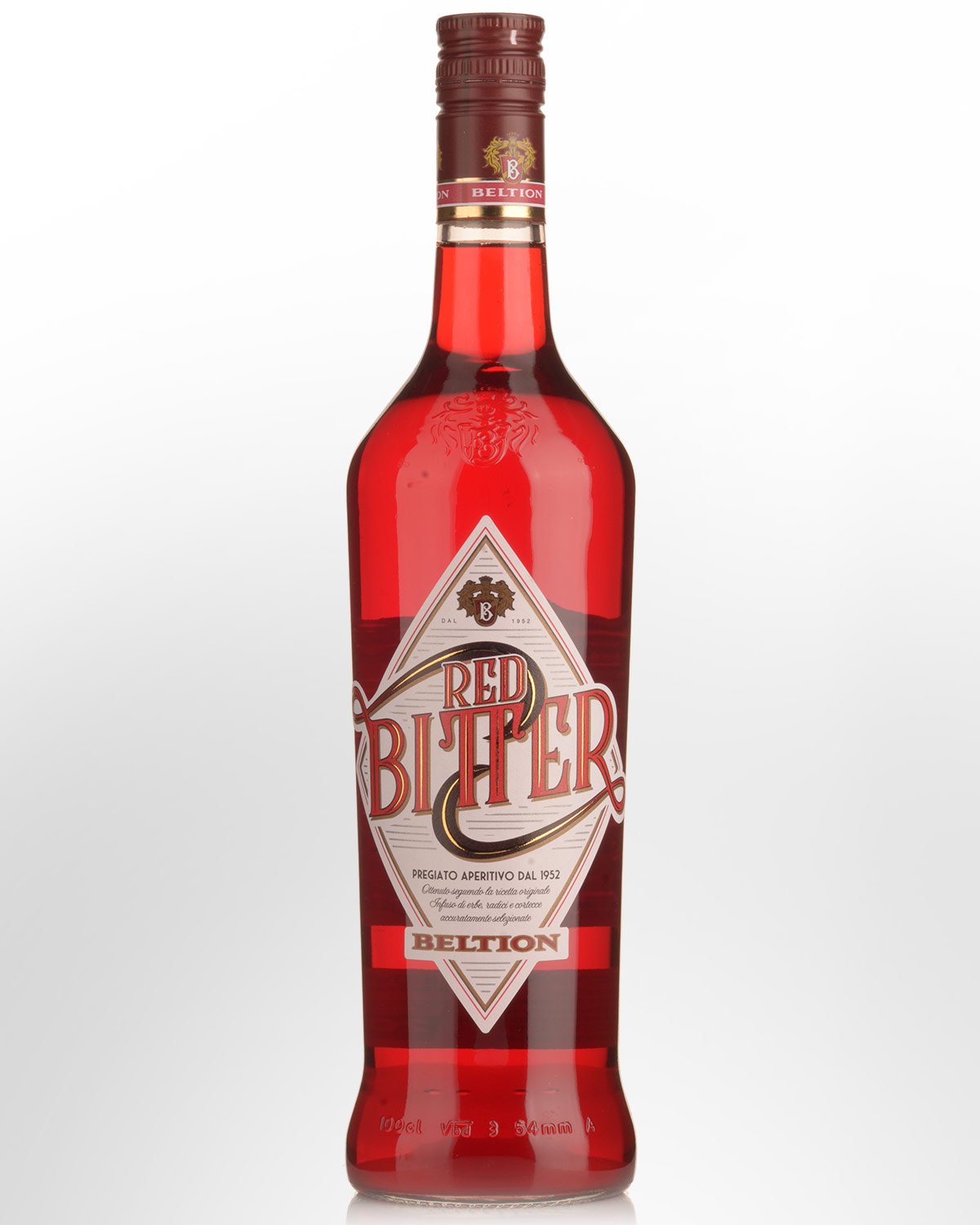
- ITALY$25.99$25.99Bottle$311.88DozenABV: 25%
In the 1880s an aperitivo culture emerged in Italy, mainly in the North. It attracted imbibers of appetite-stimulating wines and bitter liqueurs. These primarily red-hued, wine or spirit-based drinks were infused with citrus, herbs, spices and roots, then mixed with sweeteners to balance. The slightly less bitter wine-based examples that continue today include Aperol or Select Aperitivo, to name just a few. More bitter, higher-strength expressions are Campari or Meletti. Both are used in Spritzes, Negronis and beyond. Beltion offer a middle-ground with their light and delicately-flavoured "Red Bitter" made from an infusion of herbs, aromatic plants and fruits. It sports a traditional ruby red colour and has a pleasantly bitter taste over a warming background. Use it in citrus-flavoured cocktails or serve it as a pre-dinner refresher over ice. 25% Alc./Vol.
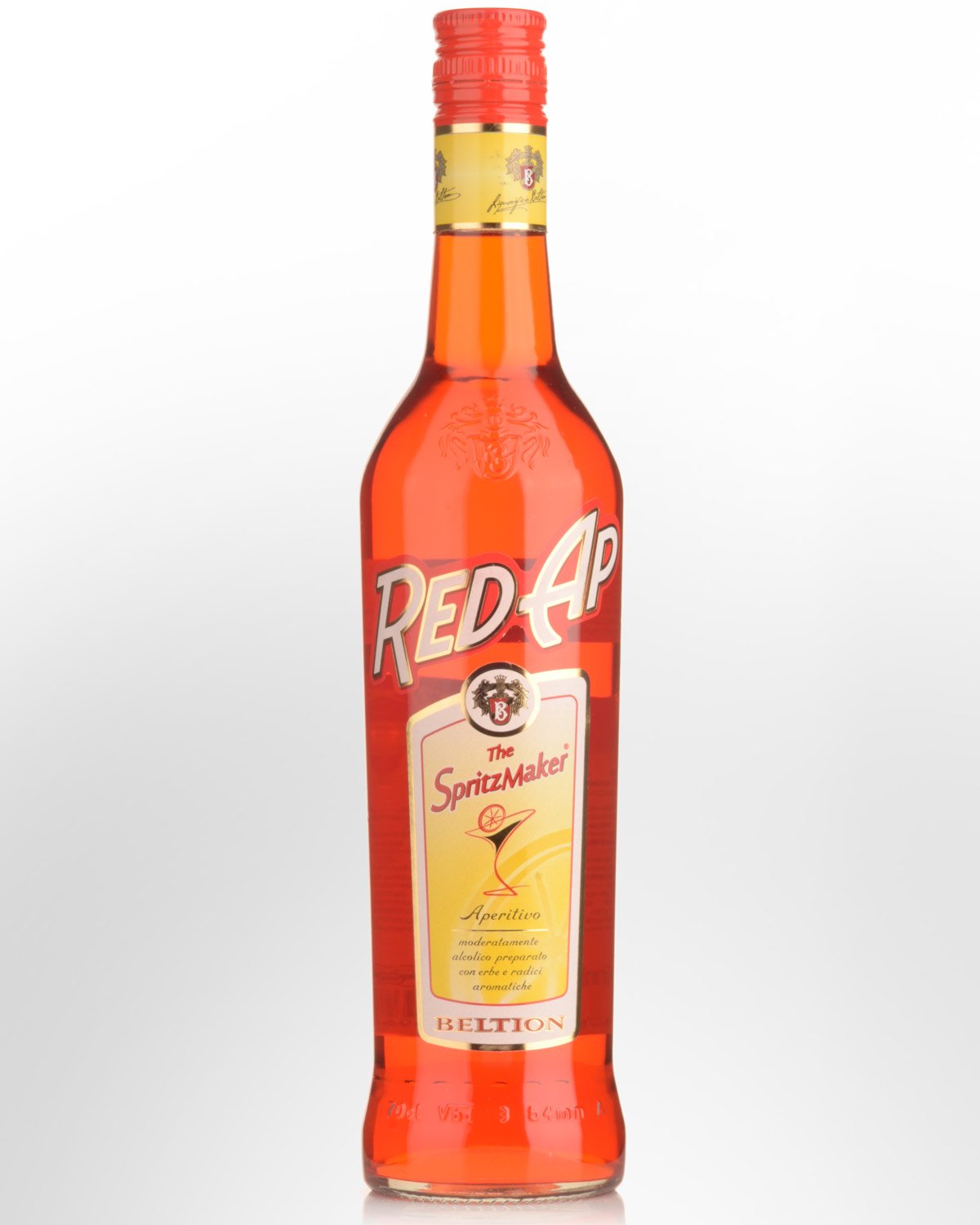
- ITALY$34.99$34.99Bottle$419.88DozenABV: 11%
Nicknamed 'The Spritzmaker', Beltion's new bright red aperitif is created with oranges, herbs, spices and aromatic roots. It is the essential ingredient for making the most classic Italian pre-dinner drink: the Spritz (Prosecco, RedAp and soda water), and at just 11 percent ABV, it stands out for its alcoholic lightness. Also try it over ice with 2/5 of soda.
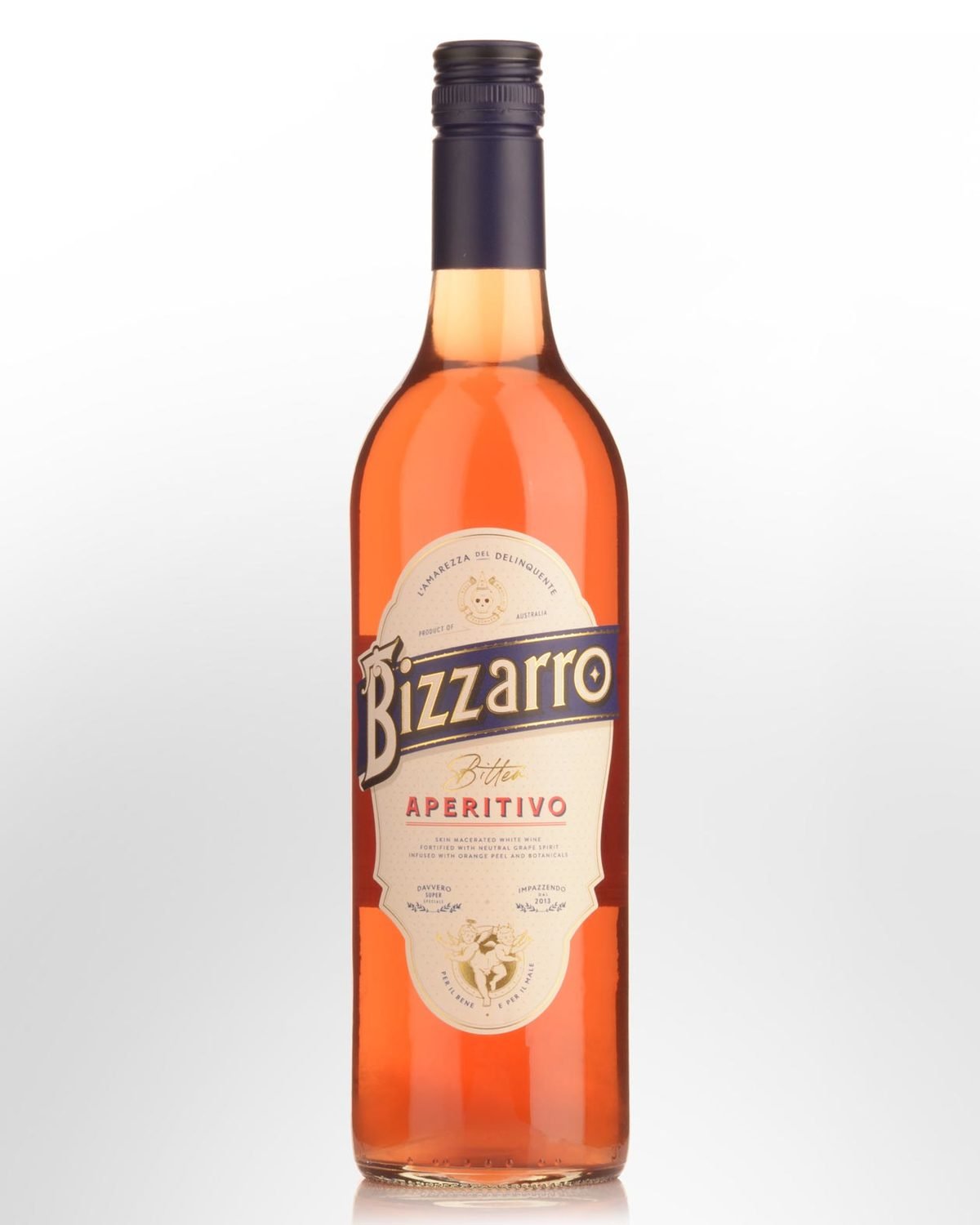
- Riverland, South Australia, AUSTRALIA$34.99$34.99Bottle$419.88DozenABV: 19.5%Closure: Screw Cap
Hailing from the the Riverland in South Australia, this natural Aperitivo is produced by Delinquente Wine Co. Biodynamically grown Vermentino is infused with organically grown Riverland oranges and lemons, as well as a range of fruits and herbs. This creates a perfectly balanced Aperitivo, not too bitter, not too sweet and as a result contains much less sugar than other competitors. Equally suitable in a spritz as it is in a cocktail or on the rocks.
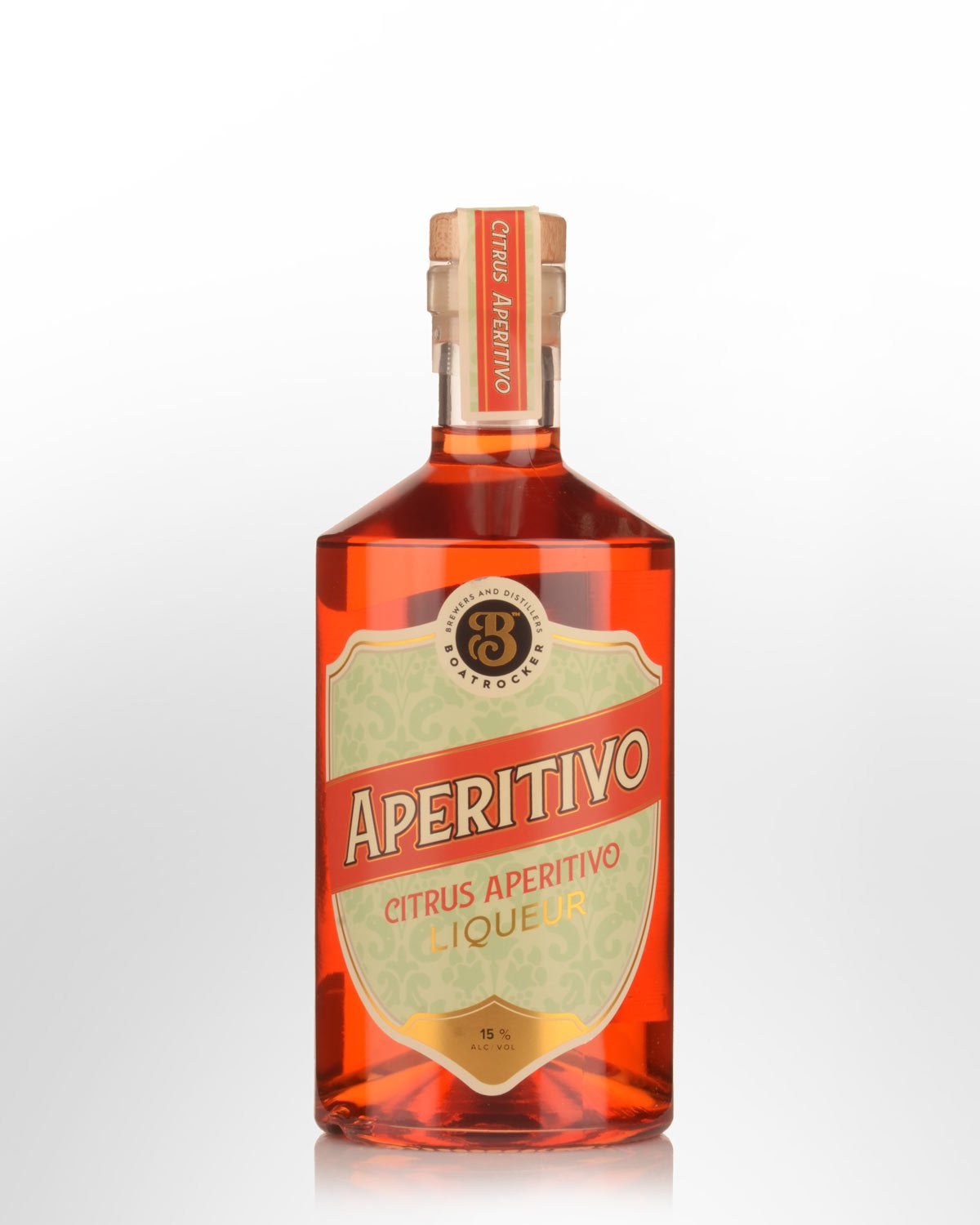
- Victoria, AUSTRALIA$52.99$52.99Bottle$635.88DozenABV: 15%
Created for a perfect Spritz, three different citrus peels contribute to this aperitif's aroma and flavour, with ingredients like gentian helping balance the sugars. On its own, it's a soft, semi-sweet style with a very gentle bitterness that's almost indiscernible at the finish, lacking the zest and spirit that traditionalists may expect. 15% Alc./Vol.
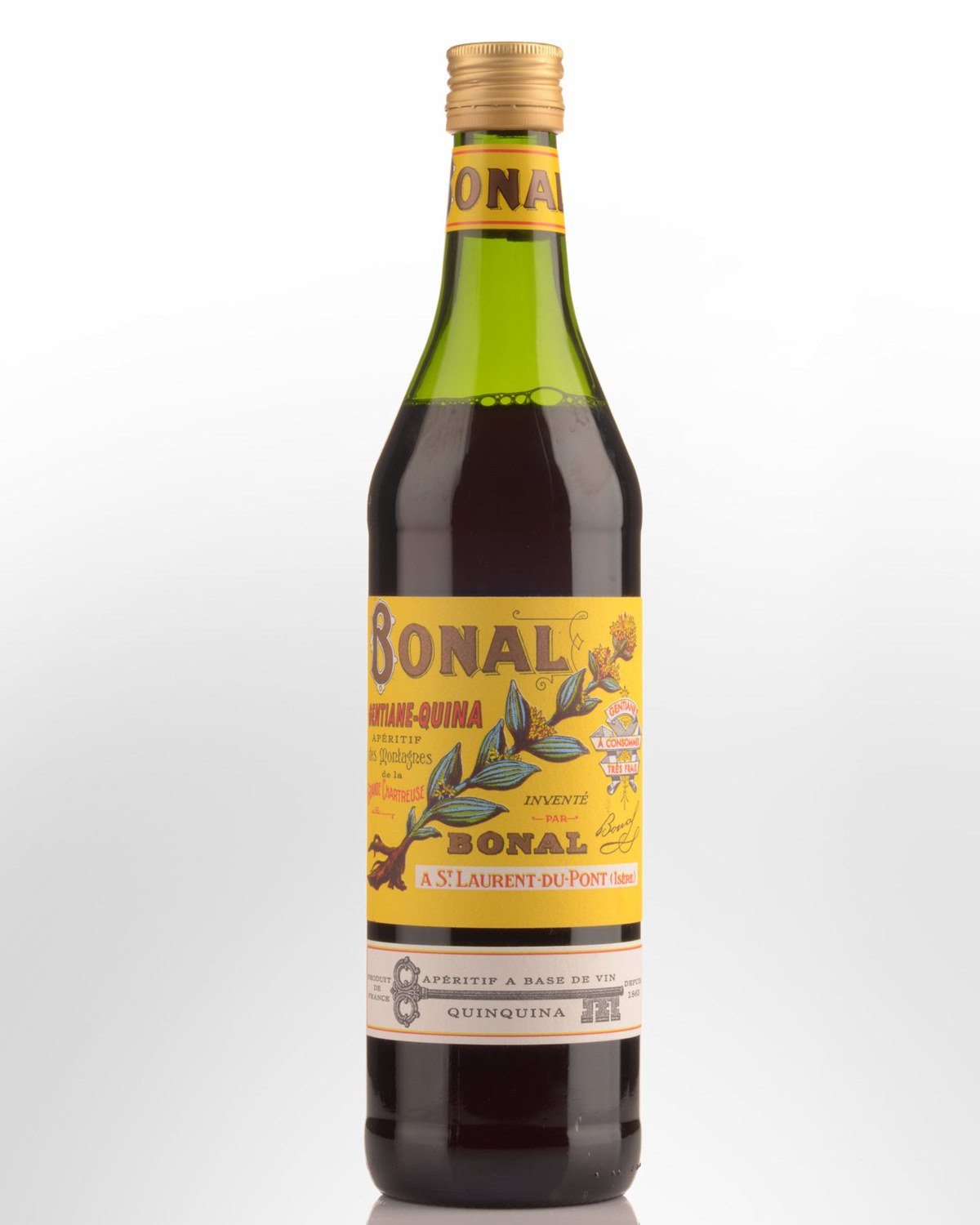
- FRANCE$35.99$35.99Bottle$431.88DozenABV: 16%A much-celebrated wine based aperitif made with gentian, quinine and Grand Chartreuse mountain herbs from an 1865 recipe. Often used in place of red vermouth. Tasting note: Translucent burnt sienna brown. Aroma is redolent of prune and grapefruit over secondary notes of quinine and cola. Light to medium bodied; mildly bitter entry is followed by a juicy, bittersweet prune and grapefruit burst; Finishes fresh, pleasantly bitter-sweet, earthy and root-like with faint quinine and grapefruit in the aftertaste. 16% Alc./Vol. Other reviews... 5+ Stars - www.diffordsguide.com
- ITALY$109.99$109.99Bottle$1,319.88DozenABV: 28%
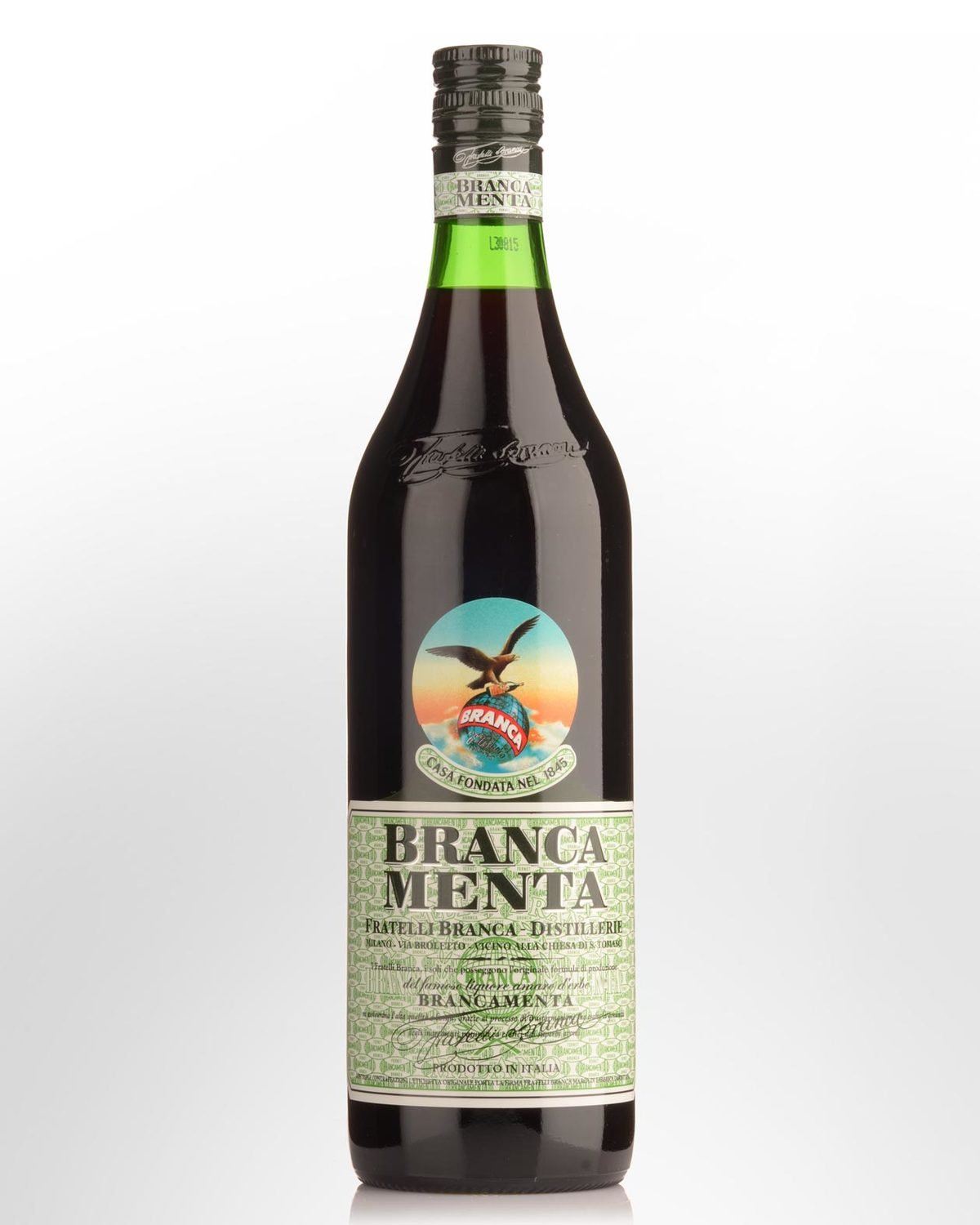
Essentially a minted version of Fernet Branca, being based on the same recipe as the original including an assortment of 40 ingredients such as aloe, gentian, chamomile, angelica, chincona, colombo root, chinese rhubarb, myrrh, peppermint, saffron and iris. Branca Menta adds to the equation more sugar and peppermint oil. Recommended with a splash of soda over ice. 28% Alc./Vol.
Other reviews... While Fernet-Branca dates to 1845, Branca-Menta was released in the 1960s, the result of younger drinkers who were putting mint syrup in their Fernet. Take standard Fernet-Branca and add peppermint and menthol, and you’ve got Menta. However, the current recipe is much lower in alcohol. The mint is immediately evident on the nose, and it brings out a cocoa character in the aroma that ultimately smells a lot like mint chocolate. Sweetness is evident as you take a sip — this is no ultra-bitter fernet but rather a more modern styling — and the palate hits like a mint-flavored glass of espresso, heavily dosed with sugar. That heavy sweetness makes Menta feel less refreshing than it should be, though the peppermint element is at least quite fun. - drinkhacker.com
"Combines rooty herbal bitterness with invigorating and cleansing mint freshness." 5 stars - diffordsguide.com
- FRANCE$37.99$37.99Bottle$455.88DozenABV: 18%
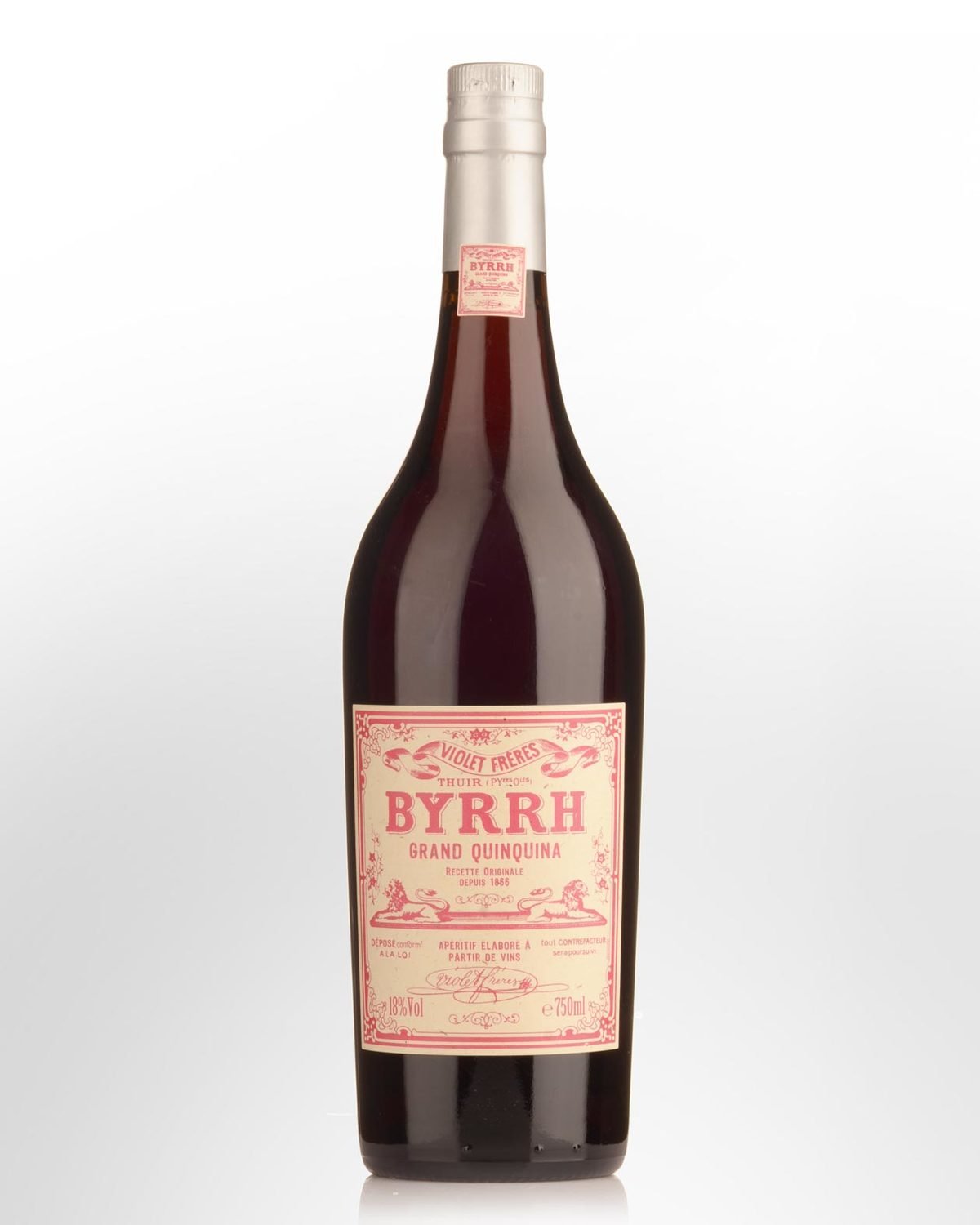
The new, slightly smaller format of the famous wine-based aperitif also weighs in with a higher ABV. Made mainly from Carignan and Grenache grapes from the hillsides of Roussillon in Southern France, the grape must is macerated with neutral spirit in order to stop the fermentation process. This gives a particularly fruity and syrupy mixture, called "mistelle". After a preliminary ageing, the mistelles are blended with dry red Roussillon wines. The blend is then cold-flavoured with dried crushed quinine bark, and aged for 3 years in large wooden barrels called "foudres".
Simon Violet and a pharmacist friend, both from Thuir, in the Pyrénées invented this new quinine-based aperitif in 1856. Benefiting from the then fashion for quinine tonic wines, Byrrh soon became popular throughout France. Starting in 1903, advertising poster competitions were launched to promote the brand. Boosted by extensive advertising campaigns, Byrrh was a huge hit in the 1930s and by 1935 was the leading aperitif in France, with sales reaching 35 million litres. The brand became part of Pernod Ricard in 1976.
- ITALY$39.99$39.99Bottle$479.88DozenABV: 17%
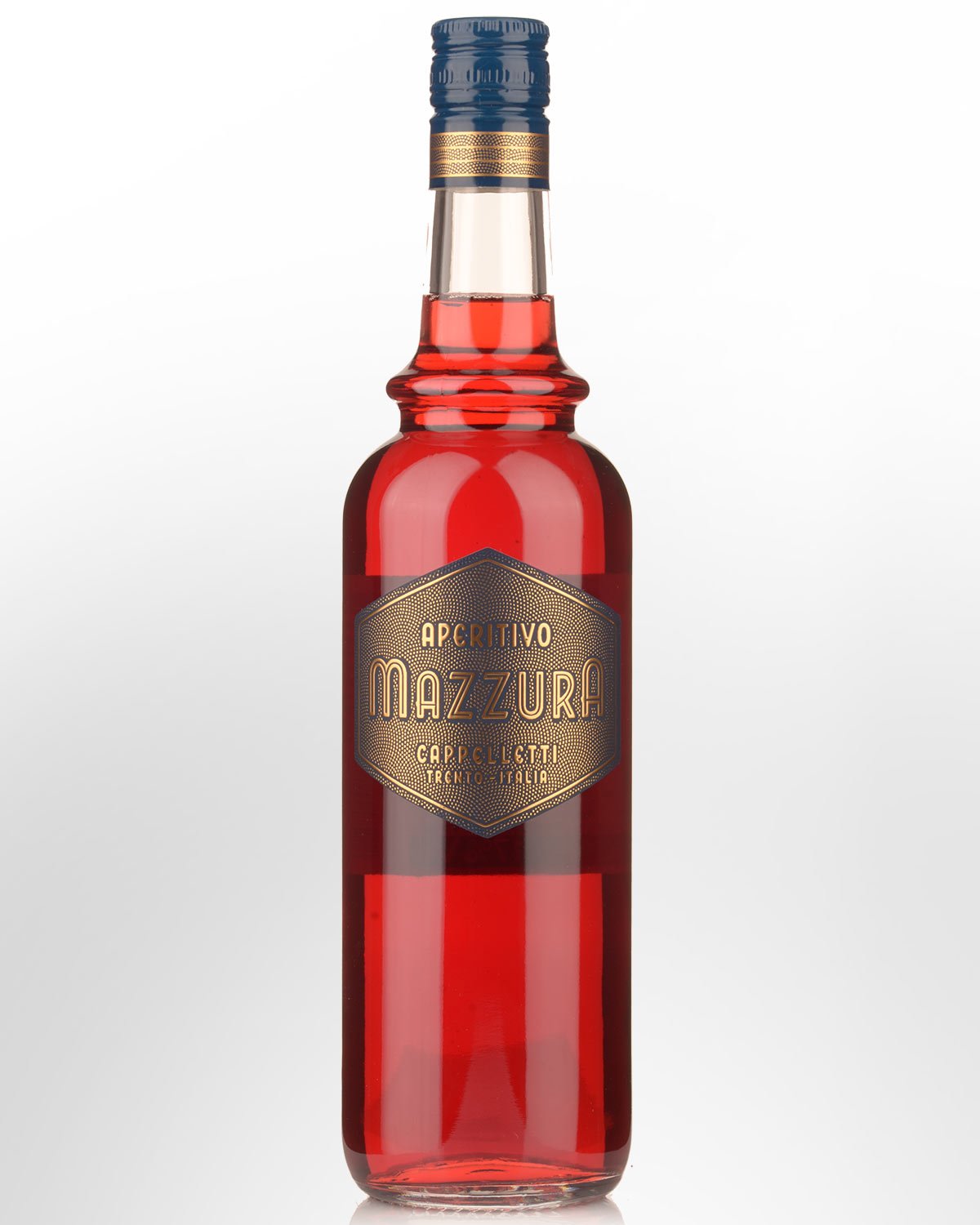
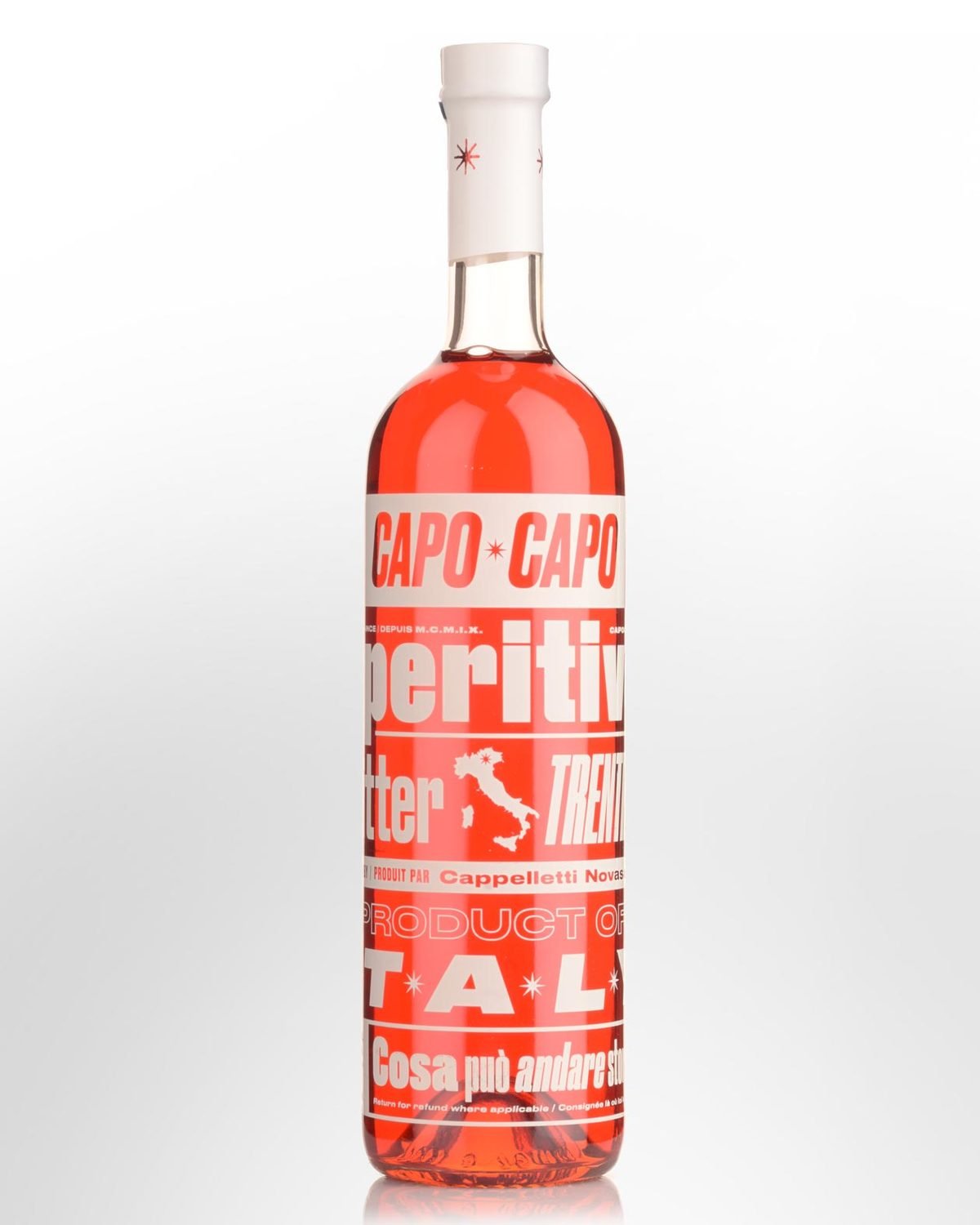
Antica Erboristeria Cappelletti was established in 1906 in the historic Piazza Fiera in the center of Trento. Today they're located 20 km south of Trento in Aldeno, surrounded by vineyards and apple orchards. As the name would suggest, the firm was and remains focused on products made from traditional herbs, roots and flowers. They achieved fame in the region for their amari and aperitivi, including the classic red bitter Aperitivo Cappelletti. All production is done in house by the fourth generation of the family, Luigi and Maddalena Cappelletti.
This ruby-red aperitif includes botanicals sourced from the Dolomite hills and valleys in Italy's Triveneto region, the birthplace of the Spritz. Mazzura's colour comes from a unique blend of flowers and fruits that is entirely natural. Its aromas conjure red apples, cinnamon and bitter notes of gentian and citrus peel, while the flavour features subtle herbal accents, like fresh thyme and rosemary plus a tang of citrus and a pleasing bitterness. Enjoy over ice with a splash of soda, or try it in a Negroni or Boulevardier or Spritz. 17% Alc./Vol. Vegan friendly.
- Cocconato d'Asti, ITALY$59.99$59.99Bottle$719.88DozenABV: 16.5%Closure: Cork
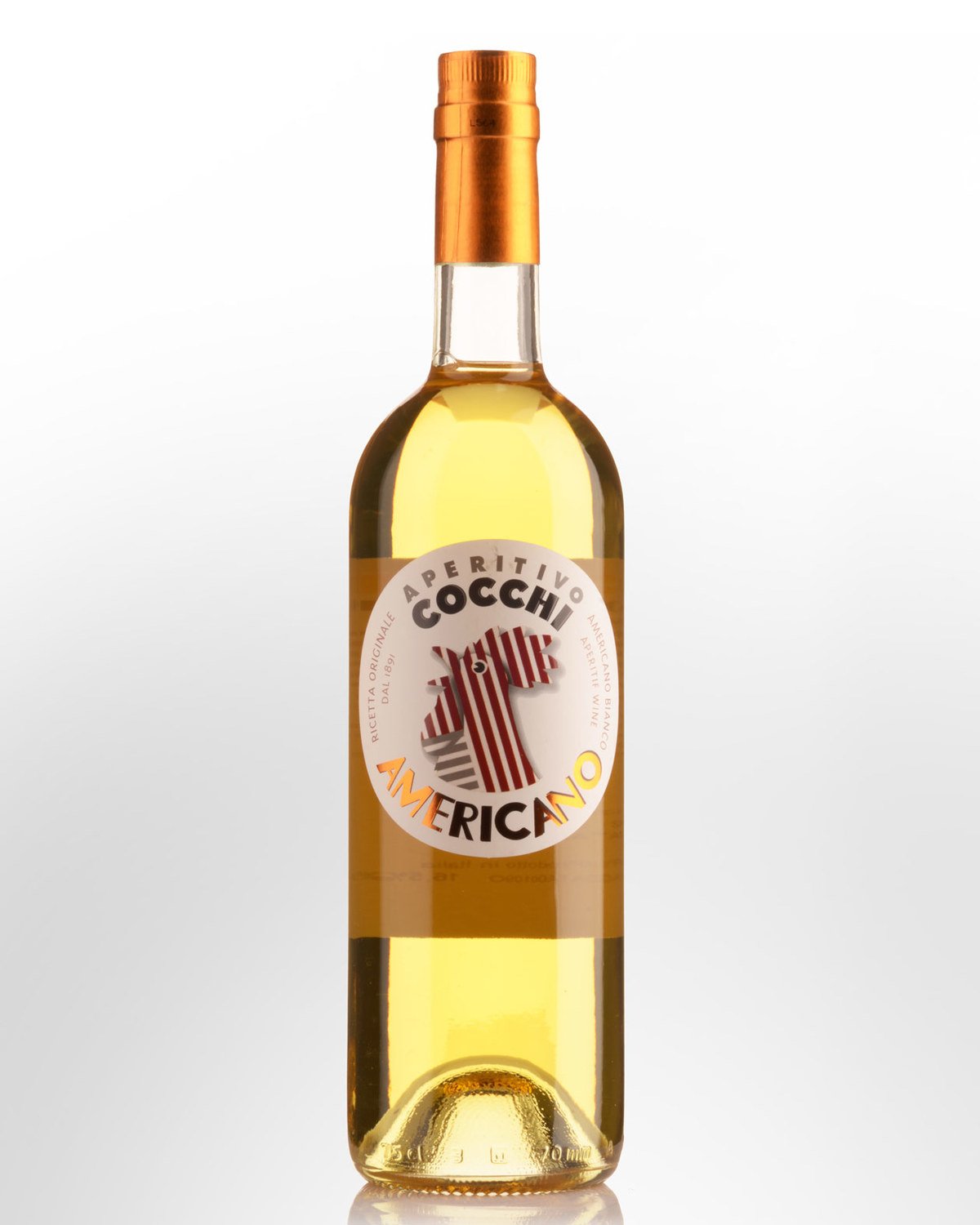
Cocchi (pronounced co-key) Aperitivo Americano falls along the lines of a Bianco Vermouth. Produced since 1891 from moscato d’asti and fortified with a touch of brandy, it’s subsequently flavoured with bittering aromatics like gentian and cinchona bark, along with orange peels and herbs. Toby Cecchini, writing for the New York Times Magazine, comments “...what has cocktail enthusiasts excited about Cocchi is that it is secretly acknowledged to be the most similar product in existence to the old-formula Kina Lillet.”
Lillet Blanc, (formerly Kina Lillet), a product directly imported by Nicks Wine Merchants, was originally a bitter tonic drink, however the quinine content was reduced in 1986, leaving the market bereft of a properly bitter alternative. Though not as intense as Lillet, Cocchi’s product certainly offers a lighter and more bitter aperitif experience that should appeal to any mixologist concerned with historical accuracy.
Tasting note: Bright pale straw / gold appearance. Mildly oxidised, grapey aromas mingle with floral notes. Further inspection yields hints of fresh picked, sweet oregano and ripe quince. A soft, round, semi sweet entry leads into a moderately concentrated mid palate offering flavours of moscato and dried apricot that’s nicely counterpointed by gentle bitterness. Finishes fresh, clean and gently bitter with a quinine, citrus peel aftertaste persisting. Try it in your next Corpse Reviver or Vesper. 16.5% Alc./Vol.
- Armagnac, FRANCE$44.99$44.99Bottle$539.88DozenABV: 17%
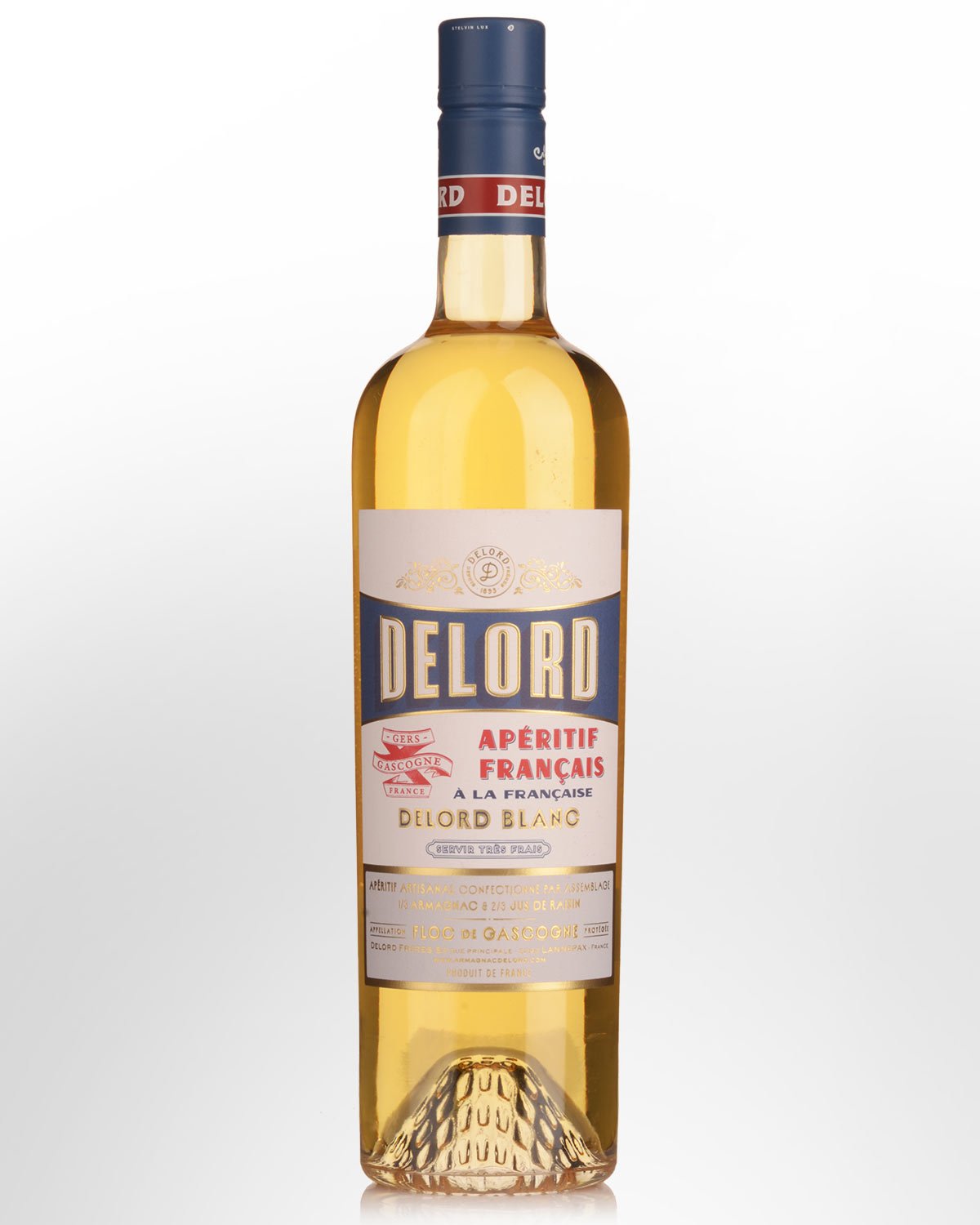
This is the bright gold coloured, slightly fresher, lighter alternative to Delord's Rouge Floc de Gascogne. Made in a similar fashion by blending partially fermented grape juice with one third Delord Armagnac, for the Blanc, grape varieties like Sauvignon, Colombard, Ugni Blanc and Gros Manseng are used. The blend is then matured for around three to nine months - depending on your source.
Other reviews... Aromas of white grapes, dried fruit, acacia honey, buttery chamois leather and a faint hint of shoe polish (in a good way). The taste is honeyed with dried fruits and a hint of liquorice. 4.5 stars - diffordsguide.com
- Armagnac, FRANCE$44.99$44.99Bottle$539.88DozenABV: 17%
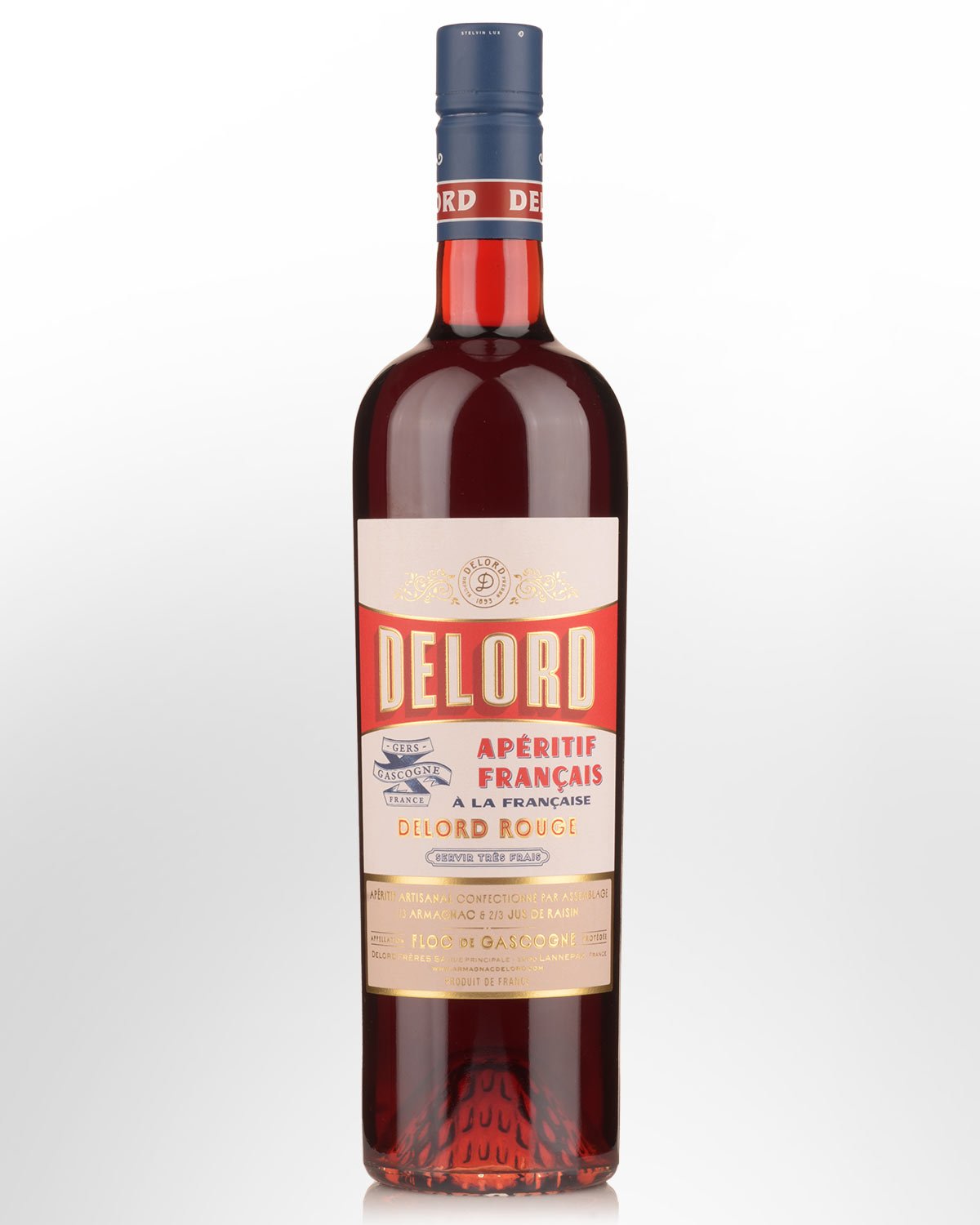
Echoing Cognac's own Pineau des Charentes, this Gascon specialty is made by blending the partially fermented juice of Merlot, Cabernet and Cabernet Franc grapes with one-third Delord Armagnac. The mixture is then aged in old oak barrels to preserve the fresh fruitiness. It's a charming, medium sweet style, with the body and character of ruby port, recommended as an aperitif with foie gras, melons or as an after dinner treat. 17% Alc./Vol.
Other reviews... Toffee fudge, tobacco, raspberry and blackberry with dark chocolate. 4.5 stars - diffordsguide.com
- ITALY$74.99$74.99Bottle$899.88DozenABV: 18.5%
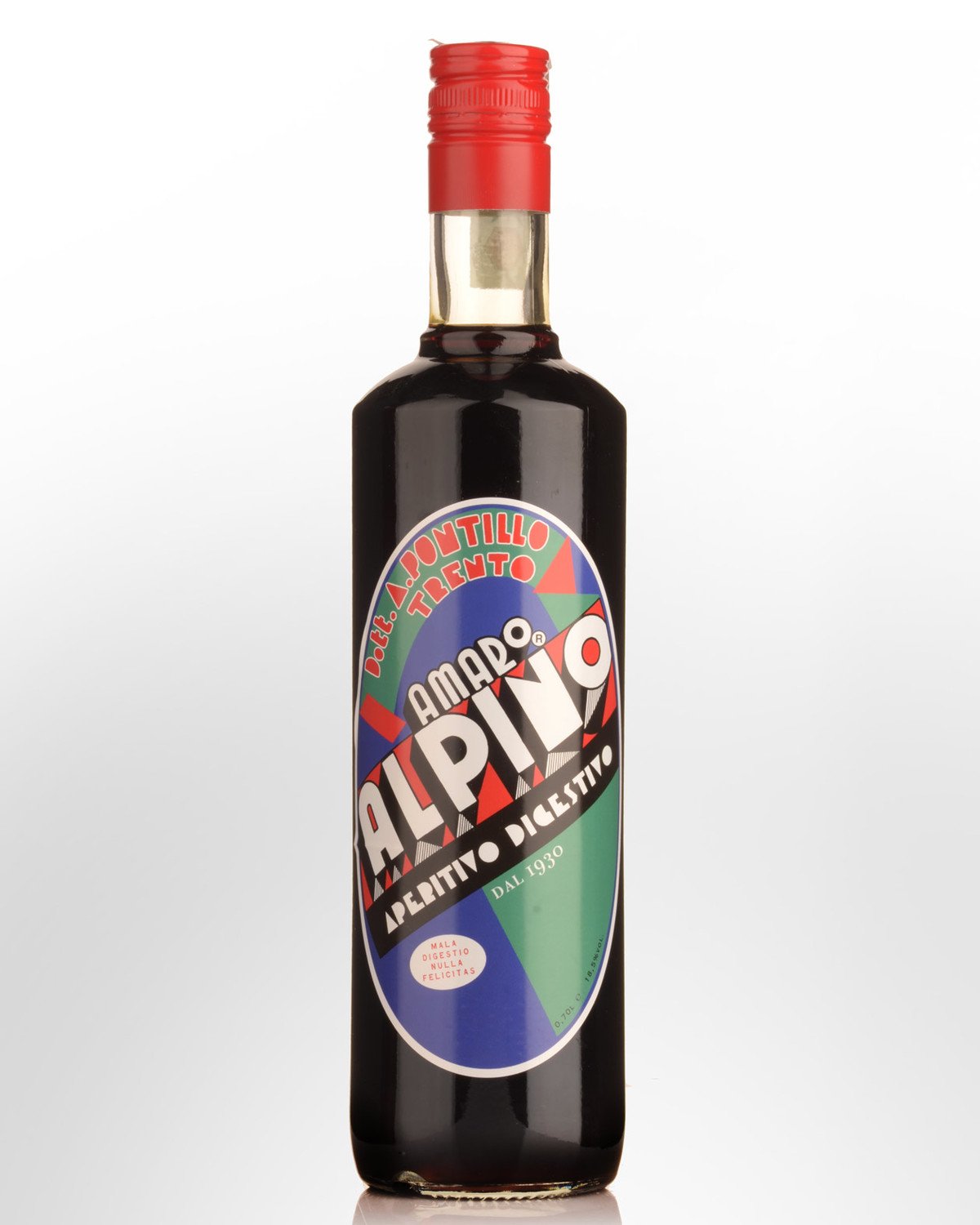
Distilleria Alpina was founded in 1930 by Agostino Pontillo. Their Amaro is based on Alpine herbs and roots and includes 22 botanical infusions, though not all have been revealed by the company. New owners, the Sembenotti brothers from Trento state that rhubarb, gentian, clary sage, juniper berries, elderflower and china calissaia (chincona) are in the mix. Alpino aims at a medium-bitter style that's robust, herbal and earthy with a delicate piney/mint lift typical of the freshness of many Alpine amaros (more citrus-driven specimens are found in the south). Warming alcohol contributes depth while subtle sweet spices and bitter gentian make for a balance that's near perfect. The finish is long and mildly bitter. On its own, poured over ice or in a spritz with soda and citrus, whichever way you drink it, this is moreish stuff. 18.5% Alc./Vol.
- ITALY$99.99$99.99Bottle$1,199.88DozenABV: 26%
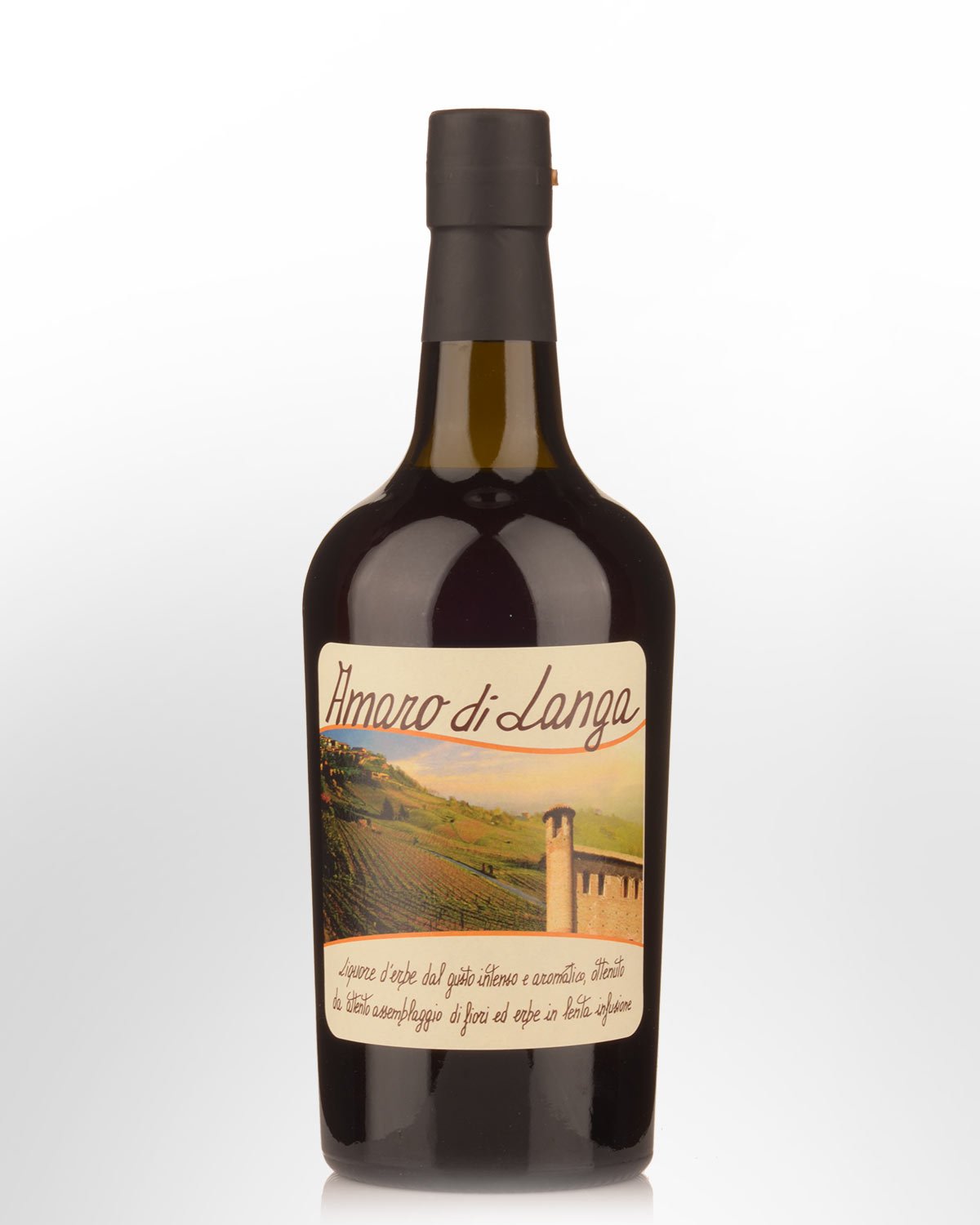
The Birello family have been preparing this Amaro since 1973, the same year their company was founded with a dream to set up their own business in liqueurs and grappa. It was initially labeled as 'Pilger', but in 2009 it became Amaro di Langa after the recipe was improved with the addition of a good percentage of herbs from local farms, including mallow, lemon balm, hyssop, lavender, rosemary and damask rose. They also use herbs, flowers and roots known for their digestive and bittering properties such as gentian, wormwood, nutmeg, yarrow and bitter orange. It adds up to a total of 26 ingredients, all cold macerated for a more delicate extraction. The resulting aromatics are complex, deep, rich and enticing with nutmeg and bitter herbaceous notes married with bitter orange, mint and gentian, hints of poached fruits and traces of cinnamon warmth. Softer, rounder and less assertive than the nose anticipates, the palate strikes a fine balance between sweet and bitter, with subtle notes of gentian, cinchona, cola and soft spices through the finish - a good starting point for newcomers to the category. 26% Alc./Vol.
- Provence, FRANCE$49.99$49.99Bottle$599.88DozenABV: 15%
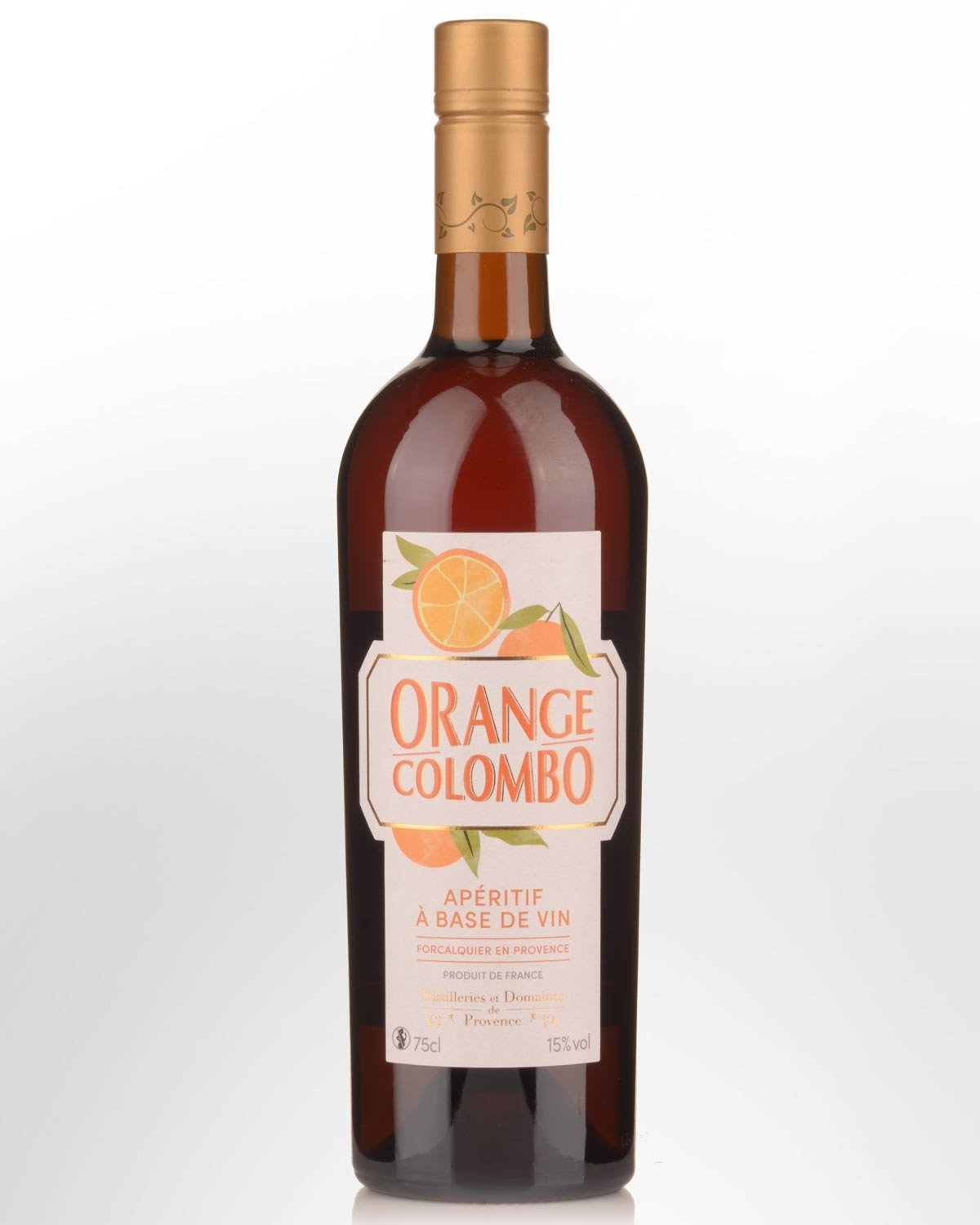
Lubéron rose wine bestows this Provence novelty with a light orange-pink hue; add to that a maceration of quinquina, curacao and sweet and bitter orange peels and you have something akin to dry vermouth with a strong citrus accent. Enticing notes of orange zest, a delicate herbaceousness and a fine-tuned bittersweet balance makes for a breezy, fresh, feminine aperitif; superb on its own, if you're mixing keep it light - add a dash of soda for a delicious refresher, pour over ice or match it with chocolate desserts. 15% Alc./Vol.
- Provence, FRANCE$49.99$49.99Bottle$599.88DozenABV: 15%
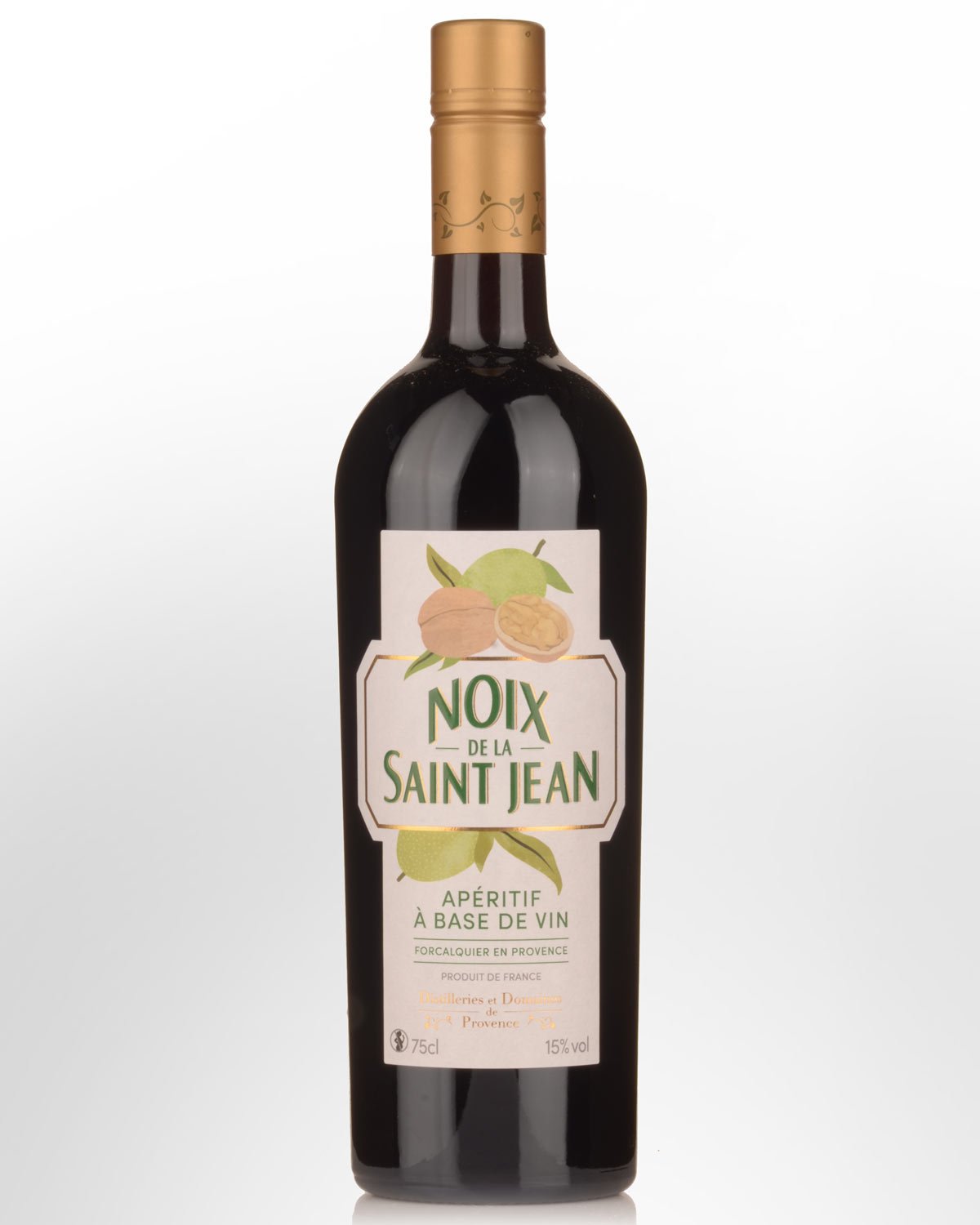
Made using nutmeg, clove, cinnamon and hand-crushed Dauphine green walnuts harvested at St John’s Day, this tasty provincial specialty is a vermouth-meets-ruby-port kind of aperitif that crosses categories. Deep, ruddy red to umber-brown in colour with earthy, bitter herbal notes pitched against ripe plums, riper red berries and walnuts (the latter lingering at the finish which takes a cue from bitters), Noix de la Saint Jean makes a moreish drinking experience on its own, but you can also pair it with chocolate, nut-based desserts and cheeses such as Roquefort, Blues, Stilton and Fourme d'Ambert. 15% Alc./Vol. Refrigerate after opening.
Notes from the importers.... Nose: On the nose, the dominant aroma is walnuts completed by a more spicy note of spice bread and dried fruit. Palate: On the palate, the aromas of this aperitif are marked by the walnut and nut stain subtly flattered by a spicy note of cinnamon, nutmeg and cloves. Noix de la Saint-Jean is well balanced between acidity and sugars with a good volume on the palate. The astringency of this nut gives this aperitif a good lingering flavour. Its tannins are fine and not very dry at the finish.
- London, UNITED KINGDOM$54.99$54.99Bottle$659.88DozenABV: 20%
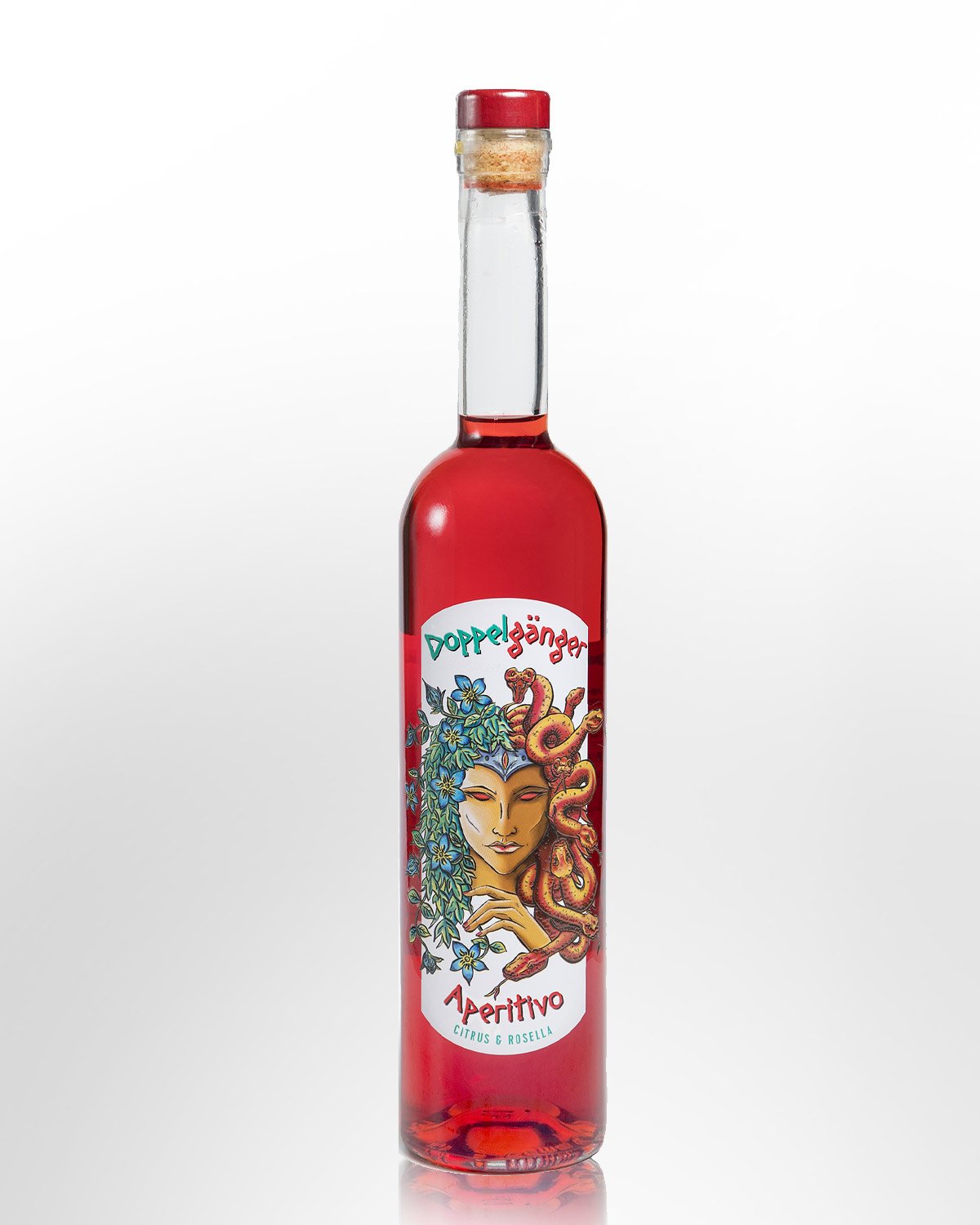
With a label design inspired by house music, this deep ruby-red apertivo starts with hints of citrus and aromatic roots on the nose and follows with a bitter-sweet palate led by citrus and rosella (hibiscus), underlaid by earthy and herbaceous flavours. Try it in a Brit Spritz served with elderflower cordial, strawberries and topped with champagne. Also ideal in a Negroni. 20% Alc./Vol.
Silver Medal at the 2022 ISWC Awards.
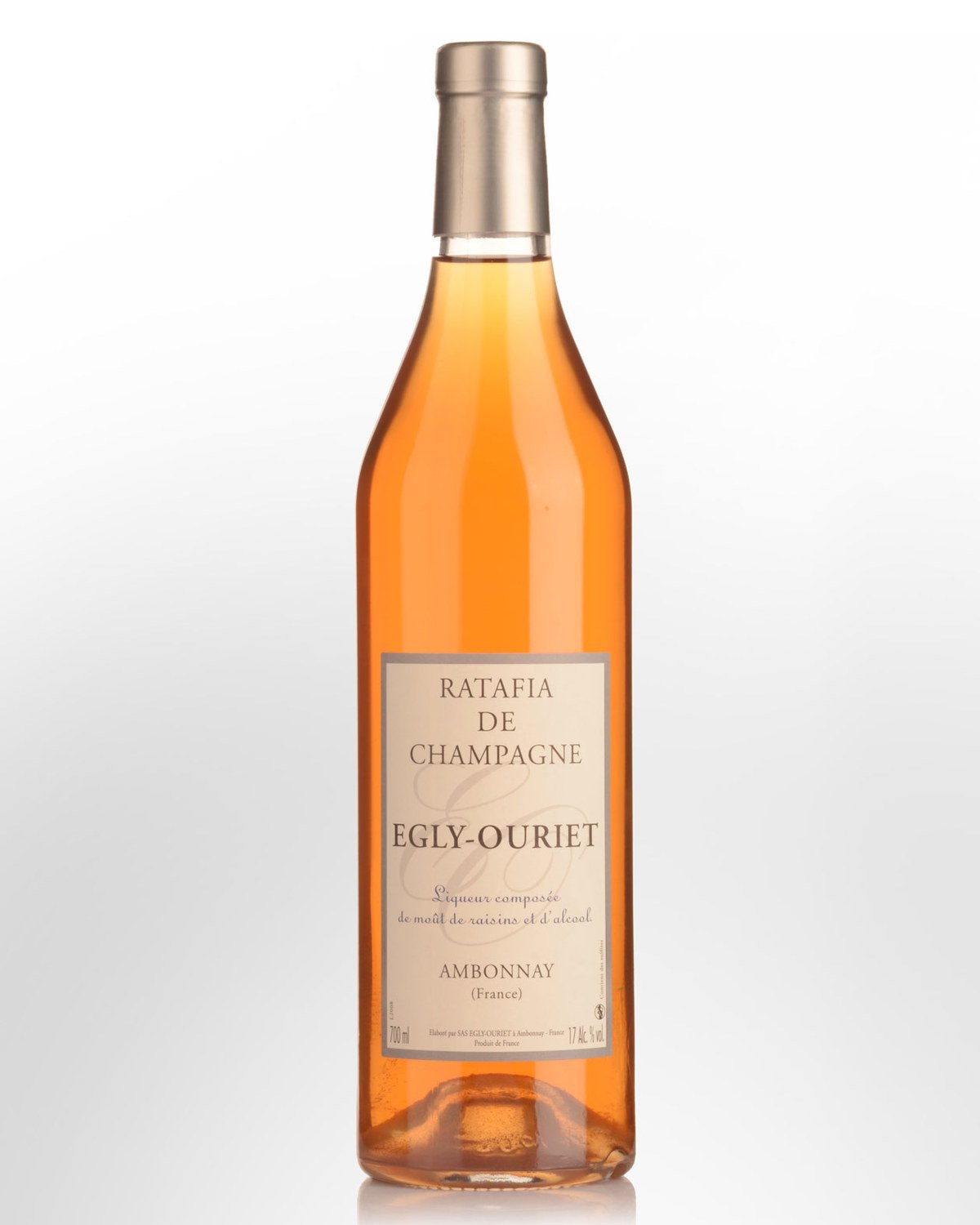
- Champagne, FRANCE$140.00$140.00Bottle$1,680.00DozenABV: 17%
Ratafia de Champagne is liqueur apéritif, made with the juice of freshly-picked Champagne grapes, and fortified immediately after pressing (to prevent fermentation commencing) with grape spirit distilled from Champagne grape skins. It belongs to the same family as Cognac's Pineau des Charentes.
As with anything that is bottled by this great grower, this is not your average example of the genre! Apart from the renowned work in the vineyard, Egly uses only 100% Grand Cru, Estate-grown Pinot Noir. The fruit is sorted and pressed gently and only the finest grape spirit is added.
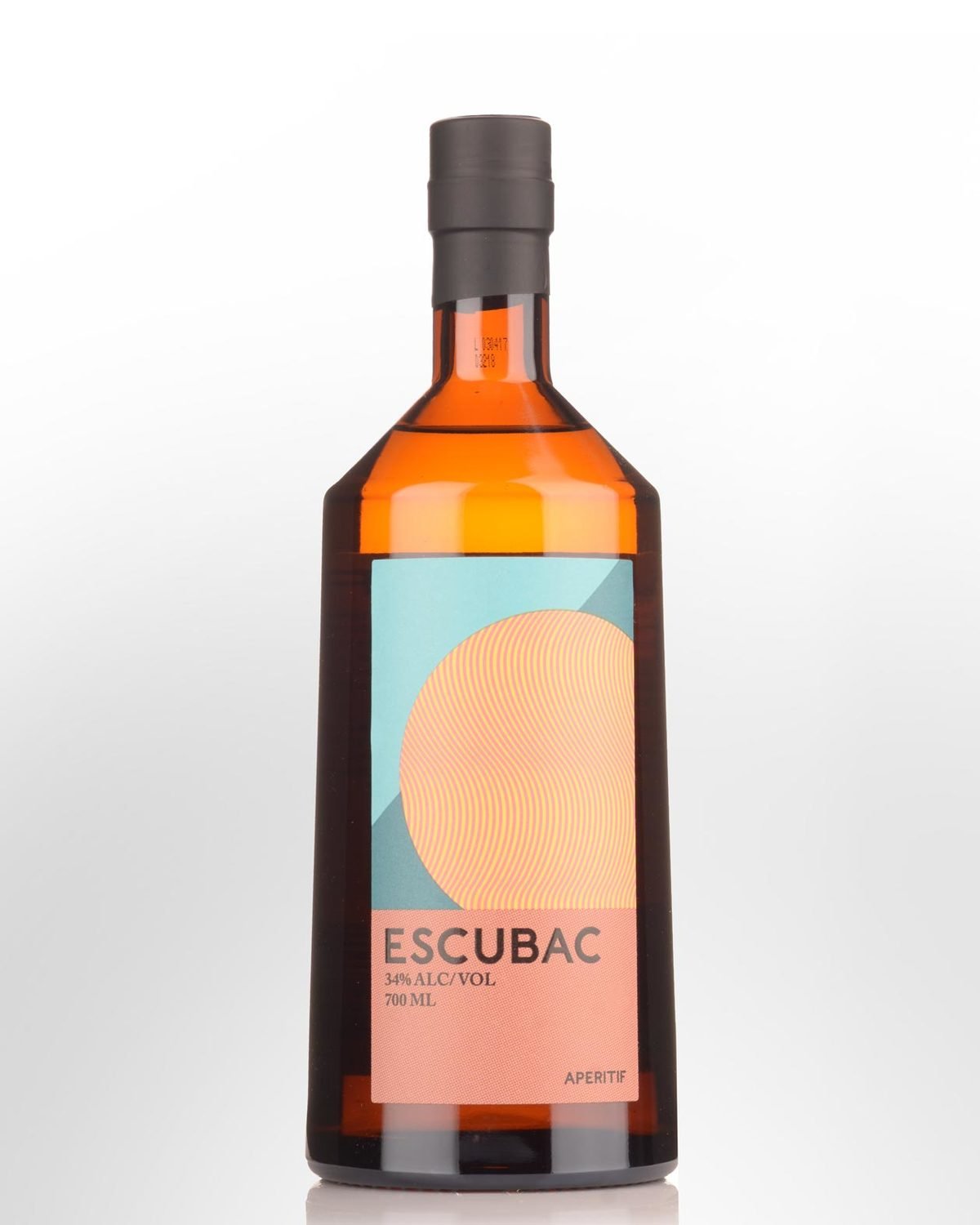
When you consider that most Ratafia comes from a Champagne producer's weakest fruit, you can begin to understand that we are not talking about a standard example here! As we have come to expect, this perfectionist grower refuses to aim for anything less than greatness. It comes from a particular harvest and after four years mellowing in barrel, it is a stunningly pure and intense expression of this rare style that can be drunk on its own, over ice, with soda or used to make a wonderful alternative to a kir. It also stays fresh in the fridge for months. - FRANCE$89.99$89.99Bottle$1,079.88DozenABV: 34%As the gin sector continues to saturate, Escubac offers the discerning drinker and bartender something genuinely original and genuinely delicious to use. Aside from the addictive E&T (see below), this modern spirit is delicious served on the rocks, while its citrusy, spicy personality and deceptive dryness, brings enormous versatility. It can be handled like a gin or a vodka etc., be poured as a base spirit or it can be 'base split' with countless other spirits. A modern twist on an old drink, Escubac is a reinvention of an old style of spicy yellow liqueur that originated in Tudor England as 'usquebaugh' (a sort of ancestor of whisky). After being adopted by the French, and renamed Escubac, the drink eventually vanished into the ether. Enter Daniel Fisher and Andrew MacLeod Smith. Drawing on the so-called 'Gypsy Brewing' movement in the US, the Sweetdram team distills in small batches using the ancient copper alembics of the historic Combier Distillery in the Loire Valley, France. To start, Sweetdram macerate 14 botanicals, including caraway, cardamom, cubeb, lemon and bitter orange and citrus for 72 hours, then slowly distill them using Combier's antique stills. Following distillation, the spirit is then very lightly sweetened with golden raisin and a small amount of sugar (Escubac contains four times less sugar than the average liqueur), and tinted a light straw-yellow with strands of saffron. The recipe alone took 18 months to perfect in the team's Dalston workshop, and was clearly time well spent. Try an Escubac & Tonic (E&T): Fill a highball glass up with ice cubes. Pour in a 30ml measure of Escubac. Top off with tonic water to taste. Garnish with a wedge of lemon or a lemon twist. 34% Alc./Vol. Tasting note: Brilliant gold. Kind of like a quality dry vermouth on the nose; herbal, fresh and delicately bitter with hints of fennel developing. Follows through in a silky, medium weight profile with an interesting combination of anise, citrus and caraway. Subtle mint freshness on the finish. Reminiscent of dilute absinthe. Delicious on its own over ice. 34% Alc./Vol. Other reviews... 4.5 stars - diffordsguide.com
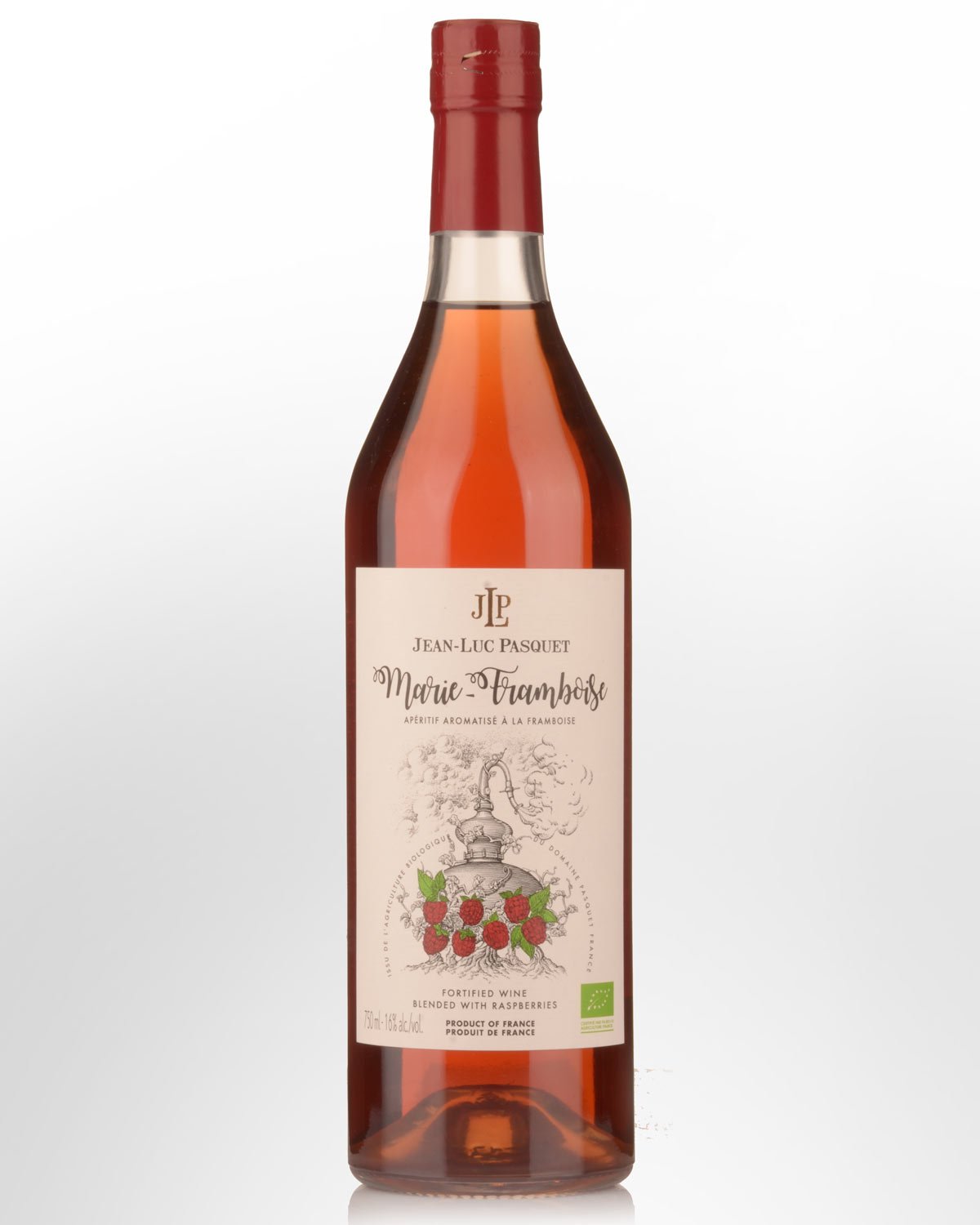
- Cognac, FRANCE$49.99$49.99Bottle$599.88DozenABV: 16%Closure: Cork
A talented and seasoned distiller of Cognac, Jean Luc Pasquet is first and foremost a true "paysan" in the noble sense of the term, who knows how to make the best use of his land when it comes to creating spirituous pleasures. The wild raspberry bushes that were quietly growing around the estate, one day proved too much to resist and it seemed obvious for him to try and capture the best expression of the fruits. He experimented at first with the simple idea of macerating fresh raspberries in his young cognacs, but on the insistence of his wife and kids, soon gave in to the idea of sweetening and reducing the spirit with his own fresh organic grape juice at harvest. The drink became so popular locally as an aperitif, that he finally decided to plant more raspberry bushes around the property and grow these organically.
Marie Framboise stands apart in the realm of aperitifs, combining the finest aromatic cognac of Grande Champagne with the fresh fruit flavours of grapes and raspberries. It is an incredibly versatile drink that can be enjoyed as an aperitif on ice, as a cocktail ingredient and even to lift the flavours of a fruit salad, a Sangria or even your favourite sparkling. If that's not enough you can always follow the advice of Jean Luc, who serves Marie-Framboise with his favourite chocolate desserts.
Medium-fresh aromas include very ripe, fresh raspberry combined with suggestions of manuka honey and crushed grapes. Light and silky entry builds with excellent concentration offering delicate flavours of ripe raspberry, grape juice and a touch of dried apricot. Finishes as light and fresh as a balmy Summer’s evening with succulent ripe raspberry flavours persisting. A delicious and distinctive aperitif. No doubt matching this with chocolate would be considered a stroke of genius by your dinner guests! 16% Alc./Vol.
- 96
- Packaging may vary
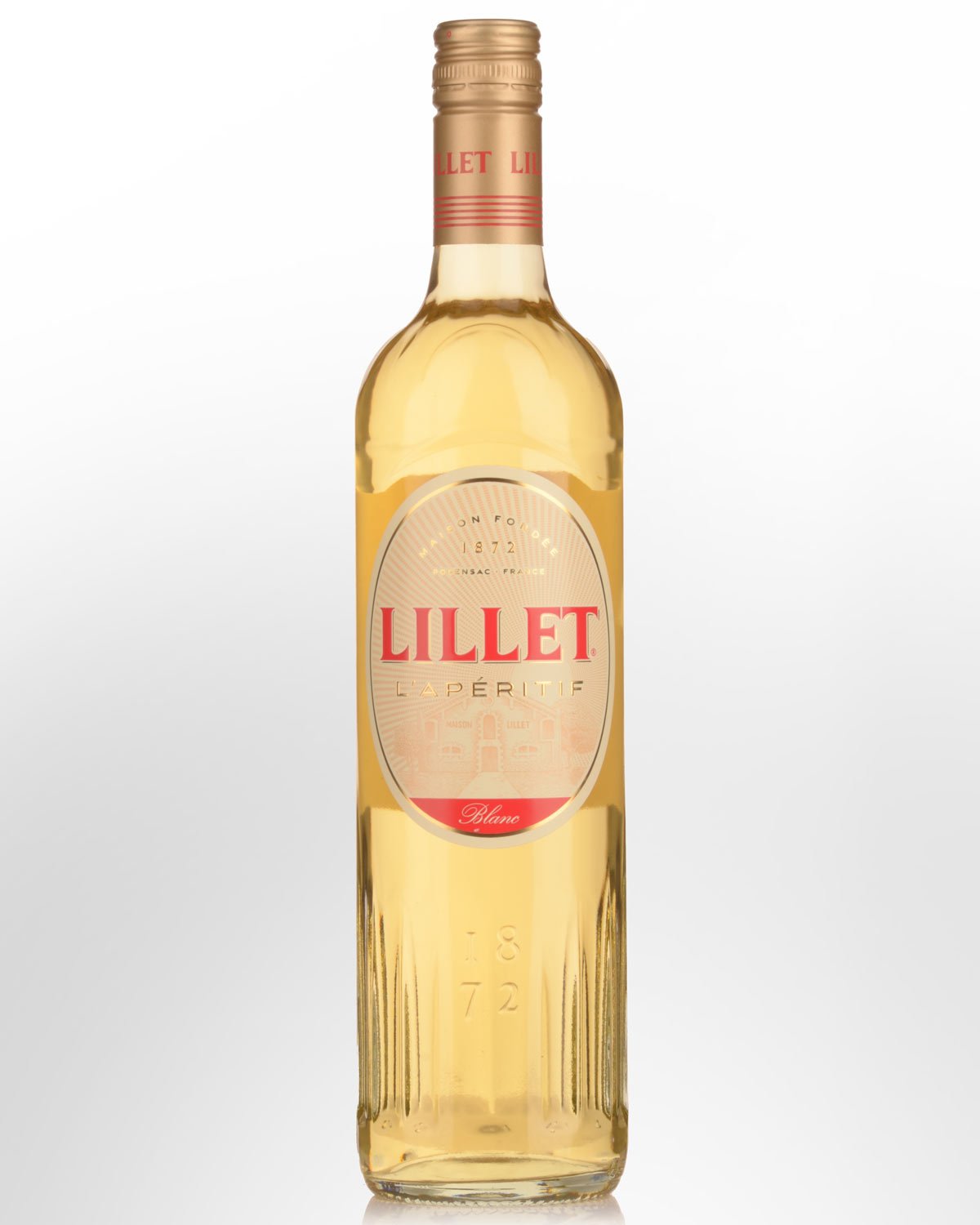
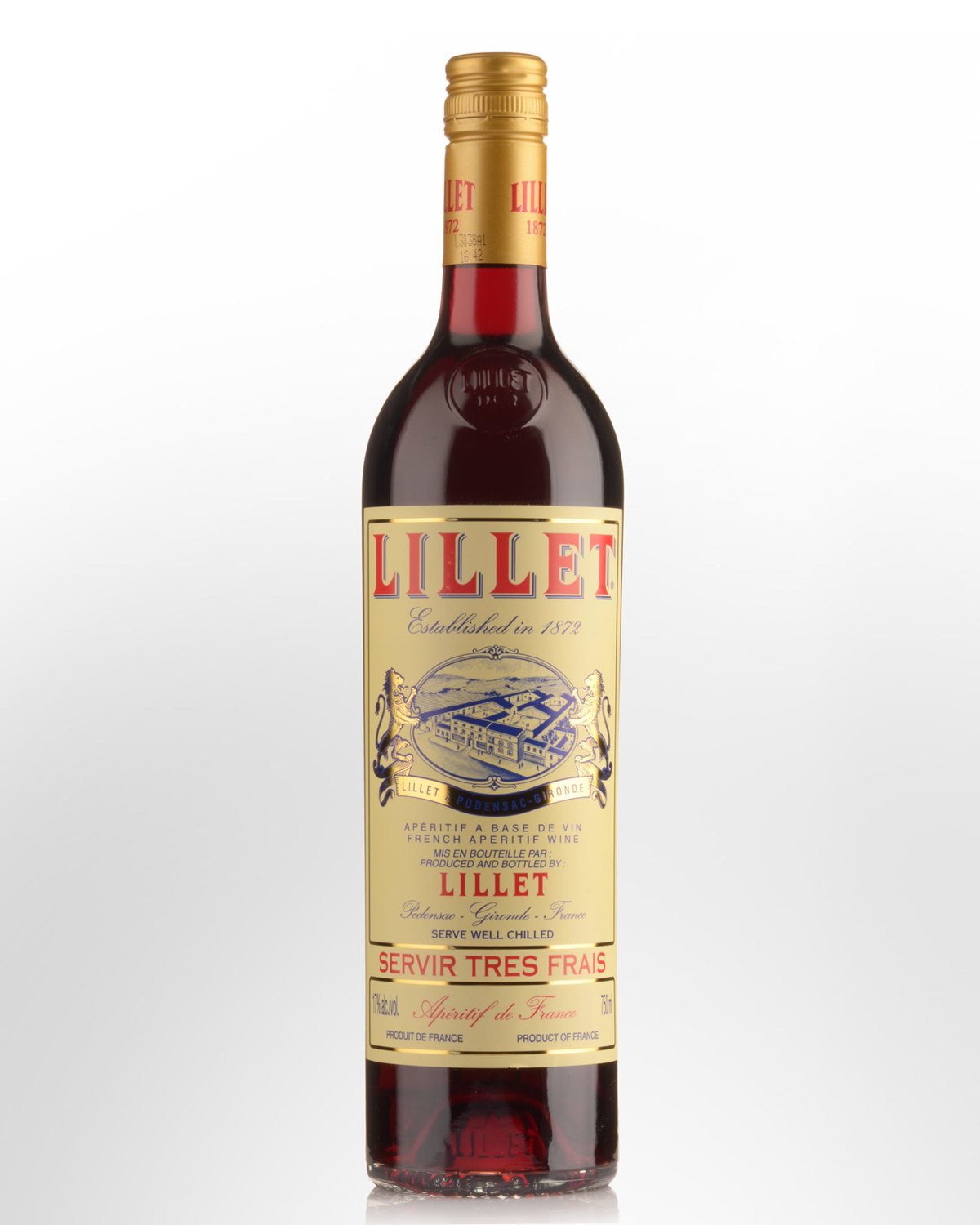
Lillet Blanc Aperitif (750ml)Podensac, Bordeaux, FRANCE$44.99$44.99Bottle$539.88DozenABV: 17%Closure: CorkLillet (pronounced lee-lay) is an aperitif wine; a type of drink traditionally enjoyed before a meal. It originated in 1887 in the Bordeaux region of France, a creation of the Lillet brothers, Paul and Raymond, distillers and merchants of spirits, soda, and candies. It was one of the first tonic wines, and became increasingly popular around the turn of the 20th century when tonic drinks were touted as good for the health. The ban against absinthe in 1915 also contributed to the popularity of the drink. In the 1950s and 60s, the golden age of cocktails, Lillet became the centerpiece of a number of drinks served in the fashionable bars and restaurants of New York City, where it was sometimes served flambé. It was also popularly served with gin in England.
While Lillet was originally a bitter tonic drink, the quinine content has now been reduced. There are now two types made - Lillet Blanc and Lillet Rouge. The Rouge version, made with red wine, appeared on the market in 1962. There are a number of options when serving Lillet. Lillet Blanc can be used in a Martini with gin and vodka and a lemon peel garnish; this drink, called a Vesper, was invented by the character James Bond in Ian Fleming's 1953 novel Casino Royale. Both can be served plain over ice or as the main ingredient in a number of cocktails.
After months of hard work we have secured good reliable stocks in time for summer and we are thrilled to have ended the Lillet drought in Australia. However, it's among the hottest items in town and it won't last forever. We advise you to stock up now to avoid disappointment. We are aware of this sounding like a cliche, but we can't think of the last time we made such a statement.
Tasting Notes: Brilliant pale straw colour with water like hue. Top notes of candied lime and orange blossom, above honey, ripe peach and apricot with subtle hints of strawberry and talc emerging. The palate delivers flavours of lime, marmalade, very ripe peaches and apricot above a layer of honey. Creamy mouthfeel. Back palate flavours of marmalade, peach and apricot persist through the crisp clean finish. Terrific length, depth and balance. Superb! Serve Chilled. 17% Alc./Vol.- Victoria, AUSTRALIA$47.99$47.99Bottle$575.88DozenABV: 17.5%
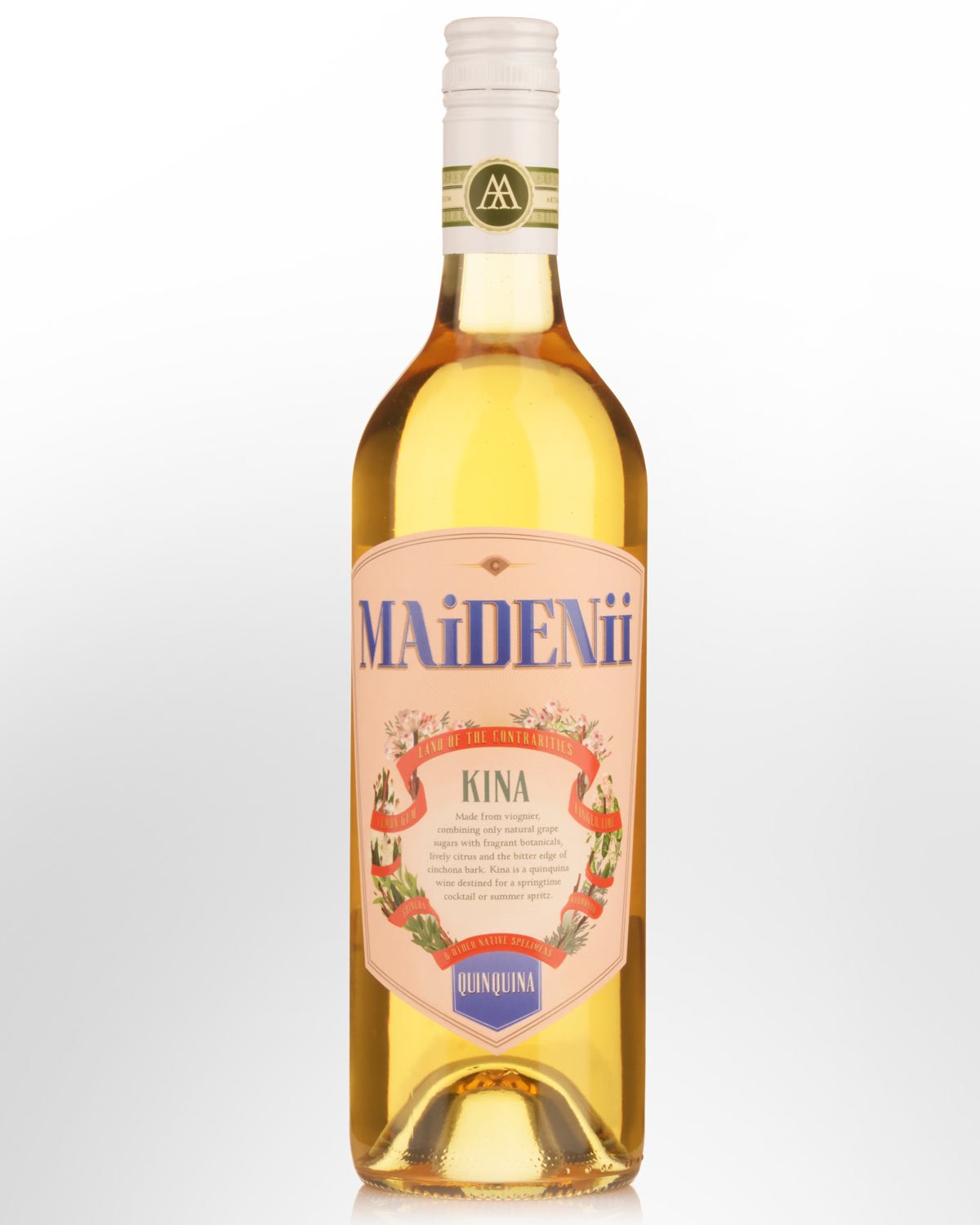
A logical extension to the outstanding Maidenii range comes in this Quinquina aperitif. Produced from Heathcote Viognier grapes as well as fragrant botanicals and citrus, rounded off with the bitter edge of cinchona bark. Pouring a pale straw colour, it offers lovely lifted notes of grapefruit, thyme, cool mint and delicate quinine. A fresh and breezy entry is followed by racy flavours of semi-ripe apricot, pink grapefruit and a delicately bitter, vibrant dried herb / quinine / mint finish that's remarkably long for the genre. Very appetising, this should mix brilliantly. 17.5% Alc./Vol.
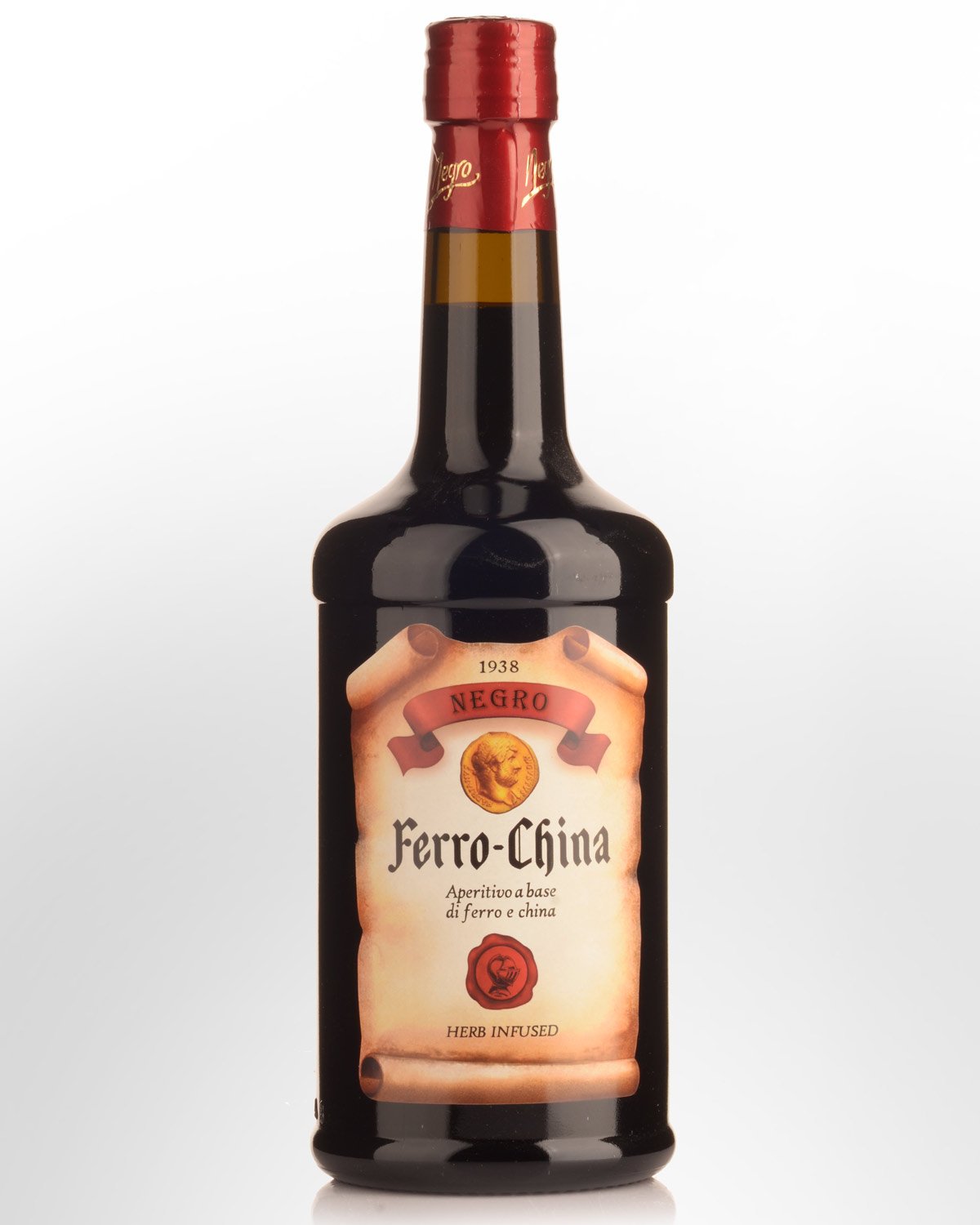
- AUSTRALIA$29.99$29.99Bottle$359.88DozenABV: 18%A herb infused fortified wine aperitif. Best served before a meal. A famous source of iron and appetite stimulant. 18% Alc./Vol. No tasting notes available.
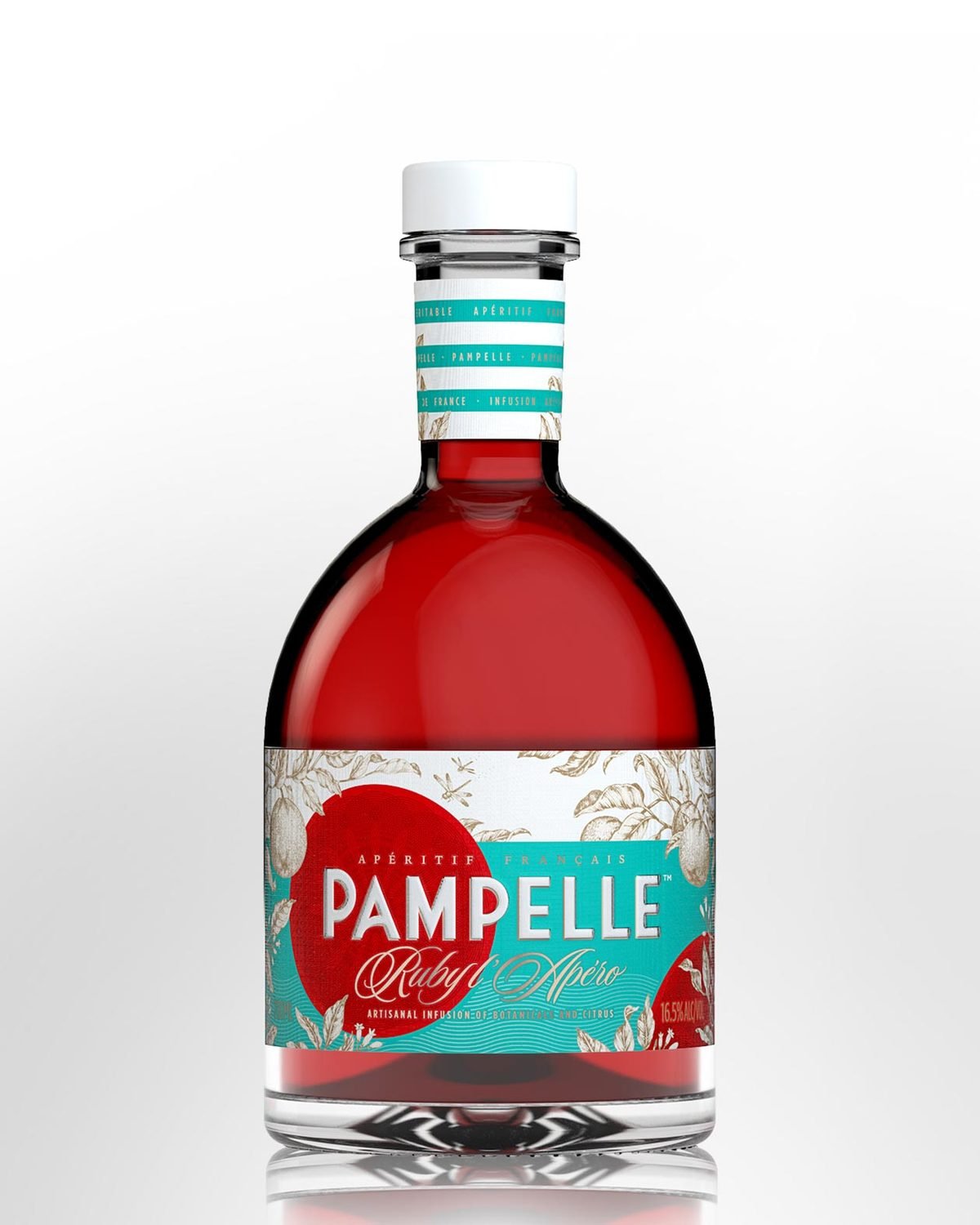
- FRANCE$49.99$49.99Bottle$599.88DozenABV: 15%In the style of a well-made dry vermouth, this pleasantly tart and refreshing aperitif from the Cognac region of France is an infusion of natural botanicals and citrus peels in Eau de Vie together with the key ingredient: Ruby Red Grapefruit from Corsica. Tasting note: Bright ruby red. Distinct ripe grapefruit aromas are lifted, authentic and true to the fruit. Follows through with light to medium bodied, semi-sweet grapefruit and herb flavours. Ends delicately bitter, citrus peel-fresh and engagingly long. Delicious Summer drinking. Will be endlessly mixable. 15% Alc./Vol.
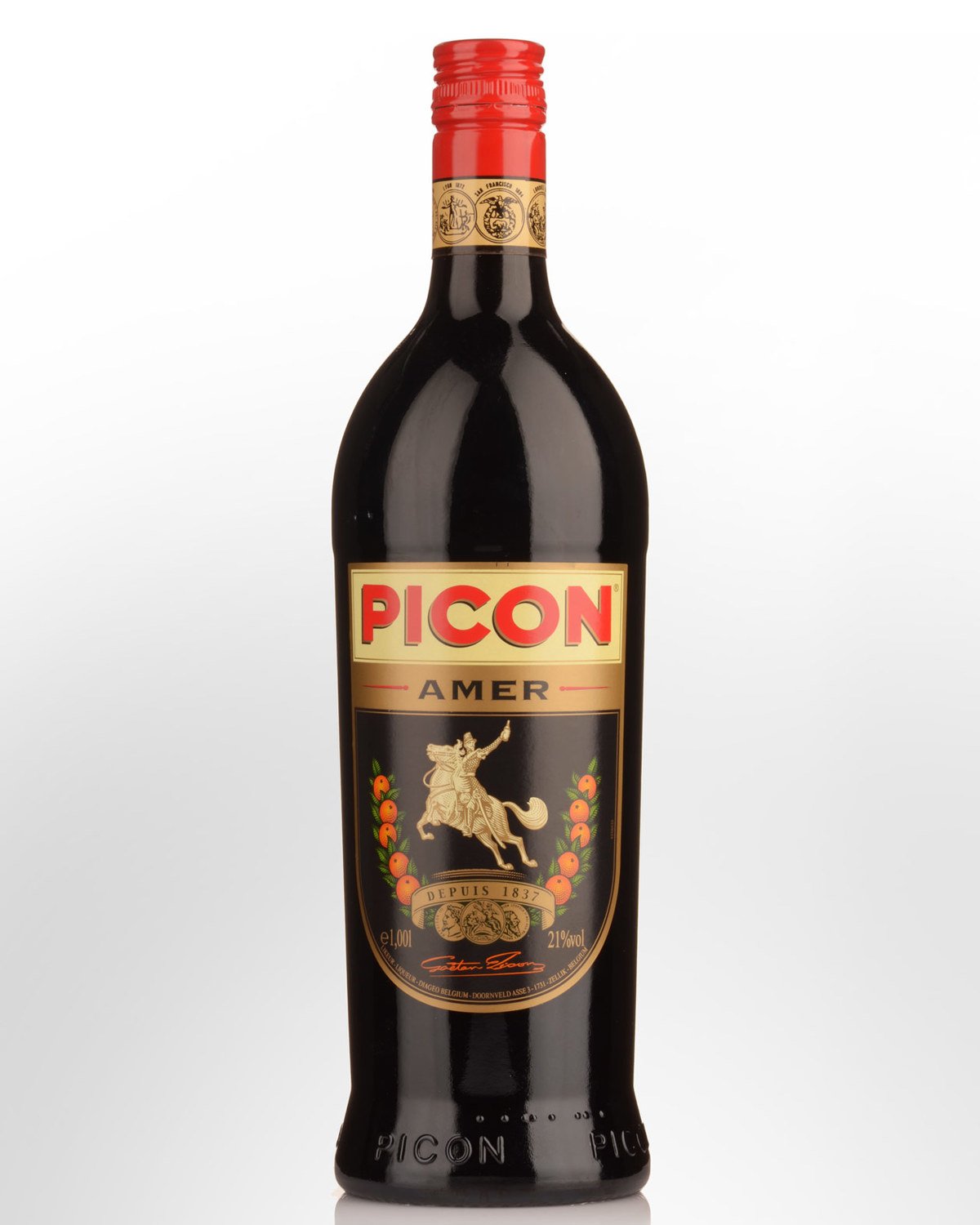
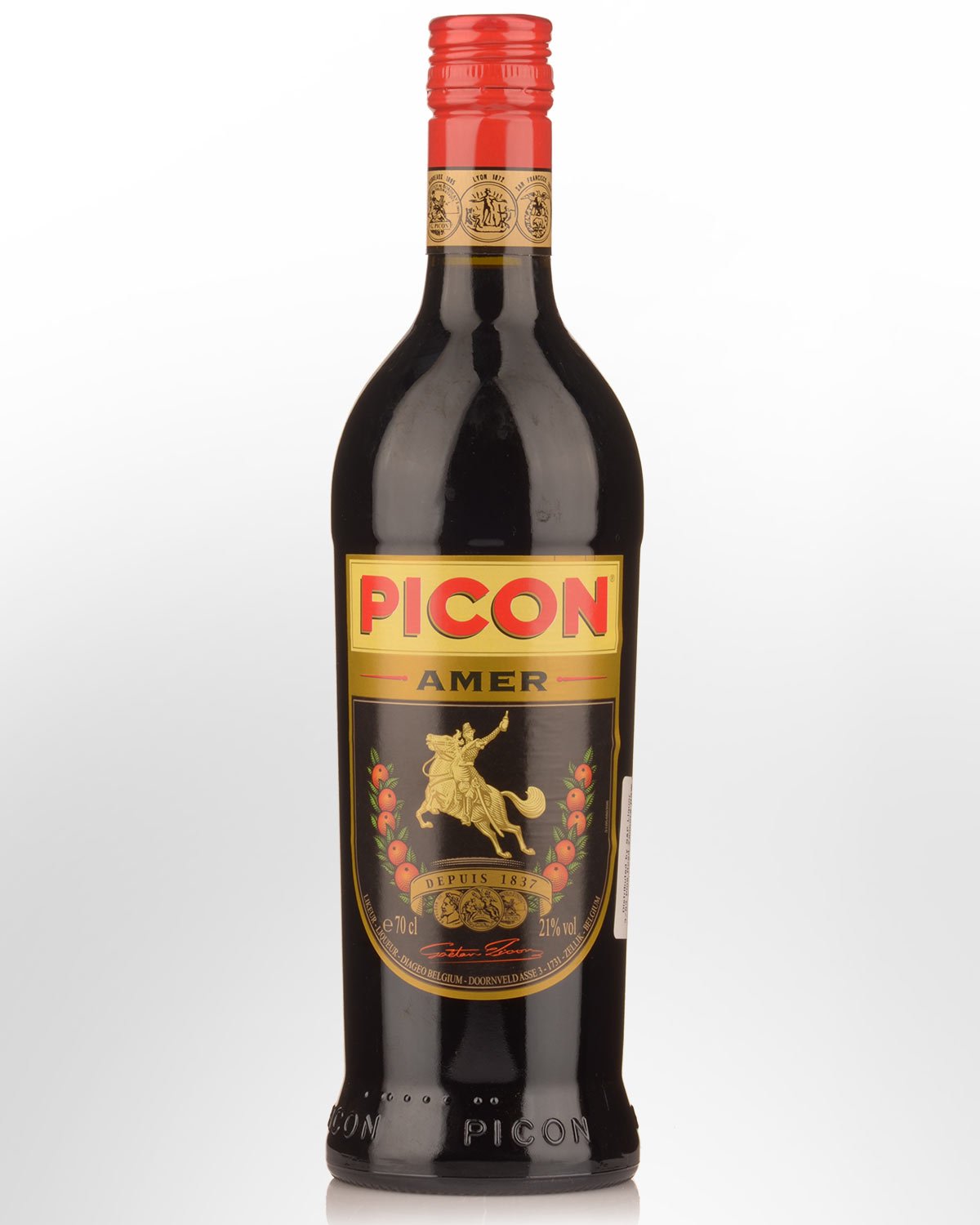
- BELGIUM$69.99$69.99Bottle$839.88DozenABV: 21%A much desired cocktail ingredient but generally hard to find is Picon Amer, with distribution for a long time limited to France. Despite being produced since 1837, making it a bar standard in early cocktail guides, it remains elusive outside of Europe. The proprietary recipe has no doubt changed slightly over the years, as has the ABV. However, orange remains the dominant flavour. Quinine, cinchona and gentian are also known ingredients (not surprising as "Amer" translates to "bitter".) Although it was popularised as a key element in cocktails like the "Liberal", the "Brooklyn" and the "Picon Punch", Amer is traditionally enjoyed straight up or over ice as an aperitif. It reportedly has more bitterness than Picon Club and Picon Biere. While bartenders often cite alternatives, such as Amaros, cross tastings suggest nothing quite equates to the distinctive taste of Picon Amer - if you can find it! 21% Alc./Vol.
- Packaging may vary
- Nicks Import
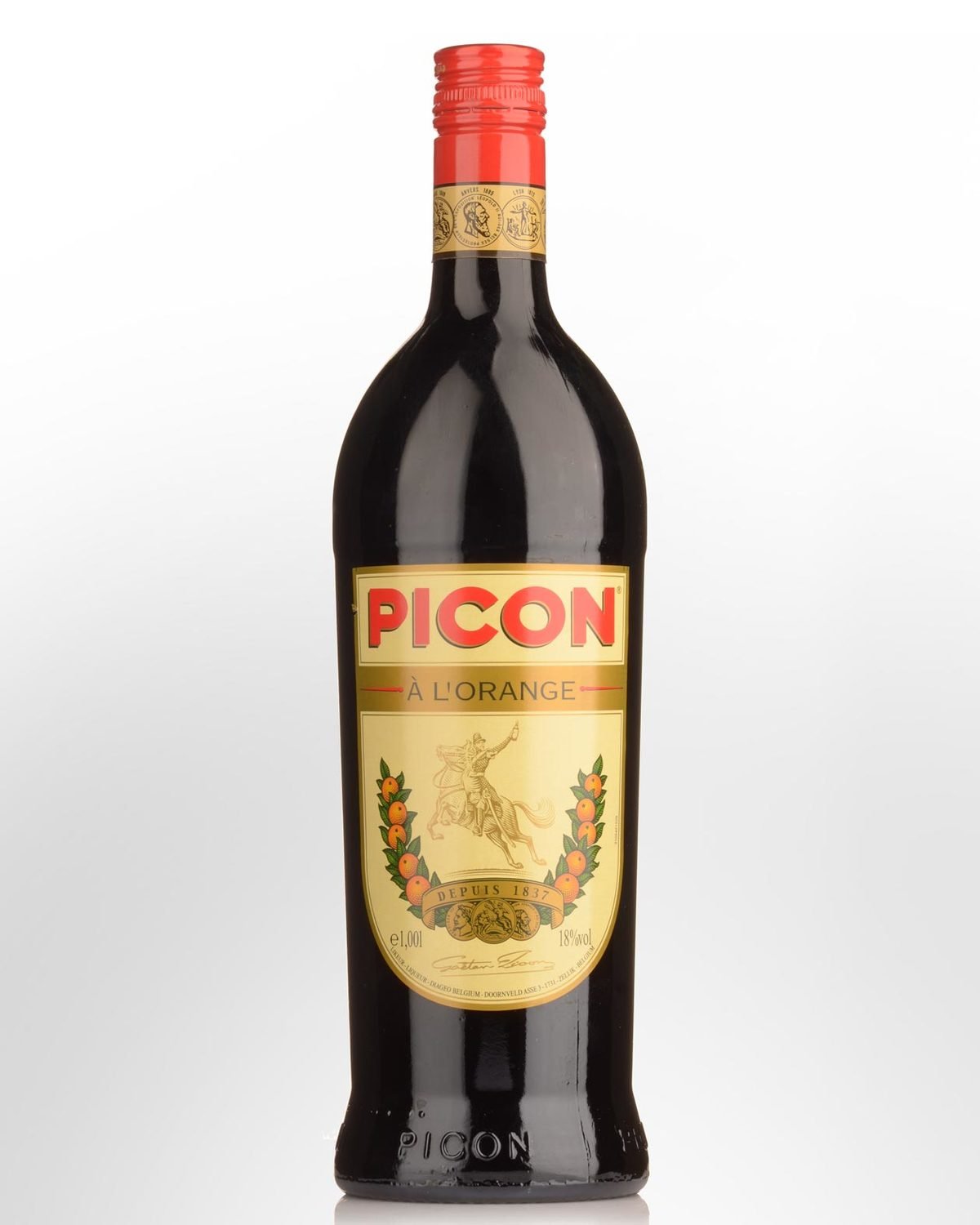
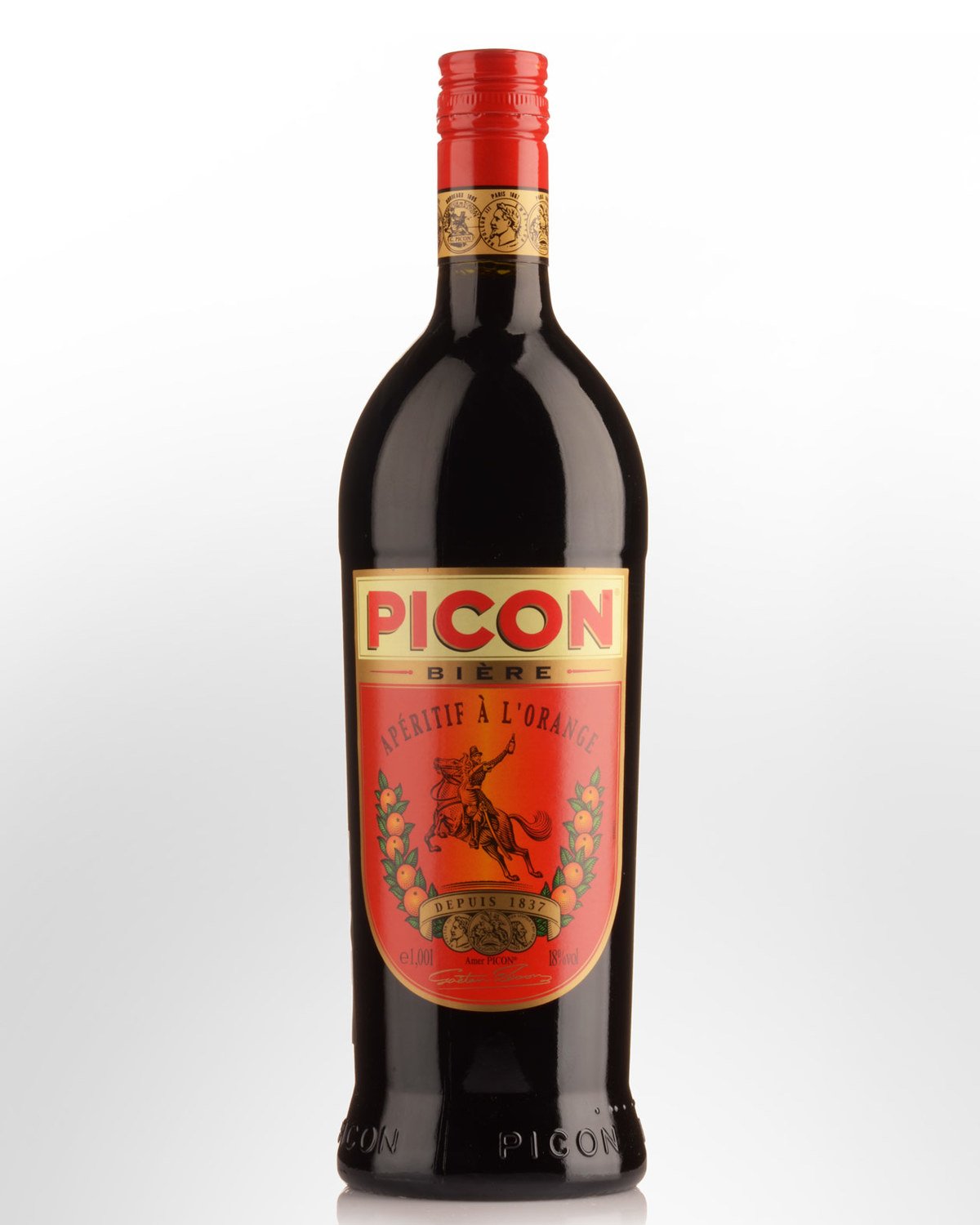
Picon L Orange (Formerly Club) (1000ml)Marseille, FRANCE$69.99$69.99Bottle$839.88DozenABV: 18%Note: Labelling may show as "A L'Orange" or "Club". These are the same product.
Fans of Picon Biere will be happy to know that Picon club is now available in Australia. While Picon Biere has for long been added to wheat and lager beers, there was a need for a bitter aperitif that would perfectly be suited to wine and wine cocktails, as the original Picon Biere had a tendency to sink to the bottom of a glass when used as an ingredient for the latter. Thus, in 1995 Picon Club was added to the range.
Club is darker and noticeably more intense on the flavour front, displaying a heady combination between empyreumatic (burnt, cooked or smoked notes) and torrefied (roasted wood) characters with heavy orange peel, opening the door for a whole new wave creativity on the cocktail scene with compositions such as Picon Mojito, Picon Punch, Death and Taxes, Amarissimo, and many more. Although Picon club and Picon Biere are now under the umbrella of a spirits giant conglomerate, it is notoriously difficult to source (with bartenders in the US literally having to smuggle it out of Europe) and this distinctive drink is now in higher demand than ever in its history.
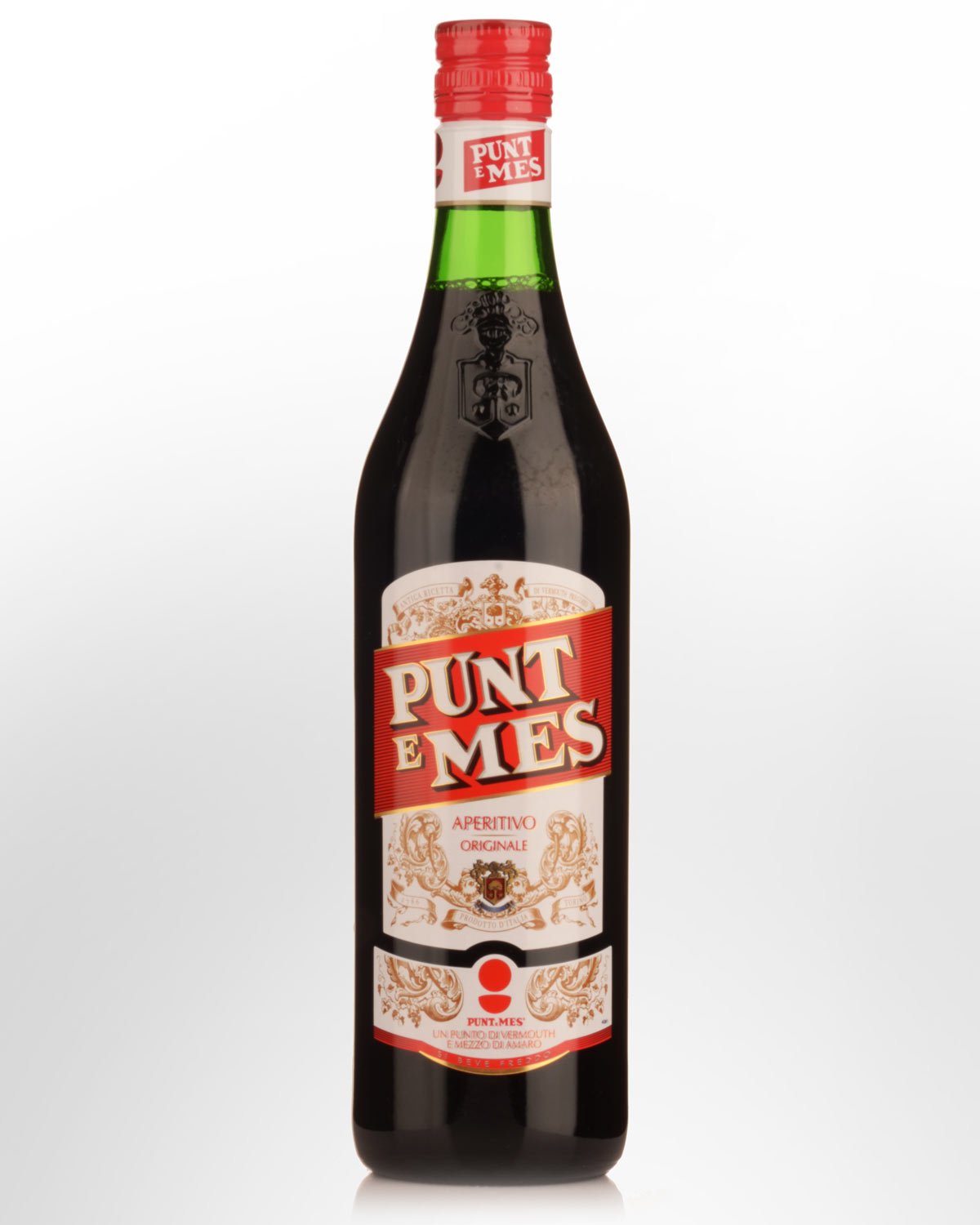
- ITALY$49.99$49.99Bottle$599.88DozenABV: 16%
Following the successful release of Carpano Antica Formula vermouth, we had customers searching for another of Carpano's creations, Punt e Mes. Like Antica Formula, Punt e Mes is a vermouth of outstanding quality, but features a dramatically different flavour profile. Whilst the two share a similar, sweet luxurious palate entry, Carpano's back palate is sweet, soft and luscious, while the back palate of Punt e Mes offers very bitter flavours similar to Campari. Best consumed in cocktails that require some bitterness and spice to balance sweetness, or with ice and soda before dinner. 16% Alc./Vol.
Other reviews... Cola brown in color and dense with flavor, the venerable Punt e Mes is pretty much at the end of the line in the world of sweet vermouth. As brand owner Branca puts it, “The story goes that back in 1870 a stock broker, caught up in a debate with a few colleagues at Bottega Carpano, ordered a vermouth laced with half a dose of quina liqueur using a Piedmont dialect expression: ‘Punt e Mes’ (roughly translatable as ‘one and a half’).” ...Punt e Mes blurs the line between a sweet vermouth and an amaro. The nose is intensely bitter, with just a trace of sweetness to it. On the body, bitter orange, cloves, and quinine dominate before giving way to a finish that’s loaded with coffee, cola, and ample prune notes. Hints of cinnamon, some sweeter citrus notes — both lemon and orange — and a touch of gingerbread also emerge from time to time. The finish is just about equally bitter and sweet, which is quite a remarkable feat, actually. Not a vermouth to be trifled with, Punt e Mes is best experienced in moderation in cocktails that demand — or deserve — complexity. - drinkhacker.com
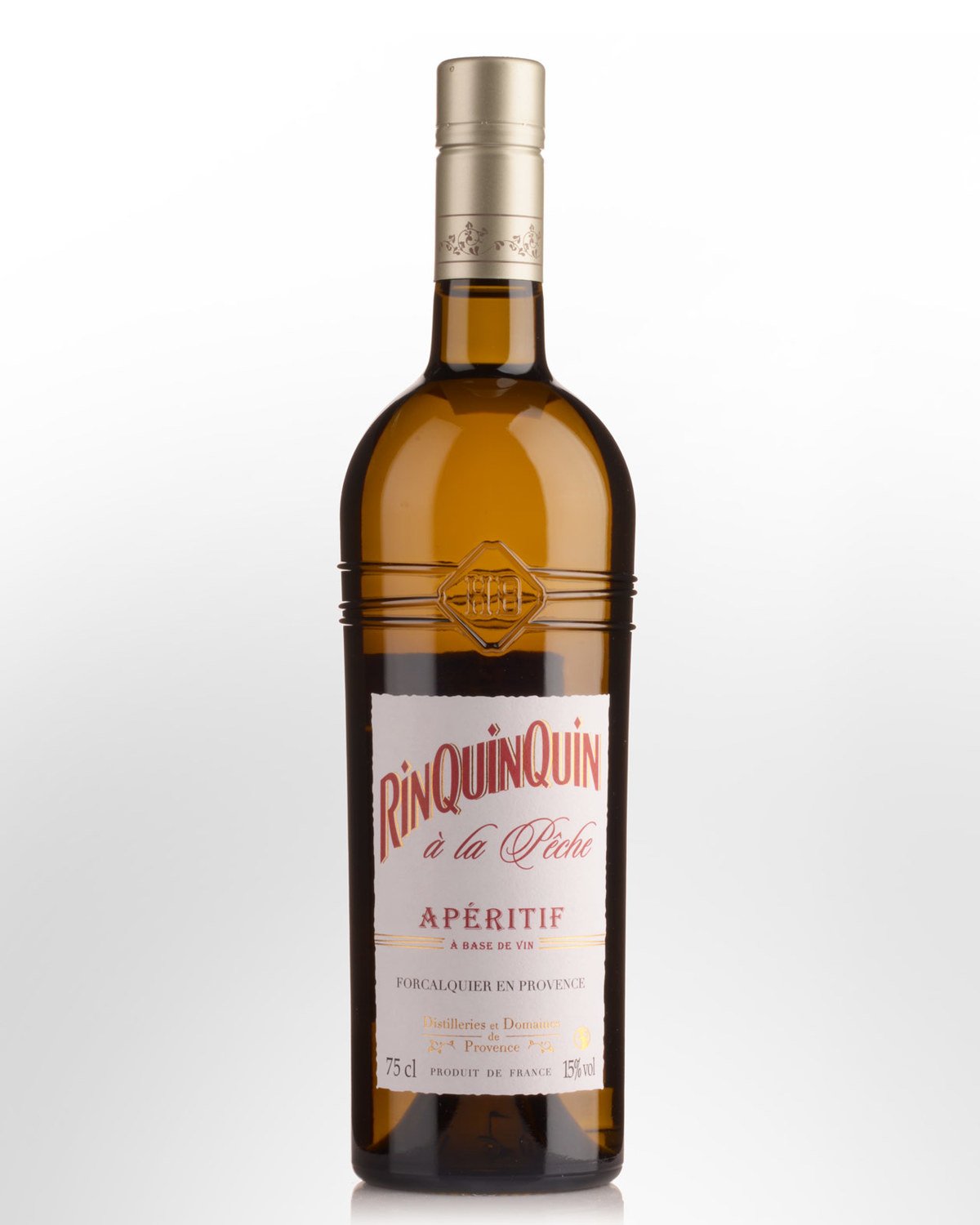
- Provence, FRANCE$48.99$48.99Bottle$587.88DozenABV: 15%Closure: Cork
Rinquiquin is the quintessential Provencal aperitif, made from a maceration of 3 varieties of peaches : Cardinale, Coronet and Junegold, as well as peach leaves harvested just before fall, macerated in a blend of white wine and alcohol.
Like many aperitives in France , Rinquinquin was used for its therapeutic properties well before becoming a staple of the Provencal diet, the name itself is derived from "requinquer" or invigorating in english. Virtually every family had its own recipes, the most sought after being made with the now virtually disappeared "peche de vignes".The resulting infusions of peaches and leaves are always matured and Rinquinquin typically spends 6 months in barrels to harmonise this subtle blend.
Other reviews... Straw-yellow color. Bouquet is dry, fruity and soft, with a trace of peach pit bitterness. On palate, the peach flavor is delicate, yet ripe; by midpalate, the ripe peach taste dominates. Aftertaste is fruity, but carries enough acidity to maintain crispness. Serve slightly chilled at 50°-55°F. Best Buy. 15% Alc./Vol.
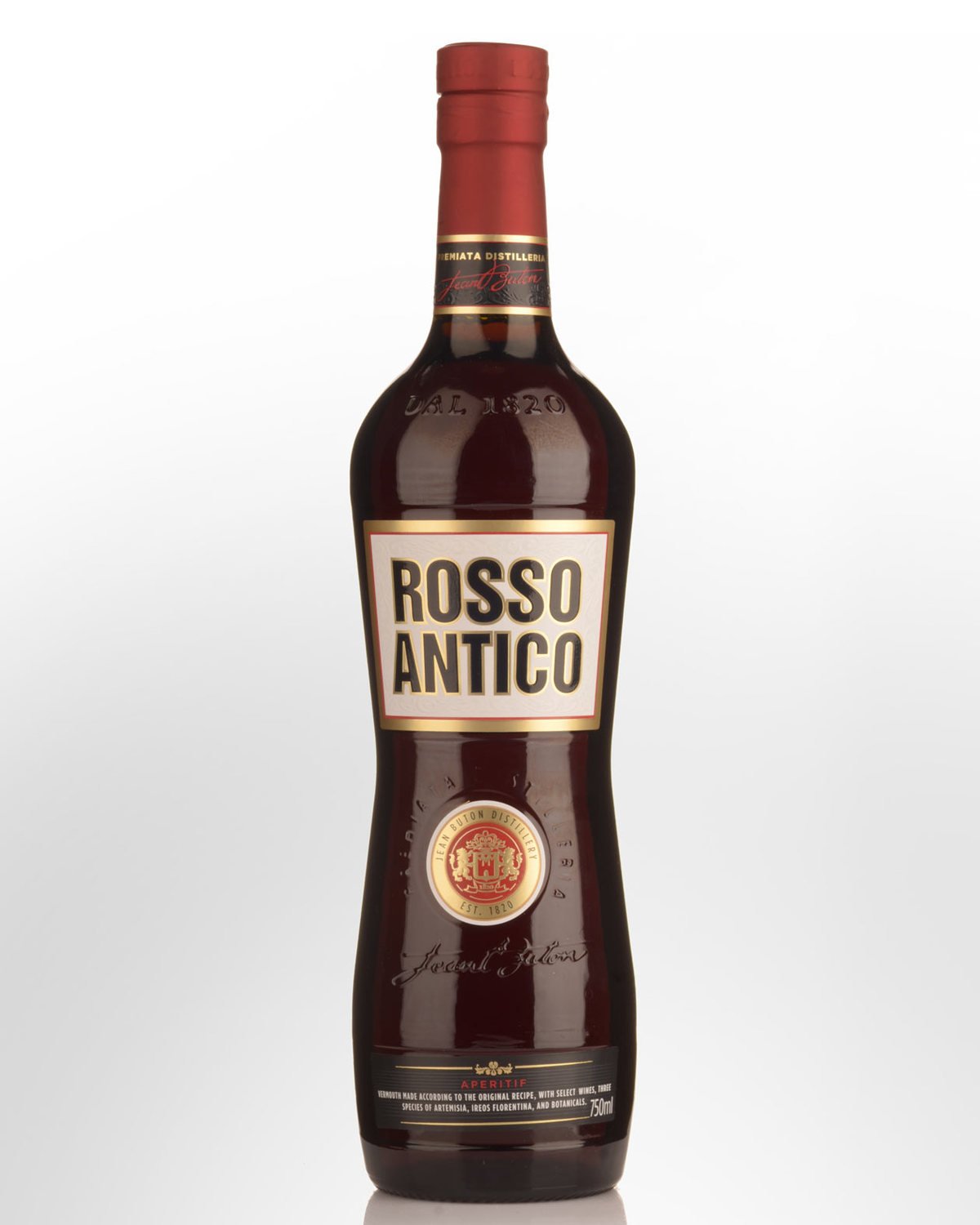
85-89 points -www.wineenthusiast.com - ITALY$28.99$28.99Bottle$347.88DozenABV: 16%Closure: CorkTranslated literally as “Ancient Red”, Rosso Antico is an aromatised, lightly fortified wine made from neutral grape alcohol, 32 herbs and spices including sage, thyme, elder, rhubarb, china bark and rosemary. Ruby red in colour, bittersweet on the palate with an aftertaste of peels and spices, Rosso Antico is excellent when served with ice and a slice of lemon to make the perfect aperitif. It blends particularly well with vodka, rum and gin. As a refreshing long drink, Rosso Antico mixes with orange juice, lemon squash or simply with cola. 16% Alc./Vol.
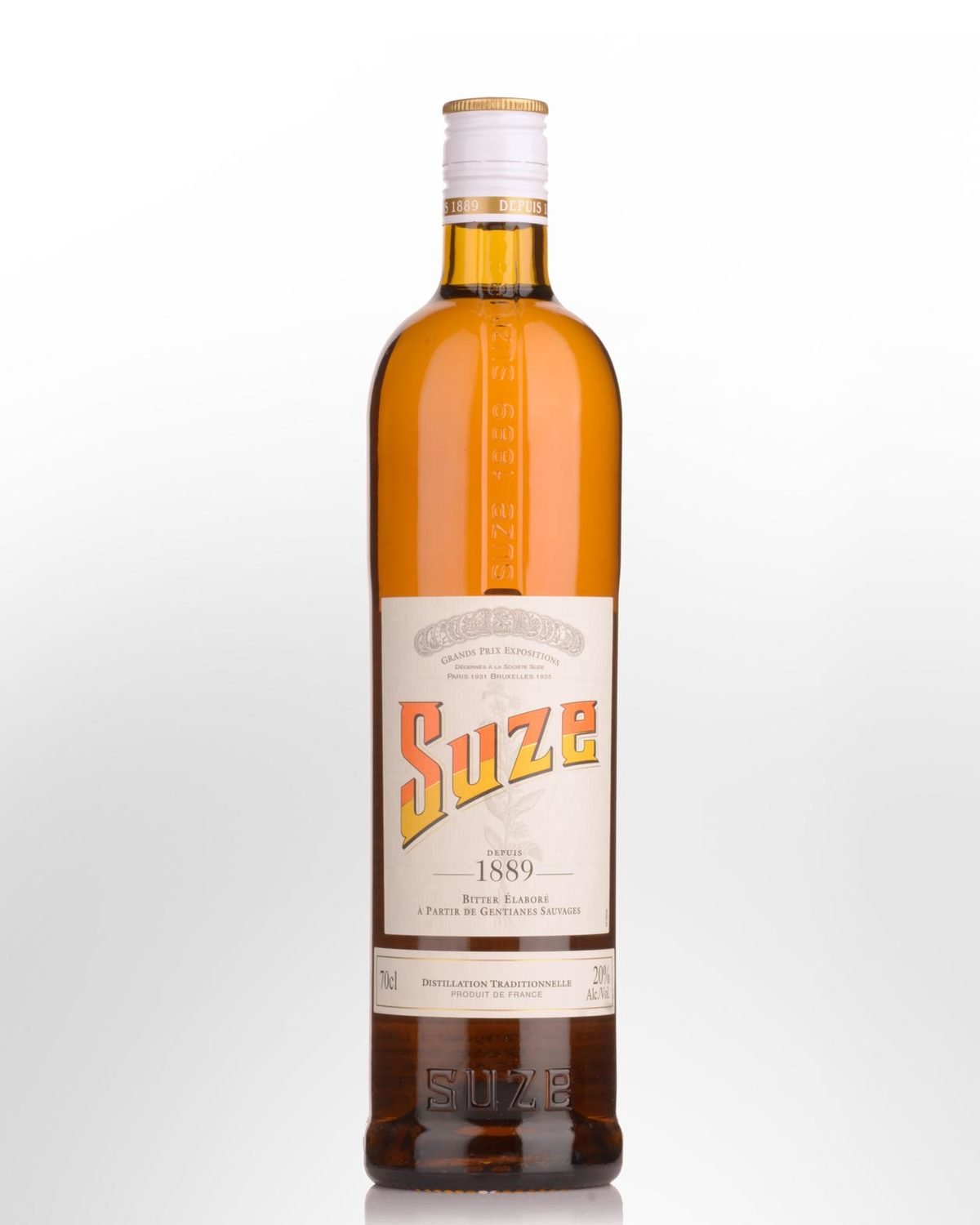
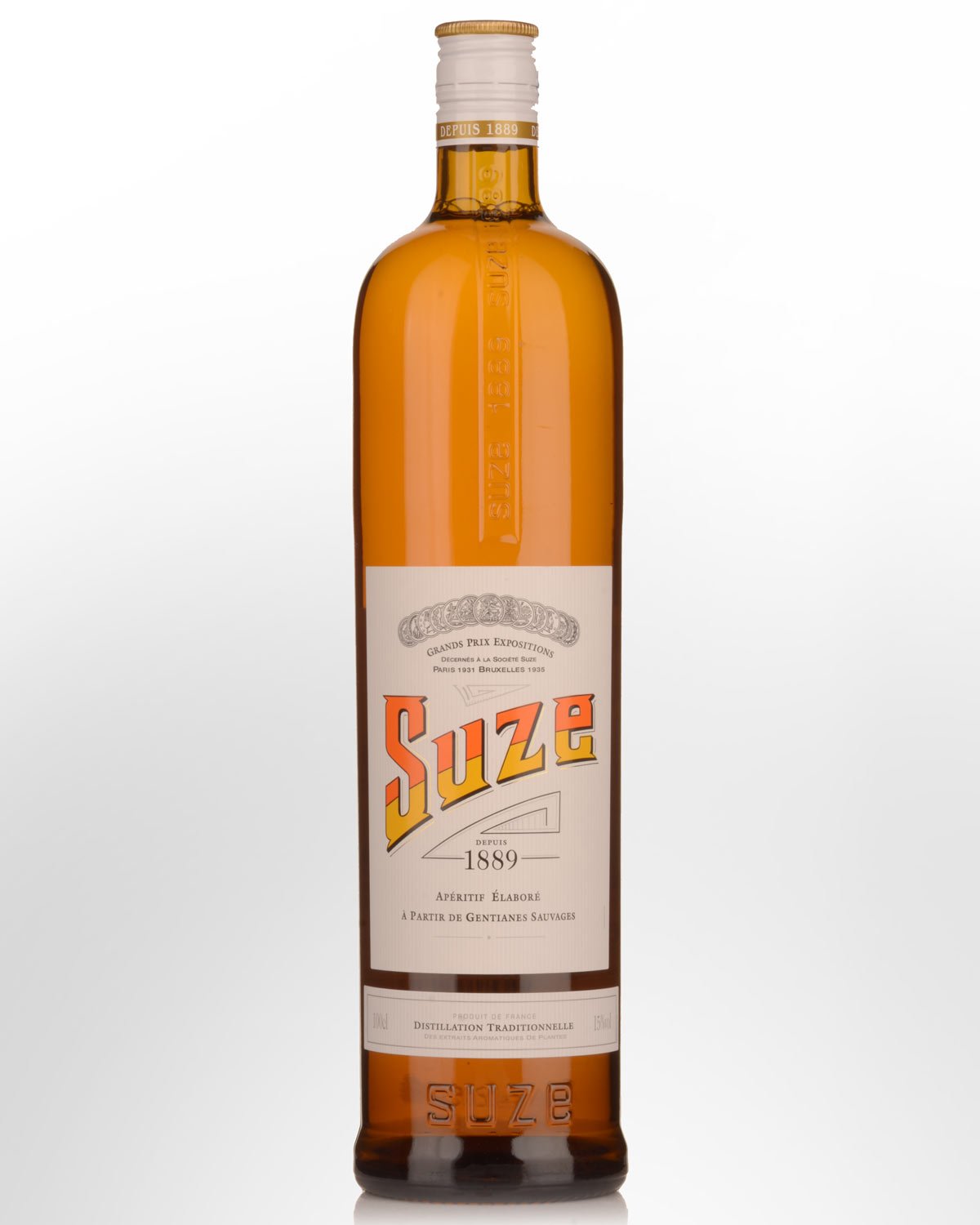
- FRANCE$65.99$65.99Bottle$791.88DozenABV: 20%Closure: Screw Cap
'Suze' was created in 1889, at the Rousseau, Laurens and Moureaux distillery in the outskirts of Paris. To differentiate his product from the many wine based aperitifs of the day, Fernand Moureaux decided to create an aperitif from the Gentian plant, a yellow Alpine flower with massive roots that dig deeply into the flanks of mountains. It is these same roots that are used to prepare the base material of the liqueur.
Legend has it that Moureaux bought the formula from an old distiller in the Canton de Bern on the Swiss Jura Mountains where Gentian thrives, and where the river Suze flows. Here, Hans Kappeler had been selling "Or des Alpes" to the locals for years as a remedial tonic. Late in his life, sick and almost financially ruined, Kappeler may well have taken the opportunity to sell his creation to the French negociant. The story goes he convinced Moureaux that one day his liqueur "would flow in France like the Suze", in reference to the river passing through the village.
A more prosaic version has it that the aperitif was named after Fernand Moureaux's sister in law, Suzanne Jaspart, who enjoyed the drink during sessions of tennis. Regardless, Suze became a sensation due to its original flavour. A testament to its popularity is the plethora of advertising material that was produced around the brand by illustrious artists including Pablo Picasso, and the nickname it received from fans - "The Yellow Fairy!"
In the present day production of Suze, wild Gentian is still sourced from Jura, but also from Auvergne where other famous brands of Gentian liqueur are still produced. The modern-day Suze is much sweeter than the original recipe, but still includes all of the aromatic plants in its formula, though exactly which remains closely guarded.
The gentle alliance of sweetness and bitterness is the trademark of this aperitif, which continues to be the biggest selling in its category. It also makes it hugely versatile:
Try it neat or on the rocks: Traditionally enjoyed chilled as a pre-dinner drink. Pour it over a single ice cube, let it dilute slightly to cut the sweetness, and enjoy as the French do.
Suze Tonic: Mix 1 part Suze with 3 parts premium tonic water over ice, and garnish with a twist of lemon. The quinine accentuates the herbal, medicinal notes of the gentian root, making it a fantastic low-alcohol alternative to a standard Gin & Tonic.
In a White Negroni: Substitute Campari with Suze in a classic Negroni (mix with gin and dry vermouth) for a lighter, more herbal, and floral cocktail.
Suze Spritz: Combine 50ml of dry white wine or sparkling wine, 50ml of Suze, and 25ml of soda water over ice with a lemon slice
With Citrus: Serve it over ice with a lemon or orange twist to highlight its bright, citric notes.
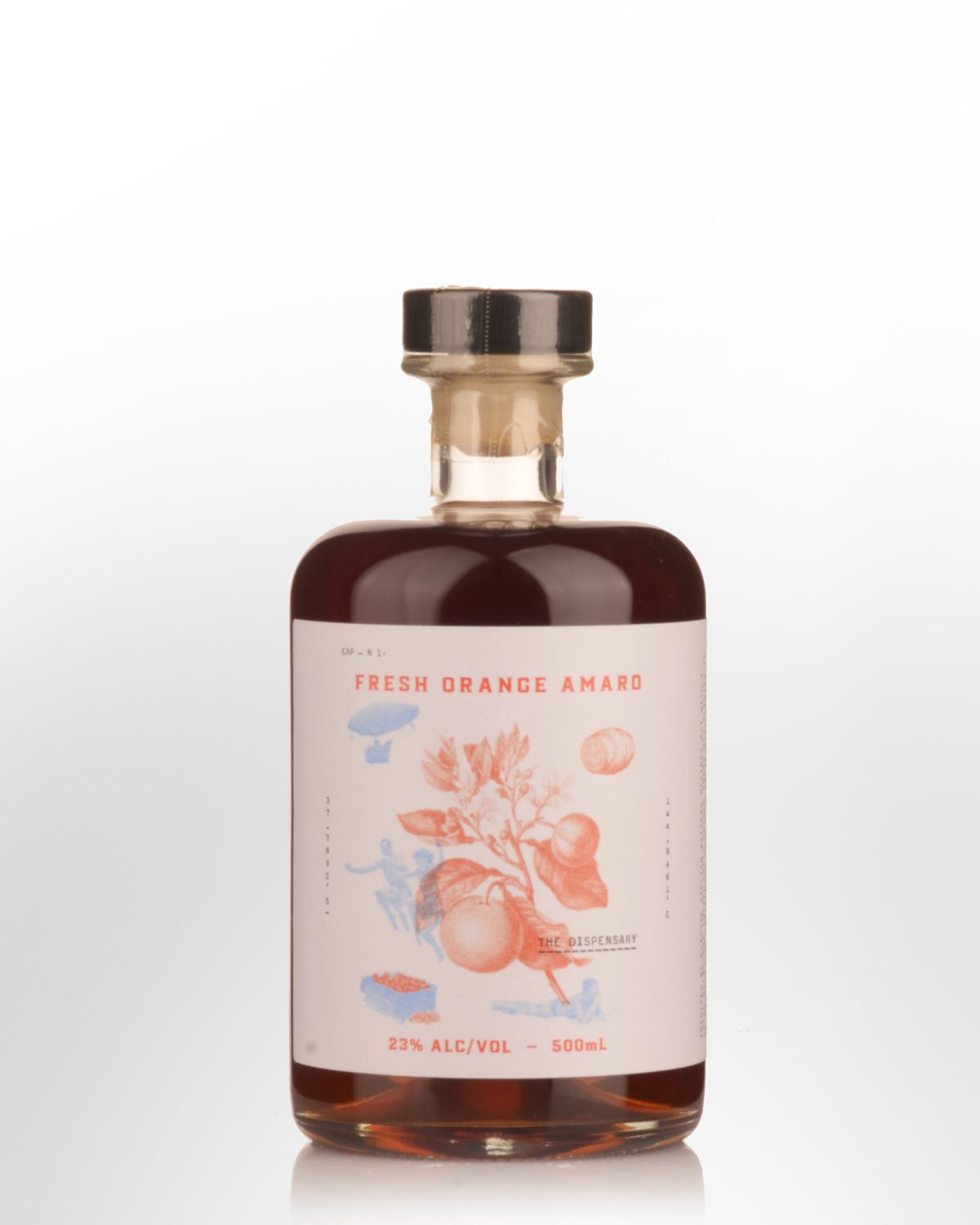
- Melbourne, Victoria, AUSTRALIA$39.99$39.99Bottle$479.88DozenABV: 23%
The brand famous for its rye whiskies is branching out under sub-label "The Dispensary". This addition started out as an in-house experiment, inspired by classic Italian bitters but with a local Melbourne twist. Deep citrus notes are softened with floral and fresh fruit sweetness creating a blend to be consumed in the Summer months. “You could say Rye Whiskey is our first love, but seriously, who doesn’t love a spritz in the park on a sunny Melbourne afternoon?” says Andrew Fitzgerald, Co-Founder of The Gospel. For a boozier cocktail, pair it with The Gospel Solera Rye in a Boulevardier, or add extra depth and complexity to a Negroni. Or simply serve tall with soda water and an orange wedge. 23% Alc./Vol.
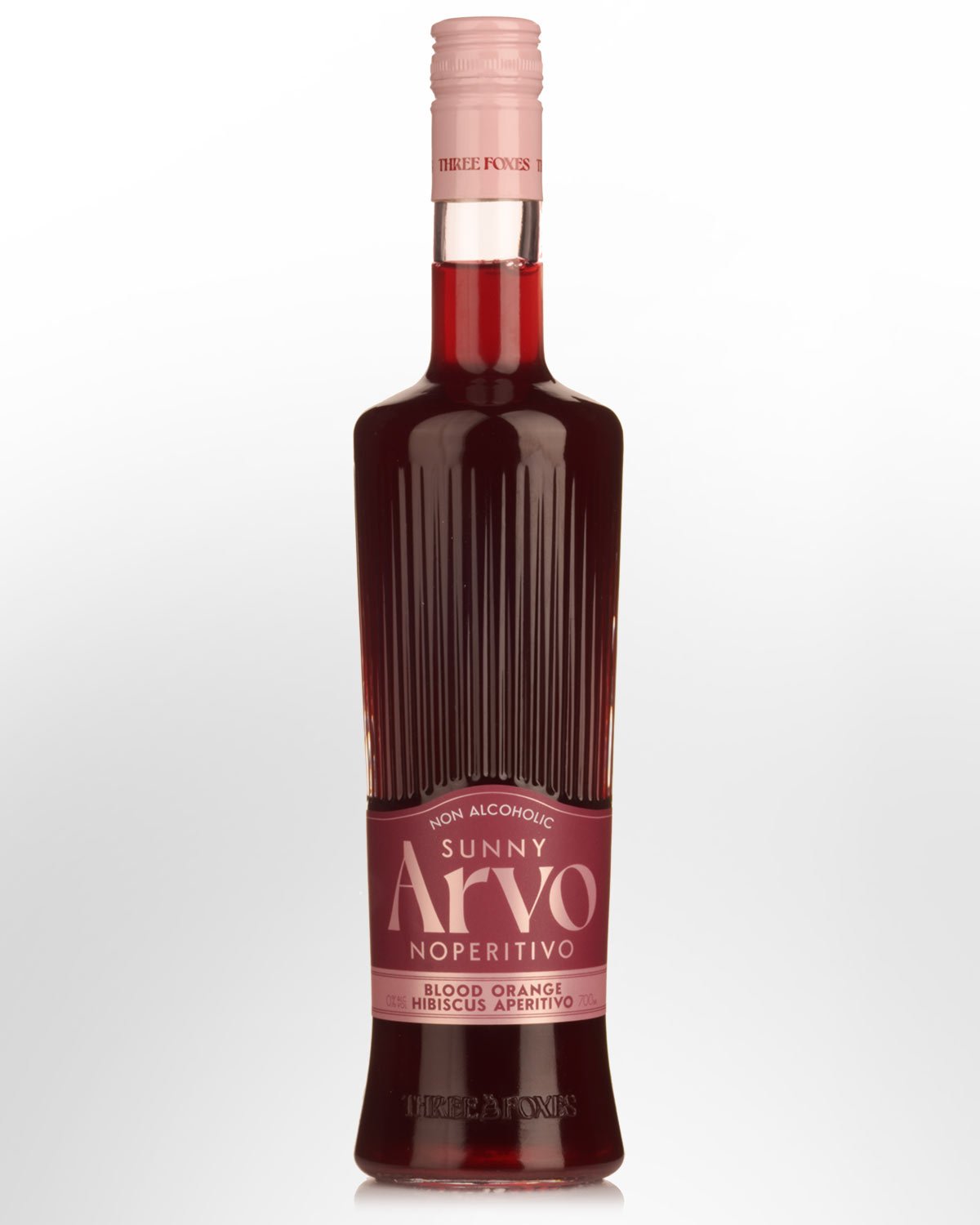
- Melbourne, Victoria, AUSTRALIA$24.99$24.99Bottle$299.88Dozen
Australia's first organic, non-alcoholic aperitivo. Daring and bittersweet, bursting with a blend of citrus, decorated with rosella, lemon myrtle and a bouquet of aromatic spices. Perfect for a sunny arvo, on the rocks or in your favourite spritz. Certified organic.
San Francisco Spirits Competition 2024 - BRONZE
San Francisco Spirits Competition 2023 - BRONZE
London Spirits Awards 2023 - SILVER - Packaging may vary
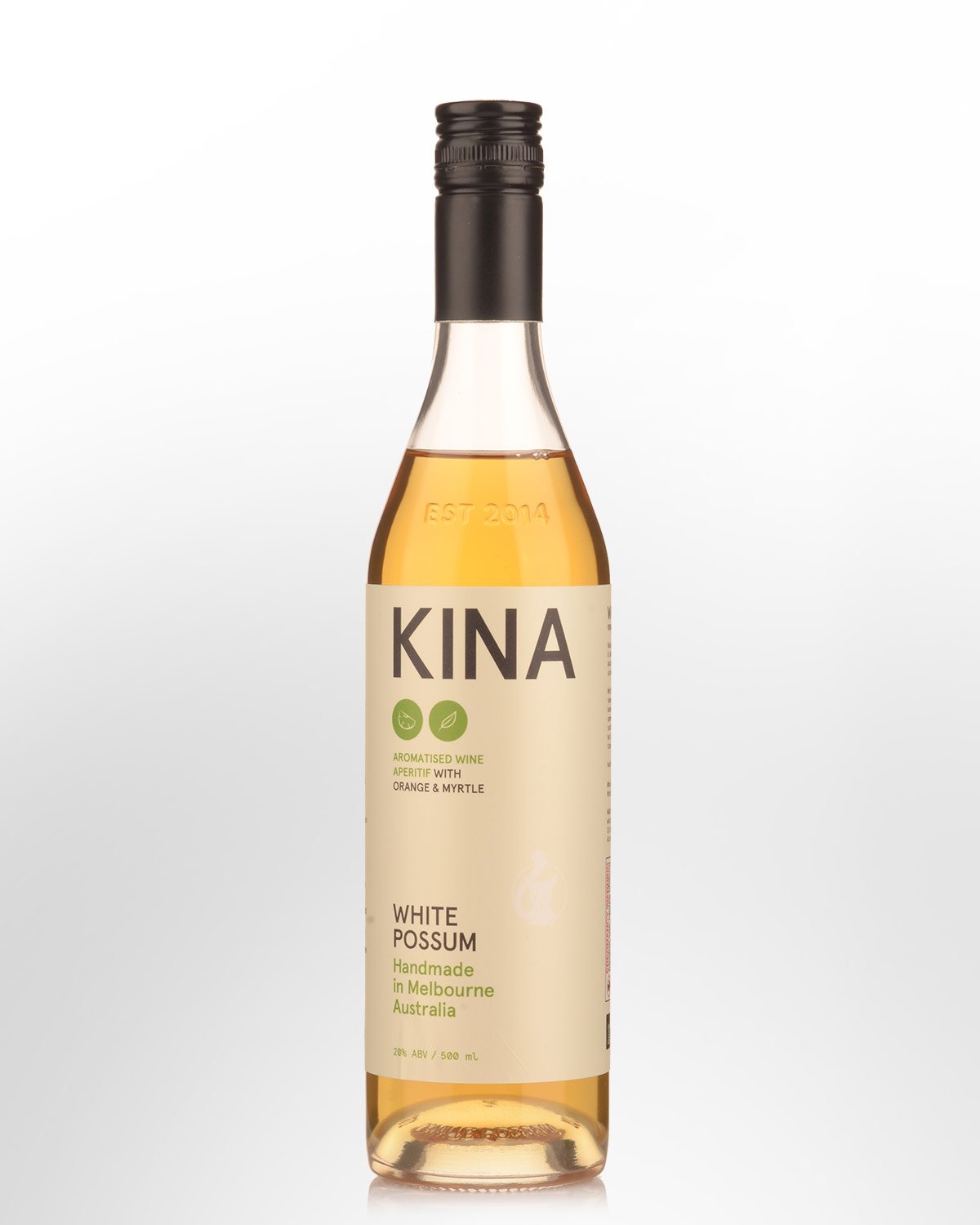
White Possum Naked Kina Liqueur (500ml)AUSTRALIA$49.99$49.99Bottle$599.88DozenABV: 20%Naked Kina is a take on a quinquina, a bittersweet wine based liqueur designed to be served chilled as an aperitif or mixed in a number of classic cocktails. This refreshing drink starts its life as a small batch Sauvignon Blanc, which is then fortified with a combination of sugar cane spirit and distilled wine. It's then infused with fresh local orange peels, cinnamon myrtle, strawberry gum and a handful of earthy herbs. The remaining orange hearts are given away to a local cafe manager who presses them into fresh orange juice. Zero filtration takes place before bottling, so you may notice some sediment in the bottle. Once opened, keep it in the fridge to maintain optimal freshness. No artificial colours, flavours or preservatives. Vegan friendly and Gluten free. 20% Alc./Vol.
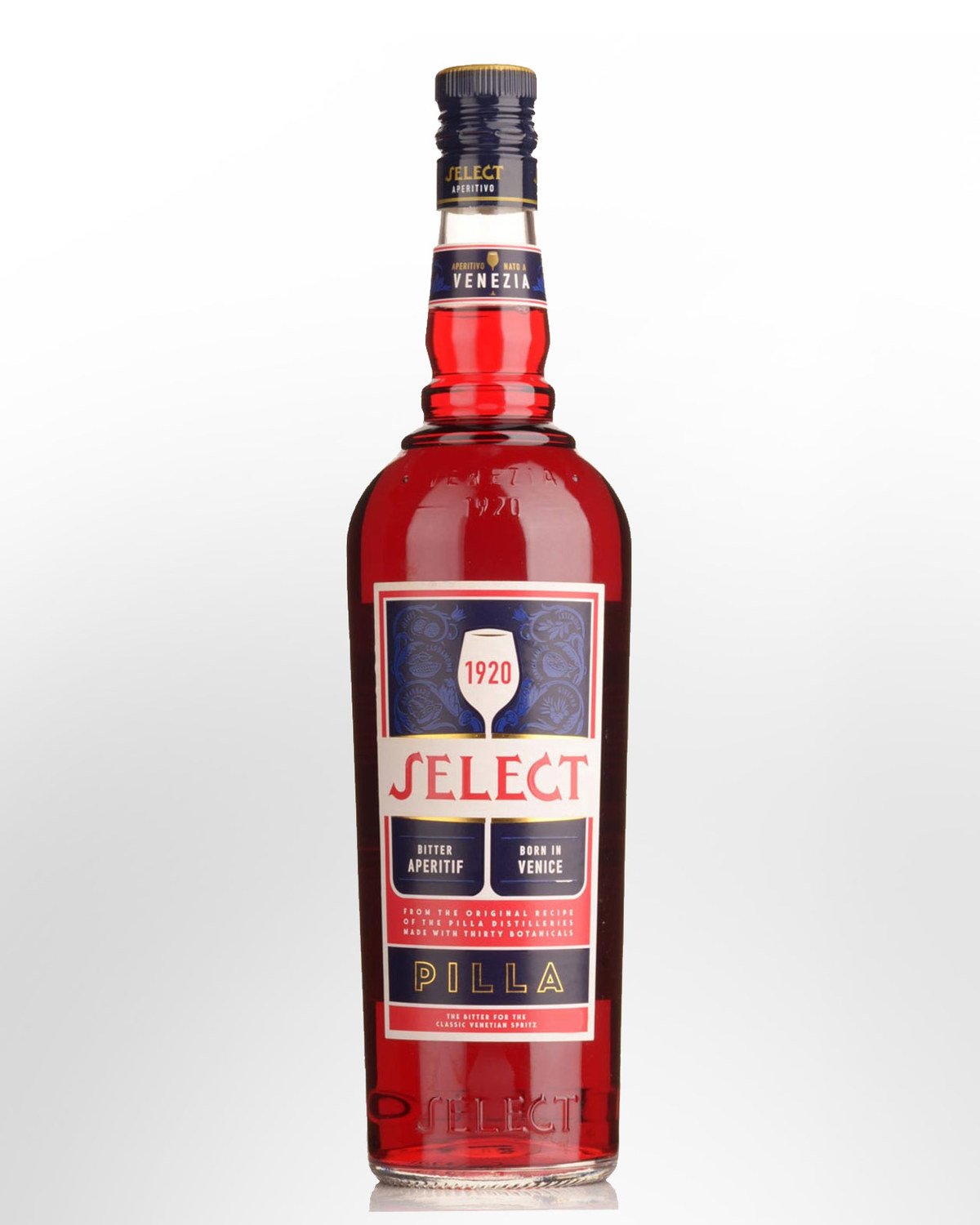
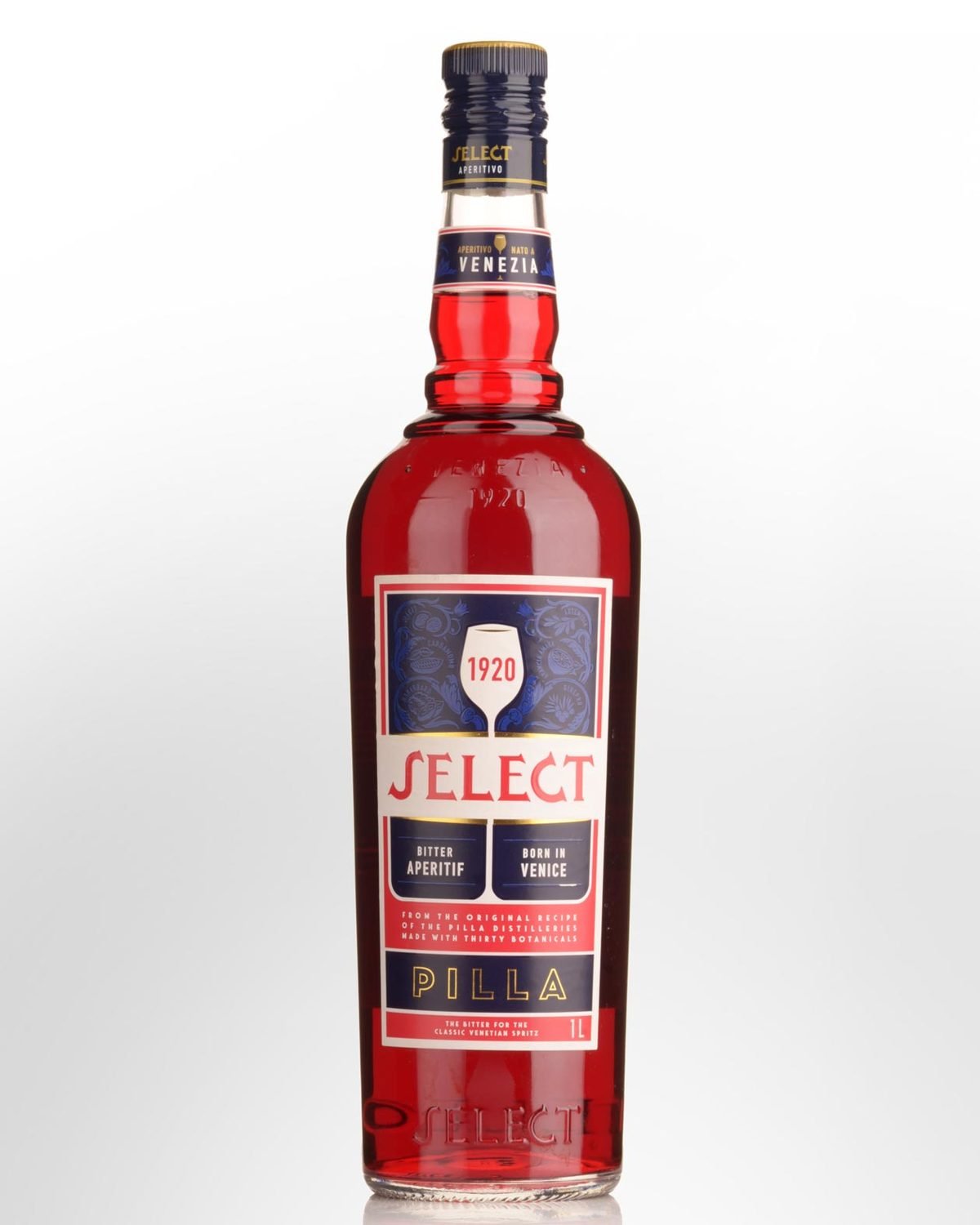
- ITALY$38.99$38.99Bottle$467.88DozenABV: 17.5%It seems almost every region of Italy has its preferred 'aperitivo', and in Venice, it's 'Select'. Created in 1920 by two brothers at the Pilla distillery in Venice, a city renowned for liquors, it's made by carefully blending, boiling and macerating 30 botanicals, including juniper berries and rhubarb roots; the juniper adds balsamic and floral notes, while the rhubarb contributes the required bitterness. Select went on to become the star of the Venetian cocktail scene and a key ingredient in the original Venetian Spritz. The recipe is simple: 3 parts prosecco, 2 parts Select, 1 part soda, one green olive and lots of ice. The result is a well balanced, bittersweet taste that's deliciously refreshing. In short, if you like Aperol, you should love this! Tasting note: Crimson to ruby red. Fresh, pleasantly bitter aromas include rooty-dried herbal / potpouri-like notes as well as orange zest, grapefruit and sweeter hints of cranberry juice. Silky textured with delicately bittersweet citrus pith and peel flavours. Lighter and drier through the finish. Ends brisk, medium fresh, mildy bitter. 17.5% Alc./Vol.
- 93
- Nicks Import
Aperol Aperitivo (3000ml)ITALY$250.00$250.00Bottle$3,000.00DozenABV: 11%Reminiscent of Cointreau without the spirit backbone, Aperol is a refreshing apertif first made in 1919 by Barbieri - a small family owned company in Padua near Venice. Since then it has become Italy’s national pre-dinner drink where it claims nearly one quarter of the aperitif market. Produced using sixteen ingredients including gentian, orange essence, rhubarb and quinquennia (china bark), at only 11% abv, Aperol is light enough to enjoy again and again in many different ways. Use it as an alternative to Campari or Triple Sec. Serve it chilled on its own or long with soda, fruit juice, spirits or sparkling wine.
Other reviews... The Aperol Spritz is a perennial favorite cocktail — but I can’t say that I’ve ever actually drank much Aperol on its own. Until now! An aperitif that is often shelved alongside Campari (the same company now makes both), this liqueur’s most noteworthy ingredient (not including sugar) is bitter orange, though a host of other bitter roots are also used to give it its flavor. Lighter in color and much less bitter than Campari, the spirit is a bittersweet beauty. The up-front sweetness can be a little cloying, with a viscous body and spun sugar character that approaches cough syrup, but once that passes, its complexities take hold. Aperol offers gentle bitterness on the back end, with notes of chocolate and root beer leading to a pleasant, dessert-like finish. Not too lasting, the sweet and bitter eventually meld into a cohesive whole as the liqueur finally fades away. Aperol can be used as an alternative to Campari in almost any cocktail — particularly if you’re not looking for the bitter wallop to the senses that Campari provides. For even more fun, use it as an alternative to Grand Marnier, Cointreau, or any other triple sec and see what the slug of bitterness does to your favorite cocktail. - drinkhacker.com
...Sophisticated and delightful aromas of tangerine and rhubarb. The palate entry is delightfully citrusy and sweet; the midpalate phase offers just enough herbal bitterness to balance. Ends up refreshing, orangey sweet and delectably herbal. This deserves to become a popular pre-dinner quaff. 93 points - wineenthusiast.com
- Cognac, FRANCEReduced from
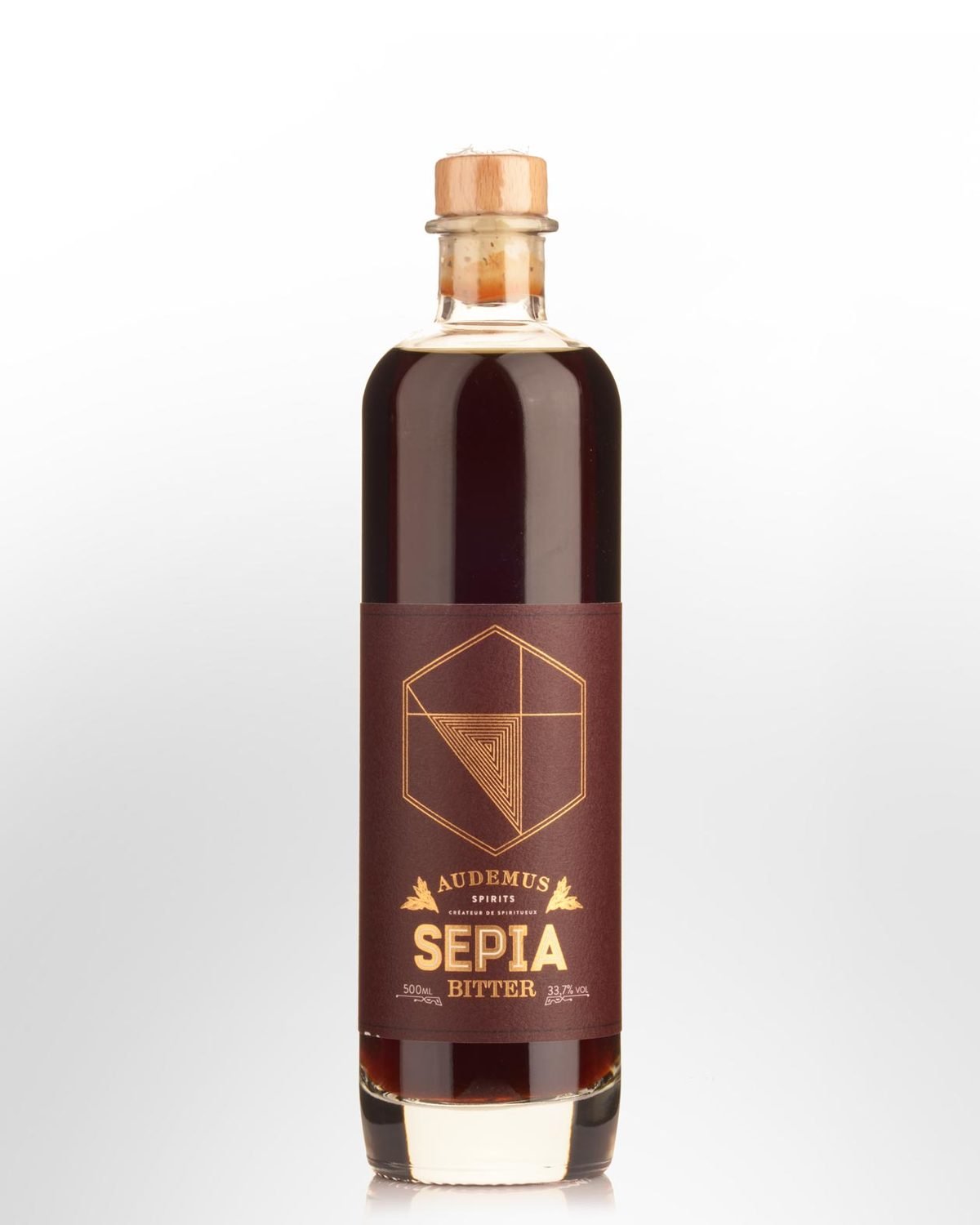
$74.99$54.99$54.99Bottle$659.88DozenABV: 33.7%Tasting note: A contemporary aperitif that pays homage to French-style bitters of bygone years. Roasted French chicory provides a full-bodied and lightly bitter canvas. Sardinian myrtle, fresh seasonal oranges, angelica root and a handful of other botanicals complete the picture. Showing a polished mahogany colour with bittersweet fruity-dark chocolate aromas and flavours, this also offers hints of roasted coffee beans, liquorice root, cola and sarsaparilla. Rich yet elegant and light on its feet, the delicately bitter finish ends with cocoa and a subtle fruity edge. Beautifully composed. Try it over ice or add a splash to a light beer. 33.7% Alc./Vol. - ITALY$94.99$94.99Bottle$1,139.88DozenABV: 45%
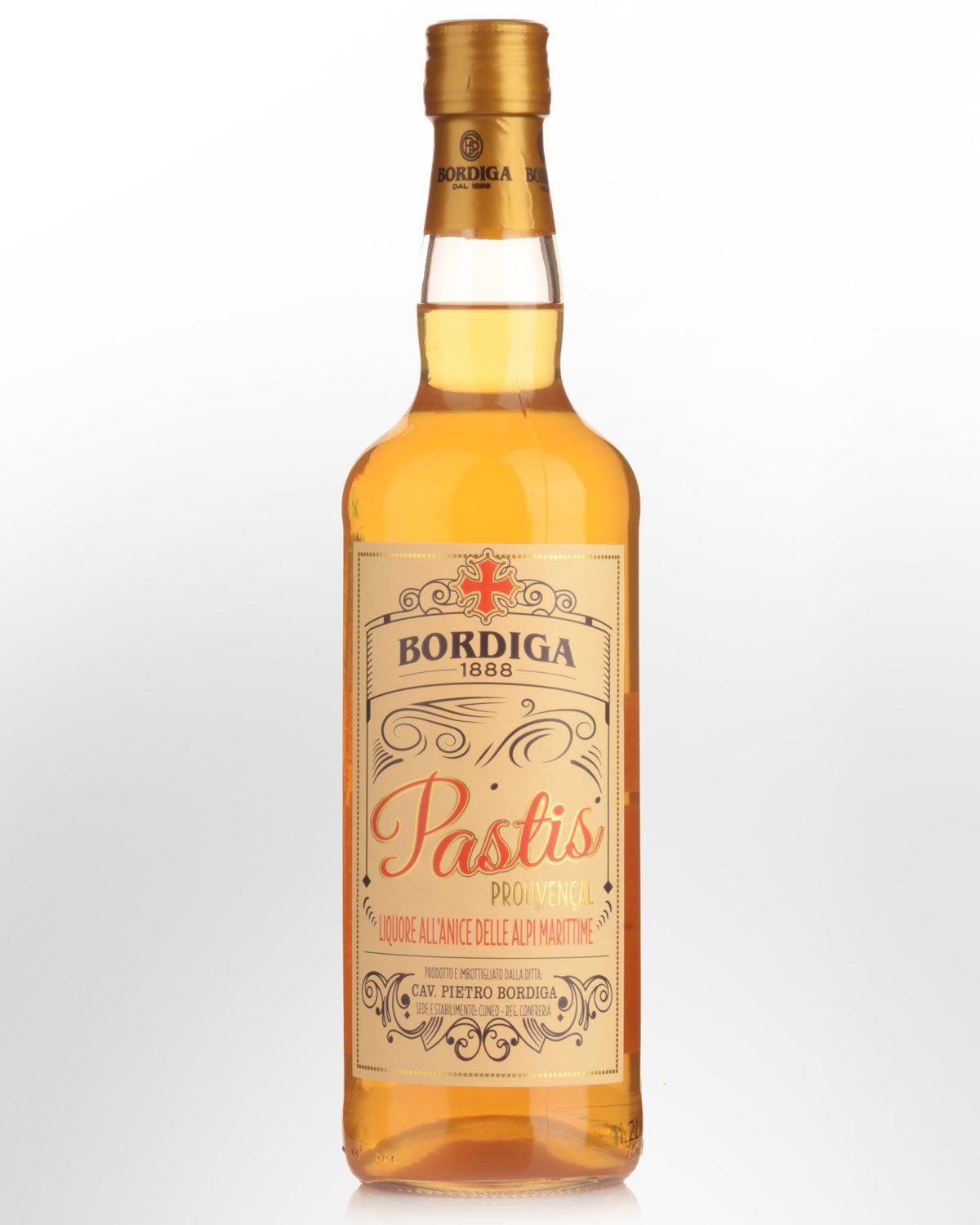
You might think of Pastis as a French specialty, but anise has been used by Mediterranean civilizations as an ingredient in alcoholic beverages since ancient times. Its cultural connections with the Piedmont region are also strong. Produced by Bordiga for nearly a century, their version is described as light and dry, with a defined salinity and herbaceousness. Some go as far to say that very few of the commercial French versions - or even the artisanal ones - match it for complexity and quality. Derived from a blend of botanicals including star anise, licorice root, wild fennel seed, gentiana lutea (roots), gentiana acaulis (flowers) and wild thyme flowers, the fruity / herbal / floral notes work to balance its pronounced anis character. Traditionally consumed as an aperitif with a ratio of 4:1 water (sometimes with the addition of a drop of mint, barley or grenadine syrup), or use it as a sub for absinthe. 45% Alc./Vol.
- ITALY$47.99$47.99Bottle$575.88DozenABV: 16%
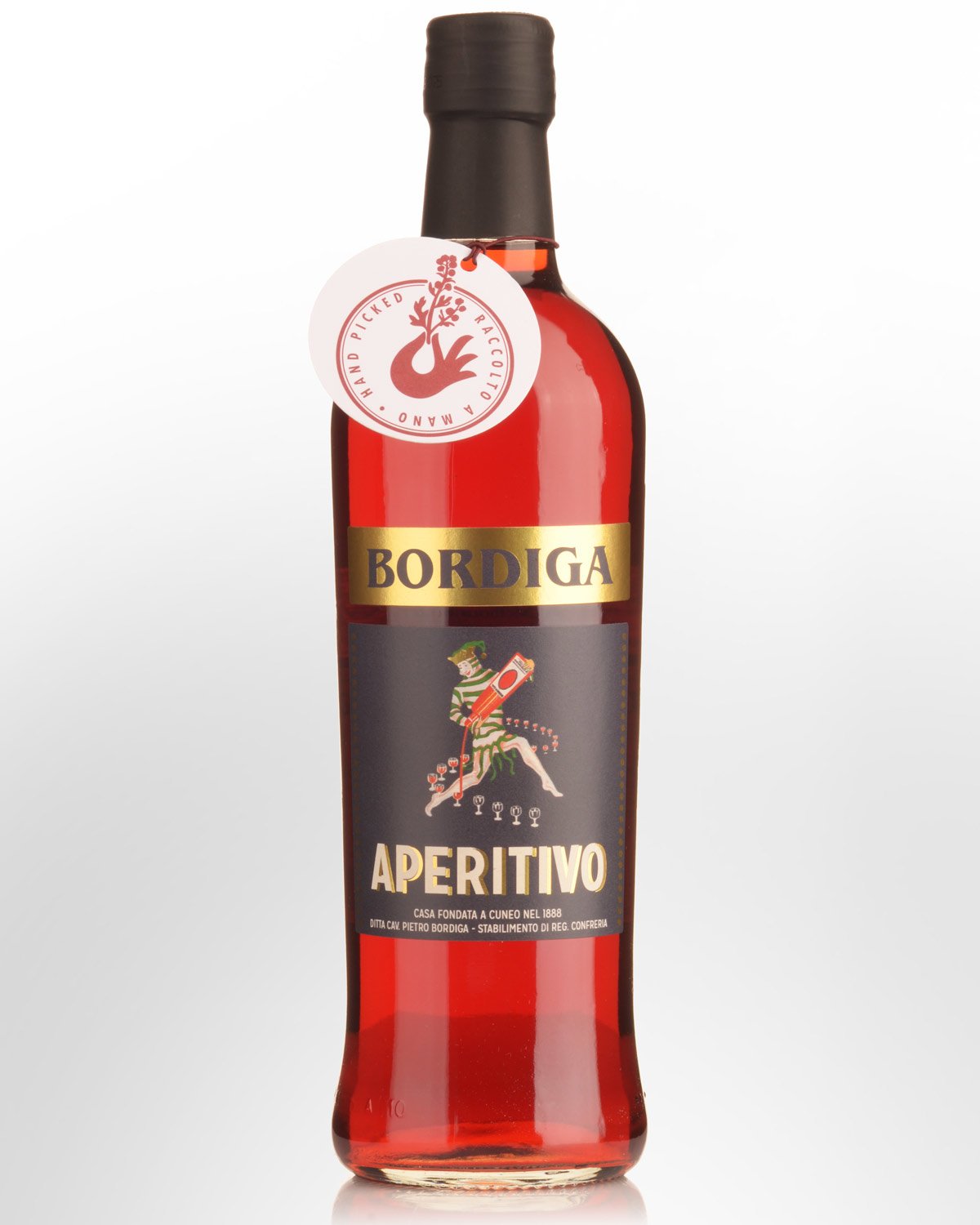
Situated in the historic town of Cuneo in the foothills of Italy's southern Alps, Bordiga is an artisan distillery devoted to producing Amari, vermouth, and liqueurs. Their Aperitivo is a delightfully complex alternative to more mass-produced examples, made with only locally harvested ingredients and not a single imported botanical in sight. Expect notes of bitter orange, rhubarb and alpine herbs, with a beautifully balanced sweetness and lingering bitterness. Fantastic in a spritz, or over ice with a wedge of orange. 16% Alc./vol.
- ITALY$54.99$54.99Bottle$659.88DozenABV: 20%
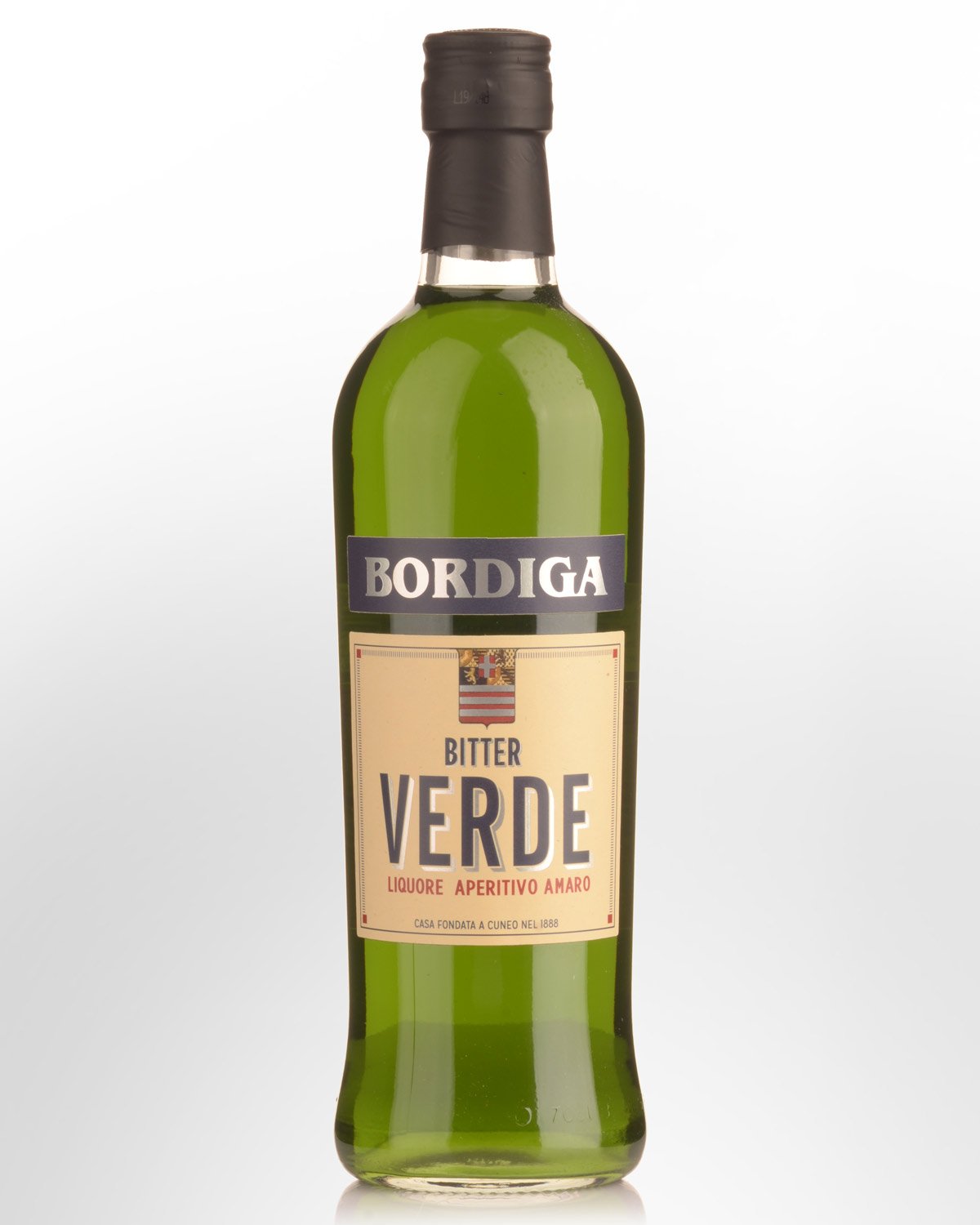
A particularly herbaceous liqueur from Bordiga, made with a selection of Alpine herbs and other 'delicacies'. Enjoy with ice-cold water for a refreshing aperitif on warm evenings. 20% Alc./Vol.
- 89
- Nicks Import
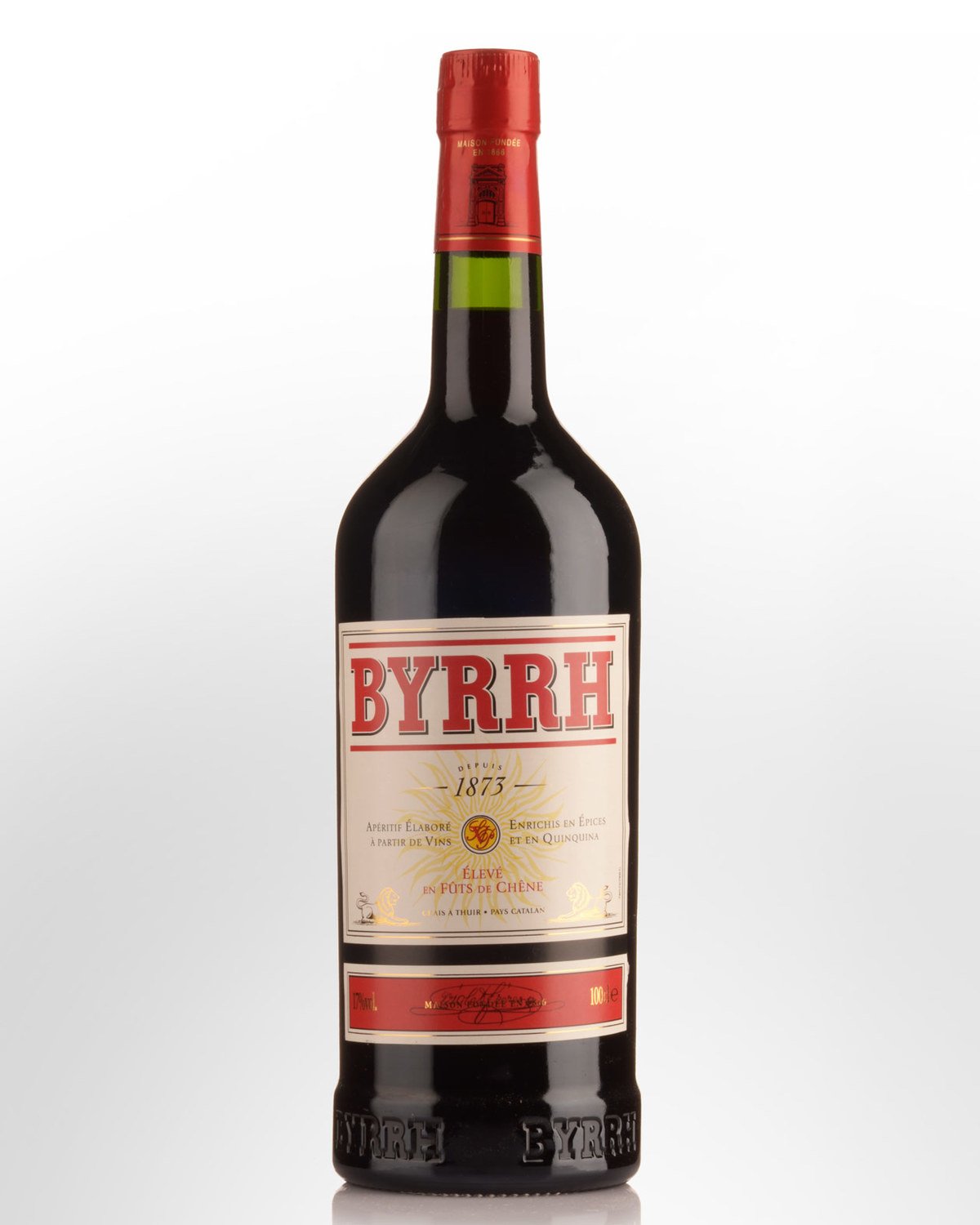
Byrrh Aperitif (1000ml)Cotes du Roussillon, FRANCE$44.99$44.99Bottle$539.88DozenABV: 17%Closure: CorkA wine-based aperitif, Byrrh is made mainly from Carignan and Grenache grapes from the hillsides of Roussillon in Southern France. The grape must is macerated with neutral spirit in order to stop the fermentation process. This gives a particularly fruity and syrupy mixture, called "mistelle". After a preliminary ageing, the mistelles are blended with dry red Roussillon wines. The blend is then cold-flavoured with dried crushed quinine bark, and aged for 3 years in large wooden barrels called "foudres".
Simon Violet and a pharmacist friend, both from Thuir, in the Pyrénées invented this new quinine-based aperitif in 1856. Benefiting from the then fashion for quinine tonic wines, Byrrh soon became popular throughout France. Starting in 1903, advertising poster competitions were launched to promote the brand. Boosted by extensive advertising campaigns, Byrrh was a huge hit in the 1930s and by 1935 was the leading aperitif in France, with sales reaching 35 million litres. The brand became part of Pernod Ricard in 1976.
Tasting note: Deep crimson colour with brick red hue. Aromas of cranberry and pomegranate are married with a subtle quinine note and herbaceous undertones. Light to medium bodied and mildly fruity in a semi ripe raspberry way, with slightly more of a bitter herbal element entering towards the finish. Concludes with a pleasant dried cranberry / quinine aftertaste but overall, relatively sweet for an aperitif. 17% Alc./Vol.
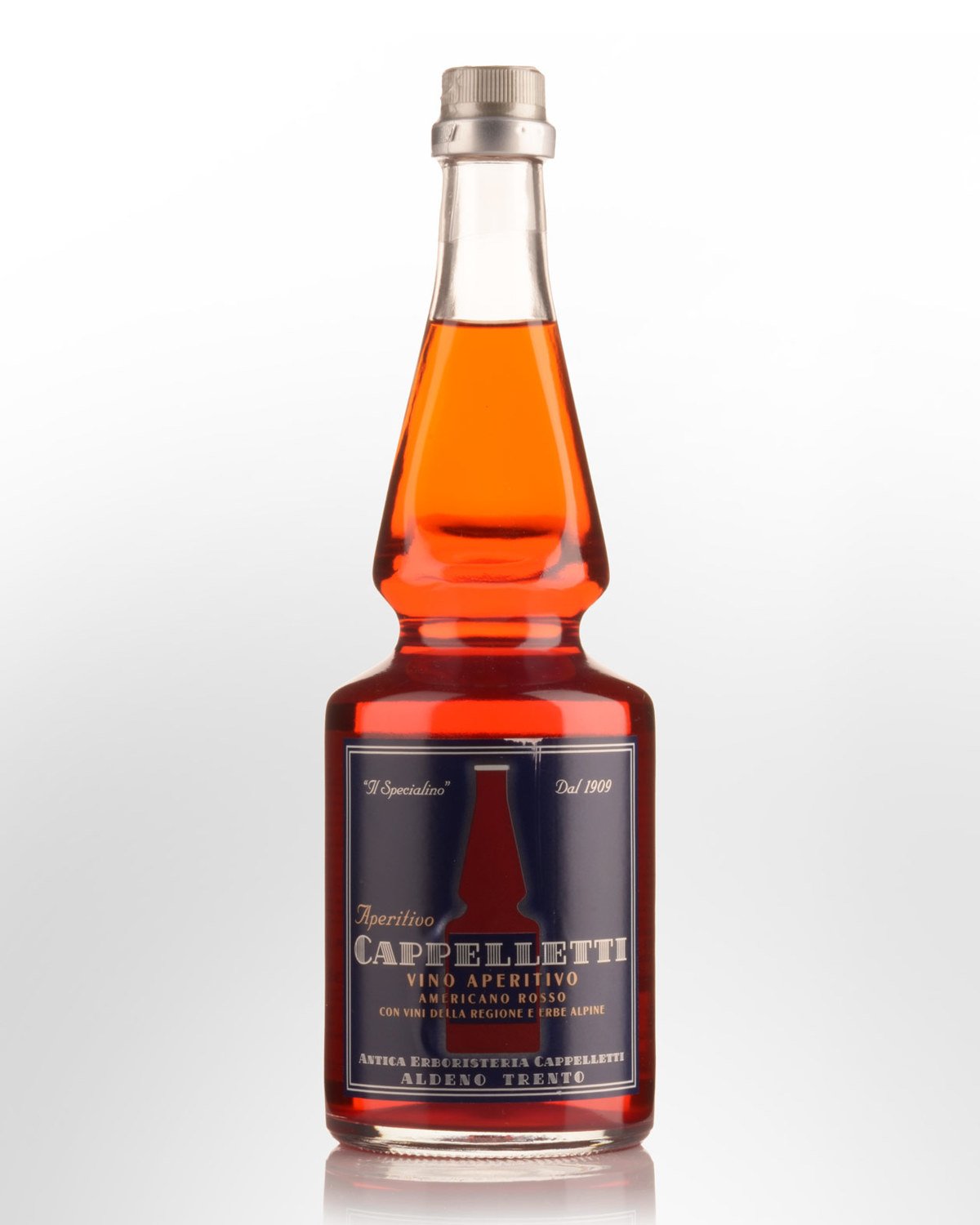
[Note: tasted at room temperature. The addition of ice and a slice of lemon makes a world of difference.]- ITALY$46.99$46.99Bottle$563.88DozenABV: 16%A classic Italian aperitivo made with bitter orange and rhubarb, and infused with a blend of Alpine herbs giving it a ruby-red colour. It was created after Canadian wine merchant, Joel Clarke was travelling in Northern Italy where he met the family-run, fourth generation, Trento-based business that had been crafting quality beverages since 1909. A special formula was developed for the Canadian market which was considered perfect for a Spritz. Tasting note: [tasted from a near empty bottle] Bright orange / borders on ruby red. Attractive and true to style with earthy / mildly bitter / herbal aromas evoking gentian, blood orange peel and grapefruit. Silky mouthfeel. Semi-sweet entry follows through with a very delicately bitter dried peel / herbal quality that lingers in the aftertaste. A pleasant, low-key bitter style. 16% Alc./Vol.
- ITALY$39.99$39.99Bottle$479.88DozenABV: 17%Tasting note: Bright ruby red. Mildly bitter and herbaceous scents of gentian, grapefruit and later hints of cherry cola. Soft, semi sweet entry leads into a gently bittersweet profile with ripe grapefruit and sweet oregano. Ends delicately bitter, earthy and balanced. Like Campari, but more accessible. 17% Alc./Vol.
- FRANCE$79.99$79.99Bottle$959.88DozenABV: 45%
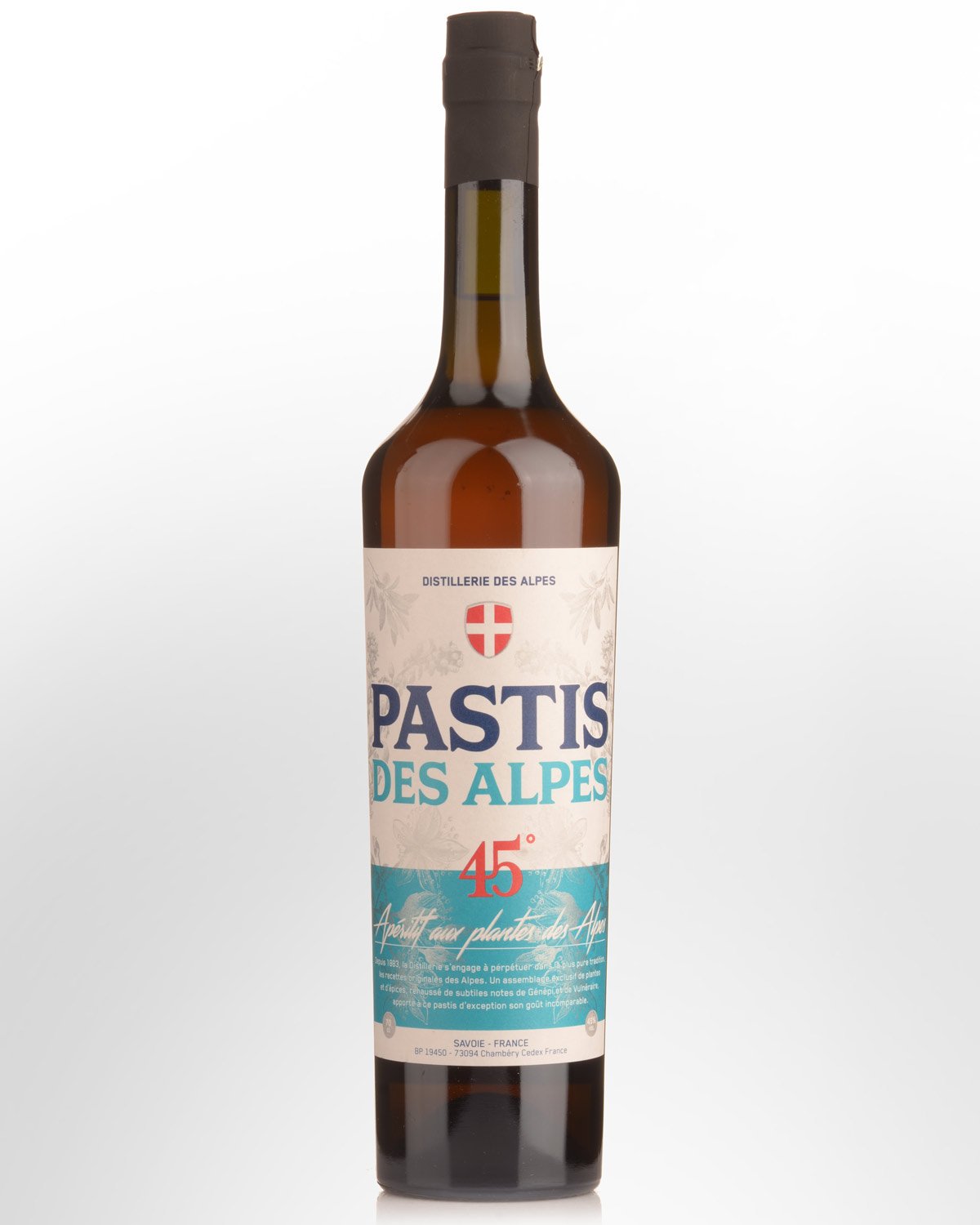
This amber coloured Pastis presents piquant aromas of liquorice, anise and peppermint lozenges and follows in a medium to full-bodied palate with flavours enhanced by the twenty or so plants and spices included (génépi and woody hints of moneywort to name a few). The result is quite a blast for the category, with more texture and intensity than most, especially through the spicy finish. The aftertaste is dry, fresh liquorice-like, peppery and long with late cool mint confectionary. 45% Alc./Vol.
- Turenne, FRANCE$39.99$39.99Bottle$479.88DozenABV: 17%Closure: Cork
Heir to a long family tradition, the "Distillerie des Terres Rouges" keeps practicing and exploring with fruits, berries and plants, local or exotic to create a bewildering array of aperitifs, crèmes and liqueurs, not to mention mustards and vinegars. Their Vin de Noix is a traditional 'Walnut Wine' with an Armagnac base.
Tasting note: Impressive deep sienna brown colour with flawless clarity. Smells like a combination of Amontillado Sherry and quality Rosso Vermouth, with mildly nutty notes combining with sweet spices and stewed fruits, though nothing that's distinctively walnut as such. Light bodied, the dry, nutty/fruity combination repeats on the palate, though again the walnut is absent. Concludes pleasantly dry, true to style, if a little short and thin. 17% Alc./Vol.
- Nicks Import
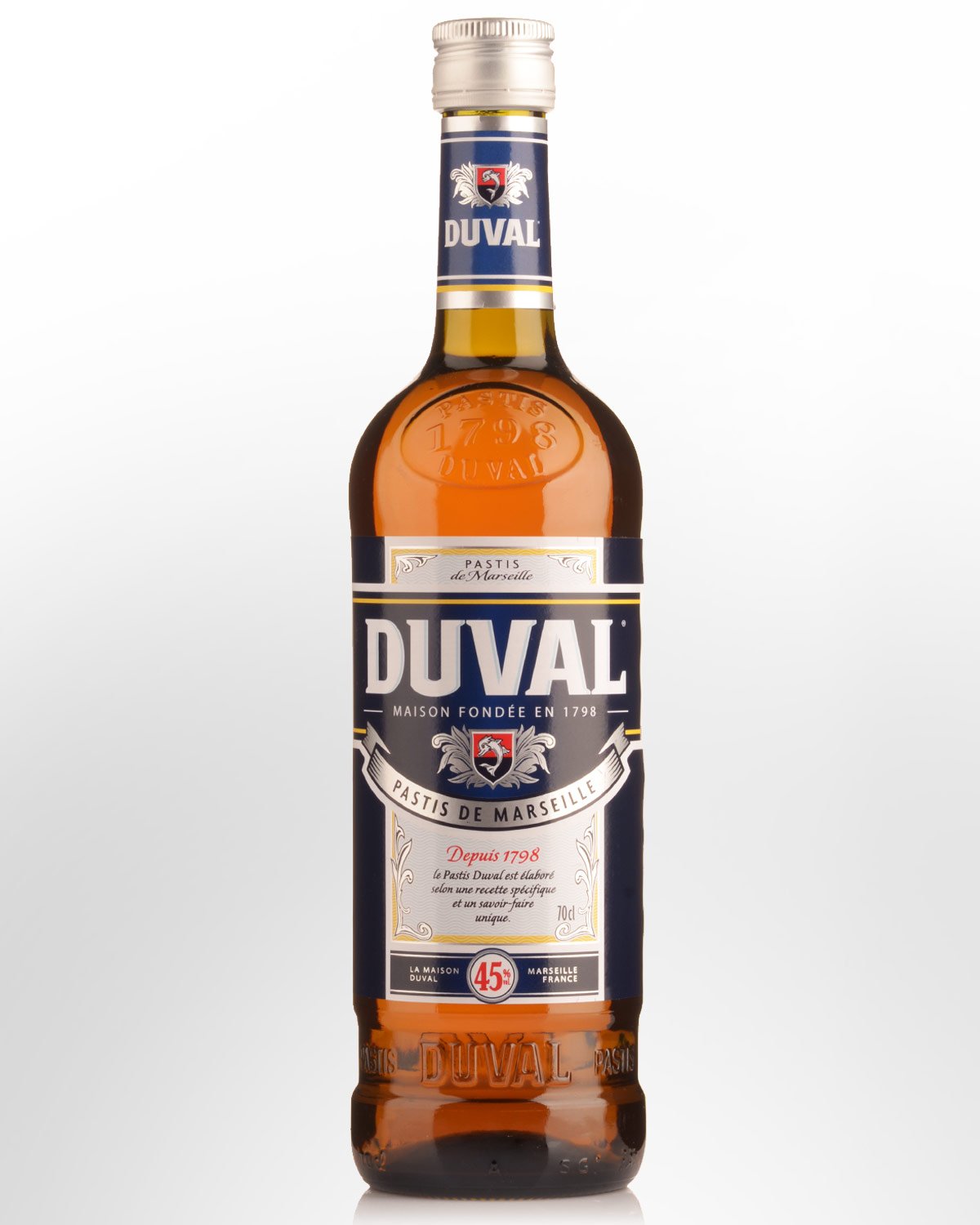
Duval Pastis de Marseilles Aperitif (700ml)Marseille, FRANCE$59.99$59.99Bottle$719.88DozenABV: 45%Lovers of anise have long sought out the refreshing taste of Pastis with its keynotes of star anise and liquorice that seem to perfectly match the Mediterranean lifestyle. In a typically French way, enjoy one part Duval with five parts still mineral water. The deep yellow colour will change (louche) into a milky pale yellow. Alternatively, add a shot of grenadine or mint syrup to taste. 45% Alc./Vol.
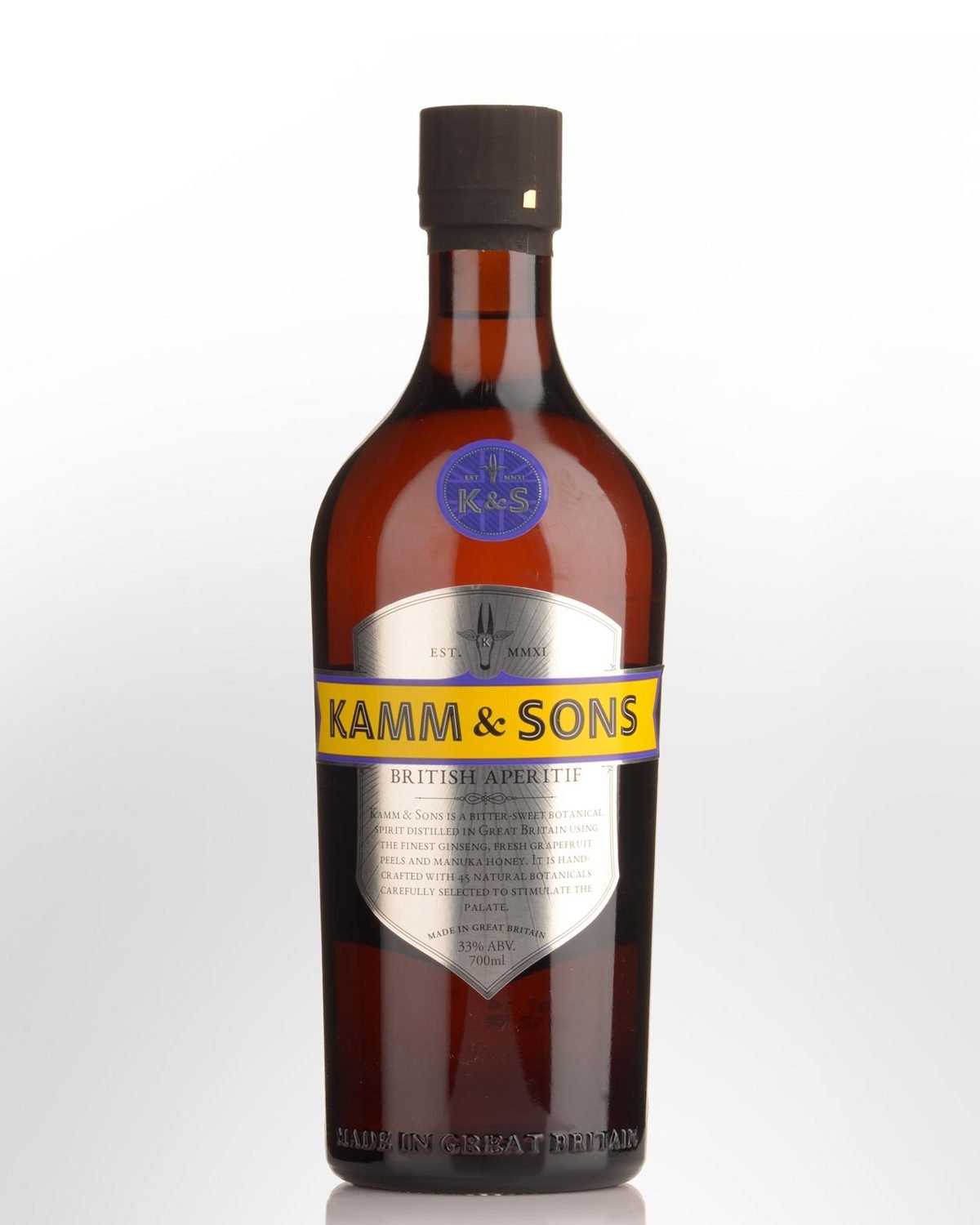
- UNITED KINGDOM$69.99$69.99Bottle$839.88DozenABV: 33%The creation of Alex Kammerling, a bartender and former brand ambassador for Grey Goose vodka. Composed of 45 ingredients including herbs, spices, fruits, berries, nuts, peels, barks, roots, leaves and flowers, this is produced in a similar fashion to gin. The recipe is a closely guarded family secret, but a few of the key botanicals are ginseng, grapefruit peel and manuka honey. Tasting note: Topaz / copper appearance. Pleasantly bitter aromas are rooty / earthy / dried herb-like in the initial pass. Air contact adds suggestions of grapefruit, liquorice root, fennel, ginger and light menthol. Like a vermouth-meets-bitters, this follows through with flavours of grapefruit, gentian and bittersweet herbs followed by a touch of honey. Ends refreshing, mildly bitter and medium long. Enjoy neat over ice, or served with simple mixers. 33% Alc./Vol.
- 91
- Nicks Import
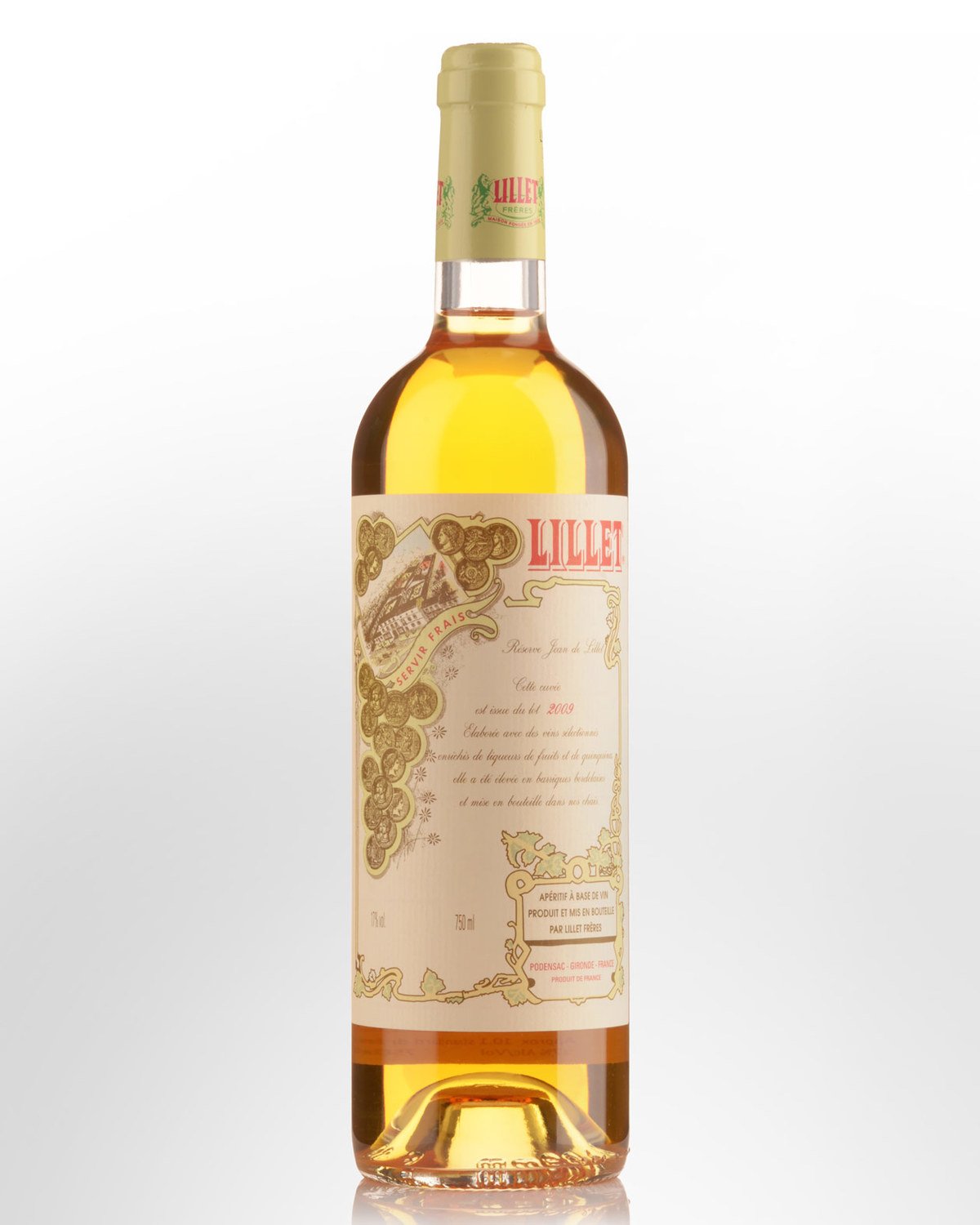
2009 Lillet Reserve Jean Lillet Aperitif (750ml)Bordeaux, FRANCE$49.99$49.99Bottle$599.88DozenABV: 17%Closure: CorkSince introducing Lillet to the Australian market, there's been some discussion as to just how true to its origins it is. Brief investigation suggests that there were two precedents to the modern day version - Vermouth Lillet and Lillet aperitif pre-second world war. The Reserve Jean Lillet is an attempt to reconcile everyone by stepping it up another notch. Said to contain Sauternes wine in the blend, it is a vintaged aperitif that also brings the quinine accent back to the fore in an effort to emulate the original recipe. Along with the trademark maceration of fresh fruits, it's aged in barrels to round things off. Whether or not this is as close to the original as you can get, there's no denying that "Reserve" is indeed the luxury expression of the Lillet stable. Beautifully packaged.
Very limited quantities. Tasting note:Bright amber-gold. Presents lifted, almost floral aromas including pink grapefruit and apricot mingling with bitter herbs following through with a light to medium bodied, off-dry profile of grapefruit, ripe apricot and mildly bitter herbal notes. Apricot, orange and herbal flavours echo in the aftertaste rounding off an elegant, delicate and drier-styled Lillet that accents the subtle herbal qualities over the fruit sweetness. Infinitely mixable. 17% Alc./Vol- Podensac, Bordeaux, FRANCE$44.99$44.99Bottle$539.88DozenABV: 17%Closure: Cork
Lillet (pronounced lee-lay) is an aperitif wine; a type of drink traditionally enjoyed before a meal. It originated in 1887 in the Bordeaux region of France, by the Lillet brothers, Paul and Raymond, distillers and merchants of spirits, soda, and candies. It was one of the first tonic wines, and became increasingly popular around the turn of the 20th century when tonic drinks were touted as good for the health. The ban against absinthe in 1915 also contributed to the popularity of the drink. In the 1950s and 60s, the golden age of cocktails, Lillet became the centerpiece of a number of drinks served in the fashionable bars and restaurants of New York City, where it was sometimes served flambé. It was also popularly served with gin in England.
While Lillet was originally a bitter tonic drink, the quinine content has now been reduced. There are now two types made - Lillet Blanc and Lillet Rouge. The Rouge version, made with red wine, appeared on the market in 1962. There are a number of options when serving Lillet. Lillet Blanc can be used in a Martini with gin and vodka and a lemon peel garnish; this drink, called a Vesper, was invented by the character James Bond in Ian Fleming's 1953 novel Casino Royale. Both can be served plain over ice or as the main ingredient in a number of cocktails. Serve Chilled. 17% Alc./Vol.
No tasting notes available. - Podensac, Bordeaux, FRANCE$44.99$44.99Bottle$539.88DozenABV: 17%Closure: Cork
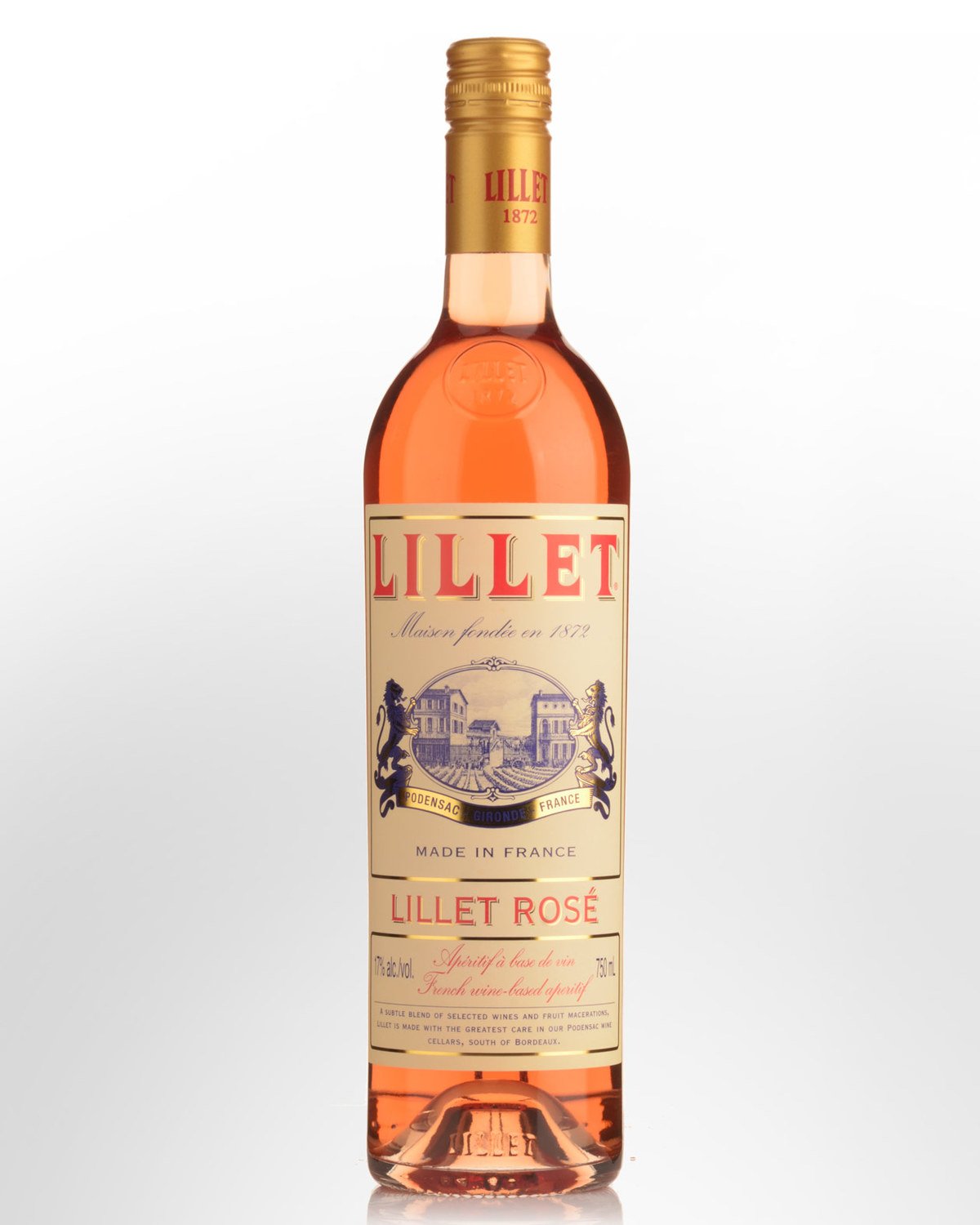
Lillet (pronounced lee-lay) is an aperitif wine, a type of drink traditionally enjoyed before a meal. It originated in 1887 in the Bordeaux region of France, by the Lillet brothers, Paul and Raymond, distillers and merchants of spirits, soda, and candies. It was one of the first tonic wines, and became increasingly popular around the turn of the 20th century when tonic drinks were touted as good for the health. The ban against absinthe in 1915 also contributed to the popularity of the drink. In the 1950s and 60s, the golden age of cocktails, Lillet became the centerpiece of a number of drinks served in the fashionable bars and restaurants of New York City, where it was sometimes served flambé. It was also popularly served with gin in England.
Lillet Rosé is the latest addition to the existing mix on offer which finds itself in-between the Blanc and Rouge with its fresh floral aroma and its dry fruity flavours. It has so far been awarded the winner of the 2011 Chairman’s Trophy for Apéritif with a mark of 94 out of 100 at the International Wine & Spirits Competition. Garnish with strawberries, oranges and all female related letters of apology.
Tasting note: Pretty pale salmon pink appearance. Enticing aroma includes notes of rose water, plum and ripe cherry / strawberry along side hints of ripe grapefruit. A clean, fresh delivery offers a light to medium bodied palate of plum and cherry flavours supported by soft, cleansing acidity. Cherry glace finish is delightfully fresh and deceptively long as hints of rose petal emerge late in the aftertaste. Know someone who enjoys fuller style Rose wines? Introduce them to this. 17% Alc./Vol.
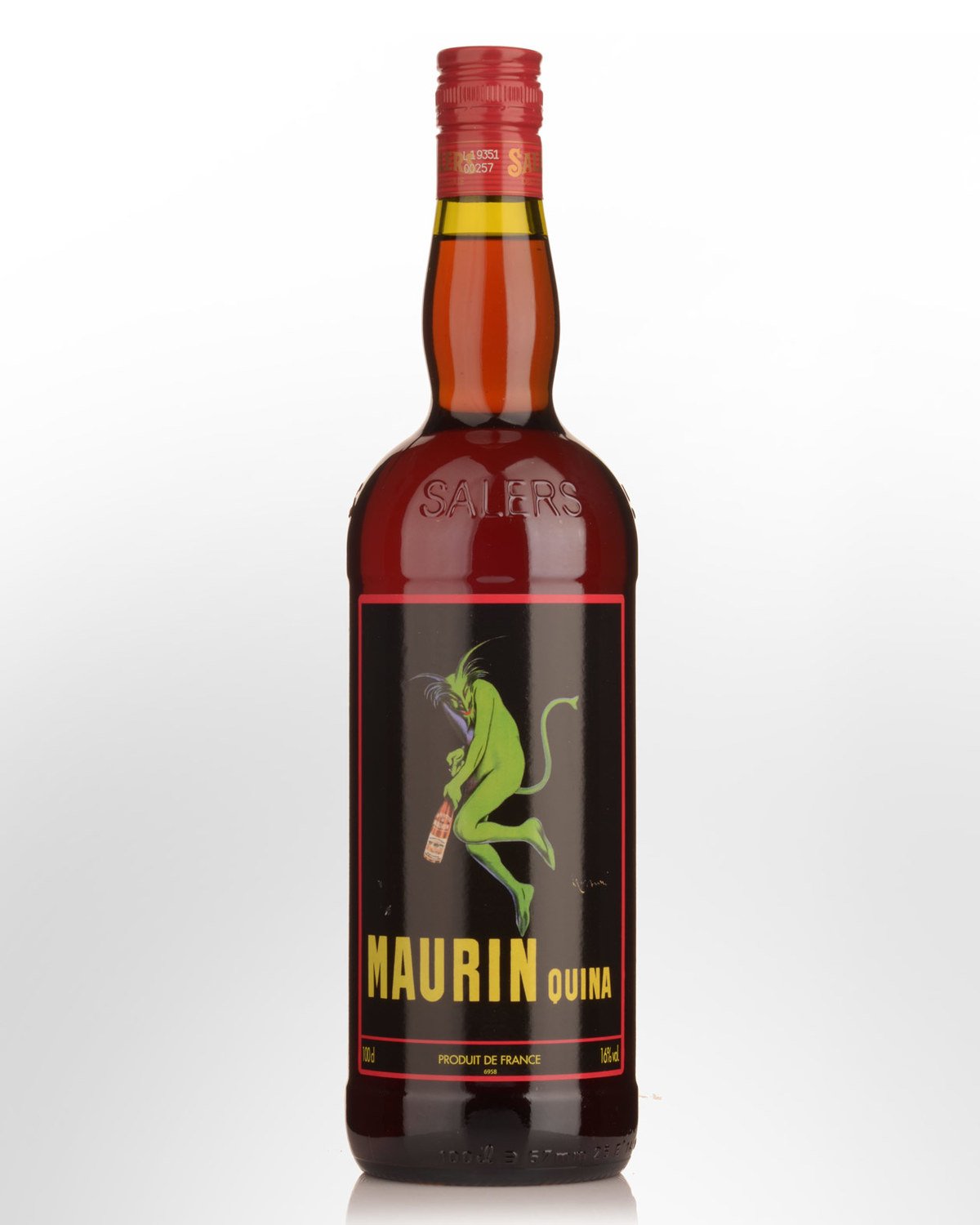
- Burgundy, FRANCE$59.99$59.99Bottle$719.88DozenABV: 16%Closure: StelvinThis aromatised white wine includes a maceration of wild cherries, cinchona bark (quinine), lemon and cherry juice in neutral spirit with measured amounts of cherry brandy. Created in 1884 by Mr. Auguste Maurin in Le Puy, an Italian artist later designed the smirking green devil as a feature on the label (he seems very satisfied to have procured a bottle!) Expect wild berry and lemon flavours finishing with a tart display of bitter, earthy, floral notes. Try it chilled, on ice, with soda or add to cocktails (e.g. substitute it for Campari in a Negroni). 16% Alc./Vol
- BELGIUM$54.99$54.99Bottle$659.88DozenABV: 21%
A much desired cocktail ingredient but generally hard to find is Picon Amer, with distribution for a long time limited to France. Despite being produced since 1837, making it a bar standard in early cocktail guides, it remains elusive outside of Europe. The proprietary recipe has no doubt changed slightly over the years, as has the ABV. However, orange remains the dominant flavour. Quinine, cinchona and gentian are also known ingredients (not surprising as "Amer" translates to "bitter".) Although it was popularised as a key element in cocktails like the "Liberal", the "Brooklyn" and the "Picon Punch", Amer is traditionally enjoyed straight up or over ice as an aperitif. It reportedly has more bitterness than Picon Club and Picon Biere. While bartenders often cite alternatives, such as Amaros, cross tastings suggest nothing quite equates to the distinctive taste of Picon Amer - if you can find it! 21% Alc./Vol
- Marseille, FRANCE$64.99$64.99Bottle$779.88DozenABV: 18%Closure: Screw Cap
Picon is a flavoured bitters drunk as an apéritif, which traditionally accompanies beer in the east and north of France. Its bittersweet flavour is made from a base of fresh oranges which are dried and mixed with a solution of alcohol. Picon also contains gentian and quinquina in equal measures.
Gaétan Picon, born in 1809, was a scholar who had an apprenticeship at the distillery of Aix-en-Provence, Toulon and Marseille. In 1837, after taking a trip to Algeria where he had been in the French Army, he invented Picon. It was originally of a higher alcohol percentage, around 40%. At the time, Gaétan Picon had created the first distillery to produce African bitters in an Algerian village, he then went on to create a number of other distilleries: Constantine, Bône and Algiers. In 1872, Picon returned to France and created the first factory for the production of Picon, still in use today, in Marseille. In 1937, the company published a book called "Histoire d'un Siècle Picon (1837 - 1937)", and the company slogan at the time was "Il n'est plus une partie du globe où n'ait pénétré le Picon !" ("there is no longer any part of the world where Picon hasn't penetrated.")
Picon is best served as an aperitif, but is also frequently mixed with beer or wine - not to mention a variety of cocktails which have developed around this French legend. 18% Alc./Vol.
No tasting notes available.
- Cognac, FRANCE$64.99$64.99Bottle$779.88DozenABV: 17%
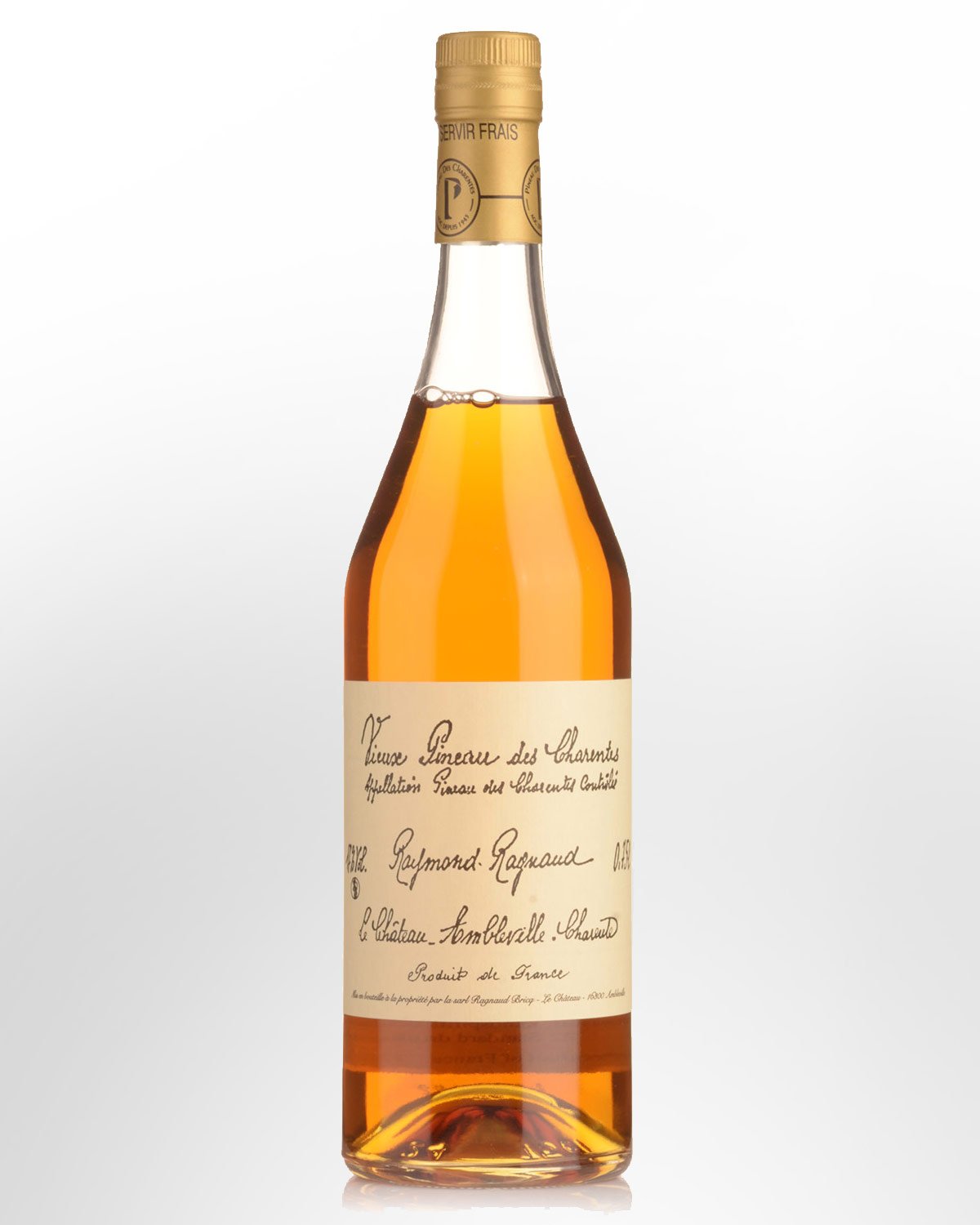
Whilst popular in its local home of Cognac, this classic aperitif is less well-known around France and abroad. It's a quasi-fortified wine, made from a blend of partially-fermented grape juice and Cognac eau-de-vie. The blends are aged for various periods depending on the style desired. The youngest and most brightly coloured examples are a minimum of 18 months old. Vieux (old) Pineau des Charentes, like this, are oak-aged for at least 5 years, while 'Extra Vieux' (very old) examples remain in cask for a minimum of 10 years. The longer they're aged, the deeper and richer the colour and flavours become, leaning towards honey, vanilla, dried fruits and almonds. Older versions are delicious on their own, or typically drunk chilled as aperitifs. 17% Alc./Vol.
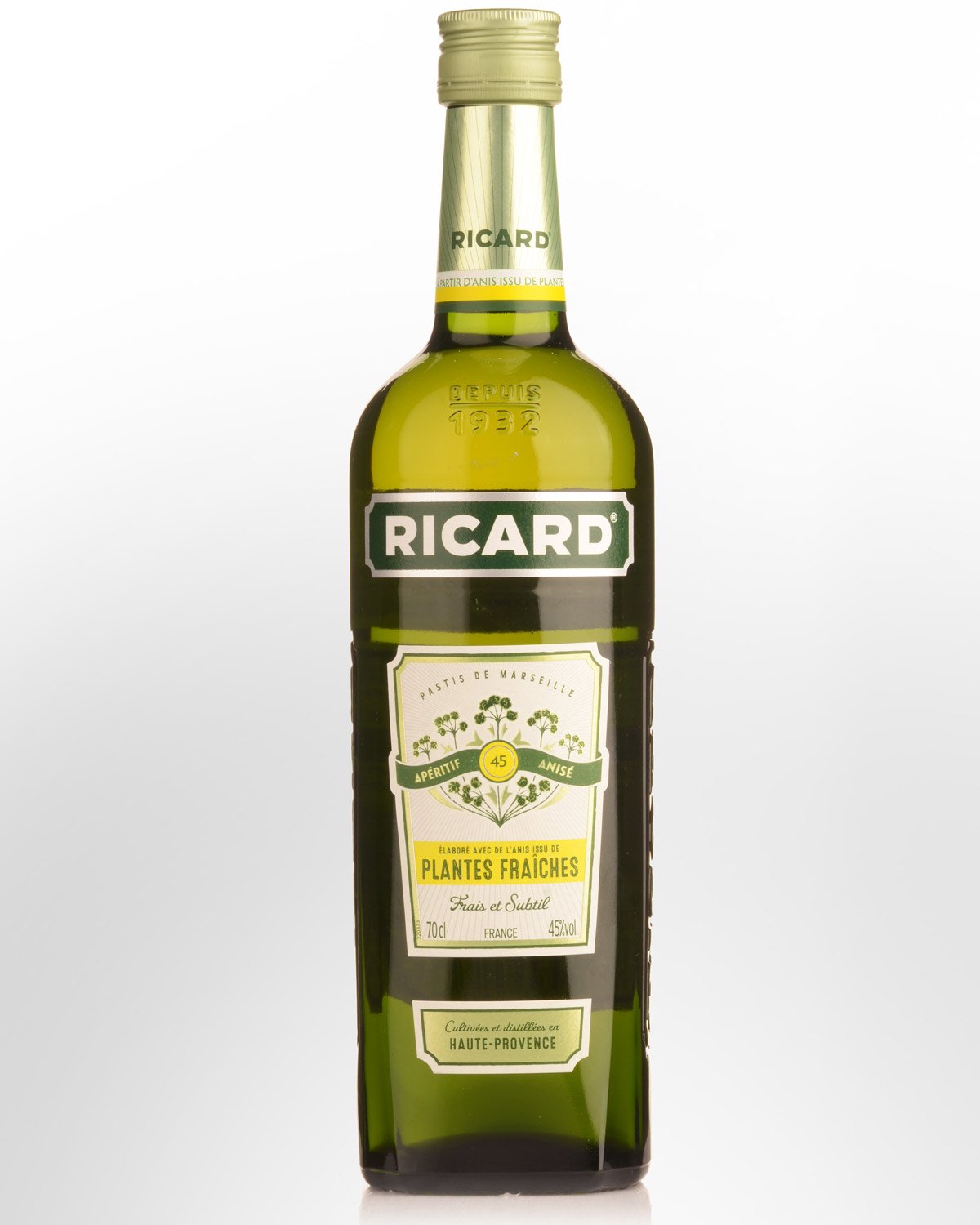
- Marseille, FRANCE$69.99$69.99Bottle$839.88DozenABV: 45%
A new variation on the Marseilles classic is 'fresh plants', and as the name suggests, it sources the freshest ingredients from local producers on the Valensole plateau in Haute-Provence. Harvested on sun-drenched plots and distilled the same day, the botanicals add their unique aromatic qualities: in this case, a very pure anise profile, enhanced by subtle vegetal notes. Traditionally consumed from a large glass generously lengthened with very cold water (7 to 10 times the volume of pastis) and with lots of ice cubes. 45% Alc./Vol.
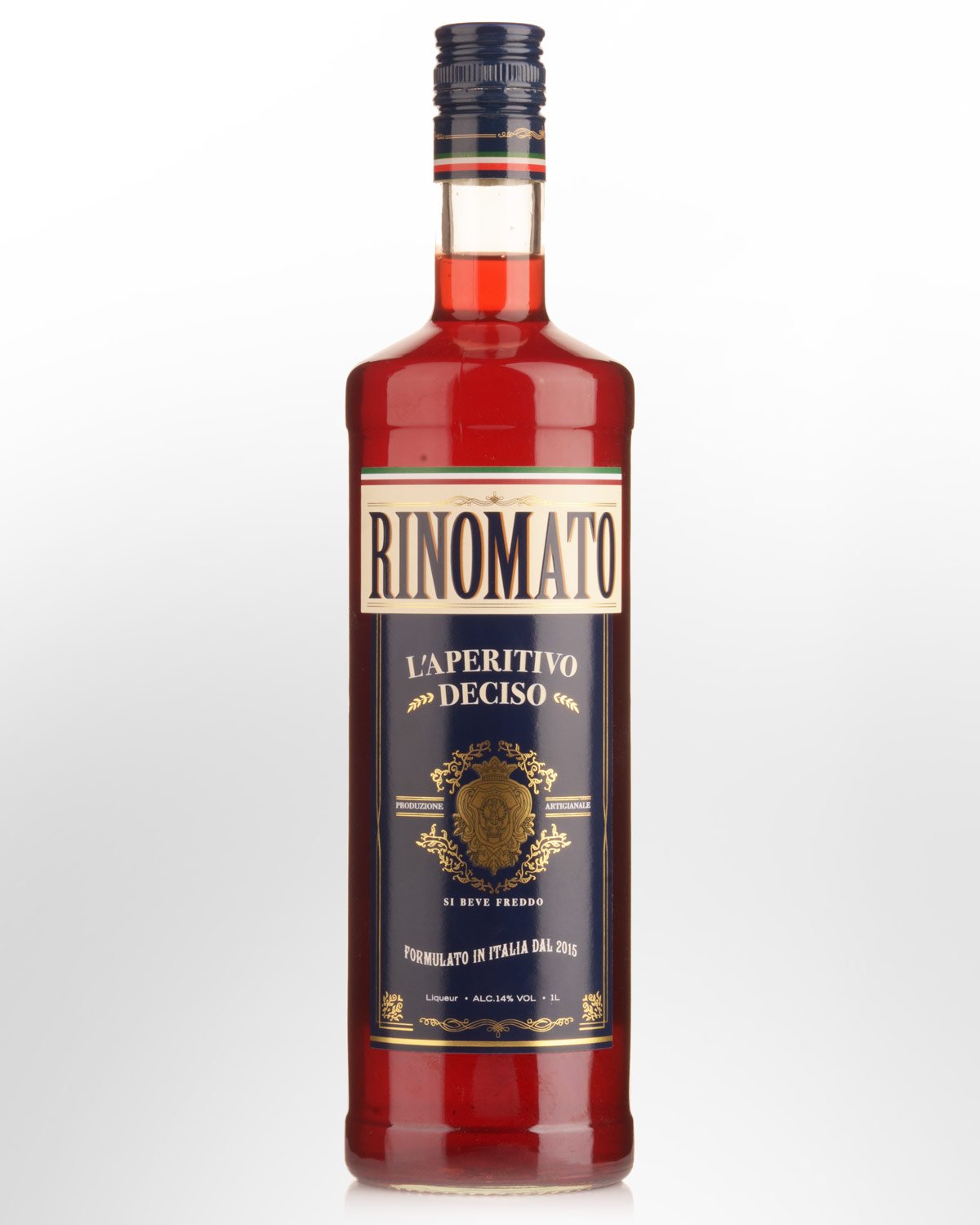
- ITALY$54.99$54.99Bottle$659.88DozenABV: 14%
A ruby red aperitivo made in Piedmont via a collaboration between bartender Giancarlo Mancino and his American partner, Fasel Shenstone. Botanicals include wormwood, orange peel, rhubarb, peppermint, turmeric and gentian making for a profile that is lighter than Campari, stronger than Aperol and with less sugar than Gran Classico. Enjoy chilled on its own or in cocktails like a Negroni, Spritz or simply over ice with a slice of orange. 14% Alc./Vol.
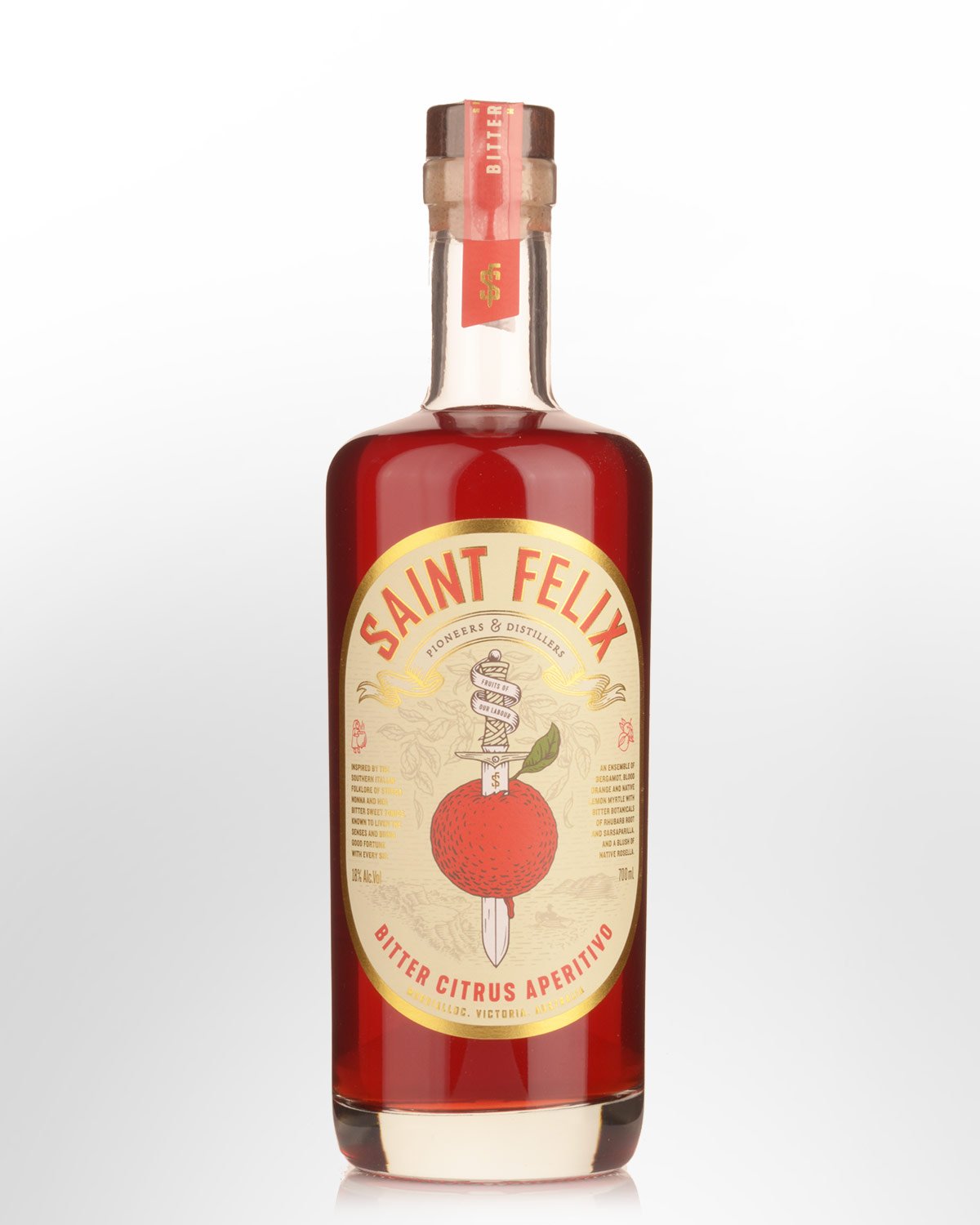
- Victoria, AUSTRALIA$44.99$44.99Bottle$539.88DozenABV: 18%
This delicious aperitivo is a new take on the classic genre. Saint Felix combine maceration and rotary evaporation to naturally extract a medley of citrus flavours. Ingredients include bergamot, blood orange and Australian lemon myrtle balanced with comparatively bitter botanicals such as rhubarb root and sarsaparilla, finished with a blush of native rosella flower. It's on the sweeter, softer side for a bitters, which makes it more approachable than traditional products like Campari, for example. Enjoy a generous pour over ice topped up with soda and a slice of lemon. 18% Alc./Vol.
Gold Medal - London Spirits Competition 2022
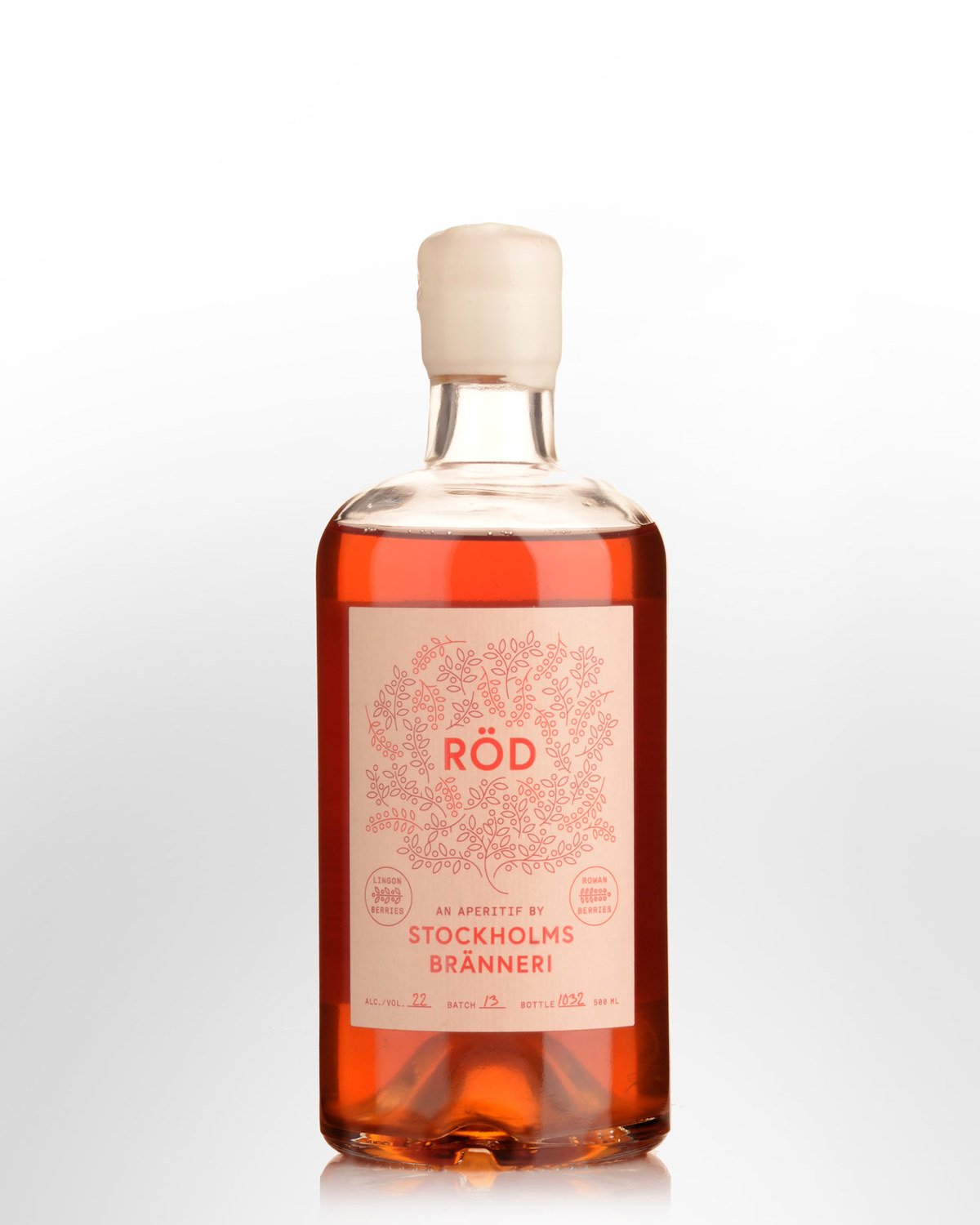
- SWEDEN$54.99$54.99Bottle$659.88DozenABV: 22%A fortified Swedish apple cider infused with rowanberries and roots for the perfect balance between bitter and sweet. Orange peel, gentian root and marsh-mallow are part of what gives this personality. Enjoy in a spritz with sparkles or tonic water. 22%% Alc./Vol. Organic.
- Nicks Import
Suze Gentian Aperitif (1000ml)FRANCE$49.99$49.99Bottle$599.88DozenABV: 15%Closure: Screw Cap'Suze' was created in 1889, at the Rousseau, Laurens and Moureaux distillery in the outskirts of Paris. To differentiate his product from the many wine based aperitifs of the day, Fernand Moureaux decided to create an aperitif from the Gentian plant, a yellow Alpine flower with massive roots that dig deeply into the flanks of mountains. It is these same roots that are used to prepare the base material of the liqueur.
Legend has it that Moureaux bought the formula from an old distiller in the Canton de Bern on the Swiss Jura Mountains where Gentian thrives, and where the river Suze flows. Here, Hans Kappeler had been selling "Or des Alpes" to the locals for years as a remedial tonic. Late in his life, sick and almost financially ruined, Kappeler may well have taken the opportunity to sell his creation to the French negociant. The story goes he convinced Moureaux that one day his liqueur "would flow in France like the Suze", in reference to the river passing through the village.
A more prosaic version has it that the aperitif was named after Fernand Moureaux's sister in law, Suzanne Jaspart, who enjoyed the drink during sessions of tennis. Regardless, Suze became a sensation due to its original flavour. A testament to its popularity is the plethora of advertising material that was produced around the brand by illustrious artists including Pablo Picasso, and the nickname it received from fans - "The Yellow Fairy!"
In the present day production of Suze, wild Gentian is still sourced from Jura, but also from Auvergne where other famous brands of Gentian liqueur are still produced. The modern-day Suze is much sweeter than the original recipe, but still includes all of the aromatic plants in its formula, though exactly which remains closely guarded.
The gentle alliance of sweetness and bitterness is the trademark of this aperitif, which continues to be the biggest selling in its category. It also makes it hugely versatile:
Try it neat or on the rocks: Traditionally enjoyed chilled as a pre-dinner drink. Pour it over a single ice cube, let it dilute slightly to cut the sweetness, and enjoy as the French do.
Suze Tonic: Mix 1 part Suze with 3 parts premium tonic water over ice, and garnish with a twist of lemon. The quinine accentuates the herbal, medicinal notes of the gentian root, making it a fantastic low-alcohol alternative to a standard Gin & Tonic.
In a White Negroni: Substitute Campari with Suze in a classic Negroni (mix with gin and dry vermouth) for a lighter, more herbal, and floral cocktail.
Suze Spritz: Combine 50ml of dry white wine or sparkling wine, 50ml of Suze, and 25ml of soda water over ice with a lemon slice
With Citrus: Serve it over ice with a lemon or orange twist to highlight its bright, citric notes.
- ITALY$44.99$44.99Bottle$539.88DozenABV: 17.5%It seems almost every region of Italy has its preferred 'aperitivo', and in Venice, it's 'Select'. Created in 1920 by two brothers at the Pilla distillery in Venice, a city renowned for liquors, it's made by carefully blending, boiling and macerating 30 botanicals, including juniper berries and rhubarb roots; the juniper adds balsamic and floral notes, while the rhubarb contributes the required bitterness. Select went on to become the star of the Venetian cocktail scene and a key ingredient in the original Venetian Spritz. The recipe is simple: 3 parts prosecco, 2 parts Select, 1 part soda, one green olive and lots of ice. The result is a well balanced, bittersweet taste that's deliciously refreshing. In short, if you like Aperol, you should love this! Tasting note: Crimson to ruby red. Fresh, pleasantly bitter aromas include rooty-dried herbal / potpouri-like notes as well as orange zest, grapefruit and sweeter hints of cranberry juice. Silky textured with delicately bittersweet citrus pith and peel flavours. Lighter and drier through the finish. Ends brisk, medium fresh, mildy bitter. 17.5% Alc./Vol.