
- 95
- 93
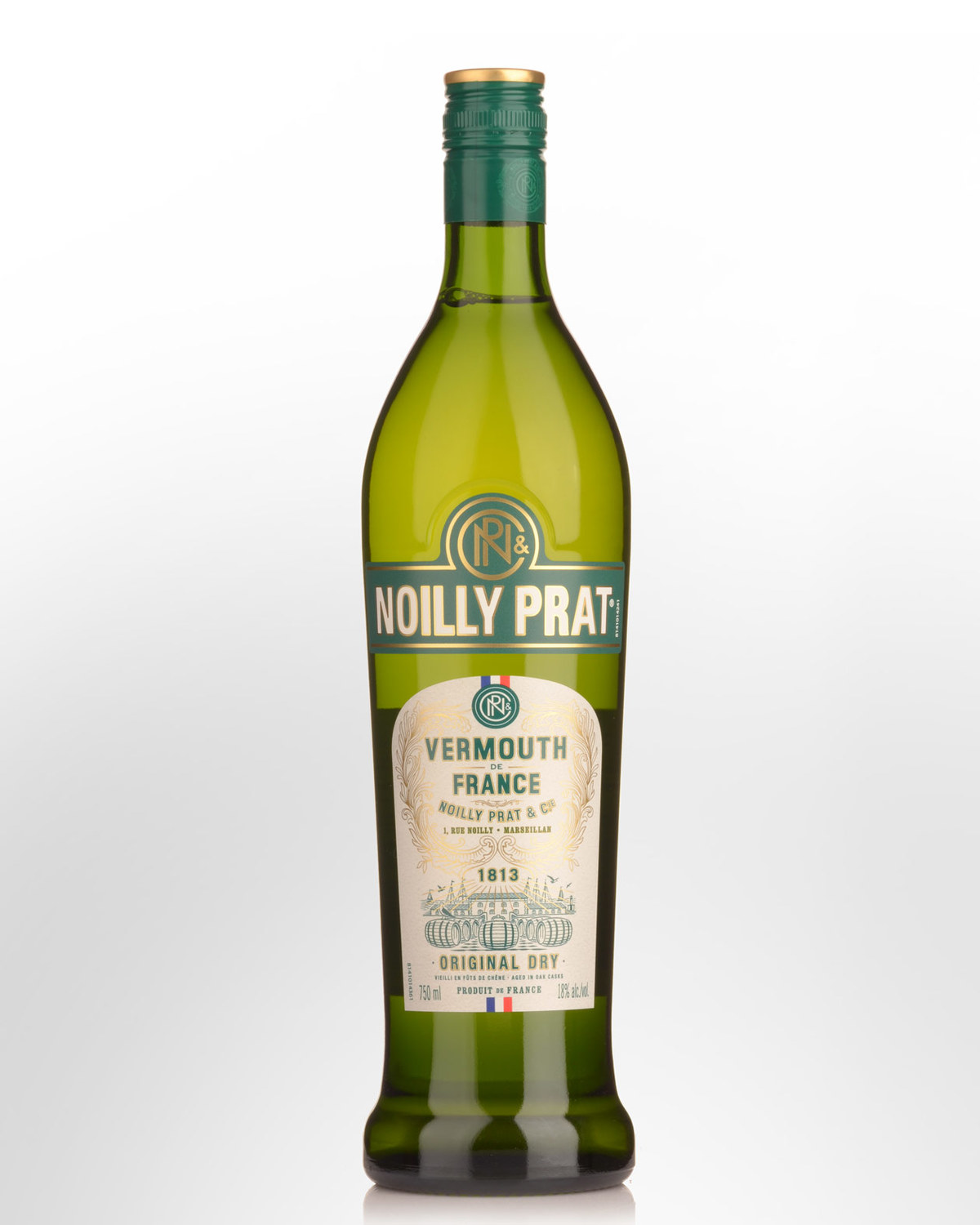
Noilly Prat Dry Vermouth (750ml)
"More muscular than many equivalent Italian Dry Vermouth, but sometimes a bit of muscle is required." 5 stars - diffordsguide.com
After centuries of production, Noilly Prat tweaked their recipe in 2009, coupling it with a sleek new bottle design. Surprisingly, most seem to prefer the new version over the old. We revisited this bar essential in 2026 and found the quality as good or better than we can recall. Whiffs of white wine upfront develop an oxidative, slightly saline, flor sherry character after air contact, complexed by hints of bay leaf, juniper and thyme. It's more winey in the mouth, deliciously textural at mid palate becoming superbly dry, nutty and manzanilla-like with lingering bitter herbs and a faint citrus peel tang. Whether you consider it the finest Dry money can buy may depend on your intended use. But for a classic, wine-driven French style, it's difficult to imagine a superior alternative. Chamomile, coriander from Morocco, bitter oranges from Tunisia and elderflower, amongst other botanicals, are key. The base wine, which is clearly no slouch, remains true to the Languedoc blend of Picpoul and Clairette. 18% Alc./Vol.
Other reviews... The new version is striking in its changes but it’s still a real vermouth: It’s got a distinct, light gold color to it and hits the tongue first with some sweetness and a more pronounced herbal flavor, before then fading into a lighter bitter finish. The new Noilly Prat is quite reminiscent of Lillet Blanc and even reminded me a bit of Strega. (However, both Noilly Prat versions — tied at 36 proof — are better than Martini & Rossi dry vermouth… but of course they say you should only drink Italian vermouth if it’s sweet and stick with France for the dry.) Of course, the true test of any dry vermouth is in a martini… and I’m happy to report the new Noilly Prat shines with either gin or vodka. Check it out! - drinkhacker.com
...Extremely pale yellow. Wonderfully alive in the nose, as subtle, woodsy scents of juniper, thyme and laurel make an impression. It's clean, dry and refreshing at palate entry; midpalate shows traces of citrus, pine and berries. Aftertaste is harmonious and medium-long. The finest dry vermouth money can buy. 93 points - wineenthusiast.com
"More muscular than many equivalent Italian Dry Vermouth, but sometimes a bit of muscle is required." 5 stars - diffordsguide.com
In 1800 Joseph Noilly decided to break with tradition. He began producing the first ever Dry Vermouth to compete with the sweet Italian ‘Turin’ styles. He achieved this by making three fundamental changes to the method of production. The first involved the addition of local flowers and fruits to his original recipe of 20 herbs. The second saw to the use of dry wines made from the Picpoul and Clairette grapes from the Languedoc. After macerating and blending, the third point of difference was to adopt a ‘new’ method of ageing which was known locally as "vin cuit" (‘cooked wine’.) This essentially involved transferring the wine into small oak barrels to be left outdoors. This exposure to climatic extremes lasts 12 months and actually speeds the wines aging process by up to four times. The barrels are finally emptied into huge blending vats, fortified and then left a further twelve months to marry before bottling.
to most of Australia