Availability:
Imported White Wines
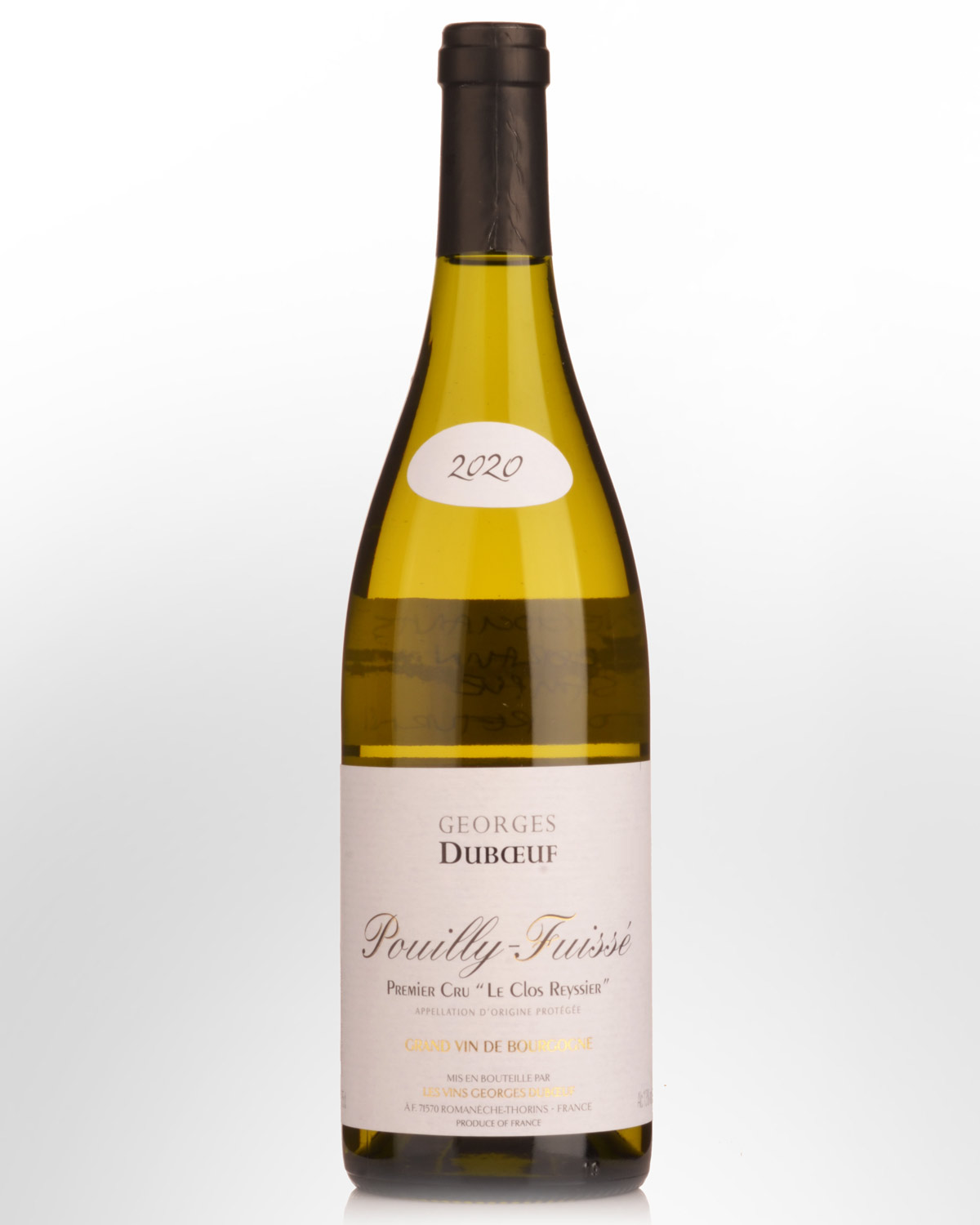
![2020 Georges Duboeuf Pouilly-Fuisse Premier Cru “Le Clos Reyssier”]()
- 95
2020 Georges Duboeuf Pouilly-Fuisse Premier Cru “Le Clos Reyssier”Burgundy, FRANCE$69. 99Bottle$839.88 DozenCellar: Drink now - 5 Years (2023-2028)ABV: 13%Closure: Diam CorkThis excellent Pouilly-Fuisse underwent 100% malolactic fermentation and 20% of the wine was aged in oak for a period of 9 months. Bright pale straw to straw colour with a watery hue. Attractive white peach, dried honey and biscuity nougat scents are trailed by hints of roasted almond, green apple and wet slate. Rich and concentrated, fleshy white peach, dried honey and pear flavours overlay subtle biscuity oak and slatey mineral characters. Nicely rounded texturally it has good underlying freshness and finishes long, well fleshed and slatey.
Drink over the next 4-5 years.
Alc. 13%![2022 Gerard Boulay Sancerre Comtesse]() 2022 Gerard Boulay Sancerre ComtesseSancerre, Loire Valley, FRANCE$185. 00Bottle$2220.00 DozenABV: 13%Closure: Cork
2022 Gerard Boulay Sancerre ComtesseSancerre, Loire Valley, FRANCE$185. 00Bottle$2220.00 DozenABV: 13%Closure: CorkJust like any other well-known wine region in France, Sancerre has its own de-facto vineyard hierarchy. Officially endorsed or not, there’s no doubt that Sancerre’s greatest sites (barring an exception or two) are concentrated around the hamlet of Chavignol. Chavignol’s steep, south and south-east facing limestone slopes are home to historically revered sites like Les Monts-Damnés, La Grande Côte and Le Clos de Beaujeu—are, without doubt, the most potent terroirs of Sancerre. It’s no fluke that the top wines from this village regularly draw comparison to the great white wines of the world. Nor is it a fluke that this tiny village is home to an unusual concentration of Sancerre’s most revered winegrowing families. In Chavignol, the best wines have little (or nothing) to do with varietal character. They are fleshier, rippling, more textural—and less Sauvignon. No other terroir in Sancerre brands its wines with the same kind of flesh and saline minerality.
Gérard Boulay can trace his wine growing roots back to 1380, so you could figuratively say that the Boulay family wrote the book on Chavignol. He works predominantly with old vines, all planted by massale selection on quality rootstock and at a higher density than most Sancerre vineyards at 7500 vines per hectare. The soil is ploughed, or grass is grown to prevent erosion, and the Domaine has been practicing organics for decades. In the cellar, Gérard works with wild ferments, old oak (his 10- to 12-year-old barrels are sourced from Alphonse Mellot) and very little sulphur during élevage. The wines are bottled without filtration. It has been said many times that with the remarkable limestone-rich Chavignol holdings, the outstanding work of Boulay and his team in the vines, and the fact that this artisan is currently crafting the finest wines of his career, all place this Domaine at the apex of France’s white wine hierarchy.
This rare bottling comes from just 0.40 hectares of 70-year-old vines in the Comtesse lieu-dit at the chalky epicentre of Les Monts-Damnés. For hundreds of years or more, this vineyard has been considered by locals to be the finest single terroir of Chavignol. The soil composition is pure Kimmeridgian limestone and consists of a miserly 30 to 40cm layer of topsoil over solid limestone bedrock. This brings intense minerality and also warmth, as the rocky soil absorbs the heat of the sun and irradiates back at night. Therefore, it’s a site that always produces fully ripe fruit, together with intense freshness—hence the historical fame.
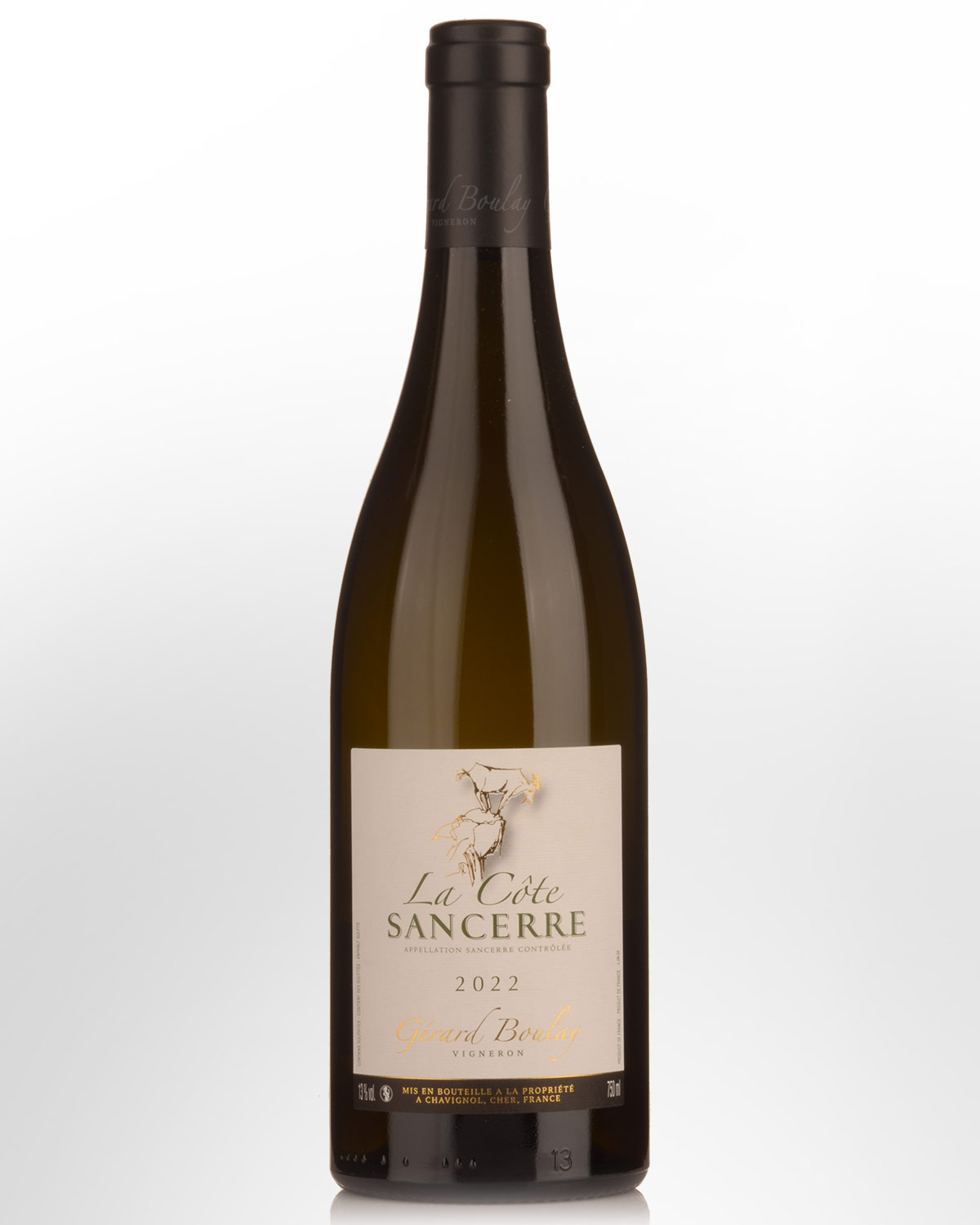
![2022 Gerard Boulay Sancerre La Cote]() 2022 Gerard Boulay Sancerre La CoteSancerre, Loire Valley, FRANCE$160. 00Bottle$1920.00 DozenABV: 13%Closure: Cork
2022 Gerard Boulay Sancerre La CoteSancerre, Loire Valley, FRANCE$160. 00Bottle$1920.00 DozenABV: 13%Closure: CorkJust like any other well-known wine region in France, Sancerre has its own de-facto vineyard hierarchy. Officially endorsed or not, there’s no doubt that Sancerre’s greatest sites (barring an exception or two) are concentrated around the hamlet of Chavignol. Chavignol’s steep, south and south-east facing limestone slopes are home to historically revered sites like Les Monts-Damnés, La Grande Côte and Le Clos de Beaujeu—are, without doubt, the most potent terroirs of Sancerre. It’s no fluke that the top wines from this village regularly draw comparison to the great white wines of the world. Nor is it a fluke that this tiny village is home to an unusual concentration of Sancerre’s most revered winegrowing families. In Chavignol, the best wines have little (or nothing) to do with varietal character. They are fleshier, rippling, more textural—and less Sauvignon. No other terroir in Sancerre brands its wines with the same kind of flesh and saline minerality.
Gérard Boulay can trace his wine growing roots back to 1380, so you could figuratively say that the Boulay family wrote the book on Chavignol. He works predominantly with old vines, all planted by massale selection on quality rootstock and at a higher density than most Sancerre vineyards at 7500 vines per hectare. The soil is ploughed, or grass is grown to prevent erosion, and the Domaine has been practicing organics for decades. In the cellar, Gérard works with wild ferments, old oak (his 10- to 12-year-old barrels are sourced from Alphonse Mellot) and very little sulphur during élevage. The wines are bottled without filtration. It has been said many times that with the remarkable limestone-rich Chavignol holdings, the outstanding work of Boulay and his team in the vines, and the fact that this artisan is currently crafting the finest wines of his career, all place this Domaine at the apex of France’s white wine hierarchy.
First made as a single parcel in 2010, La Côte comes from the majestic Grande Côte vineyard, a south- to southeast-facing hillside on the Côte d’Amigny on the outskirts of Chavignol. La Côte has quickly become one of the heavyweights of Boulay’s range. It’s the Domaine’s coolest terroir and the last to be picked. The site’s pure Kimmeridgian limestone and late picking date deliver both density and absurd precision on the palate; a more expressive style, yet still bristling with tension and mineral notes.
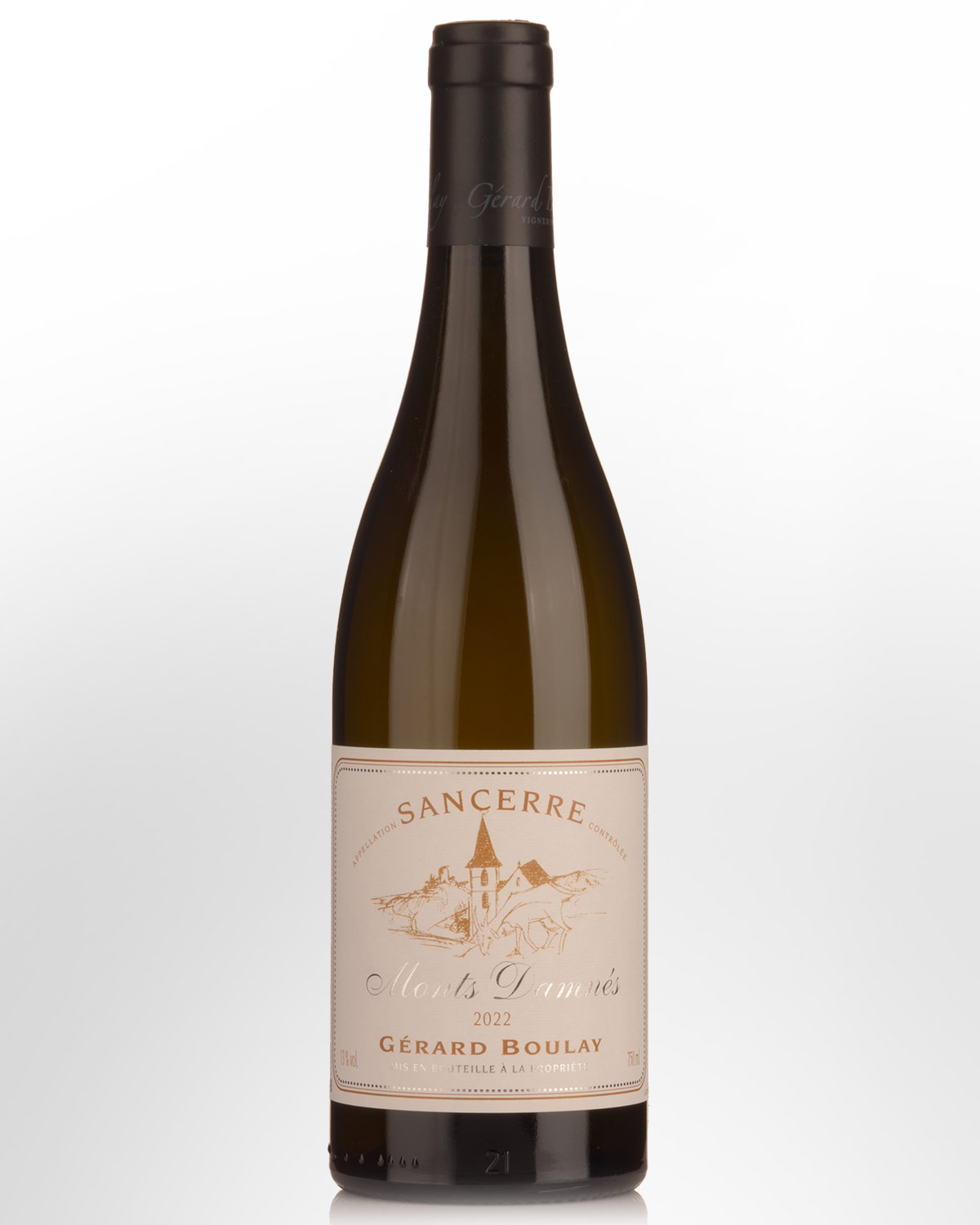
![2022 Gerard Boulay Sancerre Monts-Damnes]() 2022 Gerard Boulay Sancerre Monts-DamnesSancerre, Loire Valley, FRANCE$150. 00Bottle$1800.00 DozenABV: 13%Closure: Cork
2022 Gerard Boulay Sancerre Monts-DamnesSancerre, Loire Valley, FRANCE$150. 00Bottle$1800.00 DozenABV: 13%Closure: CorkJust like any other well-known wine region in France, Sancerre has its own de-facto vineyard hierarchy. Officially endorsed or not, there’s no doubt that Sancerre’s greatest sites (barring an exception or two) are concentrated around the hamlet of Chavignol. Chavignol’s steep, south and south-east facing limestone slopes are home to historically revered sites like Les Monts-Damnés, La Grande Côte and Le Clos de Beaujeu—are, without doubt, the most potent terroirs of Sancerre. It’s no fluke that the top wines from this village regularly draw comparison to the great white wines of the world. Nor is it a fluke that this tiny village is home to an unusual concentration of Sancerre’s most revered winegrowing families. In Chavignol, the best wines have little (or nothing) to do with varietal character. They are fleshier, rippling, more textural—and less Sauvignon. No other terroir in Sancerre brands its wines with the same kind of flesh and saline minerality.
Gérard Boulay can trace his wine growing roots back to 1380, so you could figuratively say that the Boulay family wrote the book on Chavignol. He works predominantly with old vines, all planted by massale selection on quality rootstock and at a higher density than most Sancerre vineyards at 7500 vines per hectare. The soil is ploughed, or grass is grown to prevent erosion, and the Domaine has been practicing organics for decades. In the cellar, Gérard works with wild ferments, old oak (his 10- to 12-year-old barrels are sourced from Alphonse Mellot) and very little sulphur during élevage. The wines are bottled without filtration. It has been said many times that with the remarkable limestone-rich Chavignol holdings, the outstanding work of Boulay and his team in the vines, and the fact that this artisan is currently crafting the finest wines of his career, all place this Domaine at the apex of France’s white wine hierarchy.
Monts-Damnés (pronounced mon-dannay) is perhaps the best-known vineyard in Chavignol. Drinking some great juice from this site leaves you in little doubt that Chavignol is home to the most textural, mineral, uplifting and sublime Sancerre. Boulay’s bottling comes from 45-year-old vines on one of the steepest inclines of this majestic vineyard—a 40-degree gradient, south-facing plot on terres blanches soil (white, chalky clay and limestone), directly adjacent to Edmond Vatan’s Clos la Néore vineyard. It's a parcel of vines that gift a wine of great hedonism and complexity.
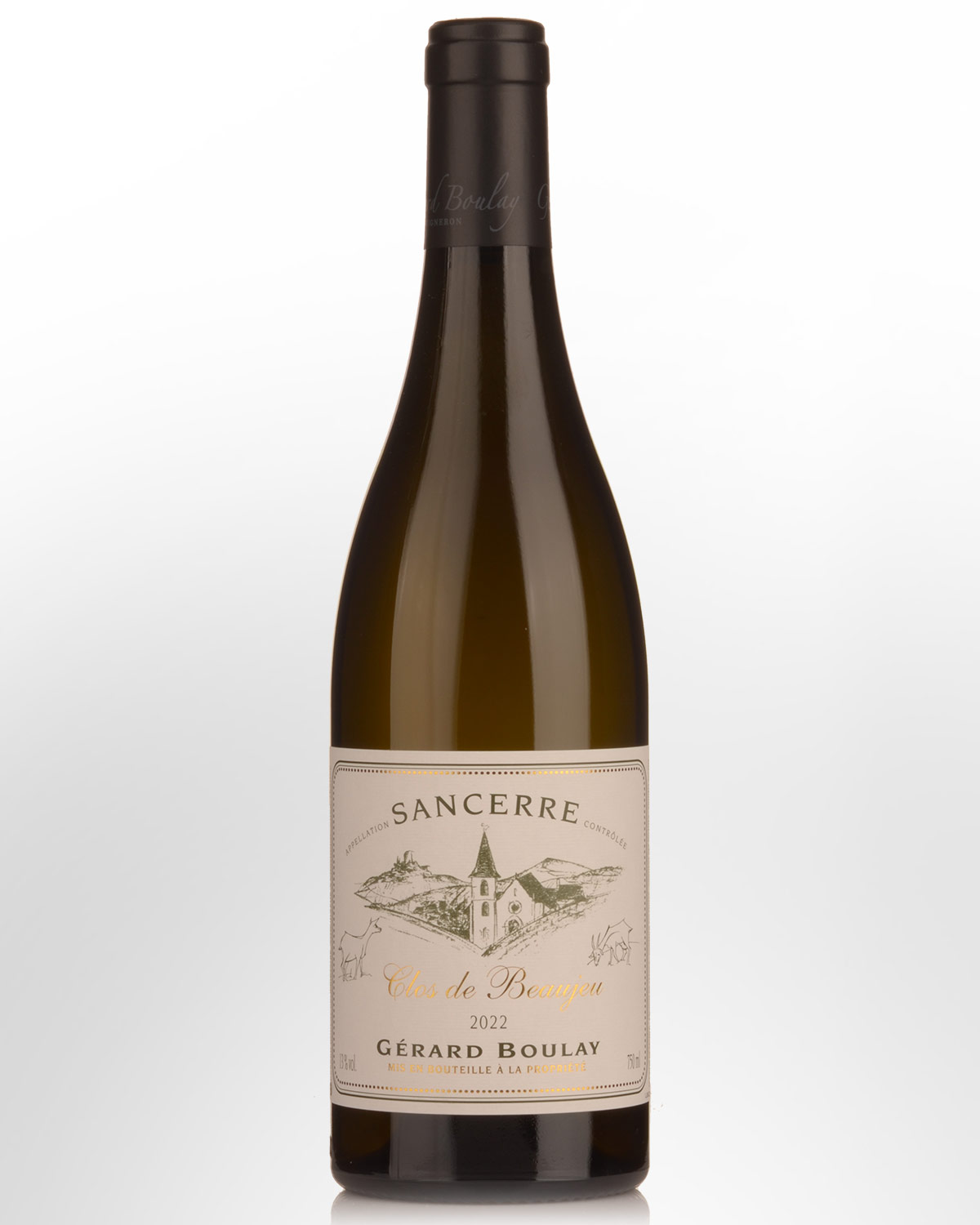
![2022 Gerard Boulay Sancerre Clos Beaujeu]() 2022 Gerard Boulay Sancerre Clos BeaujeuSancerre, Loire Valley, FRANCE$150. 00Bottle$1800.00 DozenABV: 13%Closure: Cork
2022 Gerard Boulay Sancerre Clos BeaujeuSancerre, Loire Valley, FRANCE$150. 00Bottle$1800.00 DozenABV: 13%Closure: CorkJust like any other well-known wine region in France, Sancerre has its own de-facto vineyard hierarchy. Officially endorsed or not, there’s no doubt that Sancerre’s greatest sites (barring an exception or two) are concentrated around the hamlet of Chavignol. Chavignol’s steep, south and south-east facing limestone slopes are home to historically revered sites like Les Monts-Damnés, La Grande Côte and Le Clos de Beaujeu—are, without doubt, the most potent terroirs of Sancerre. It’s no fluke that the top wines from this village regularly draw comparison to the great white wines of the world. Nor is it a fluke that this tiny village is home to an unusual concentration of Sancerre’s most revered winegrowing families. In Chavignol, the best wines have little (or nothing) to do with varietal character. They are fleshier, rippling, more textural—and less Sauvignon. No other terroir in Sancerre brands its wines with the same kind of flesh and saline minerality.
Gérard Boulay can trace his wine growing roots back to 1380, so you could figuratively say that the Boulay family wrote the book on Chavignol. He works predominantly with old vines, all planted by massale selection on quality rootstock and at a higher density than most Sancerre vineyards at 7500 vines per hectare. The soil is ploughed, or grass is grown to prevent erosion, and the Domaine has been practicing organics for decades. In the cellar, Gérard works with wild ferments, old oak (his 10- to 12-year-old barrels are sourced from Alphonse Mellot) and very little sulphur during élevage. The wines are bottled without filtration. It has been said many times that with the remarkable limestone-rich Chavignol holdings, the outstanding work of Boulay and his team in the vines, and the fact that this artisan is currently crafting the finest wines of his career, all place this Domaine at the apex of France’s white wine hierarchy.
Boulay farms two parcels in this terroir, including one within the original Clos of the vineyard (established by the monks of Beaujeu in the Middle Ages). Vines on this slope of Kimmeridgian limestone and clay (terre blanches) are aged between 30 and an incredible 110 years! The soils here are particularly rocky and strewn with fossils, much like parts of Chablis. These textured soils make this parcel very difficult to farm. A second, even steeper parcel lies closer to the village. Together these southeast-facing plots make Clos de Beaujeu the source of some of the Domaine’s most structured and nervy wines. This wine was naturally fermented and raised in large, upright cask (60%) and in three- and four-year-old 300 litre barrels (40%), for 10 months.
![2022 Gerard Boulay Sancerre a Chavignol]() 2022 Gerard Boulay Sancerre a ChavignolSancerre, Loire Valley, FRANCE$86. 99Bottle$1043.88 DozenABV: 13%Closure: Cork
2022 Gerard Boulay Sancerre a ChavignolSancerre, Loire Valley, FRANCE$86. 99Bottle$1043.88 DozenABV: 13%Closure: CorkJust like any other well-known wine region in France, Sancerre has its own de-facto vineyard hierarchy. Officially endorsed or not, there’s no doubt that Sancerre’s greatest sites (barring an exception or two) are concentrated around the hamlet of Chavignol. Chavignol’s steep, south and south-east facing limestone slopes are home to historically revered sites like Les Monts-Damnés, La Grande Côte and Le Clos de Beaujeu—are, without doubt, the most potent terroirs of Sancerre. It’s no fluke that the top wines from this village regularly draw comparison to the great white wines of the world. Nor is it a fluke that this tiny village is home to an unusual concentration of Sancerre’s most revered winegrowing families. In Chavignol, the best wines have little (or nothing) to do with varietal character. They are fleshier, rippling, more textural—and less Sauvignon. No other terroir in Sancerre brands its wines with the same kind of flesh and saline minerality.
Gérard Boulay can trace his wine growing roots back to 1380, so you could figuratively say that the Boulay family wrote the book on Chavignol. He works predominantly with old vines, all planted by massale selection on quality rootstock and at a higher density than most Sancerre vineyards at 7500 vines per hectare. The soil is ploughed, or grass is grown to prevent erosion, and the Domaine has been practicing organics for decades. In the cellar, Gérard works with wild ferments, old oak (his 10- to 12-year-old barrels are sourced from Alphonse Mellot) and very little sulphur during élevage. The wines are bottled without filtration. It has been said many times that with the remarkable limestone-rich Chavignol holdings, the outstanding work of Boulay and his team in the vines, and the fact that this artisan is currently crafting the finest wines of his career, all place this Domaine at the apex of France’s white wine hierarchy.
Boulay's entry-level, if we must call it that, is drawn from mature, 35- to 40-year-old vines rooted entirely in the limestone soils of Chavignol. This is the only blended cuvée in the Boulay line-up, yet even here we can taste the kind of finesse, texture and stony/earthy/salty minerality that has made this humble grower one of France's most respected vignerons. The multiple sites are largely sloping vineyards on the lower flanks of the Chavignol hillside terroirs of Les Chasseignes, Les Longues Fins and La Rue de Vaux. Importantly, Boulay also includes fruit from his younger vines on the great hillside of La Grande Côte. The juice was naturally fermented and aged for eight months in tank on lees, with a small volume also fermented in a single large wooden cask.
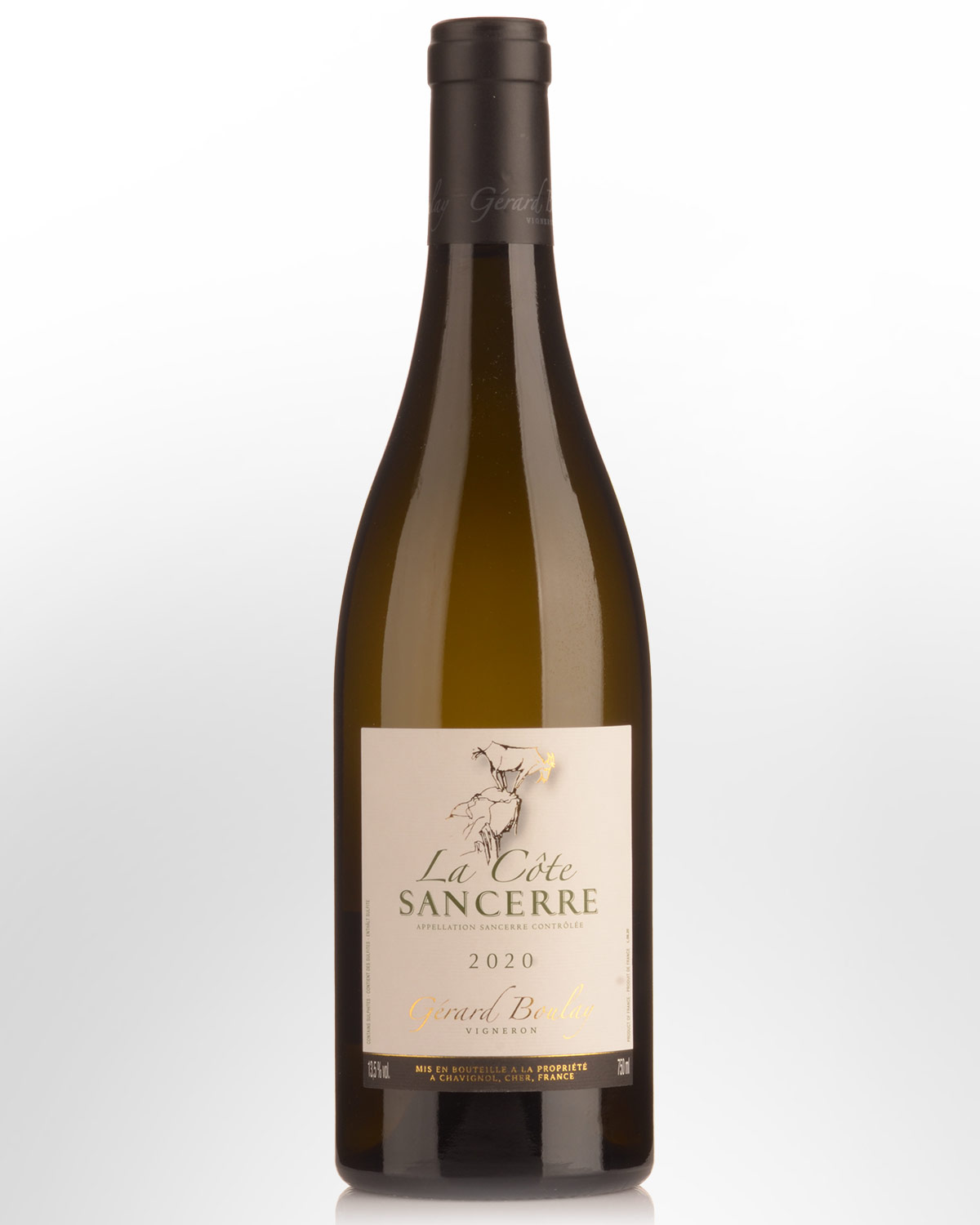
![2020 Gerard Boulay Sancerre La Cote]() 2020 Gerard Boulay Sancerre La CoteSancerre, Loire Valley, FRANCE$120. 00Bottle$1440.00 DozenABV: 13.5%Closure: Cork
2020 Gerard Boulay Sancerre La CoteSancerre, Loire Valley, FRANCE$120. 00Bottle$1440.00 DozenABV: 13.5%Closure: CorkJust like any other well-known wine region in France, Sancerre has its own de-facto vineyard hierarchy. Officially endorsed or not, there’s no doubt that Sancerre’s greatest sites (barring an exception or two) are concentrated around the hamlet of Chavignol. Chavignol’s steep, south and south-east facing limestone slopes are home to historically revered sites like Les Monts-Damnés, La Grande Côte and Le Clos de Beaujeu—are, without doubt, the most potent terroirs of Sancerre. It’s no fluke that the top wines from this village regularly draw comparison to the great white wines of the world. Nor is it a fluke that this tiny village is home to an unusual concentration of Sancerre’s most revered winegrowing families. In Chavignol, the best wines have little (or nothing) to do with varietal character. They are fleshier, rippling, more textural—and less Sauvignon. No other terroir in Sancerre brands its wines with the same kind of flesh and saline minerality.
Gérard Boulay can trace his wine growing roots back to 1380, so you could figuratively say that the Boulay family wrote the book on Chavignol. He works predominantly with old vines, all planted by massale selection on quality rootstock and at a higher density than most Sancerre vineyards at 7500 vines per hectare. The soil is ploughed, or grass is grown to prevent erosion, and the Domaine has been practicing organics for decades. In the cellar, Gérard works with wild ferments, old oak (his 10- to 12-year-old barrels are sourced from Alphonse Mellot) and very little sulphur during élevage. The wines are bottled without filtration. It has been said many times that with the remarkable limestone-rich Chavignol holdings, the outstanding work of Boulay and his team in the vines, and the fact that this artisan is currently crafting the finest wines of his career, all place this Domaine at the apex of France’s white wine hierarchy.
First made as a single parcel in 2010, La Côte comes from the majestic Grande Côte vineyard, a south- to southeast-facing hillside on the Côte d’Amigny on the outskirts of Chavignol. La Côte has quickly become one of the heavyweights of Boulay’s range. It’s the Domaine’s coolest terroir and the last to be picked. The site’s pure Kimmeridgian limestone and late picking date deliver both density and absurd precision on the palate; a more expressive style, yet still bristling with tension and mineral notes.
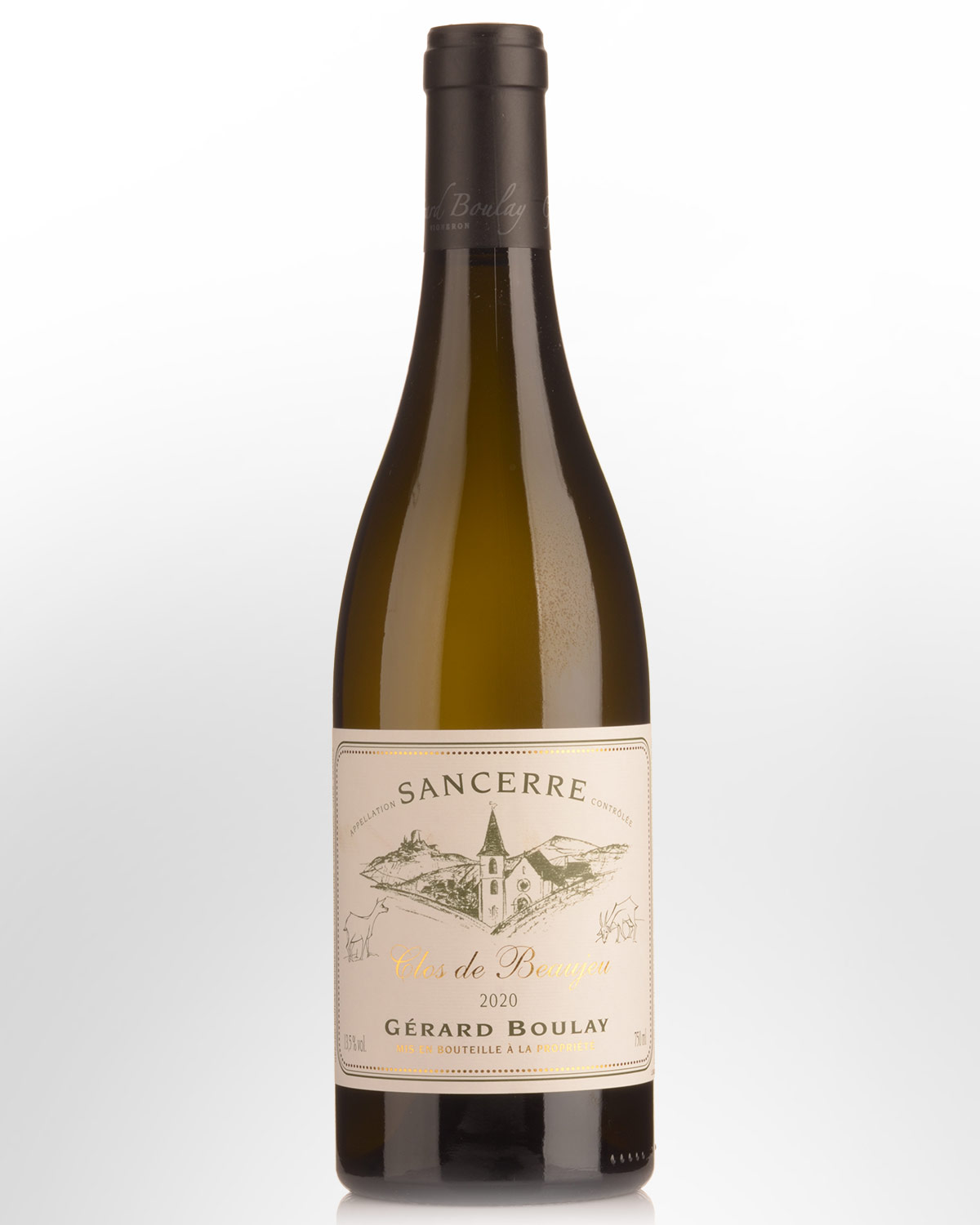
![2020 Gerard Boulay Sancerre Clos Beaujeu]() 2020 Gerard Boulay Sancerre Clos BeaujeuSancerre, Loire Valley, FRANCE$110. 00Bottle$1320.00 DozenABV: 13.5%Closure: Cork
2020 Gerard Boulay Sancerre Clos BeaujeuSancerre, Loire Valley, FRANCE$110. 00Bottle$1320.00 DozenABV: 13.5%Closure: CorkJust like any other well-known wine region in France, Sancerre has its own de-facto vineyard hierarchy. Officially endorsed or not, there’s no doubt that Sancerre’s greatest sites (barring an exception or two) are concentrated around the hamlet of Chavignol. Chavignol’s steep, south and south-east facing limestone slopes are home to historically revered sites like Les Monts-Damnés, La Grande Côte and Le Clos de Beaujeu—are, without doubt, the most potent terroirs of Sancerre. It’s no fluke that the top wines from this village regularly draw comparison to the great white wines of the world. Nor is it a fluke that this tiny village is home to an unusual concentration of Sancerre’s most revered winegrowing families. In Chavignol, the best wines have little (or nothing) to do with varietal character. They are fleshier, rippling, more textural—and less Sauvignon. No other terroir in Sancerre brands its wines with the same kind of flesh and saline minerality.
Gérard Boulay can trace his wine growing roots back to 1380, so you could figuratively say that the Boulay family wrote the book on Chavignol. He works predominantly with old vines, all planted by massale selection on quality rootstock and at a higher density than most Sancerre vineyards at 7500 vines per hectare. The soil is ploughed, or grass is grown to prevent erosion, and the Domaine has been practicing organics for decades. In the cellar, Gérard works with wild ferments, old oak (his 10- to 12-year-old barrels are sourced from Alphonse Mellot) and very little sulphur during élevage. The wines are bottled without filtration. It has been said many times that with the remarkable limestone-rich Chavignol holdings, the outstanding work of Boulay and his team in the vines, and the fact that this artisan is currently crafting the finest wines of his career, all place this Domaine at the apex of France’s white wine hierarchy.
Boulay farms two parcels in this terroir, including one within the original Clos of the vineyard (established by the monks of Beaujeu in the Middle Ages). Vines on this slope of Kimmeridgian limestone and clay (terre blanches) are aged between 30 and an incredible 110 years! The soils here are particularly rocky and strewn with fossils, much like parts of Chablis. These textured soils make this parcel very difficult to farm. A second, even steeper parcel lies closer to the village. Together these southeast-facing plots make Clos de Beaujeu the source of some of the Domaine’s most structured and nervy wines. This wine was naturally fermented and raised in large, upright cask (60%) and in three- and four-year-old 300 litre barrels (40%), for 10 months.
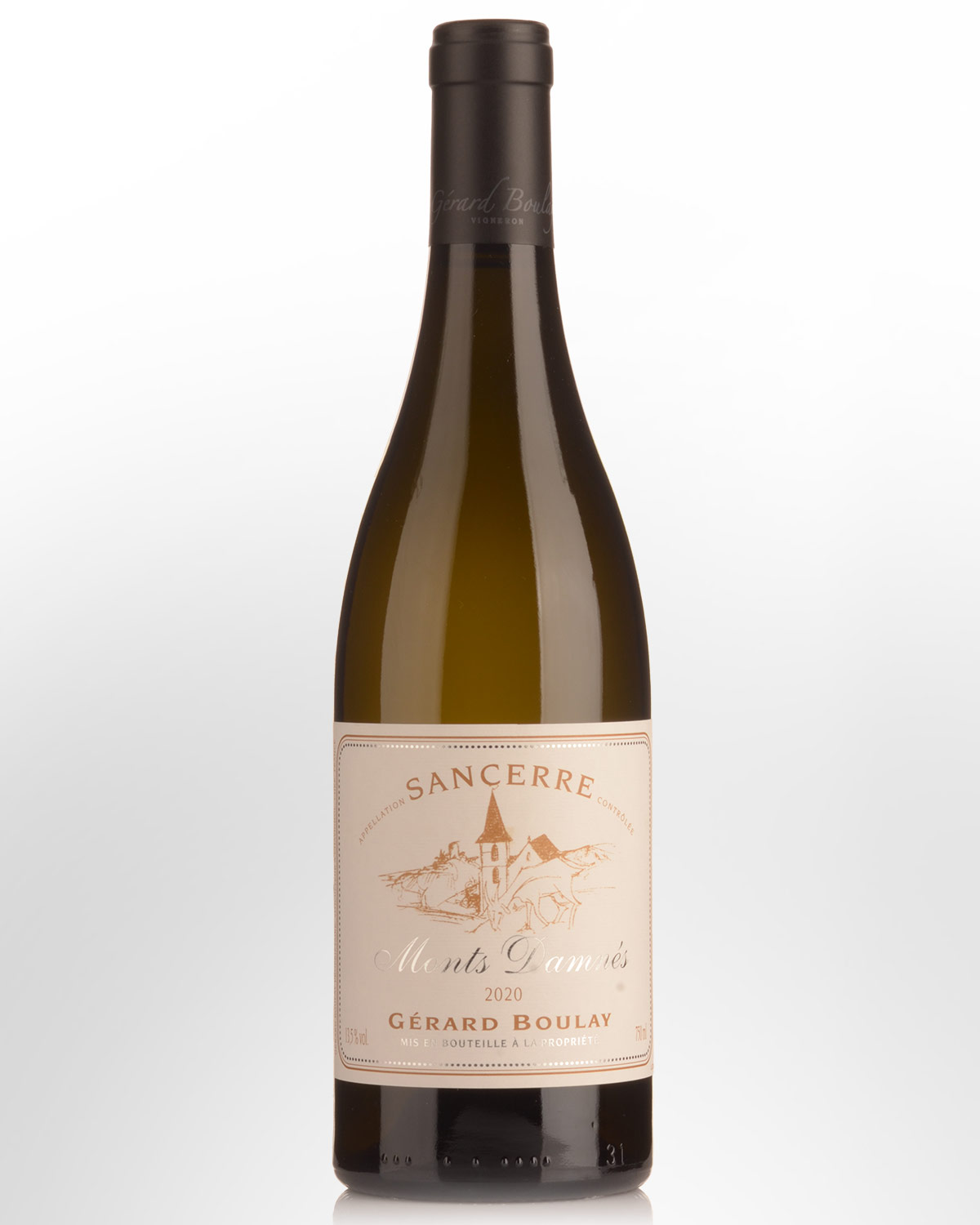
![2020 Gerard Boulay Sancerre Les Monts-Damnes]() 2020 Gerard Boulay Sancerre Les Monts-DamnesSancerre, Loire Valley, FRANCE$110. 00Bottle$1320.00 DozenABV: 13.5%Closure: Cork
2020 Gerard Boulay Sancerre Les Monts-DamnesSancerre, Loire Valley, FRANCE$110. 00Bottle$1320.00 DozenABV: 13.5%Closure: CorkJust like any other well-known wine region in France, Sancerre has its own de-facto vineyard hierarchy. Officially endorsed or not, there’s no doubt that Sancerre’s greatest sites (barring an exception or two) are concentrated around the hamlet of Chavignol. Chavignol’s steep, south and south-east facing limestone slopes are home to historically revered sites like Les Monts-Damnés, La Grande Côte and Le Clos de Beaujeu—are, without doubt, the most potent terroirs of Sancerre. It’s no fluke that the top wines from this village regularly draw comparison to the great white wines of the world. Nor is it a fluke that this tiny village is home to an unusual concentration of Sancerre’s most revered winegrowing families. In Chavignol, the best wines have little (or nothing) to do with varietal character. They are fleshier, rippling, more textural—and less Sauvignon. No other terroir in Sancerre brands its wines with the same kind of flesh and saline minerality.
Gérard Boulay can trace his wine growing roots back to 1380, so you could figuratively say that the Boulay family wrote the book on Chavignol. He works predominantly with old vines, all planted by massale selection on quality rootstock and at a higher density than most Sancerre vineyards at 7500 vines per hectare. The soil is ploughed, or grass is grown to prevent erosion, and the Domaine has been practicing organics for decades. In the cellar, Gérard works with wild ferments, old oak (his 10- to 12-year-old barrels are sourced from Alphonse Mellot) and very little sulphur during élevage. The wines are bottled without filtration. It has been said many times that with the remarkable limestone-rich Chavignol holdings, the outstanding work of Boulay and his team in the vines, and the fact that this artisan is currently crafting the finest wines of his career, all place this Domaine at the apex of France’s white wine hierarchy.
Monts-Damnés (pronounced mon-dannay) is perhaps the best-known vineyard in Chavignol. Drinking some great juice from this site leaves you in little doubt that Chavignol is home to the most textural, mineral, uplifting and sublime Sancerre. Boulay’s bottling comes from 45-year-old vines on one of the steepest inclines of this majestic vineyard—a 40-degree gradient, south-facing plot on terres blanches soil (white, chalky clay and limestone), directly adjacent to Edmond Vatan’s Clos la Néore vineyard. It's a parcel of vines that gift a wine of great hedonism and complexity.
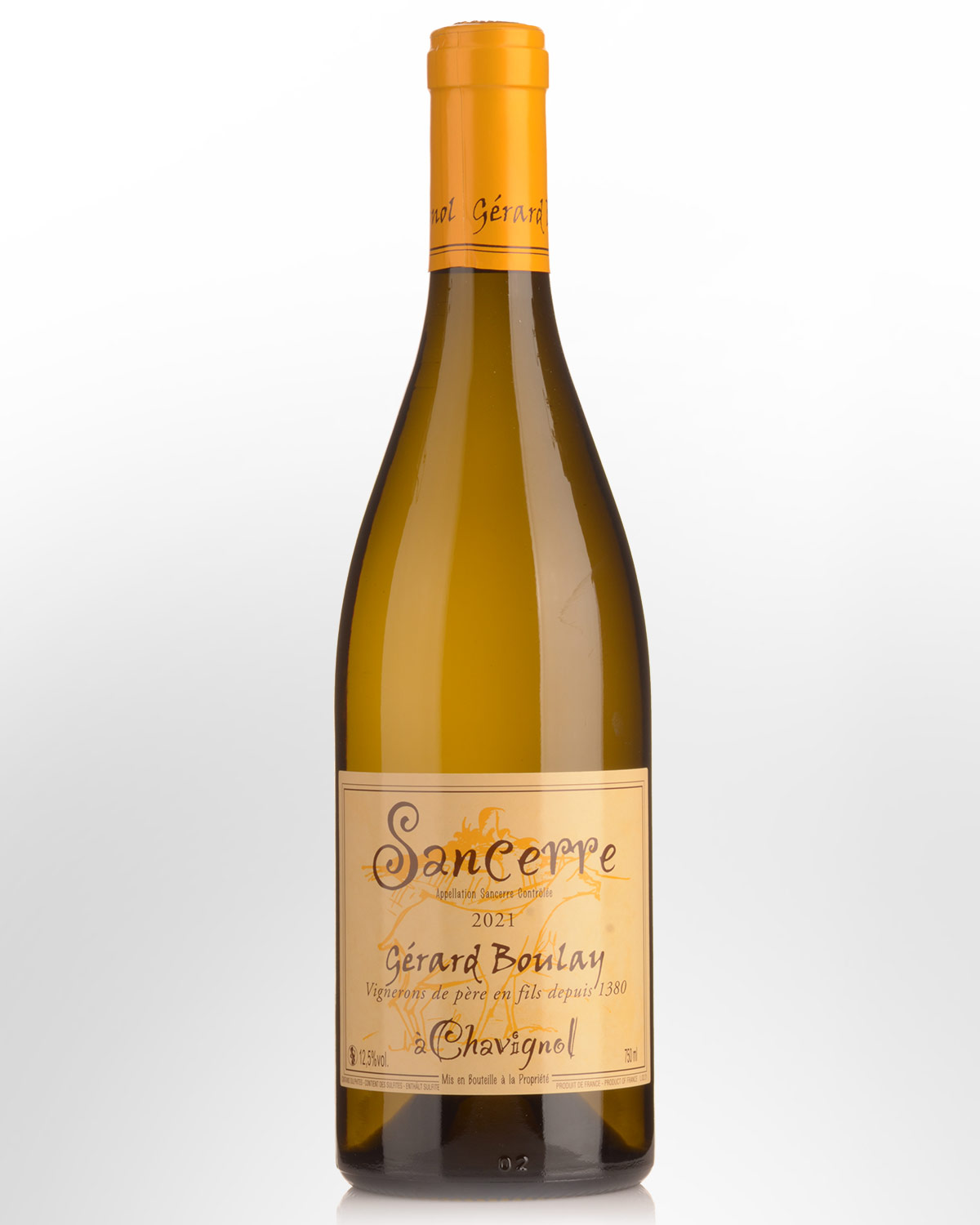
![2021 Gerard Boulay Sancerre a Chavignol]() 2021 Gerard Boulay Sancerre a ChavignolSancerre, Loire Valley, FRANCE$74. 99Bottle$899.88 DozenABV: 12.5%Closure: Cork
2021 Gerard Boulay Sancerre a ChavignolSancerre, Loire Valley, FRANCE$74. 99Bottle$899.88 DozenABV: 12.5%Closure: CorkJust like any other well-known wine region in France, Sancerre has its own de-facto vineyard hierarchy. Officially endorsed or not, there’s no doubt that Sancerre’s greatest sites (barring an exception or two) are concentrated around the hamlet of Chavignol. Chavignol’s steep, south and south-east facing limestone slopes are home to historically revered sites like Les Monts-Damnés, La Grande Côte and Le Clos de Beaujeu—are, without doubt, the most potent terroirs of Sancerre. It’s no fluke that the top wines from this village regularly draw comparison to the great white wines of the world. Nor is it a fluke that this tiny village is home to an unusual concentration of Sancerre’s most revered winegrowing families. In Chavignol, the best wines have little (or nothing) to do with varietal character. They are fleshier, rippling, more textural—and less Sauvignon. No other terroir in Sancerre brands its wines with the same kind of flesh and saline minerality.
Gérard Boulay can trace his wine growing roots back to 1380, so you could figuratively say that the Boulay family wrote the book on Chavignol. He works predominantly with old vines, all planted by massale selection on quality rootstock and at a higher density than most Sancerre vineyards at 7500 vines per hectare. The soil is ploughed, or grass is grown to prevent erosion, and the Domaine has been practicing organics for decades. In the cellar, Gérard works with wild ferments, old oak (his 10- to 12-year-old barrels are sourced from Alphonse Mellot) and very little sulphur during élevage. The wines are bottled without filtration. It has been said many times that with the remarkable limestone-rich Chavignol holdings, the outstanding work of Boulay and his team in the vines, and the fact that this artisan is currently crafting the finest wines of his career, all place this Domaine at the apex of France’s white wine hierarchy.
Boulay's entry-level, if we must call it that, is drawn from mature, 35- to 40-year-old vines rooted entirely in the limestone soils of Chavignol. This is the only blended cuvée in the Boulay line-up, yet even here we can taste the kind of finesse, texture and stony/earthy/salty minerality that has made this humble grower one of France's most respected vignerons. The multiple sites are largely sloping vineyards on the lower flanks of the Chavignol hillside terroirs of Les Chasseignes, Les Longues Fins and La Rue de Vaux. Importantly, Boulay also includes fruit from his younger vines on the great hillside of La Grande Côte. The juice was naturally fermented and aged for eight months in tank on lees, with a small volume also fermented in a single large wooden cask.
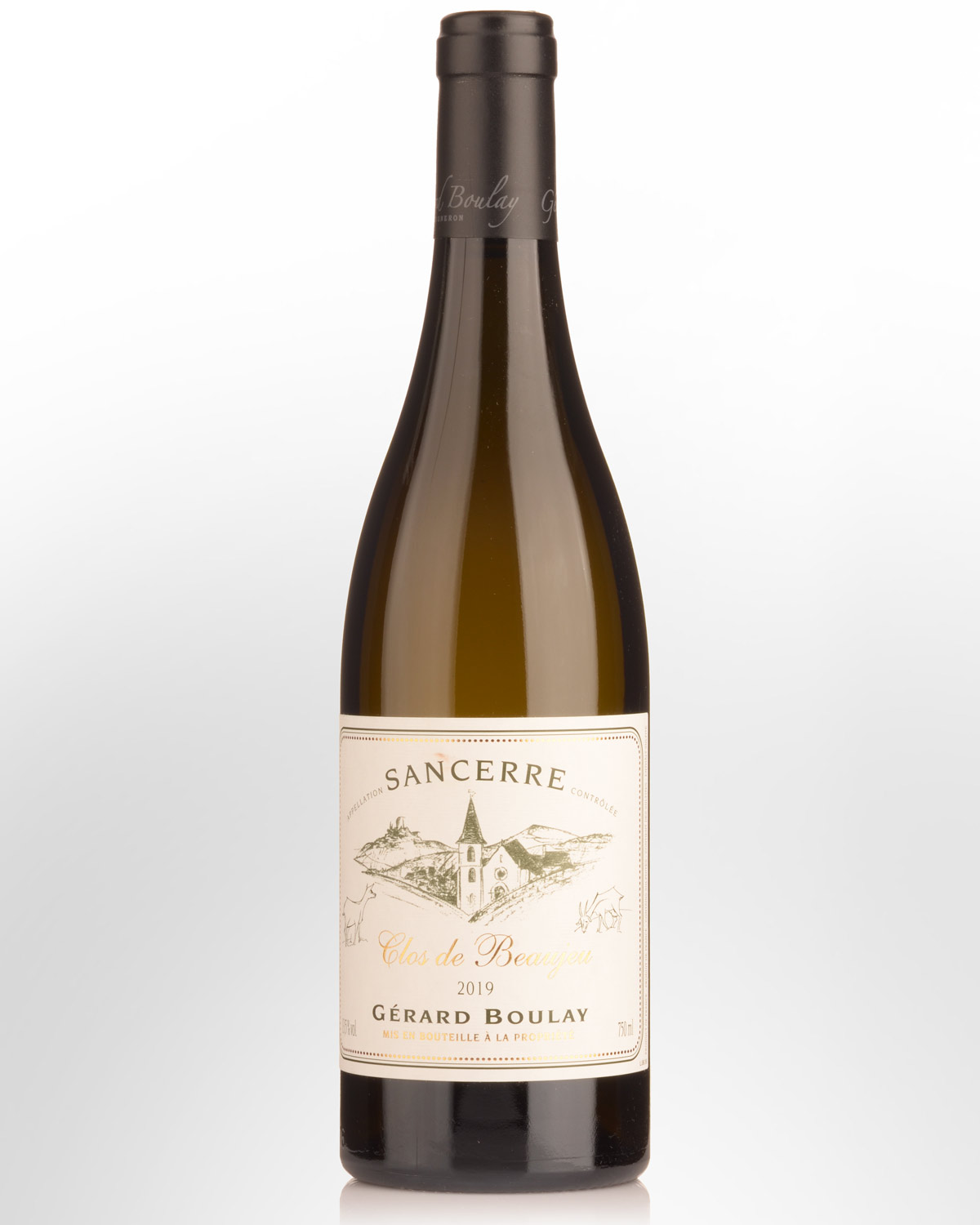
![44707756_1.jpg]() 2019 Gerard Boulay Sancerre a ChavignolSancerre, Loire Valley, FRANCE$69. 99Bottle$839.88 DozenABV: 13.5%Closure: Cork
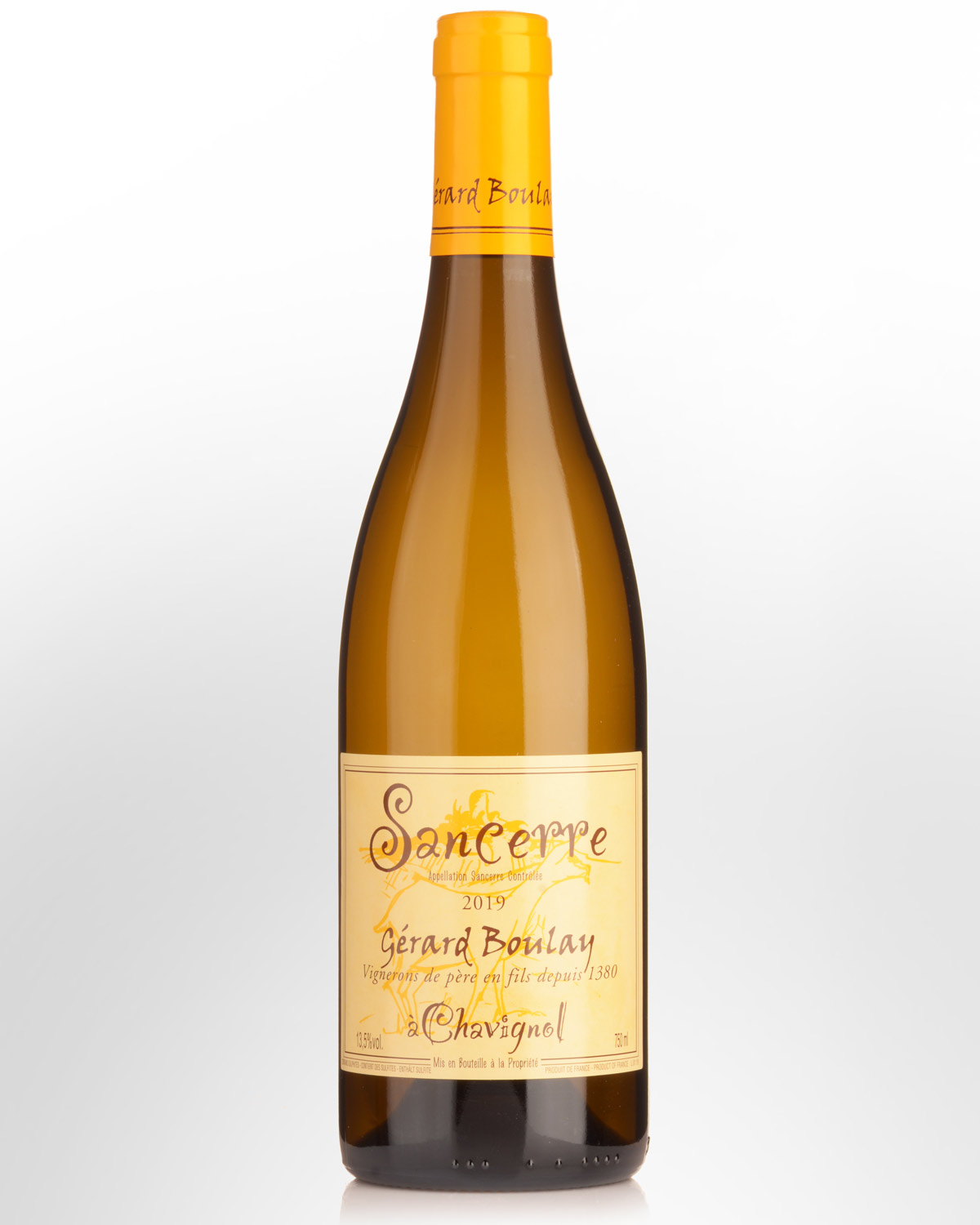
2019 Gerard Boulay Sancerre a ChavignolSancerre, Loire Valley, FRANCE$69. 99Bottle$839.88 DozenABV: 13.5%Closure: CorkJust like any other well-known wine region in France, Sancerre has its own de-facto vineyard hierarchy. Officially endorsed or not, there’s no doubt that Sancerre’s greatest sites (barring an exception or two) are concentrated around the hamlet of Chavignol. Chavignol’s steep, south and south-east facing limestone slopes are home to historically revered sites like Les Monts-Damnés, La Grande Côte and Le Clos de Beaujeu—are, without doubt, the most potent terroirs of Sancerre. It’s no fluke that the top wines from this village regularly draw comparison to the great white wines of the world. Nor is it a fluke that this tiny village is home to an unusual concentration of Sancerre’s most revered winegrowing families. In Chavignol, the best wines have little (or nothing) to do with varietal character. They are fleshier, rippling, more textural—and less Sauvignon. No other terroir in Sancerre brands its wines with the same kind of flesh and saline minerality.
Gérard Boulay can trace his wine growing roots back to 1380, so you could figuratively say that the Boulay family wrote the book on Chavignol. He works predominantly with old vines, all planted by massale selection on quality rootstock and at a higher density than most Sancerre vineyards at 7500 vines per hectare. The soil is ploughed, or grass is grown to prevent erosion, and the Domaine has been practicing organics for decades. In the cellar, Gérard works with wild ferments, old oak (his 10- to 12-year-old barrels are sourced from Alphonse Mellot) and very little sulphur during élevage. The wines are bottled without filtration. It has been said many times that with the remarkable limestone-rich Chavignol holdings, the outstanding work of Boulay and his team in the vines, and the fact that this artisan is currently crafting the finest wines of his career, all place this Domaine at the apex of France’s white wine hierarchy.
Boulay's entry-level, if we must call it that, is drawn from mature, 35- to 40-year-old vines rooted entirely in the limestone soils of Chavignol. This is the only blended cuvée in the Boulay line-up, yet even here we can taste the kind of finesse, texture and stony/earthy/salty minerality that has made this humble grower one of France's most respected vignerons. The multiple sites are largely sloping vineyards on the lower flanks of the Chavignol hillside terroirs of Les Chasseignes, Les Longues Fins and La Rue de Vaux. Importantly, Boulay also includes fruit from his younger vines on the great hillside of La Grande Côte. The juice was naturally fermented and aged for eight months in tank on lees, with a small volume also fermented in a single large wooden cask.
![44707754_1.jpg]() 2019 Gerard Boulay Sancerre Les Monts-DamnesSancerre, Loire Valley, FRANCE$110. 00Bottle$1320.00 DozenABV: 13.5%Closure: Cork
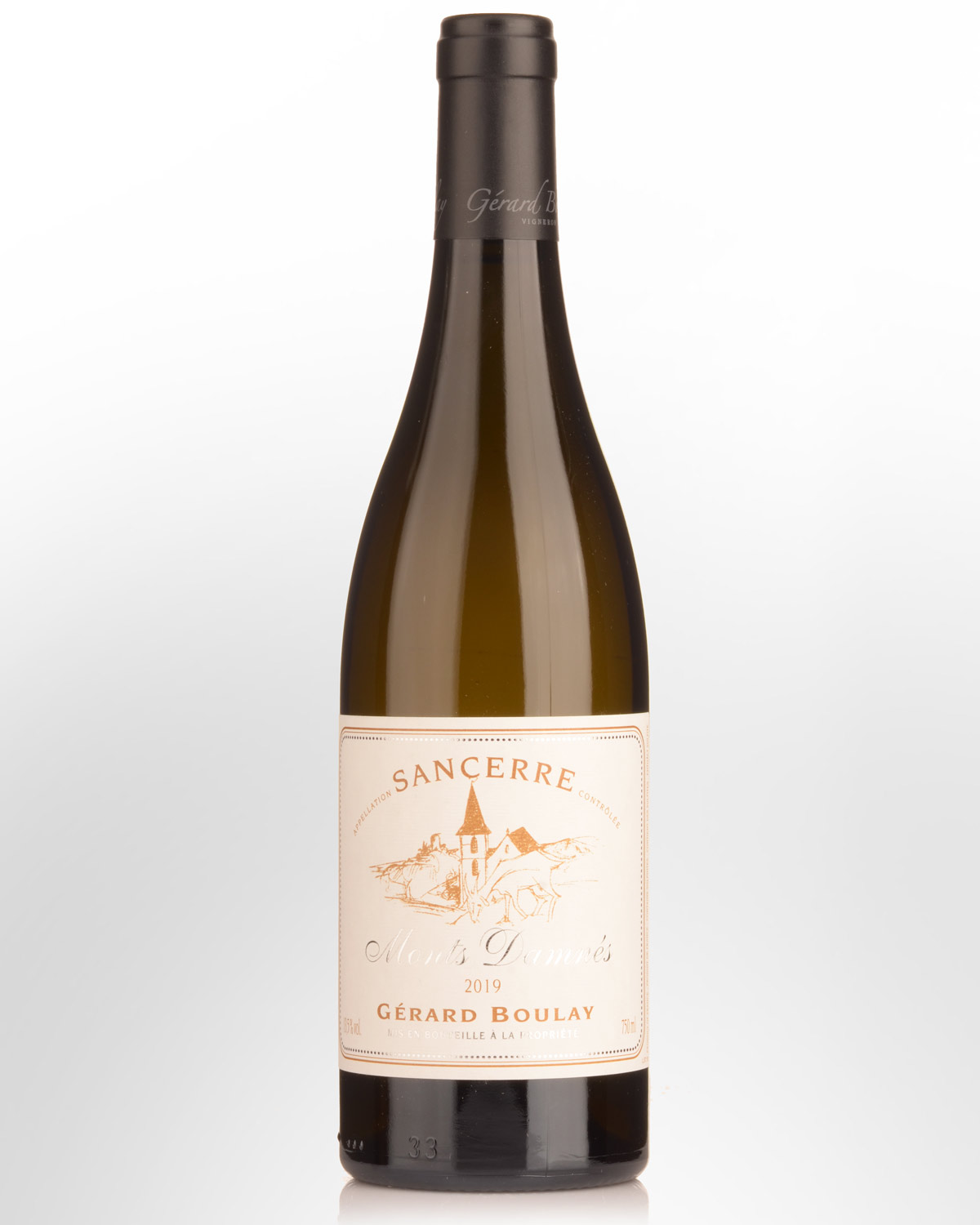
2019 Gerard Boulay Sancerre Les Monts-DamnesSancerre, Loire Valley, FRANCE$110. 00Bottle$1320.00 DozenABV: 13.5%Closure: CorkJust like any other well-known wine region in France, Sancerre has its own de-facto vineyard hierarchy. Officially endorsed or not, there’s no doubt that Sancerre’s greatest sites (barring an exception or two) are concentrated around the hamlet of Chavignol. Chavignol’s steep, south and south-east facing limestone slopes are home to historically revered sites like Les Monts-Damnés, La Grande Côte and Le Clos de Beaujeu—are, without doubt, the most potent terroirs of Sancerre. It’s no fluke that the top wines from this village regularly draw comparison to the great white wines of the world. Nor is it a fluke that this tiny village is home to an unusual concentration of Sancerre’s most revered winegrowing families. In Chavignol, the best wines have little (or nothing) to do with varietal character. They are fleshier, rippling, more textural—and less Sauvignon. No other terroir in Sancerre brands its wines with the same kind of flesh and saline minerality.
Gérard Boulay can trace his wine growing roots back to 1380, so you could figuratively say that the Boulay family wrote the book on Chavignol. He works predominantly with old vines, all planted by massale selection on quality rootstock and at a higher density than most Sancerre vineyards at 7500 vines per hectare. The soil is ploughed, or grass is grown to prevent erosion, and the Domaine has been practicing organics for decades. In the cellar, Gérard works with wild ferments, old oak (his 10- to 12-year-old barrels are sourced from Alphonse Mellot) and very little sulphur during élevage. The wines are bottled without filtration. It has been said many times that with the remarkable limestone-rich Chavignol holdings, the outstanding work of Boulay and his team in the vines, and the fact that this artisan is currently crafting the finest wines of his career, all place this Domaine at the apex of France’s white wine hierarchy.
Monts-Damnés (pronounced mon-dannay) is perhaps the best-known vineyard in Chavignol. Drinking some great juice from this site leaves you in little doubt that Chavignol is home to the most textural, mineral, uplifting and sublime Sancerre. Boulay’s bottling comes from 45-year-old vines on one of the steepest inclines of this majestic vineyard—a 40-degree gradient, south-facing plot on terres blanches soil (white, chalky clay and limestone), directly adjacent to Edmond Vatan’s Clos la Néore vineyard. It's a parcel of vines that gift a wine of great hedonism and complexity.
![44707753_1.jpg]()
- 93
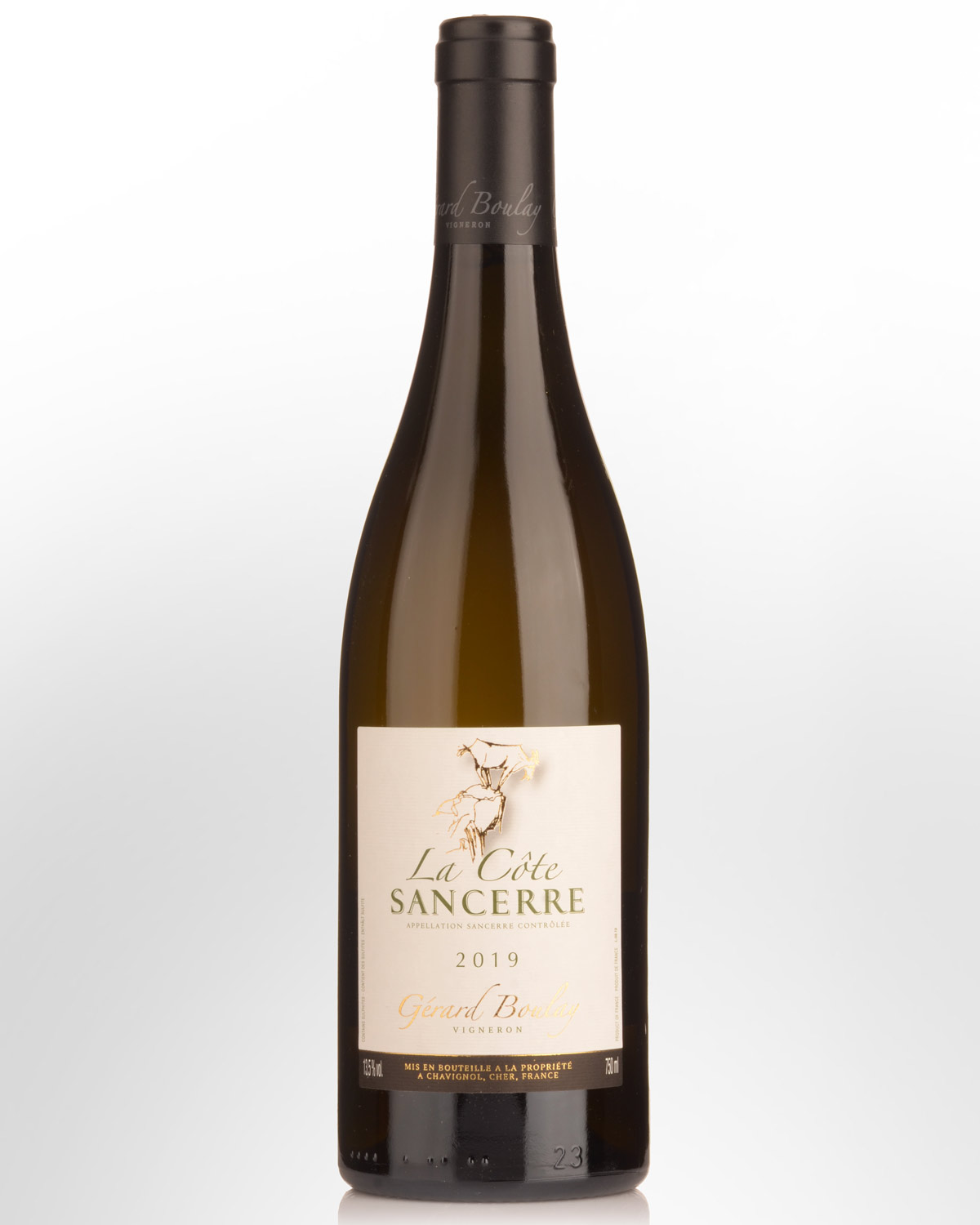
2019 Gerard Boulay Sancerre La CoteSancerre, Loire Valley, FRANCE$115. 00Bottle$1380.00 DozenABV: 13.5%Closure: CorkJust like any other well-known wine region in France, Sancerre has its own de-facto vineyard hierarchy. Officially endorsed or not, there’s no doubt that Sancerre’s greatest sites (barring an exception or two) are concentrated around the hamlet of Chavignol. Chavignol’s steep, south and south-east facing limestone slopes are home to historically revered sites like Les Monts-Damnés, La Grande Côte and Le Clos de Beaujeu—are, without doubt, the most potent terroirs of Sancerre. It’s no fluke that the top wines from this village regularly draw comparison to the great white wines of the world. Nor is it a fluke that this tiny village is home to an unusual concentration of Sancerre’s most revered winegrowing families. In Chavignol, the best wines have little (or nothing) to do with varietal character. They are fleshier, rippling, more textural—and less Sauvignon. No other terroir in Sancerre brands its wines with the same kind of flesh and saline minerality.
Gérard Boulay can trace his wine growing roots back to 1380, so you could figuratively say that the Boulay family wrote the book on Chavignol. He works predominantly with old vines, all planted by massale selection on quality rootstock and at a higher density than most Sancerre vineyards at 7500 vines per hectare. The soil is ploughed, or grass is grown to prevent erosion, and the Domaine has been practicing organics for decades. In the cellar, Gérard works with wild ferments, old oak (his 10- to 12-year-old barrels are sourced from Alphonse Mellot) and very little sulphur during élevage. The wines are bottled without filtration. It has been said many times that with the remarkable limestone-rich Chavignol holdings, the outstanding work of Boulay and his team in the vines, and the fact that this artisan is currently crafting the finest wines of his career, all place this Domaine at the apex of France’s white wine hierarchy.
First made as a single parcel in 2010, La Côte comes from the majestic Grande Côte vineyard, a south- to southeast-facing hillside on the Côte d’Amigny on the outskirts of Chavignol. La Côte has quickly become one of the heavyweights of Boulay’s range. It’s the Domaine’s coolest terroir and the last to be picked. The site’s pure Kimmeridgian limestone and late picking date deliver both density and absurd precision on the palate; a more expressive style, yet still bristling with tension and mineral notes. The 2019 was vinified and aged in three- and four-year-old barrels.
Other Reviews....
From a southeast-facing plot, the 2019 Sancerre La Côte is pure, deep and intense yet also fresh on the iodine-scented nose, with grip, lemon and tropical notes. The wine opens bright, clear and almost tropical on the nose and then shows tight, tense and lingering salinity and firm grip. Tasted in February 2021.Drink 2021 - 2035.
93 points
Stephan Reinhardt - Wine Advocate (Mar 2021)![44707752_1.jpg]() 2019 Gerard Boulay Sancerre ComtesseSancerre, Loire Valley, FRANCE$130. 00Bottle$1560.00 DozenABV: 13.5%Closure: Cork
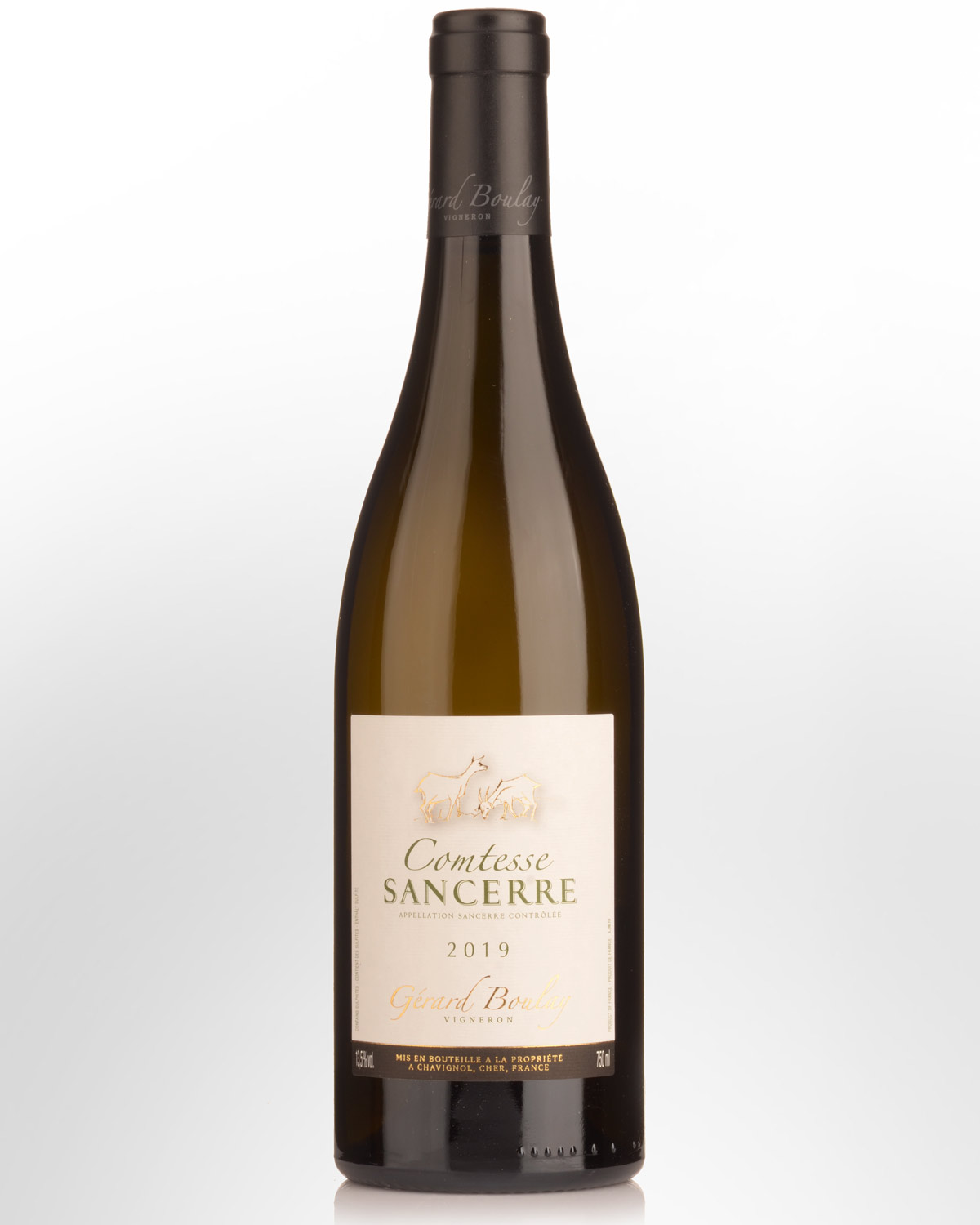
2019 Gerard Boulay Sancerre ComtesseSancerre, Loire Valley, FRANCE$130. 00Bottle$1560.00 DozenABV: 13.5%Closure: CorkJust like any other well-known wine region in France, Sancerre has its own de-facto vineyard hierarchy. Officially endorsed or not, there’s no doubt that Sancerre’s greatest sites (barring an exception or two) are concentrated around the hamlet of Chavignol. Chavignol’s steep, south and south-east facing limestone slopes are home to historically revered sites like Les Monts-Damnés, La Grande Côte and Le Clos de Beaujeu—are, without doubt, the most potent terroirs of Sancerre. It’s no fluke that the top wines from this village regularly draw comparison to the great white wines of the world. Nor is it a fluke that this tiny village is home to an unusual concentration of Sancerre’s most revered winegrowing families. In Chavignol, the best wines have little (or nothing) to do with varietal character. They are fleshier, rippling, more textural—and less Sauvignon. No other terroir in Sancerre brands its wines with the same kind of flesh and saline minerality.
Gérard Boulay can trace his wine growing roots back to 1380, so you could figuratively say that the Boulay family wrote the book on Chavignol. He works predominantly with old vines, all planted by massale selection on quality rootstock and at a higher density than most Sancerre vineyards at 7500 vines per hectare. The soil is ploughed, or grass is grown to prevent erosion, and the Domaine has been practicing organics for decades. In the cellar, Gérard works with wild ferments, old oak (his 10- to 12-year-old barrels are sourced from Alphonse Mellot) and very little sulphur during élevage. The wines are bottled without filtration. It has been said many times that with the remarkable limestone-rich Chavignol holdings, the outstanding work of Boulay and his team in the vines, and the fact that this artisan is currently crafting the finest wines of his career, all place this Domaine at the apex of France’s white wine hierarchy.
This rare bottling comes from just 0.40 hectares of 70-year-old vines in the Comtesse lieu-dit at the chalky epicentre of Les Monts-Damnés. For hundreds of years or more, this vineyard has been considered by locals to be the finest single terroir of Chavignol. The soil composition is pure Kimmeridgian limestone and consists of a miserly 30 to 40cm layer of topsoil over solid limestone bedrock. This brings intense minerality and also warmth, as the rocky soil absorbs the heat of the sun and irradiates back at night. Therefore, it’s a site that always produces fully ripe fruit, together with intense freshness—hence the historical fame.
![44707751_1.jpg]()
- 92
2019 Gerard Boulay Sancerre Clos BeaujeuSancerre, Loire Valley, FRANCE$110. 00Bottle$1320.00 DozenABV: 13.5%Closure: CorkJust like any other well-known wine region in France, Sancerre has its own de-facto vineyard hierarchy. Officially endorsed or not, there’s no doubt that Sancerre’s greatest sites (barring an exception or two) are concentrated around the hamlet of Chavignol. Chavignol’s steep, south and south-east facing limestone slopes are home to historically revered sites like Les Monts-Damnés, La Grande Côte and Le Clos de Beaujeu—are, without doubt, the most potent terroirs of Sancerre. It’s no fluke that the top wines from this village regularly draw comparison to the great white wines of the world. Nor is it a fluke that this tiny village is home to an unusual concentration of Sancerre’s most revered winegrowing families. In Chavignol, the best wines have little (or nothing) to do with varietal character. They are fleshier, rippling, more textural—and less Sauvignon. No other terroir in Sancerre brands its wines with the same kind of flesh and saline minerality.
Gérard Boulay can trace his wine growing roots back to 1380, so you could figuratively say that the Boulay family wrote the book on Chavignol. He works predominantly with old vines, all planted by massale selection on quality rootstock and at a higher density than most Sancerre vineyards at 7500 vines per hectare. The soil is ploughed, or grass is grown to prevent erosion, and the Domaine has been practicing organics for decades. In the cellar, Gérard works with wild ferments, old oak (his 10- to 12-year-old barrels are sourced from Alphonse Mellot) and very little sulphur during élevage. The wines are bottled without filtration. It has been said many times that with the remarkable limestone-rich Chavignol holdings, the outstanding work of Boulay and his team in the vines, and the fact that this artisan is currently crafting the finest wines of his career, all place this Domaine at the apex of France’s white wine hierarchy.
Boulay farms two parcels in this terroir, including one within the original Clos of the vineyard (established by the monks of Beaujeu in the Middle Ages). Vines on this slope of Kimmeridgian limestone and clay (terre blanches) are aged between 30 and an incredible 110 years! The soils here are particularly rocky and strewn with fossils, much like parts of Chablis. These textured soils make this parcel very difficult to farm. A second, even steeper parcel lies closer to the village. Together these southeast-facing plots make Clos de Beaujeu the source of some of the Domaine’s most structured and nervy wines. This wine was naturally fermented and raised in large, upright cask (60%) and in three- and four-year-old 300 litre barrels (40%), for 10 months.
Other Reviews....
The unfiltered 2019 Sancerre Clos de Beaujeu comes from vines averaging 45 years of age in a southeast-facing vineyard on loamy Kimmeridgian chalk and opens with an herbal and brightly fruity bouquet. On the palate, this is a clear, fresh, round, fruity and structured Sancerre with bright fruit, some hazelnut nuances and long grip and salinity. Entirely vinified in used barriques for 12 months. Drink 2021 - 2033.
92 points
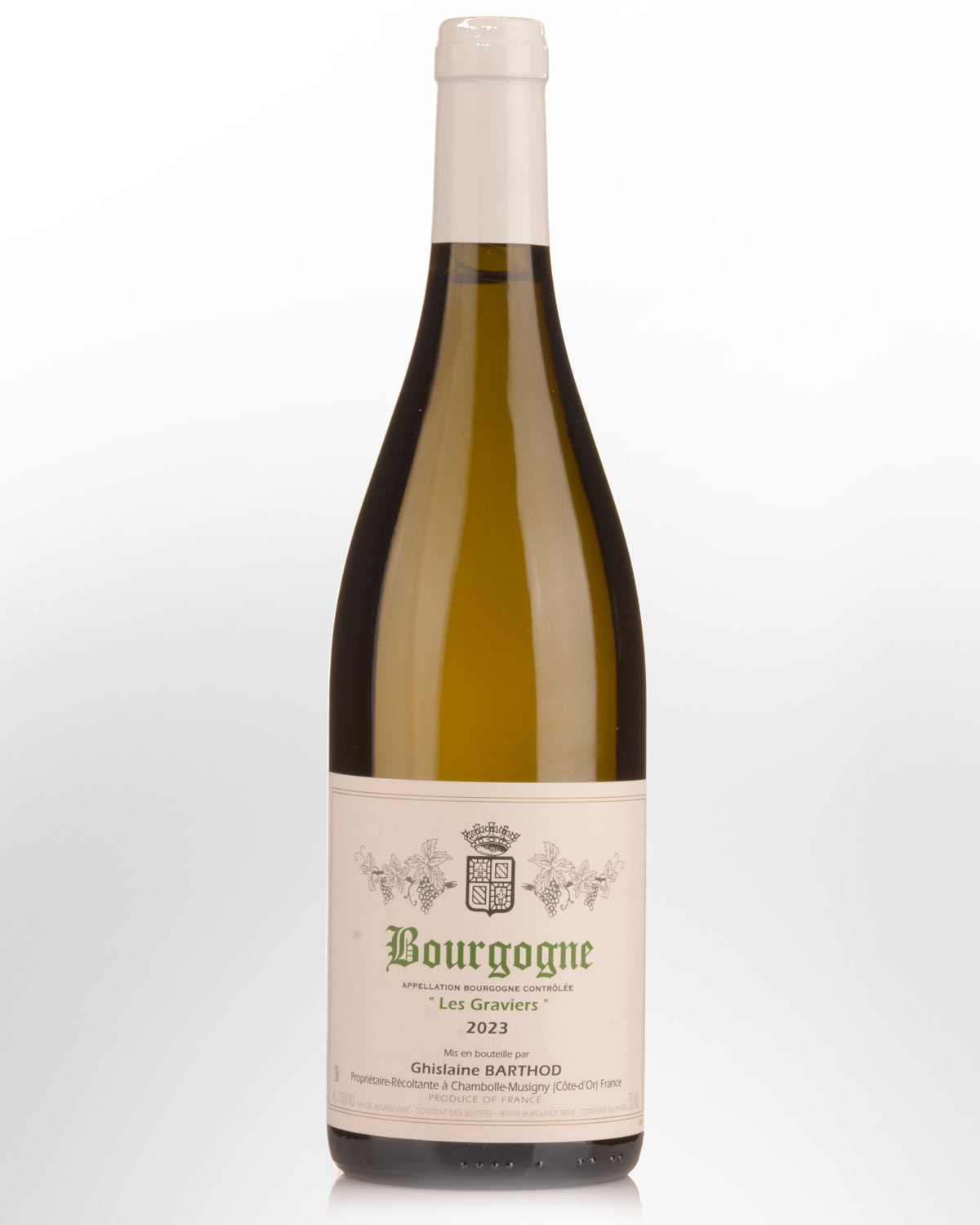
Stephan Reinhardt - Wine Advocate (Mar 2021)![2023 Ghislaine Barthod Bourgogne Blanc Les Graviers]() 2023 Ghislaine Barthod Bourgogne Blanc Les GraviersBurgundy, FRANCE$110. 00Bottle$1320.00 DozenClosure: Cork
2023 Ghislaine Barthod Bourgogne Blanc Les GraviersBurgundy, FRANCE$110. 00Bottle$1320.00 DozenClosure: CorkGhislaine Barthod has long been recognised as one of Chambolle-Musigny’s benchmark growers, her precise and unadorned style capturing the village’s hallmark finesse. Today she works alongside her son Clément, who has introduced thoughtful refinements while preserving the domaine’s focus on clarity and terroir expression. With holdings across many of Chambolle’s most celebrated lieux-dits, the wines stand out for their purity, structure, and quiet confidence, qualities that make them some of Burgundy’s most consistently admired bottlings.
Planted in the late 2010s on stony soils at the edge of Chambolle-Musigny, Les Graviers represents the domaine’s first-ever commercially available white wine. Aged half in used 500-litre oak and half in terracotta, the 2023 combines bright citrus and orchard fruit with a clean, stony precision.
![901512_1.jpg]()
- 95
2013 Giesen Small Batch Sauvignon BlancMarlborough, NEW ZEALAND$19. 99Bottle$239.88 DozenCellar: Drink now (2015)ABV: 13.5%Closure: StelvinBrilliant very pale straw colour with a tinge of green around the edges and a watery hue. Lifted aromas of passionfruit and gooseberry intermix followed by some grassy asparagus and citrus with fresh capsicum end notes. Flavours of passionfruit, gooseberry and green apple move lightly over the palate followed by some capsicum and citrusy mineral. Clean crisp dry finish. Long aftertaste of passionfruit, fresh capsicum and citrusy mineral.
Drink now.
Alc 13.5%![6640413_1.jpg]()
- 90
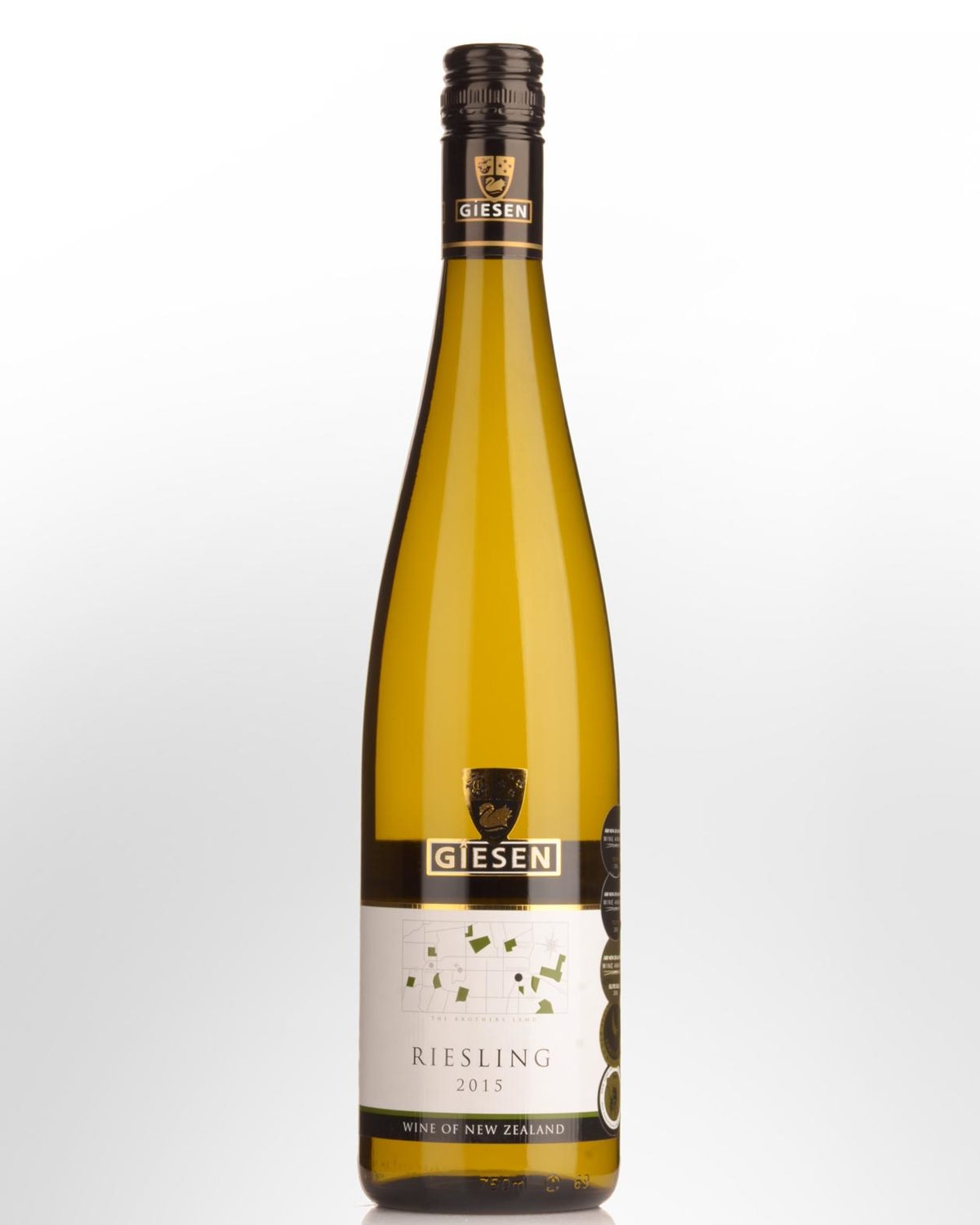
2015 Giesen RieslingNEW ZEALAND$19. 99Bottle$239.88 DozenMinimum 12 bottlesCellar: Drink now - 2 Years (2018-2020)ABV: 10%Closure: StelvinFruit for this wine was sourced from Marlborough and Waipara. Brilliant pale straw colour with greenish tinged edges and a watery hue. Citrus and orange blossom aromas merge with some ripe lime and toasty honeysuckle like scents. Light in weight but nicely textured in the mouth the palate has flavours of ripe lime and honeysuckle over red apple and citrus. Finishes off dry with some residual sugar evident. Refreshing acidity with an aftertaste of ripe limes, honeysuckle and citrusy red apple.
Drink over the next 1-2 years.
Alc. 10%![2022 Gilbert Picq Chablis Vosgros Premier Cru]()
- 93
- Reduced
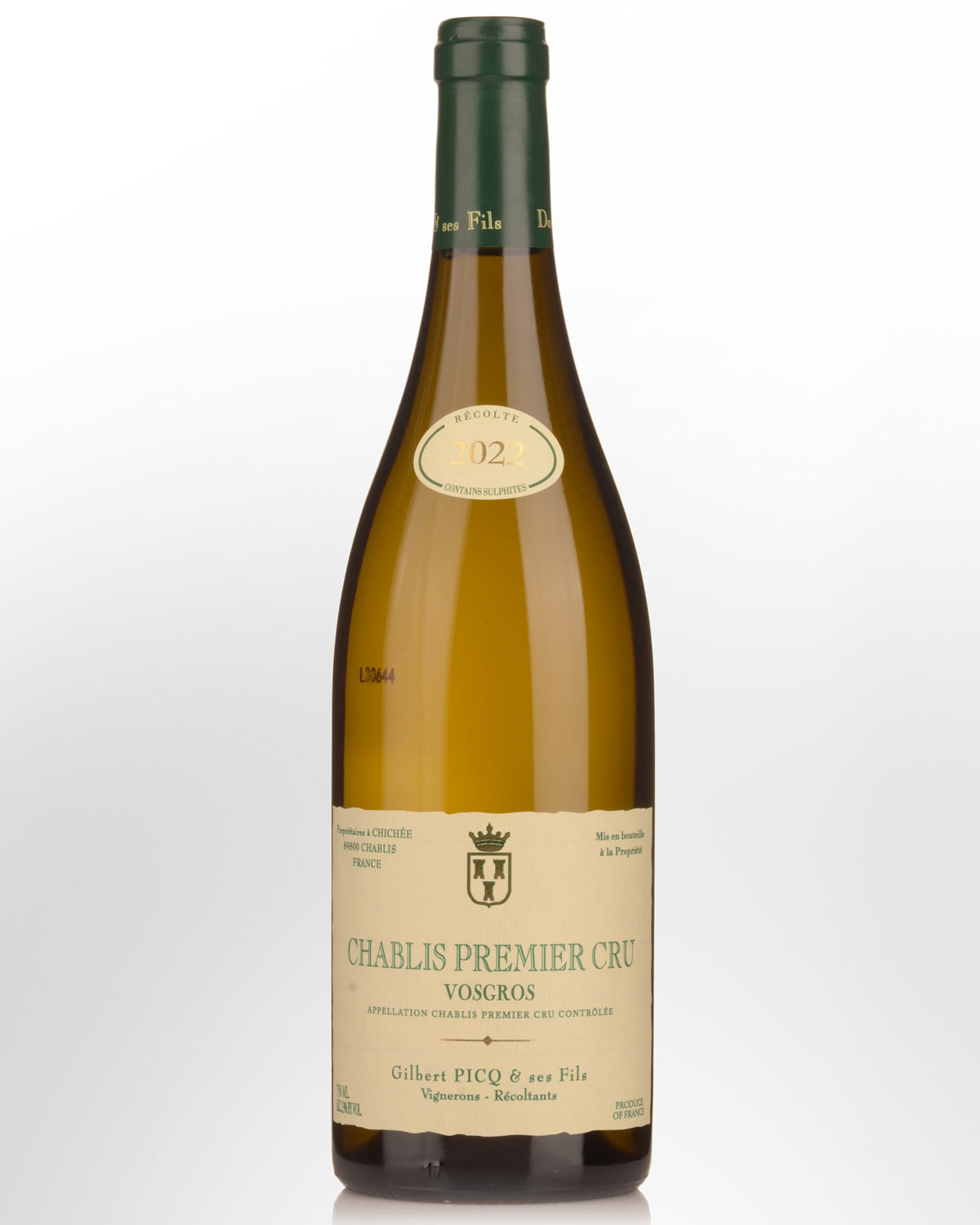
2022 Gilbert Picq Chablis Vosgros Premier CruChablis, FRANCEReduced from $125.00$119. 00Bottle$1428.00 DozenABV: 13%Closure: CorkBased in the village of Chichée, one of the cooler, higher parts of Chablis, Domaine Gilbert Picq has earned a reputation for some of the region’s most incisive and mineral-driven wines. The domaine is now guided by Didier Picq, who has kept faith with a traditional, no-frills approach to vinification. Native yeast drives fermentations, elevage is in stainless steel, and there is no oak to be seen, delivering wines that speak purely of site. The result is classic Chablis in every sense: racy, precise, and full of the stony cut that makes the best wines from this area so thrilling.
Other Reviews....
The 2022 Chablis Vosgros 1er Cru takes a little more time to open on the nose than Picq's other cuvées but eventually reveals eucalyptus-tinged citrus fruit flanked by wet stone aromas. The palate is very well-balanced with a fine bead of acidity, very saline but with a countervailing, almost honeyed element keeping this on its toes. This is a brilliant follow-up to the 2021. Drink 2026-2040.
93-95 points
Neal Martin - VinousA more citrus-suffused nose speaks of green apple, sea breeze and algae hints along with a hint of crushed anise. The rich, full-bodied and very generously proportioned medium-bodied flavors exude evident minerality on the nicely dry, moderately austere and focused finale. This lovely effort is built to reward up to a decade of improvement, yet it should also be reasonably approachable young if desired. This is, in a word, terrific. Buy this as well. Drink through 2030+.
93 points
Allen Meadows - BurghoundPaler colour with a smokier nose. There is a slimline mineral intensity across the palate with impeccable length, the attack offers less but the finish more. Drink from 2027-2035.
92 points
Jasper Morris MW - Inside Burgundy![2023 Gilbert Picq Chablis]()
- 88
- 91
- Reduced
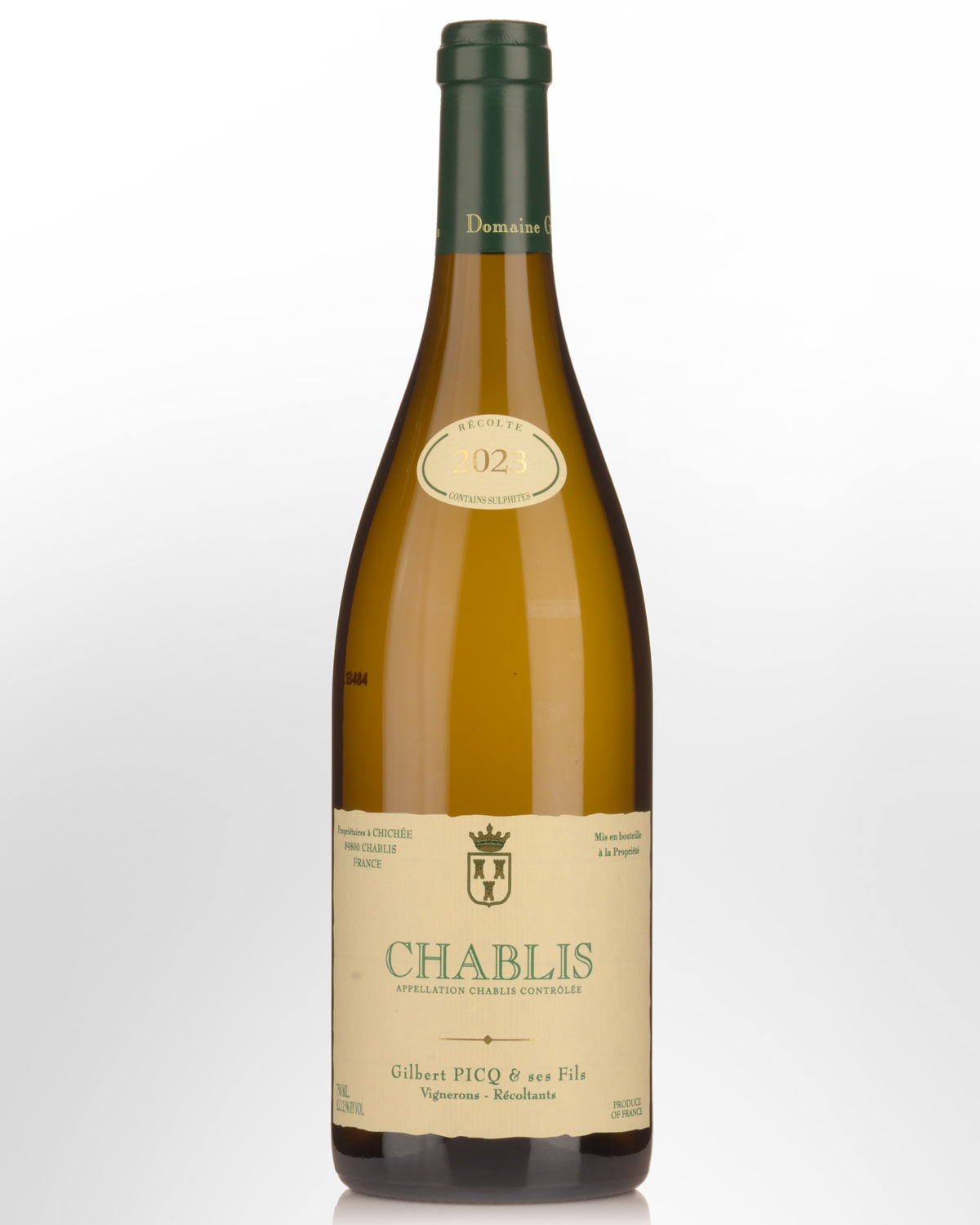
2023 Gilbert Picq ChablisChablis, FRANCEReduced from $77.99$68. 99Bottle$827.88 DozenABV: 12.5%Closure: CorkBased in the village of Chichée, one of the cooler, higher parts of Chablis, Domaine Gilbert Picq has earned a reputation for some of the region’s most incisive and mineral-driven wines. The domaine is now guided by Didier Picq, who has kept faith with a traditional, no-frills approach to vinification. Native yeast drives fermentations, elevage is in stainless steel, and there is no oak to be seen, delivering wines that speak purely of site. The result is classic Chablis in every sense: racy, precise, and full of the stony cut that makes the best wines from this area so thrilling.
Other Reviews....
I love the name Chichée of the village that Picq comes from. Sounds like something French people would call each other in cute, personal love language.
A pure-feeling, medium weight, gently plush and supple white with a touch of buttery slip but cool core and briny finish. Red apple, nectarine, some waxy pear notes with a little dash of cinnamon and vanilla. The finish, though stippled with a sense of minerality, also shows just a touch of sizzled butter and corn juice, but not overt, just there, a wink and nod perhaps to where Chablis’ personality creeps as the world warms and changes. Nice drink. Drink 2025-2032.
91 points
Mike Bennie - The Wine FrontThe 2023 Chablis Village was assembled for my visit by Didier Picq from 10 vats. It has an attractive if light bouquet with apple blossom and fresh pear aromas. The palate is well balanced with a fine bead of acidity, a little creaminess towards the finish. This will drink well for 4-6 years. Drink 2025-2030.
88-90 points
Neal Martin - VinousThere is good Chablis typicity present in the form of iodine, seashore and petrol along with citrus zest top notes. The delicious, vibrant and precise middle weight flavors flash good minerality on the clean, dry and saline-inflected finish. This is very good for its level and worth considering. Drink through 2026+.
89-91 points
Allen Meadows - BurghoundBlend made up. Fresh pale yellow, immediate energy on the nose, this keeps growing in the glass, with good tension, even a little pleasing bitterness at the finish. Very promising. Drink from 2026-2030.
87-90 points
Jasper Morris MW - Inside Burgundy![2023 Gilbert Picq Chablis En Vaudecorce]()
- 91
- 94
- Reduced
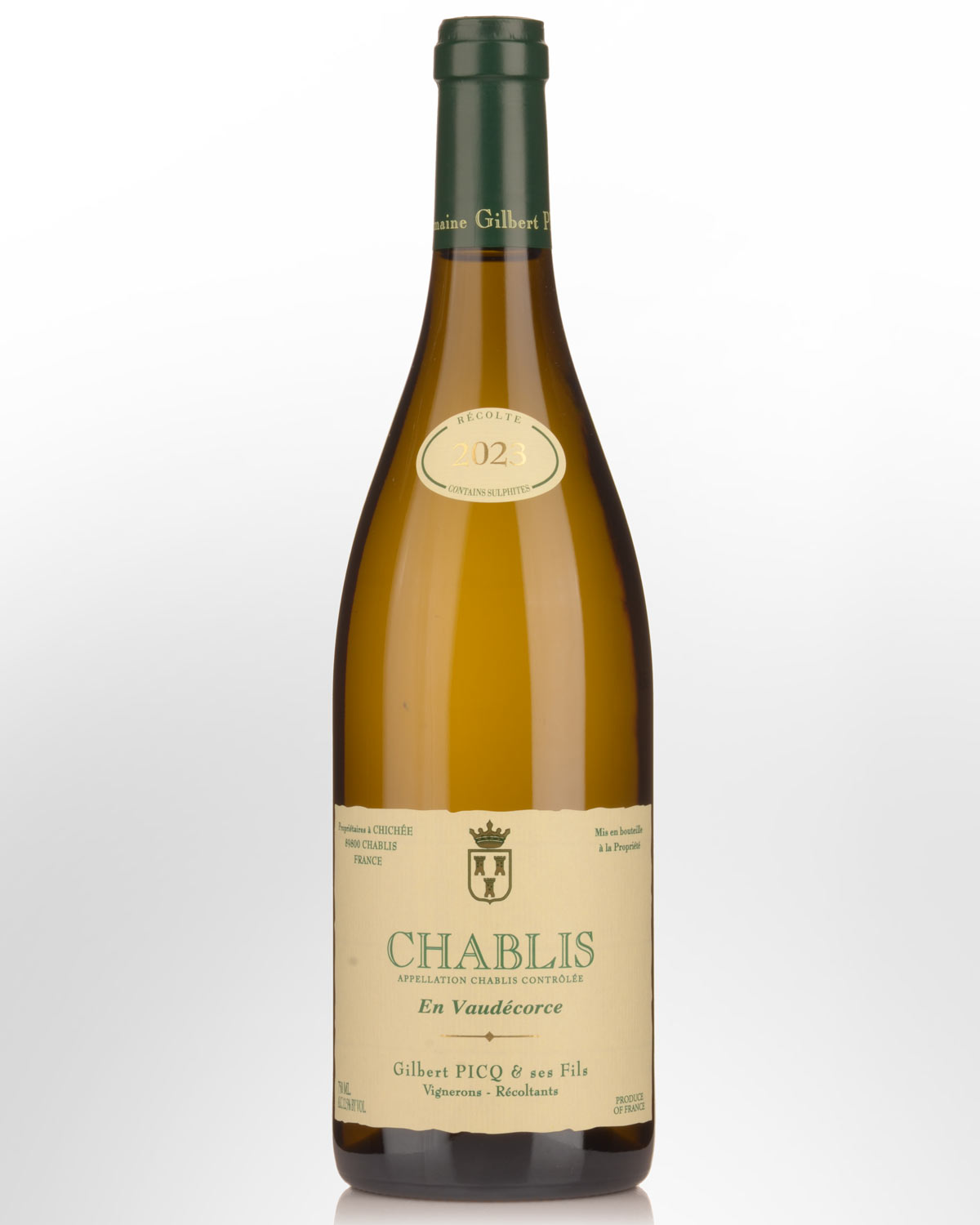
2023 Gilbert Picq Chablis En VaudecorceChablis, FRANCEReduced from $84.99$77. 99Bottle$935.88 DozenABV: 12.5%Closure: CorkBased in the village of Chichée, one of the cooler, higher parts of Chablis, Domaine Gilbert Picq has earned a reputation for some of the region’s most incisive and mineral-driven wines. The domaine is now guided by Didier Picq, who has kept faith with a traditional, no-frills approach to vinification. Native yeast drives fermentations, elevage is in stainless steel, and there is no oak to be seen, delivering wines that speak purely of site. The result is classic Chablis in every sense: racy, precise, and full of the stony cut that makes the best wines from this area so thrilling.
"If you can find it, buy it as villages-level Chablis doesn't get much better than this in 2023." - Allen Meadows, Burghound
Other Reviews....
A unique, one hectare site, up and near premier cru vines.
A distinct personality here. This grippy, crushed rock and river stone minerally feel and texture. Yes thanks. Cool brine under green apple, red apple, a little haze of let’s say, well, cloudy apple juice, but not cloudy, just so. A clatter of crunchy citrus, green pear, soft citrus. There’s some creaminess here too, but a pleasing glide, more or less, in feel, rather than much more. A little bitter melon through the back. Very nice to drink. Drink 2025-2035.
94 points
Mike Bennie - The Wine FrontThe 2023 Chablis Vaudécorse is much more expressive than the Vauclaire at the moment, a mixture of white and yellow fruit with a touch of flintiness underneath. The palate is quite attacking on the entry, tensile and focused. It gradually builds toward a cohesive and satisfying finish. This has similar potential to the excellent 2022. Drink 2025-2036.
91-93 points
Neal Martin - VinousAn interesting nose reflects notes of green tea, iodine, crushed fennel and green apple. There is slightly better volume, and noticeably more power to the energetic medium-bodied flavors that also exude evident minerality on the clean, dry and youthfully austere finale. This well-made effort almost always punches above its weight and this version should be no different. If you can find it, buy it as villages-level Chablis doesn't get much better than this in 2023. Drink through 2028+.
89-92 points
Allen Meadows - BurghoundLemon with a touch of lime in the colour. The most elegant of the three to date on the nose. A fine limewash across the palate with the stones to follow. Still shows in an elegant fashion. There is easily enough depth of fruit here and no honeysuckle. Ripe lemon zest instead. Drink from 2026-2032.
89-91 points
Jasper Morris MW - Inside Burgundy![2022 Gini Soave Classico]()
- 91
- 92
- Special Order Product – Delayed Dispatch
- Biodynamic
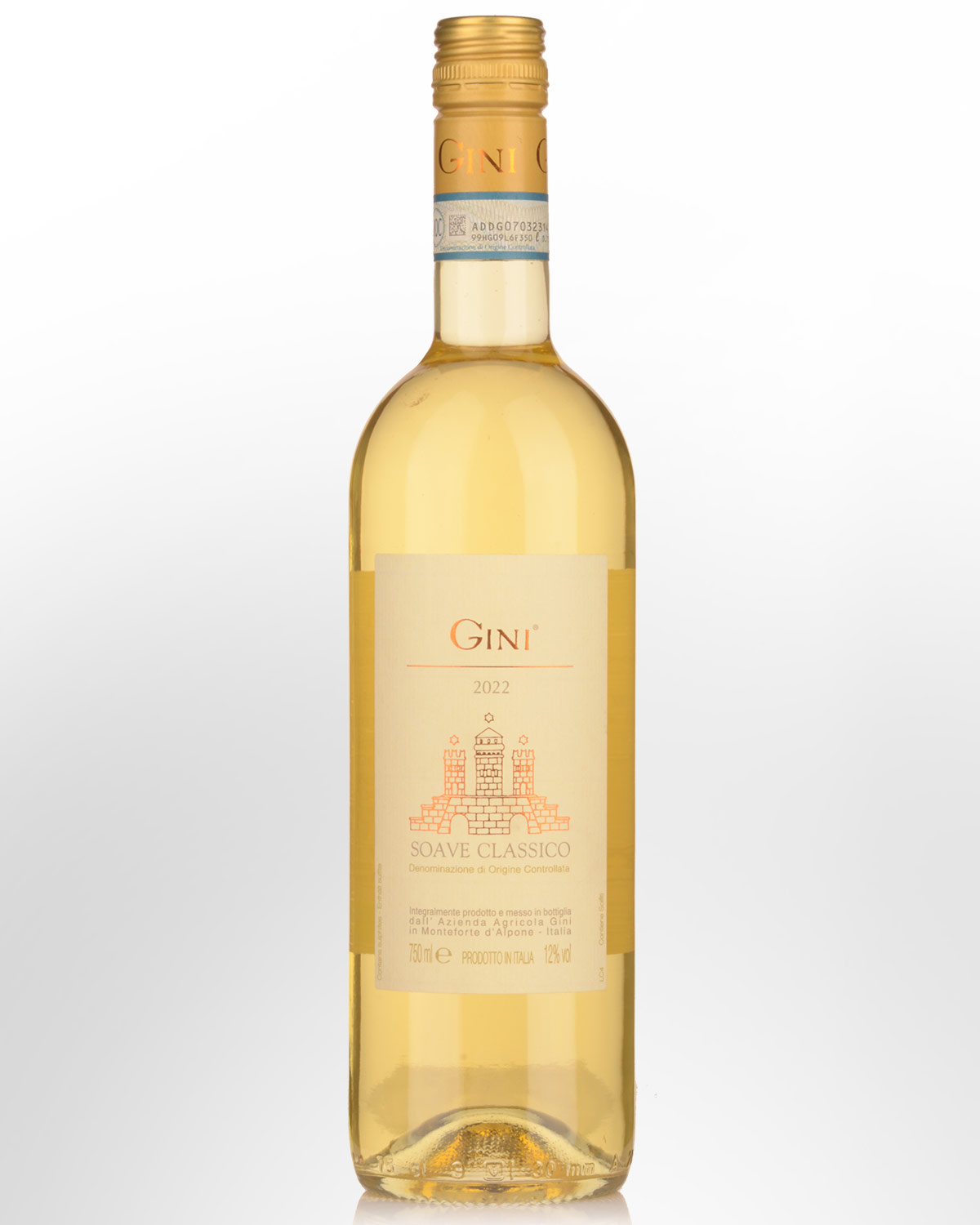
2022 Gini Soave ClassicoVeneto, ITALY$42. 99Bottle$515.88 DozenMinimum 12 bottlesCellar: Drink now - 1 Years (2024-2025)ABV: 12%Closure: StelvinBright pale straw to straw colour with a watery hue. Lime and green apple skin aromas mix with slate and lemon notes. Nicely shaped the palate features pear, apple skin and lime flavours over a delicate quince and slatey mineral back drop. Brisk acidity finishing dry and refreshing.
Drink over the next year.
Alc. 12%Other Reviews….
The custodian of the oldest vines in Soave, a great many pre-phylloxera centurions, while the majority are circa 70-years-old. All tank fermented. Exemplary Soave classico, with white pepper, jasmine, glazed quince and peach pith, steely and dry, careening along a rail of saline mineral perk. Breadth, freshness, vinosity and phenolics, serving as a sheath of compression to the sheer intensity of the house style. Drink or hold.
92 Points
JamesSuckling.com![30090048_1.jpg]()
- 93
- Reduced
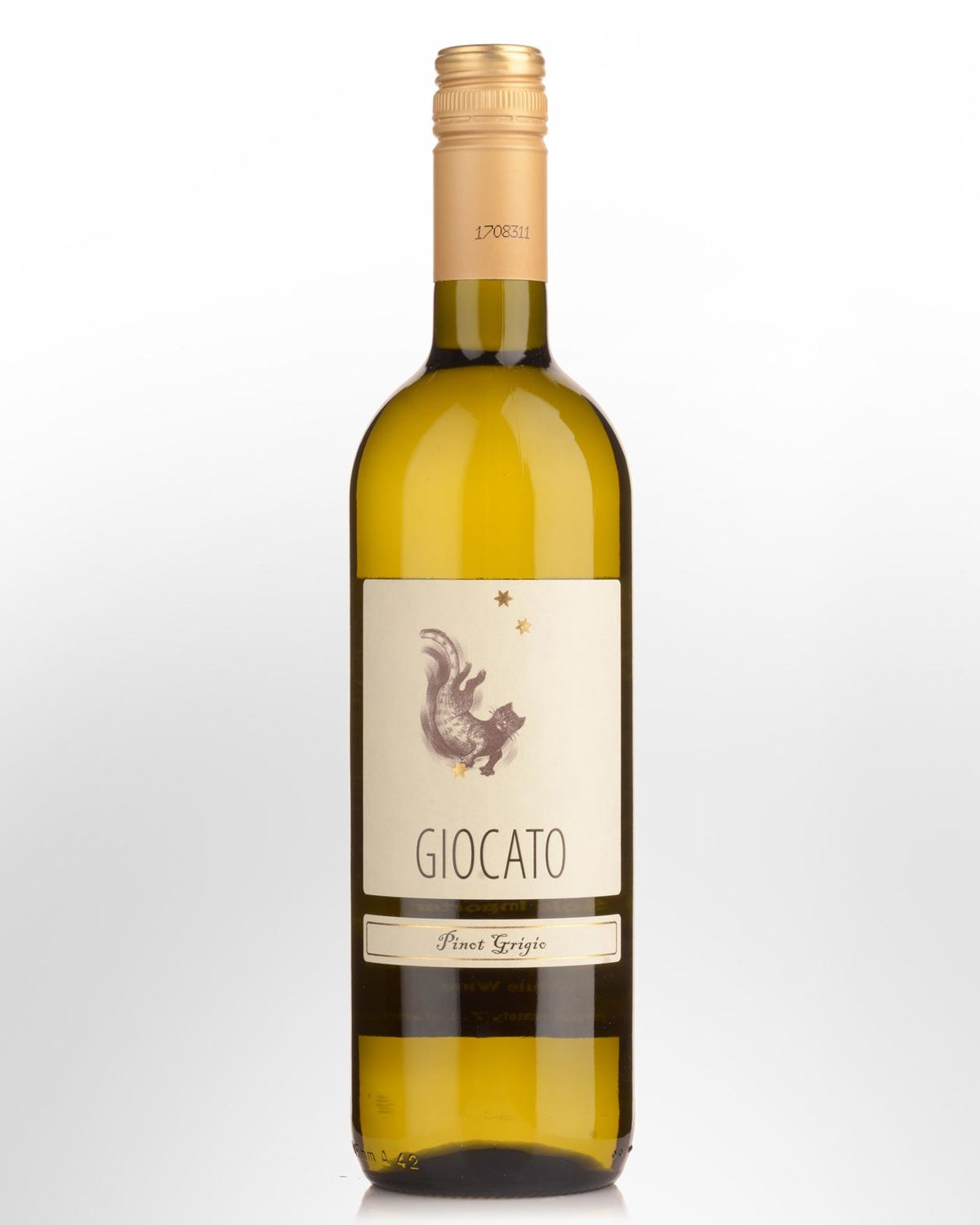
2016 Giocato Pinot GrigioGoriska Brda, SLOVENIAReduced from $24.99$21. 99Bottle$263.88 DozenCellar: Drink now (2017)ABV: 12.5%Closure: StelvinAleks Simcic is considered somewhat of cult winemaker throughout Eastern Europe with some of his top wines selling for hundreds of Euro’s a bottle. This excellent Pinot Grigio is a fabulous introduction to his wines and also those of Slovenia.
Brilliant very pale straw colour with a watery hue. Pear and green apple aromas are overlaid by honeysuckle with subtle fresh herb and spice end notes. Light and fresh the palate possesses a gorgeous rounded textural feel with flavours of ripe pears and apples intermixing with infusions of honeysuckle followed by some spice on the dry finish. Delicious aftertaste of pears and apples wrapped up in honeysuckle, and a touch of spice.
Drink now.
Alc 12.5%![2022 Giuseppe Quintarelli Bianco Secco]()
- 92
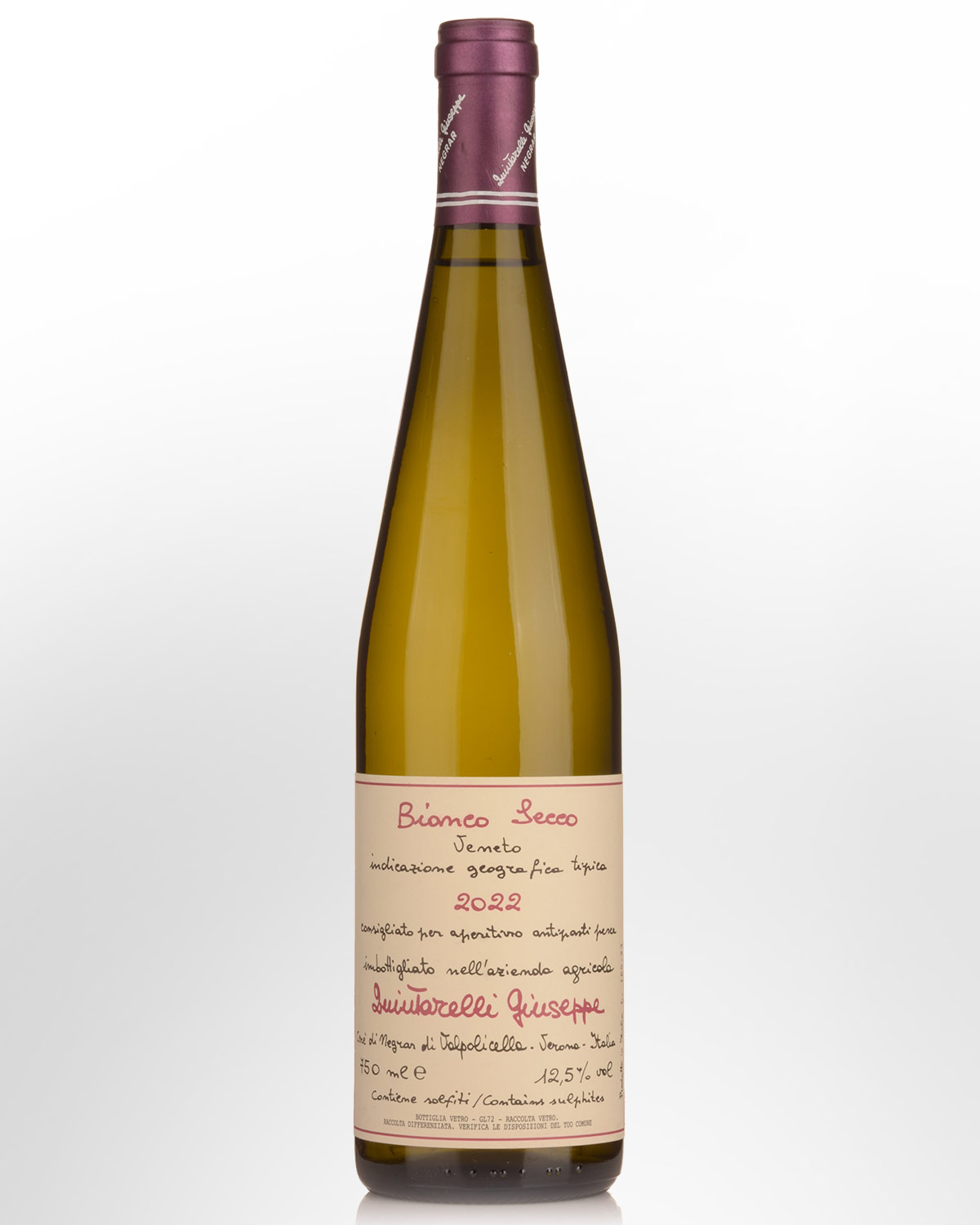
2022 Giuseppe Quintarelli Bianco SeccoVeneto, ITALY$110. 00Bottle$1320.00 DozenABV: 12.5%Closure: CorkGiuseppe Quintarelli was known as ‘the Master of the Veneto’, and is the name behind one of the most renowned estates in Italy. Sadly, Giuseppe passed away in early 2012 and he leaves behind a legacy of producing remarkable wines with an outstanding philosophy, to his eldest daughter who continues to carry on the tradition of this great estate. With their easily recognisable hand scripted labels, these wines offer at glimpse into one of the world’s most faithful artisanal winemakers who was an ultimate believer in letting nature do her thing and in order for wines to reach their ultimate potential these wines were only released when he deemed them to be ready.
Other Reviews....
Wonderfully floral, the 2022 Bianco Secco entices with a spicy blend of pine resin and ground ginger, complicating hints of nectarine and dusty florals. This is energetic in style, with a solid core of minerality contrasting a mix of tropical citrus and white pit-fruits. Zesty acidity maintains a lovely freshness as the 2022 finishes crisp and clean, with a sapid, lemony concentration that calls the taster back to the glass. The Bianco Secco is a blend of Garganega, Trebbiano, Chardonnay, Sauvignon Blanc and Saorin. Drink 2024-2026.
92 points
Eric Guido - Vinous![2021 Giuseppe Quintarelli Bianco Secco]()
- 92
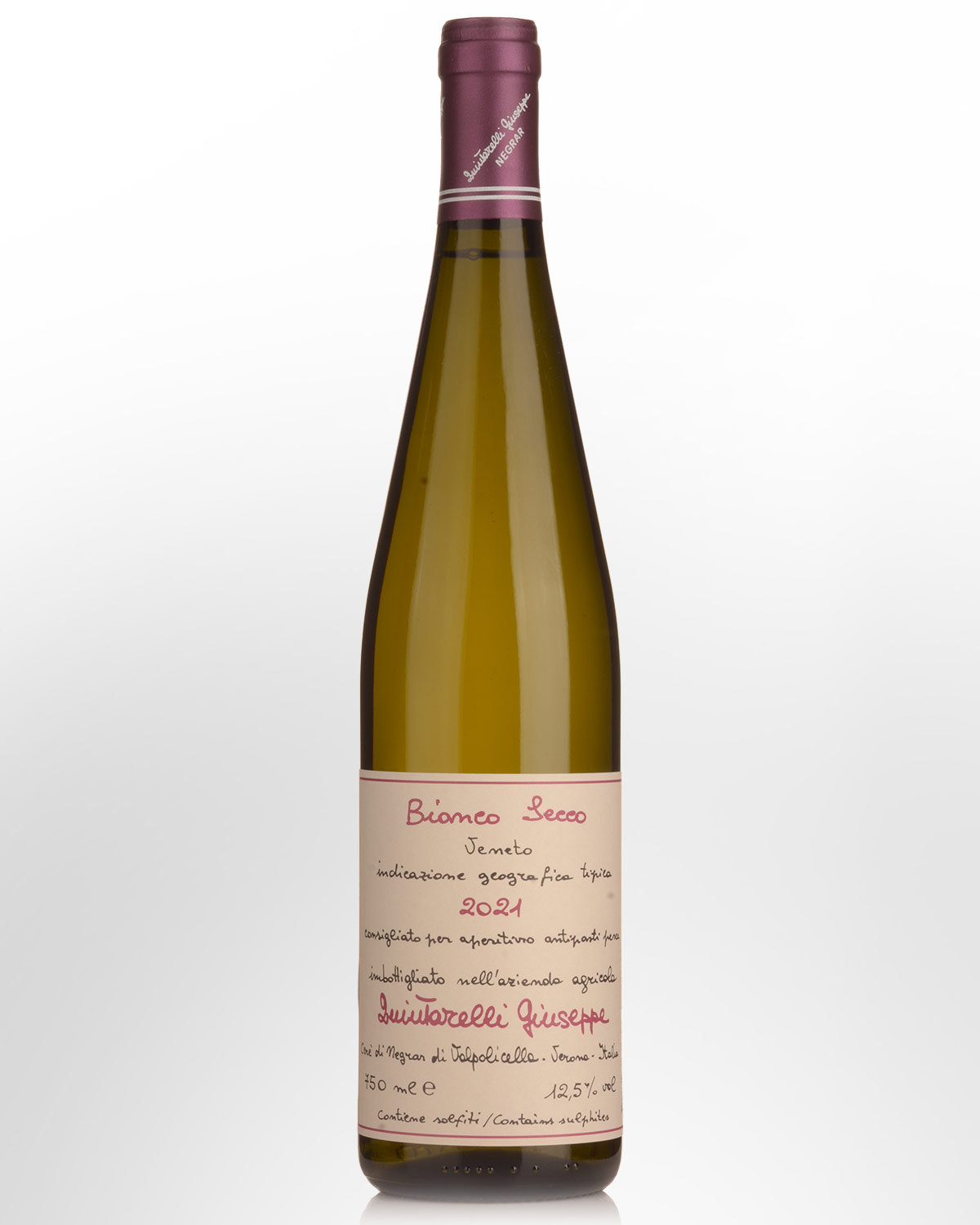
2021 Giuseppe Quintarelli Bianco SeccoVeneto, ITALY$105. 00Bottle$1260.00 DozenABV: 12.5%Closure: CorkGiuseppe Quintarelli was known as ‘the Master of the Veneto’, and is the name behind one of the most renowned estates in Italy. Sadly, Giuseppe passed away in early 2012 and he leaves behind a legacy of producing remarkable wines with an outstanding philosophy, to his eldest daughter who continues to carry on the tradition of this great estate. With their easily recognisable hand scripted labels, these wines offer at glimpse into one of the world’s most faithful artisanal winemakers who was an ultimate believer in letting nature do her thing and in order for wines to reach their ultimate potential these wines were only released when he deemed them to be ready.
Other Reviews....
The 2021 Bianco Secco is pungently floral and spicy, with zests of lemon and grapefruit giving way to peach and spiced tangerine. It soothes the palate with soft textures as a tension-building mix of citrus and tart orchard fruits builds under an air of pretty inner florals. Hints of tropical melon mix with a pleasant inner sweetness as the 2021 finishes with admirable length. The balance here is beautiful. Drink 2022-2026.
92 points
Eric Guido - Vinous![907752_1.jpg]()
- 94
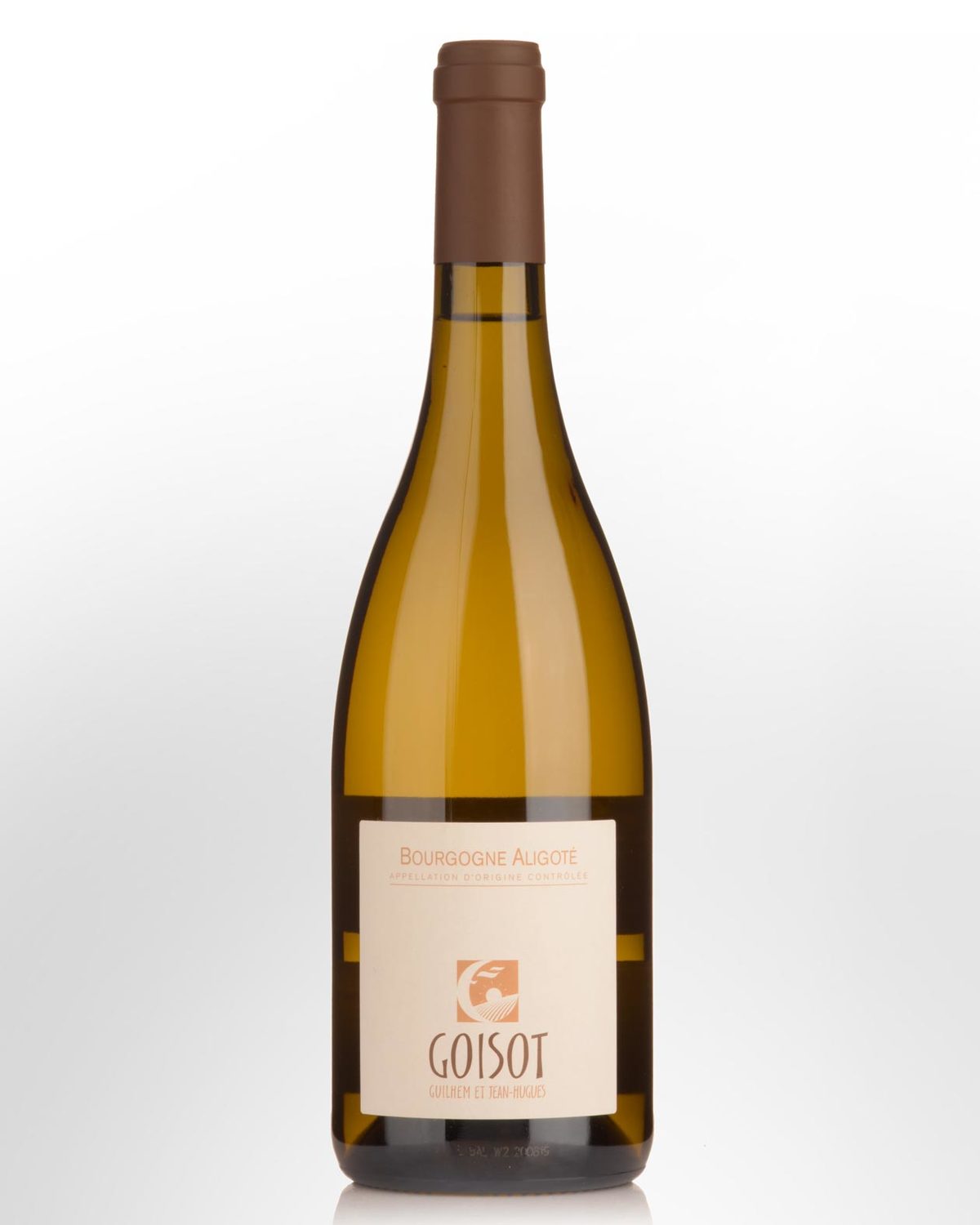
2018 Goisot Bourgogne AligoteBurgundy, FRANCE$39. 99Bottle$479.88 DozenCellar: Drink now - 3 Years (2020-2023)ABV: 12.5%Closure: CorkBright pale straw coloured core with greenish tinged edges and a watery hue. Excellent intensity with aromas of pear and lime overlaying wet stone, faint dried honey and fresh herb notes. Delicious juicy pear and lime fruits fill the mouth underpinned by stony mineral and spicy fresh herb characters. Round, generous textural feel finishing dry with brisk acidity and a long moreish aftertaste.
Drink over the next 2-3 years.
Alc. 12.5![6637023_1.jpg]()
- 93
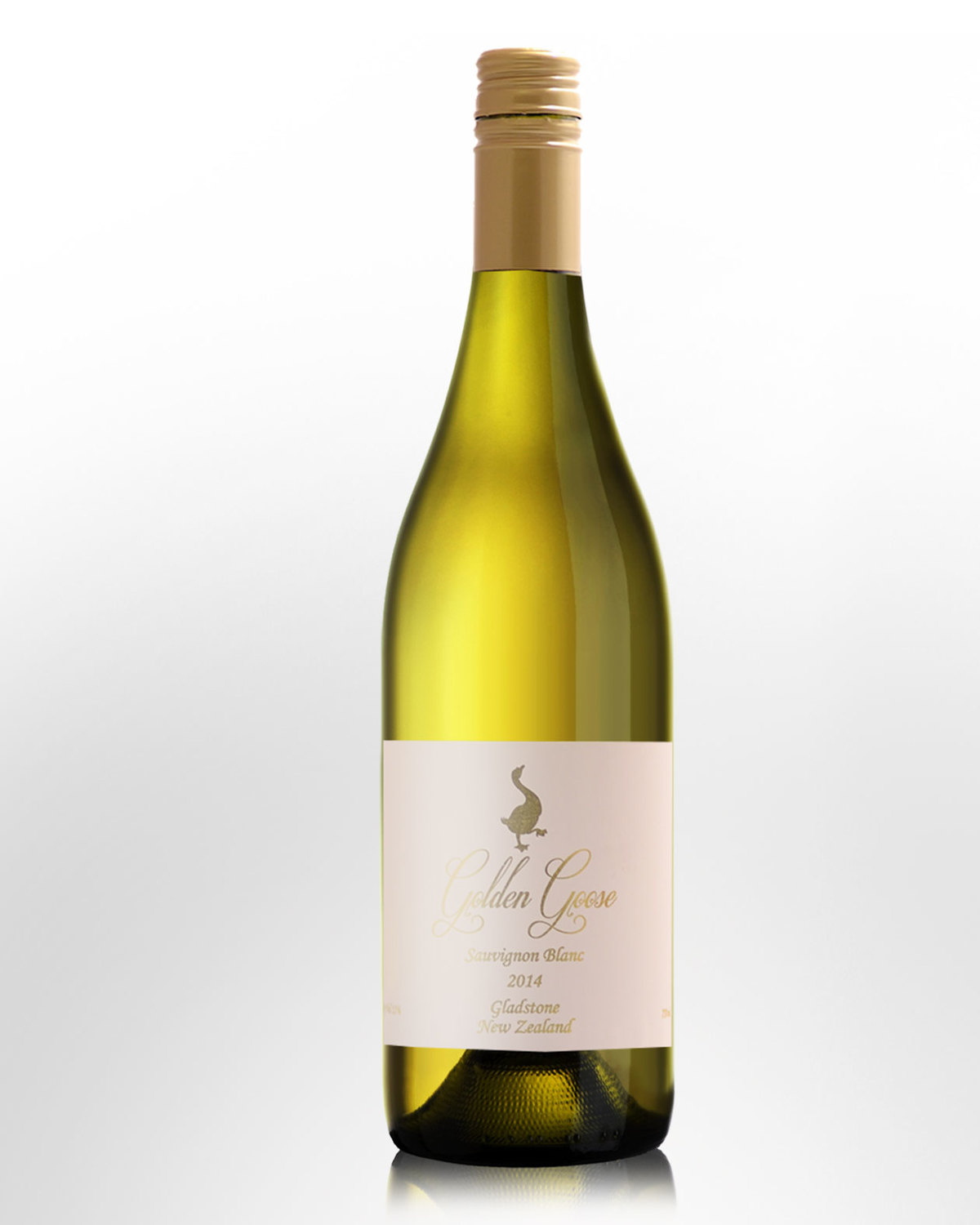
2014 Golden Goose Sauvignon BlancGladstone, NEW ZEALAND$15. 99Bottle$191.88 DozenMinimum 12 bottlesCellar: Drink now - 1 Years (2015-2016)ABV: 13%Closure: StelvinBrilliant water like colour with a light tinge of green on the edges and a watery hue. Lifted top notes of passionfruit are intermixed with some grassy gooseberry characters followed by asparagus and citrus. The palate has flavours of unripe passionfruit, gooseberries and citrus with some light grassy asparagus overtones on the crisp finish. Aftertaste of unripe passionfruit, gooseberry, citrus and light grassy asparagus.
Drink now.
Alc 13%![901718_1.jpg]()
- 94
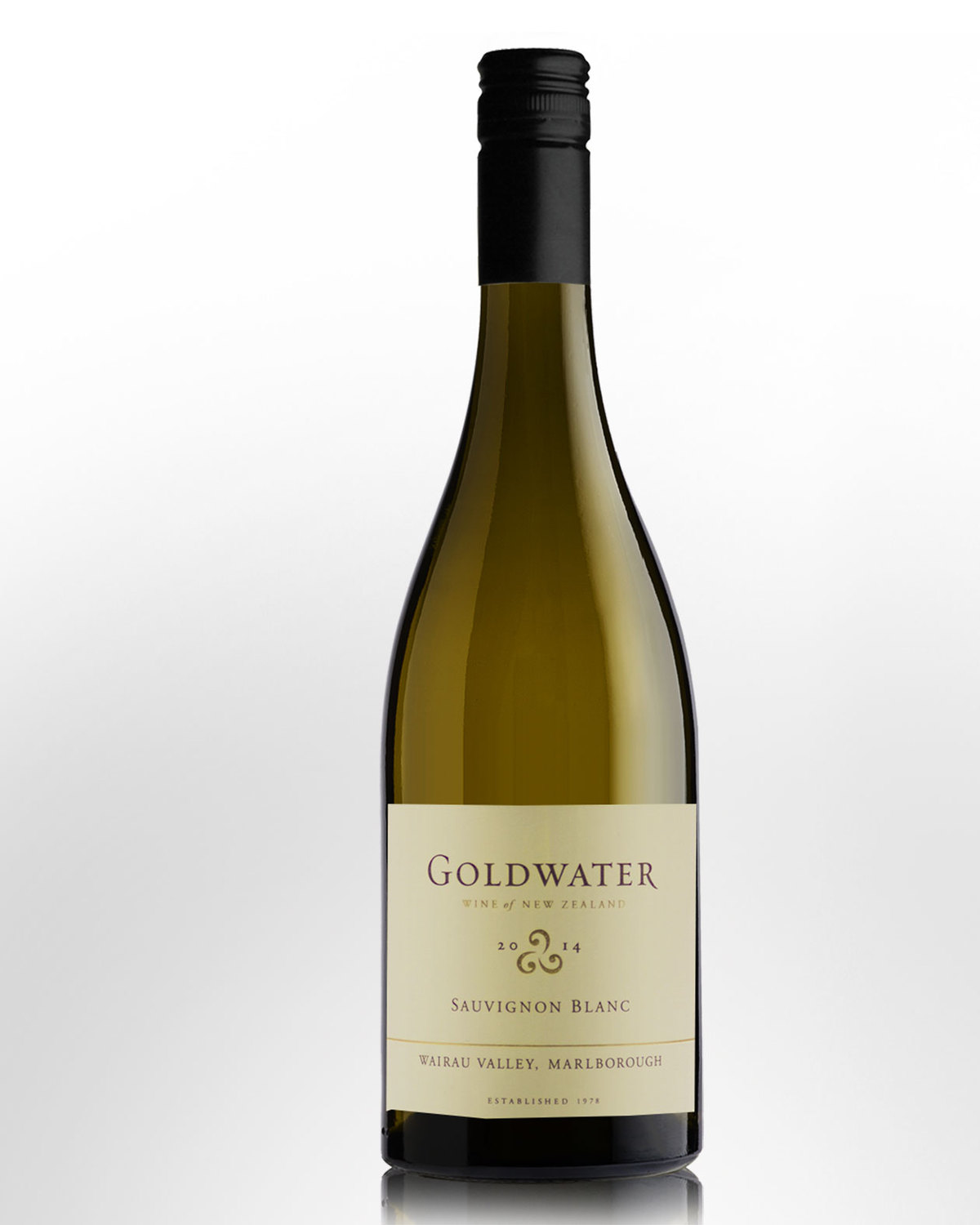
2014 Goldwater Sauvignon BlancMarlborough, NEW ZEALAND$17. 99Bottle$215.88 DozenCellar: 1 - 2 Years (2016-2017)ABV: 13%Closure: StelvinBrilliant water like colour with a light greenish tinge around the outskirts and a watery hue. The nose shows good intensity with aromas of ripe gooseberry intermixed with passionfruit followed by some herbaceous grassy characters and citrus. Flavours of ripe gooseberry and passionfruit elegantly move across the palate with following herbaceous grassy characters, citrus and light mineral following. Refreshing crisp acid finish. Long passionfruit, ripe herbaceous gooseberry and citrus aftertaste.
Drink over the next 1-2 years.
Alc 13%![2019 Gotas de Mar Albarino]()
- 91
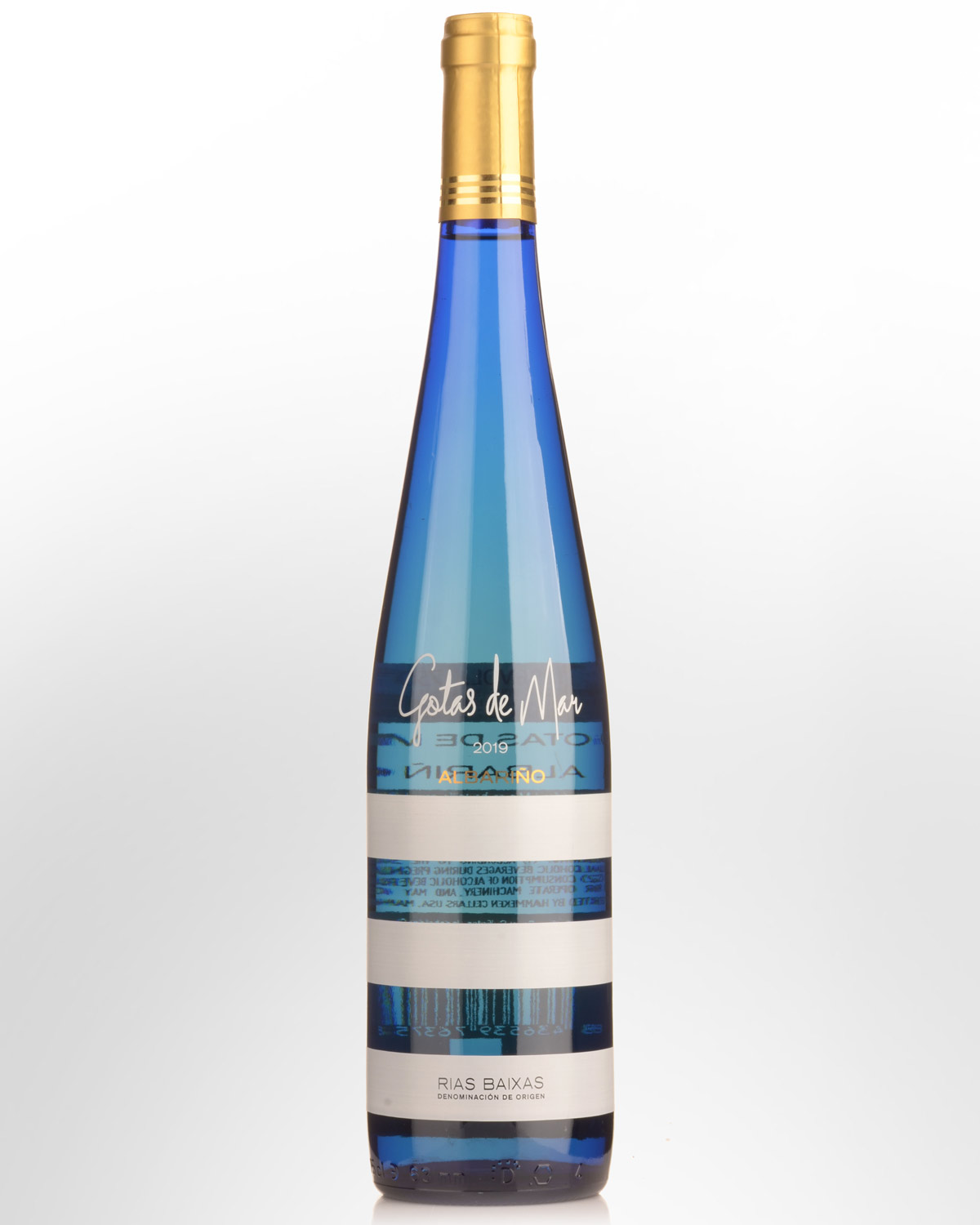
2019 Gotas de Mar AlbarinoRias Baixas, SPAIN$29. 99Bottle$359.88 DozenMinimum 12 bottlesCellar: Drink now (2022)ABV: 12%Closure: CorkBright straw colour with a watery hue. Pear and dried apple aromas are matched to some lime and spice notes. Very rounded with a fullish feel, spicy pear and dried apple flavours are underscored by vibrant acidity. Some quince characters making an appearance on the dry finish. Lingering aftertaste of spicy pear, apple and quince.
Drink now.
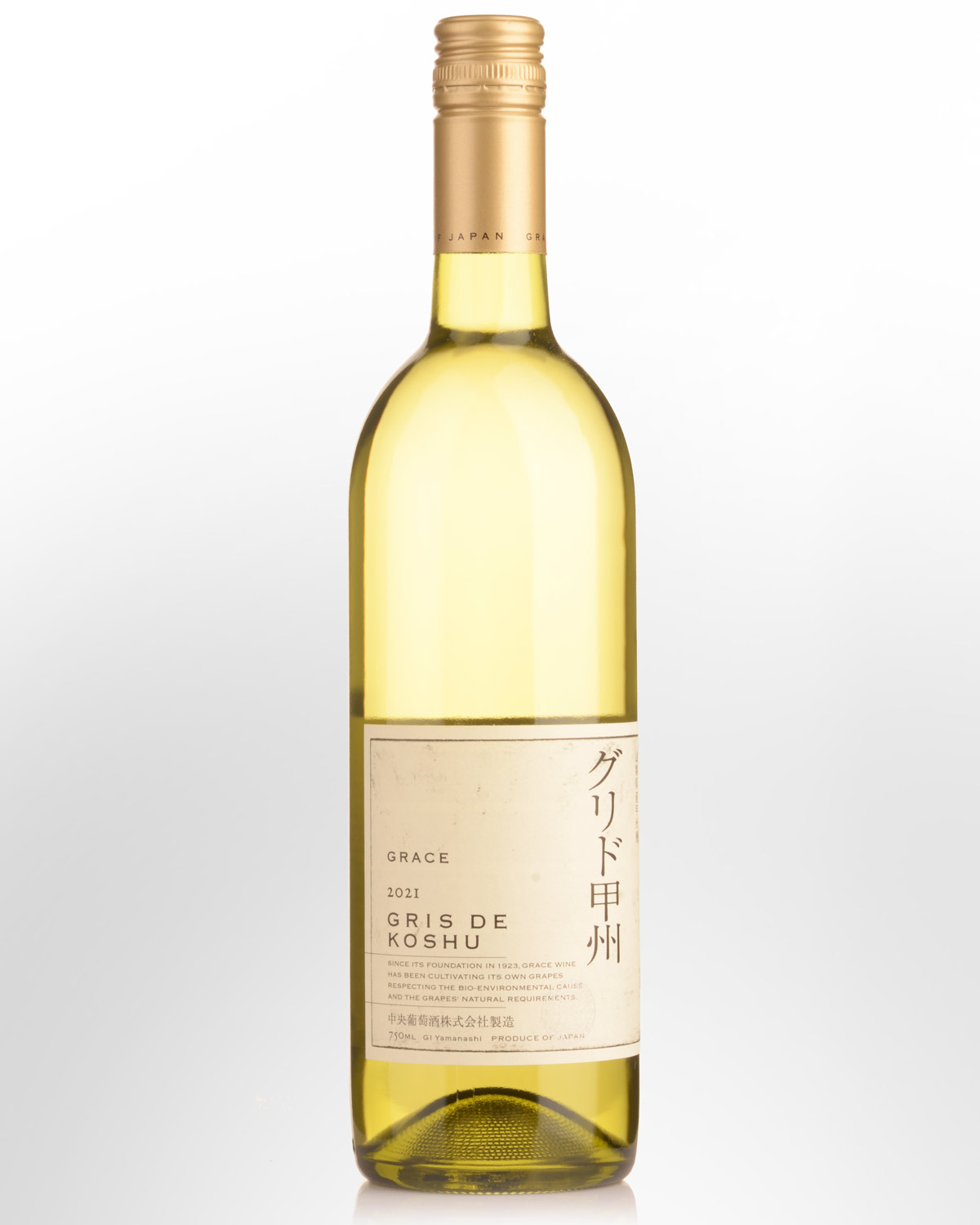
Alc. 12%![2022 Grace Gris de Koshu]()
- 92
- 93
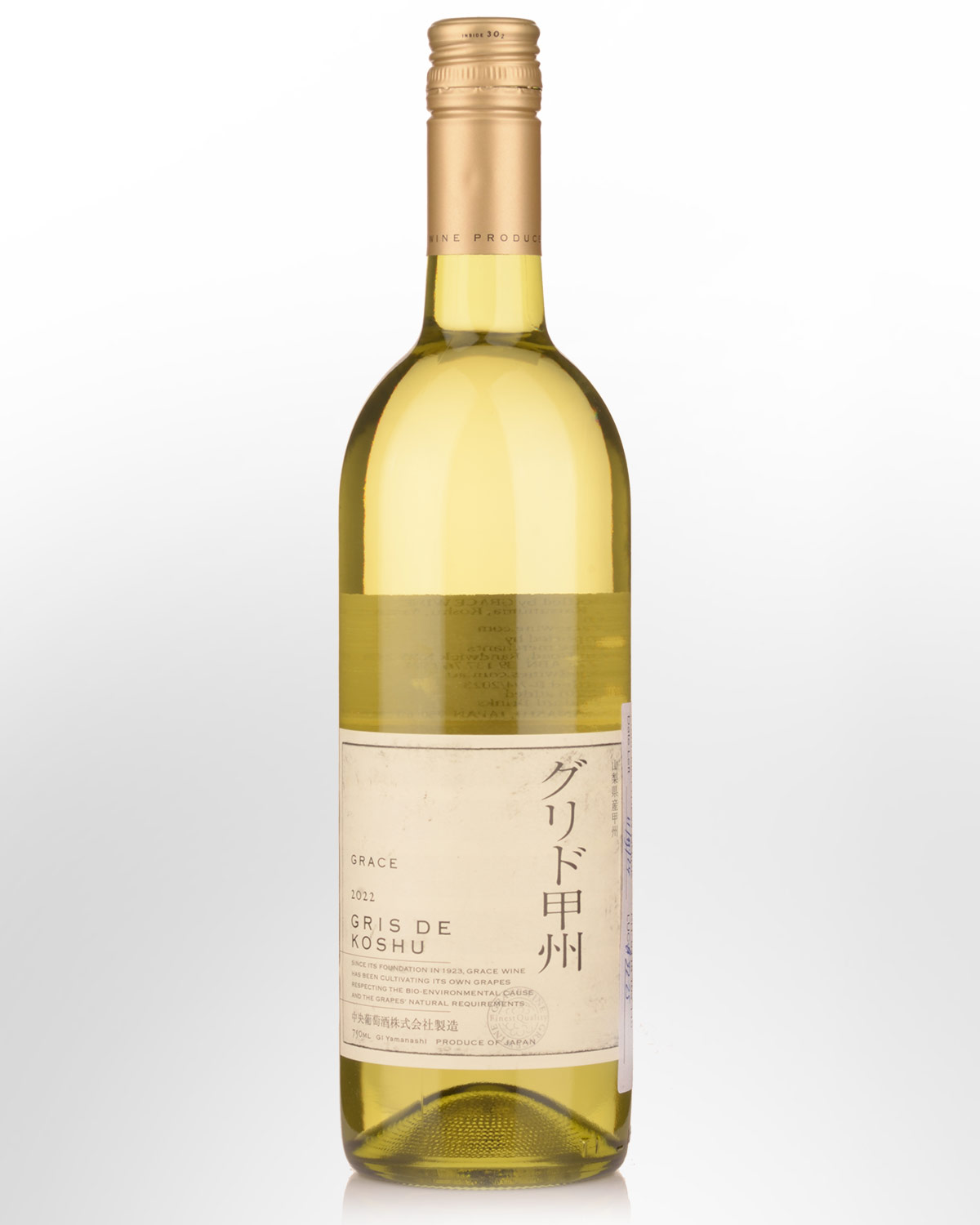
2022 Grace Gris de KoshuYamanashi, JAPAN$49. 99Bottle$599.88 DozenCellar: Drink now - 1 Years (2024-2025)ABV: 11.5%Closure: StelvinGrace Wine is one of Japan’s leading producers of Koshu, a delicate, dry white wine variety native to the Yamanashi region. Low in alcohol and softly aromatic, Koshu offers a clean, mineral profile that makes it an excellent alternative to other crisp whites like Albarino, Chablis, or dry Riesling.
Brilliant water like colour with a faint greenish tinge around the edges. Pear and red apple scents emerge from the glass followed by hints of bees wax, light quince and spice. Light and nicely shaped across the palate, pear, apple and delicate quince flavours are featured over a subtle lime and wet stone back drop. Brisk acidity with an umami mid length finish.
Drink over the next year.
Alc. 11.5%Other Reviews....
Pear, orange blossom, a little white pepper and ginger, lemongrass and lime leaf, and I really like this sort of exotic flourish the wine carries in this vintage. There’s pear and orange, a smidgen of sweetness, but also a pleasing dusty texture and grip. The finish is all pear and perfume, and offers excellent length. A delightful wine. Drink 2024-2027.
93 points
Gary Walsh - The Wine Front![2021 Grace Gris de Koshu]()
- 92
- 95
2021 Grace Gris de KoshuYamanashi, JAPAN$49. 99Bottle$599.88 DozenMinimum 12 bottlesCellar: Drink now (2023)ABV: 12%Closure: StelvinBrilliant water like colour with a faint greenish tinge around the edges. Delicate pear and spiced apple aromas mix with hints of lime juice and flinty mineral like notes. Fleshy pear, red apple and lime fruits grace the palate underscored by stony mineral elements. Finishes dry with crisp acidity and a vivacious aftertaste.
Drink now.
Alc. 12%
Other Reviews....
This wine’s 2012 vintage won a groundbreaking Gold medal for Japanese wines in the 2013 Decanter Asia Wine Awards. Fermented in stainless steel tanks with no lees contact. A lovely nose of Nashi pear, white peach, orange peel and clove. Well balanced with refreshing acidity and great finesse. Pairs perfectly with typical Japanese cuisine featuring savoury and umami notes. Drink 2023-2025.
95 points
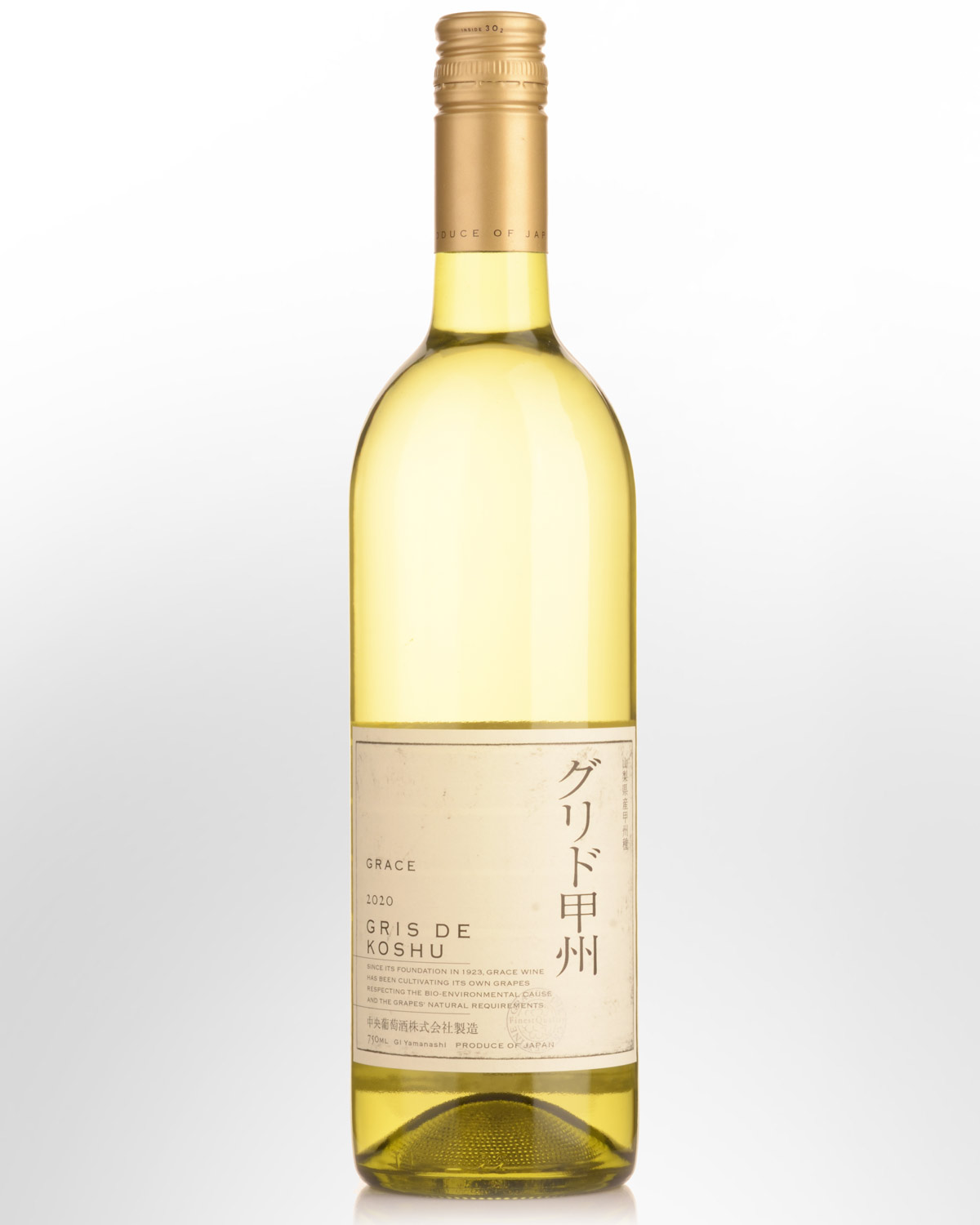
Decanter![2020 Grace Gris de Koshu]()
- 93
- 92
2020 Grace Gris de KoshuYamanashi, JAPAN$49. 99Bottle$599.88 DozenMinimum 12 bottlesCellar: Drink now - 2 Years (2022-2024)ABV: 12%Closure: StelvinBrilliant water like colour with a faint glimmer of green to the edges. Fresh lime and green apple aromas mix with green herb and flinty mineral notes. The elegant and highly refreshing palate features delicate pear, lime and green apple fruits over infusions of fresh herbs and stony mineral characters. Finishes dry with crisp acidity and a light yet scrumptious aftertaste.
Drink over the next 1-2 years.
Alc. 12%
Other Reviews…..
Floral, green pear, slight white spice/white pepper, fine crushed white stone thing (don’t mind me), easy to get your head around, with a cool spicy light grip and bitterness on finish, a little sweetness to it too. 92 or 93. I never decided. Drink 2021-2024.
92 points
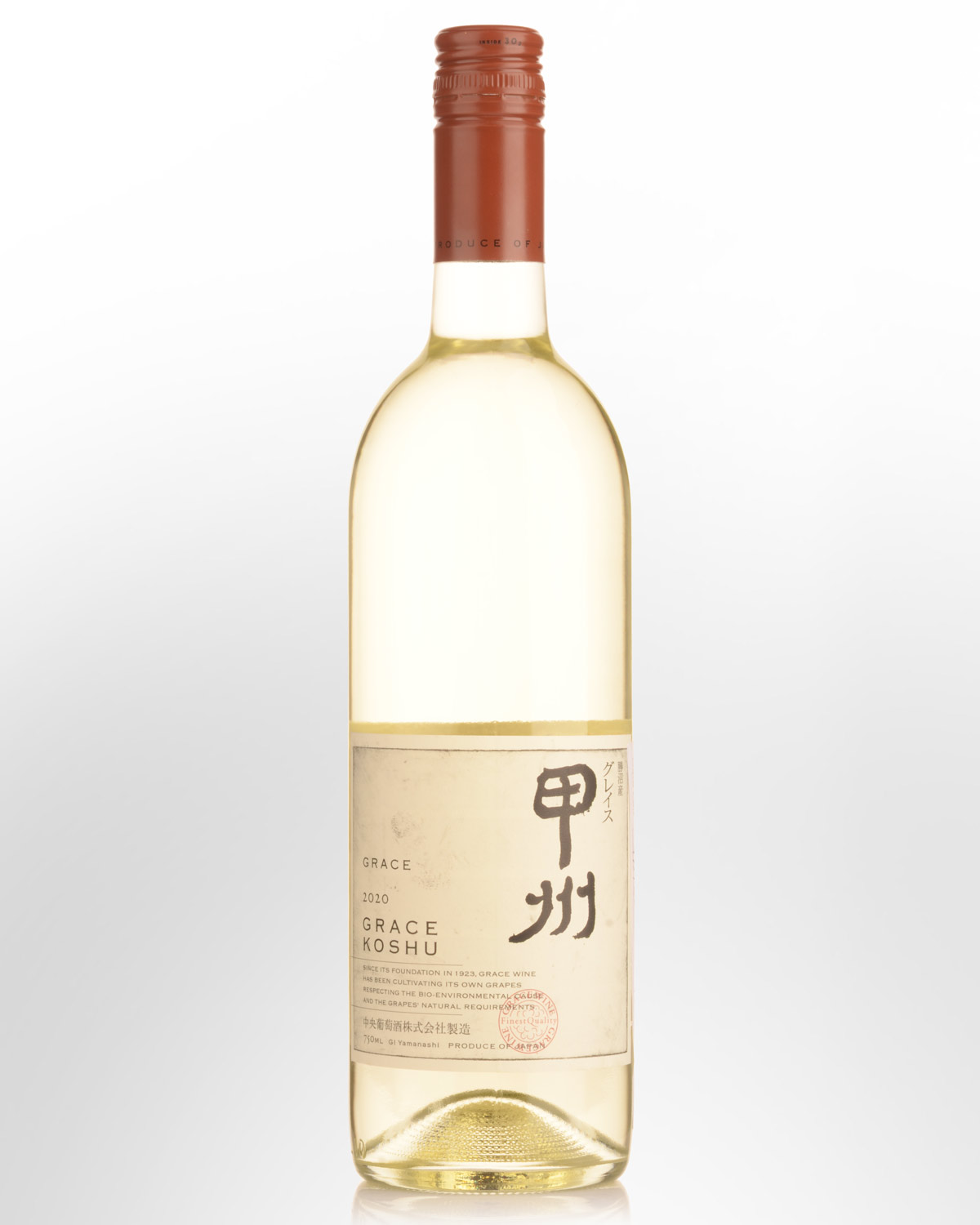
Gary Walsh – The Wine Front![2020 Grace Grace Koshu]()
- 94
- 93
2020 Grace Grace KoshuYamanashi, JAPAN$49. 99Bottle$599.88 DozenMinimum 12 bottlesCellar: Drink now - 2 Years (2022-2024)ABV: 12%Closure: StelvinBrilliant water like colour with a very faint tinge of green around the outskirts. Spicy pear and red apple scents show good elevation out of the glass with hints of lime, green herbs and wet stone also evident. Vibrant pear, lime and green apple flavours are underpinned by juicy acidity. Subtle infusions of spicy garden herbs and stony mineral characters lie underneath. Beautifully rounded texturally it finishes dry and crisp with a mouth watering aftertaste.
Drink over the next 1-2 years.
Alc. 12%
Other Reviews…..
These Grace Koshu wines appeal to some more than others, for sure, though I love them for their delicacy and point of difference. They’re kind of ‘blink and you’ll miss it’, to an extent. No bad thing in a world of wine where sometimes’ too much is not enough.’
A little wool jumper sulphide, green melon and watermelon rind, lemon water and green herb. Water coloured, delicate, a cool mineral feel with subtle white peach and herb, fine acidity, water flowing over pebbles, cool and tight, with fine chalk dust finish cut with soda and lime. So lovely and refreshing. A wine of quiet charm and vigour. Such a lovely thing to drink. Drink 2022-2025+
93 points
Gary Walsh – The Wine Front![902091_1.jpg]()
- 91
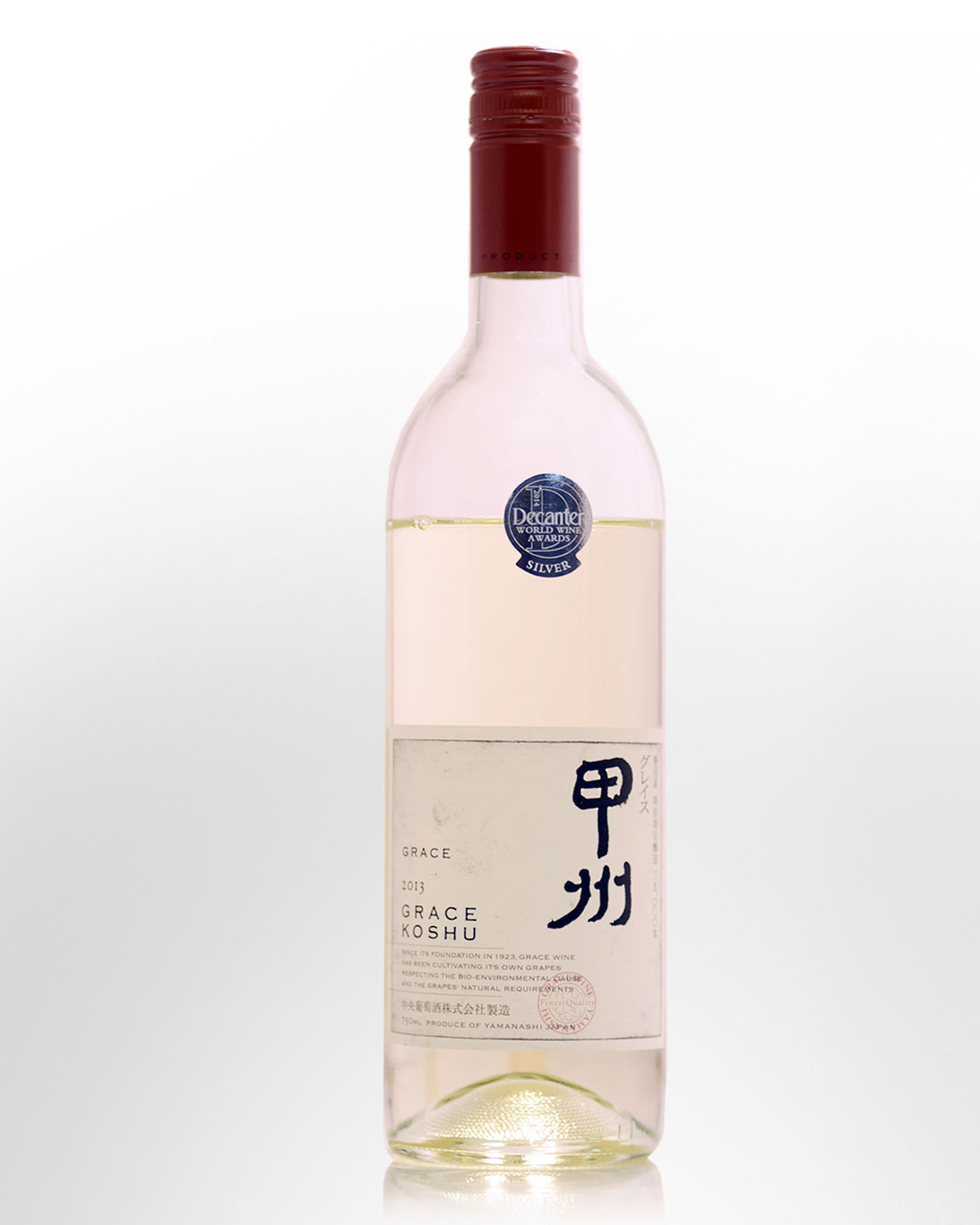
2013 Grace Koshu WhiteYamanashi, JAPAN$44. 99Bottle$539.88 DozenMinimum 12 bottlesCellar: 1 - 2 Years (2016-2017)ABV: 12%Closure: StelvinProduced from Koshu grapes which have been grown in Japan for over 1000 years. Brilliant water like colour with a very faint tinge of green around the outskirts and a watery hue. The nose displays delicate floral top notes with aromas of pears, wet stone and mineral also present. Light and dry with a good textural feel the palate has subtle flavours of pears and apples followed by some steely mineral. It’s not that dissimilar to an Italian Pinot Grigio in style. Clean dry finish. Good length with an aftertaste of pears and stony mineral. An elegant dry white.
Drink over the next 1-2 years.
Alc 12%-
- 93
2018 Grace Gris de KoshuYamanashi, JAPAN$49. 99Bottle$599.88 DozenMinimum 12 bottlesCellar: Drink now - 2 Years (2019-2021)ABV: 12%Closure: StelvinBrilliant water like colour with a faint tinge of green around the edges. Aromas of pear, lime and green apple have a subtle quince overlay with some subtle flinty notes also present. Light and fresh there’s a zesty feel to the lime, green apple and citrus flavours which sit over a flinty mineral back drop. Dry crisp finish with a vibrant mineral infused aftertaste.
Drink over the next 1-2 years.
Alc. 12% ![6639507_1.jpg]()
- 90
- 91
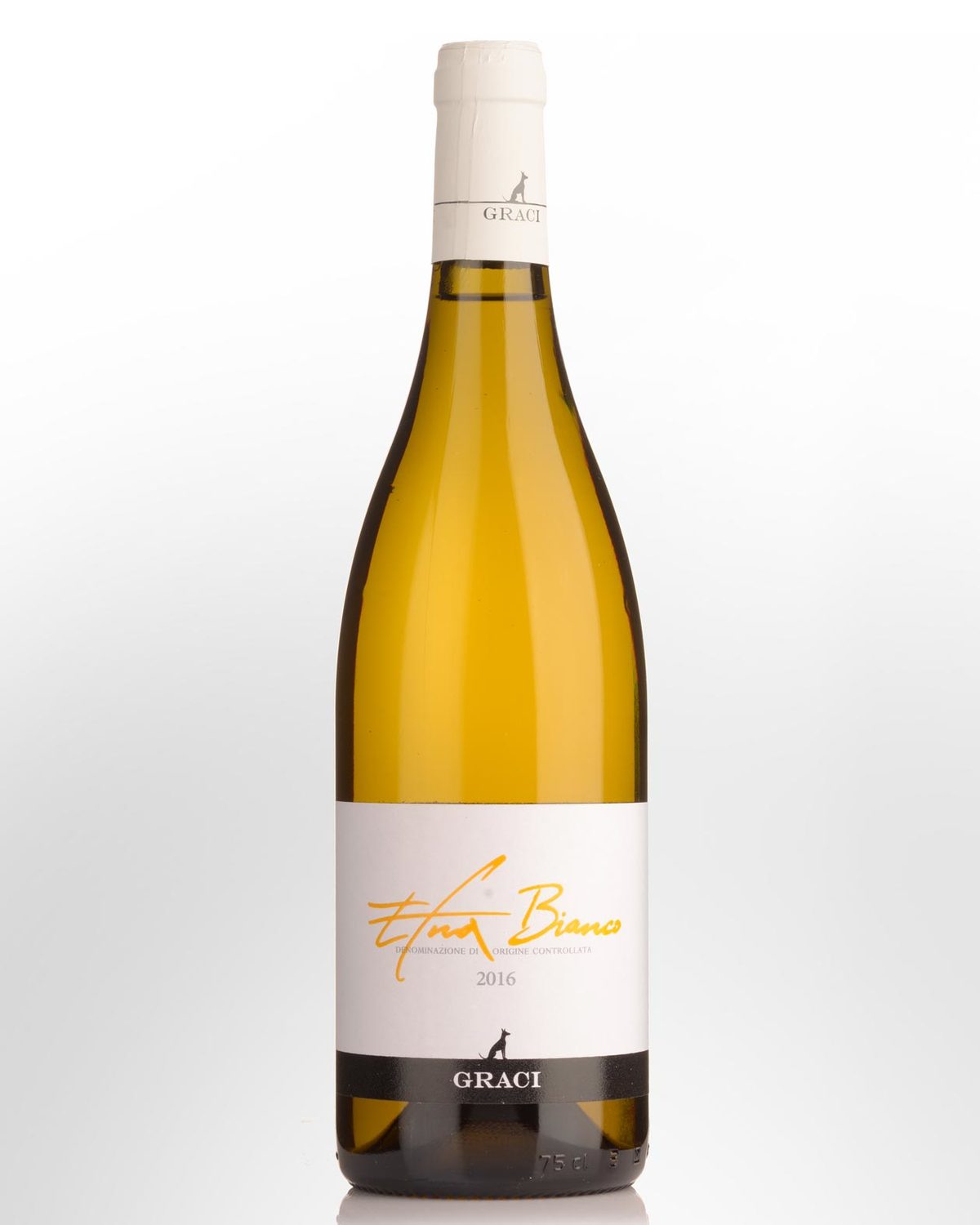
2016 Graci Etna BiancoSicily, ITALY$39. 99Bottle$479.88 DozenCellar: Drink now - 2 Years (2017-2019)ABV: 12.5%Closure: CorkMade from 70% Carricante and 30% Catarratto grapes. Bright straw colour with a watery hue. Aromas of citrus, pear and lightly baked apple are followed by some quince and subtle flinty mineral notes. Light across the palate yet nicely textured it has flavours of apples, pears, very faint notions of honeysuckle, quince and a delicate minerality. Dry finish with fresh acidity and a moderate aftertaste of apples, pears, quince and traces of minerality.
Drink over the next 1-2 years.
Alc. 12.5%Other Reviews….
Made with a blend of 70% Carricante and 30% Catarratto, the 2016 Etna Bianco is a wine that invites easy (and happy) drinking. This is a streamlined and tonic expression with salty mineral tones followed by white peach and Golden Delicious apple. The Graci trademark is balance, and this wine shows impeccable harmony with a beautifully polished finish. Drink 2017-2022.
91 points
Monica Larner – The Wine Advocate![2018 Gran Moraine Yamhill-Carlton Chardonnay]()
- 95
- 94
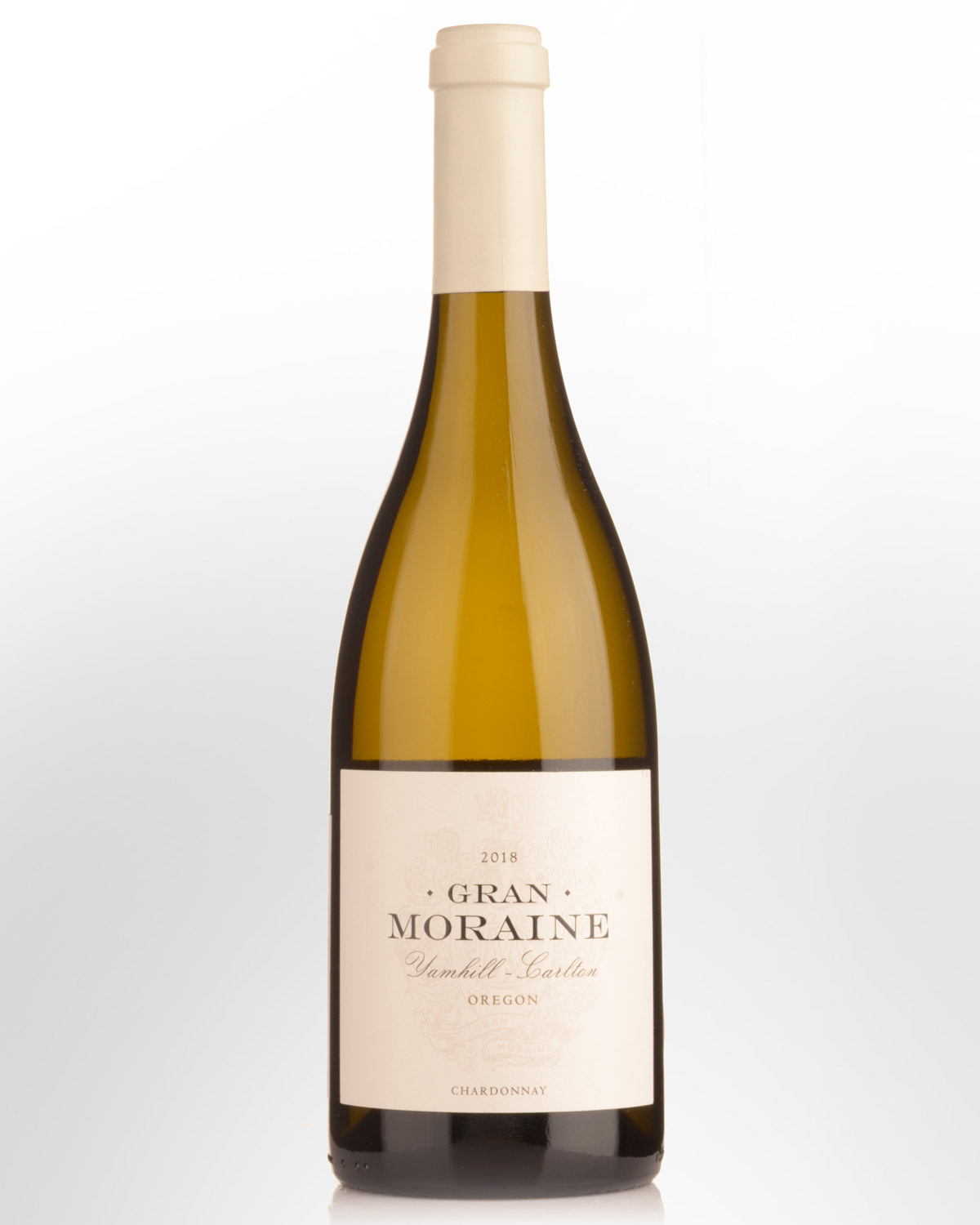
2018 Gran Moraine Yamhill-Carlton ChardonnayOregon, UNITED STATES$120. 00Bottle$1440.00 DozenMinimum 6 bottlesCellar: Drink now - 6 Years (2023-2029)ABV: 13%Closure: Diam CorkBrilliant pale straw colour with highlights of green around the edges and a watery hue. Aromas of white peach, dried honey and crème brulee fill the nostrils trailed by notes of biscuity oak, nougat and spice. Rich, sleek and fleshy textured yet refined in its feel, white peach, ripe nectarine and dried honey flavours are layered across the palate. Notions of crème brulee, cashew, nougat and spice linger in the background. Finishes long and fresh yet gently creamy in its mouth feel.
Drink over the next 5-6 years.
Alc. 13%Other Reviews….
The 2018 Chardonnay Yamhill-Carlton offers singular aromas of green pineapple and herbs layered with beeswax, roasted almonds and saline. The delicately styled, silken palate reveals itself slowly, offering more savory and nutty nuances with time, and it finishes very long and lifted. This will have more to offer with another 2-3 years in bottle. Drink 2020-2026.
94+ Points
Erin Brooks – Robert Parker’s The Wine Advocate![2016 Gravner Ribolla Gialla Anfora Bianca]()
- 95
- Biodynamic
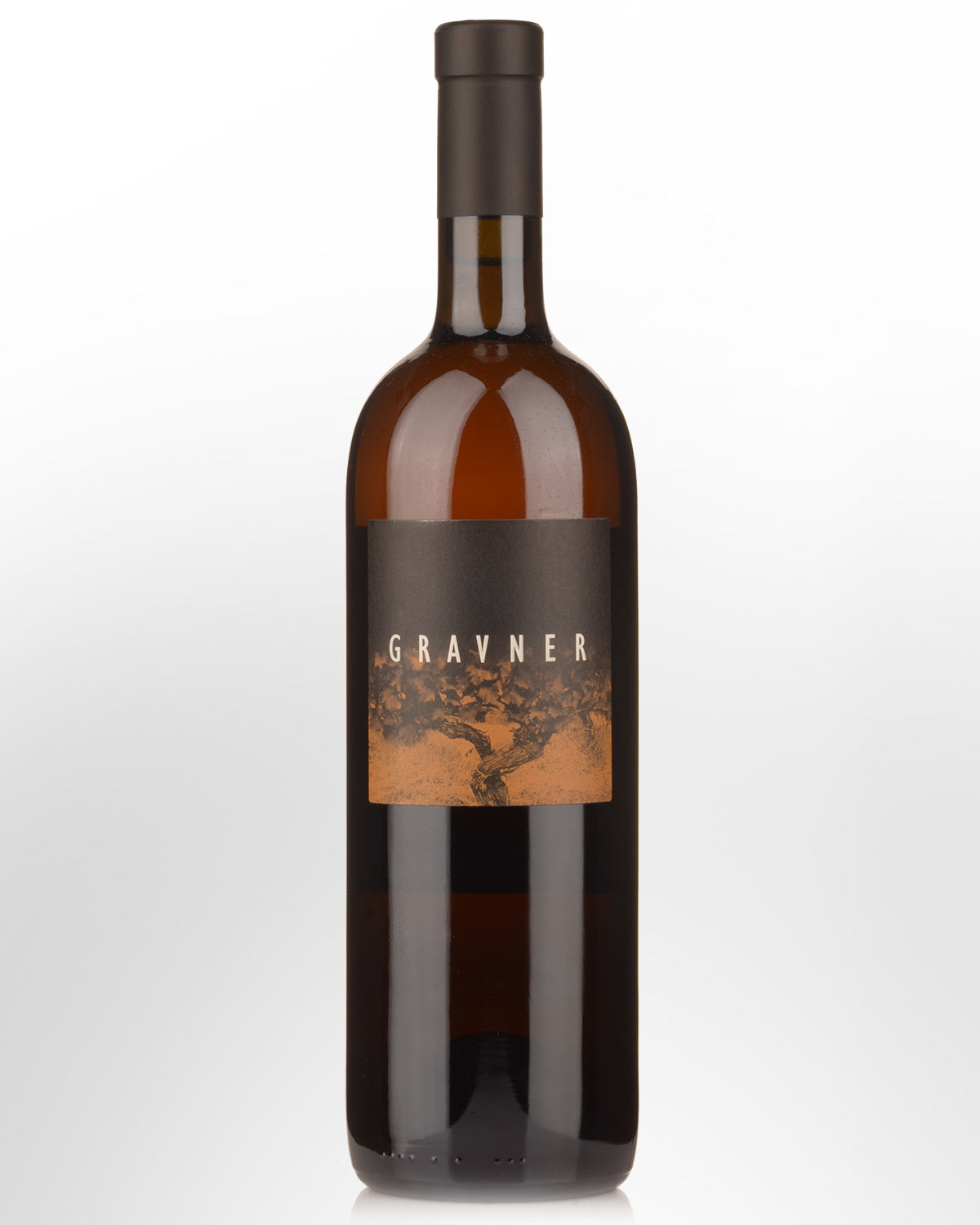
2016 Gravner Ribolla Gialla Anfora BiancaFriuli-Venezia, ITALY$280. 00Bottle$3360.00 DozenABV: 14%Closure: CorkJosko Gravner’s 18 hectares of vineyards in Oslavje, on the Italy-Slovenia border, have been the foundation of his ever-evolving pursuit of winemaking perfection. In the 1980s, he helped propel Friuli to international acclaim with his clear, aromatic whites, later championing Collio’s potential through careful aging in Slavonian oak. However, disillusioned by increasing chemical intervention, a 1987 epiphany led him to explore ancient Caucasian methods, culminating in his pioneering adoption of Georgian amphorae in the late 1990s—a shift that influenced winemaking well beyond Italy. Since 2001, he has exclusively fermented his wines in beeswax-lined amphorae buried beneath the soil, followed by six years in oak, mirroring the seven-year cellular regeneration cycle. Though not strictly biodynamic, he follows Rudolf Steiner’s principles, working without fertilizers or chemicals, harvesting by the lunar cycle, and adding only minimal sulphur. His unfiltered wines are released only when he deems them ready to drink.
Gravner's signature wine is his Ribolla Gialla which is fermented in Georgian amphorae buried underground with a long maceration on skins. After the drawing off and pressing phases, the wine is poured back into amphorae for at least five more months before it starts ageing in large oak barrels, where it's left for six years. Bottling is done without fining or filtration.
Other Reviews....
The 2016 Ribolla Gialla Anfora is wonderfully lifted and finessed in style, entrancing the senses with a cascade of dusty dried flowers, pine shavings, ginger spice cookies, cloves and dried peaches. It is weighty upon entry with a stimulating core of zesty acidity to balance, as a savory wave of tart apples and apricots courses across the palate, leaving notes of cedar and sour citrus in its wake. Long and youthfully stern, the 2016 leaves a crunch of minerality and a sensation of inner incense while tapering off classically dry. This is a regal and refined vintage for the Ribolla Gialla Anfora. It was fermented with 20% whole clusters as the stems on the Ribolla Gialla were perfectly ripe. Drink 2028-2042.
95 points
Eric Guido - Vinous![850070046_1.jpg]()
- 93
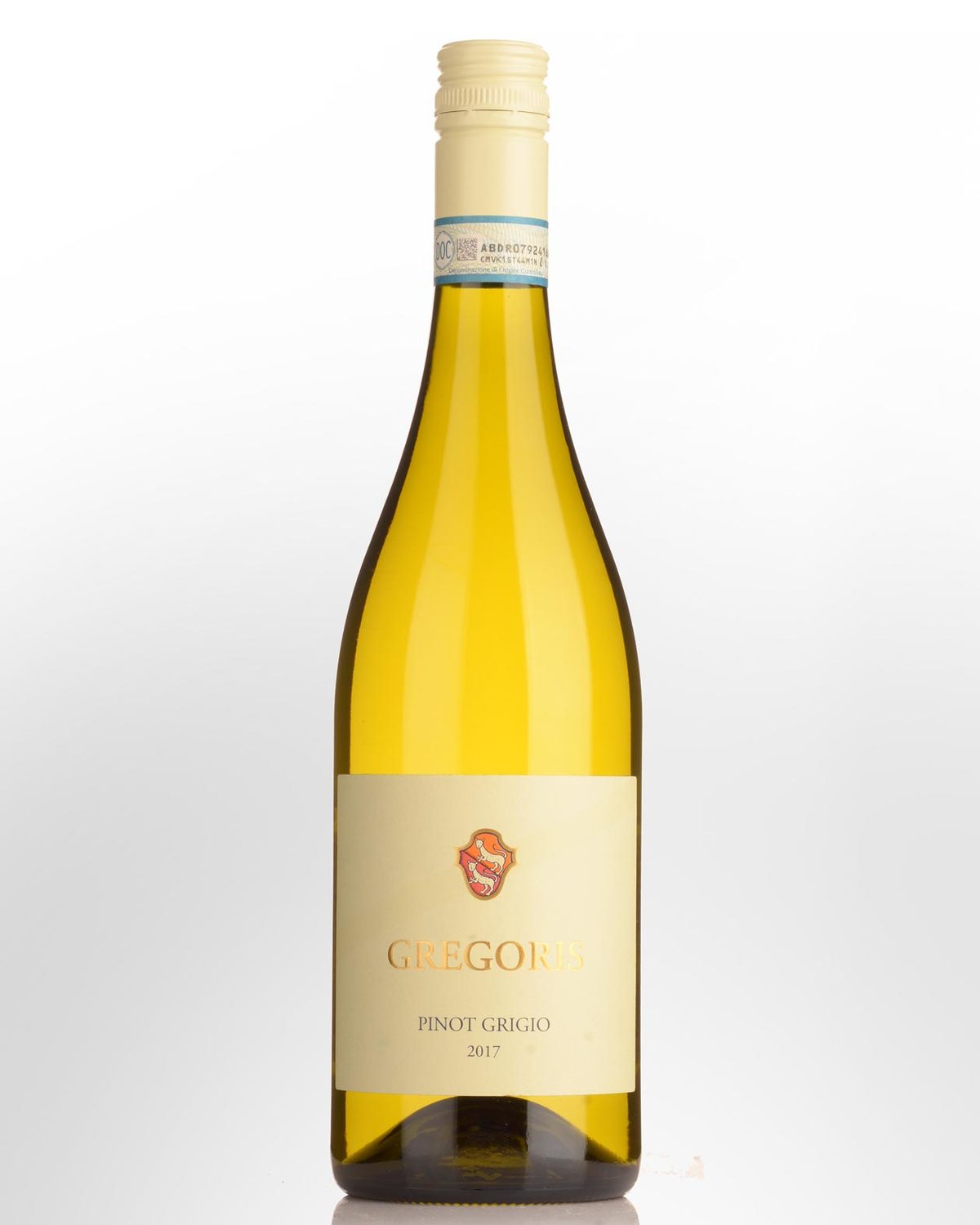
2017 Gregoris Pinot GrigioVenezie, ITALY$19. 99Bottle$239.88 DozenCellar: Drink now (2018)ABV: 12.5%Closure: StelvinBrilliant pale straw colour with greenish tinged edges and a watery hue. Fragrant aromas of pears laced with dried honey intermix with apple, citrus and subtle spice. Beautifully rounded in the mouth the delicious palate dishes up lightly spiced pear and apple flavours over subtle dried honey and delicate infusions of flinty mineral characters. Finishes dry and crisp with an aftertaste of pears, apples, subtle dried honey and spicy citrus.
Drink now.
Alc. 12.5%![564305_1.jpg]()
- 93
2015 Gregoris Pinot GrigioVenezie, ITALY$19. 99Bottle$239.88 DozenCellar: Drink now (2016)ABV: 12.5%Closure: StelvinBrilliant very pale straw colour with a watery hue. Pear and apple aromas arise from the glass intermixed with hints of perfumed musk followed by spice end notes. Light and possessing a nicely rounded textural feel the palate has flavours of pear and ripe red apples with some subtle musk infusions and faint citrus also present. Clean dry finish. Aftertaste of pear, red apples, citrus and light musk.
Drink now.
Alc 12.5%![48099594_1.jpg]()
- 93
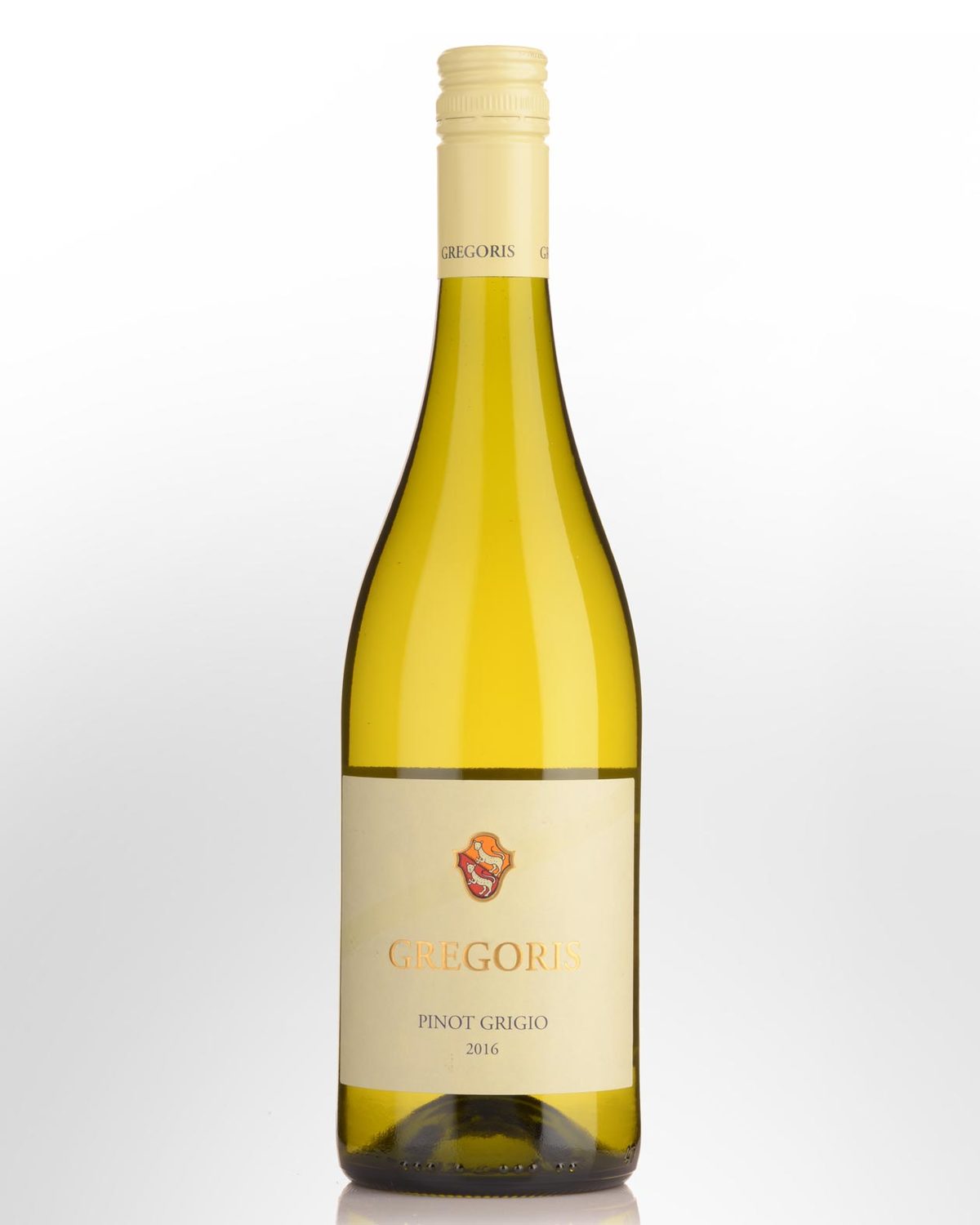
2016 Gregoris Pinot GrigioVenezie, ITALY$19. 99Bottle$239.88 DozenCellar: Drink now - 2 Years (2017-2019)ABV: 12.5%Closure: StelvinBrilliant very pale straw colour almost water like with a faint tinge of green around the outskirts. Fresh pear and green apple aromas are followed by some citrusy honeysuckle like notes and subtle fresh herb infusions. Vibrant flavours of pear and red apple dance across the palate melding into some subtle honeysuckle and spicy citrus characters. Nicely textured with a fresh dry finish and medium to long aftertaste of pears, red apples, citrusy honeysuckle characters and spice. A great value Pinot Grigio combining a vitality and purity of fruit with a textured mouthfeel.
Drink over the next 1-2 years.
Alc 12.5%![902230_1.jpg]()
- 92
2014 Gregoris Pinot GrigioDella Venezie, ITALY$19. 99Bottle$239.88 DozenCellar: 1 - 2 Years (2016-2017)ABV: 12.5%Closure: StelvinBrilliant very pale straw colour with a greenish tinge around the outskirts and a watery hue. Lifted aromas of ripe apples and pears greet the nostrils followed by subtle dried honey and fresh herb end notes. Texturally rounded and quite flavoursome the palate features pear and apple characters over some citrus, faint traces of dried honey and spice. Clean dry finish with good fresh acidity. Aftertaste of pears, apple, light dried honey and a hint of nuttiness.
Drink over the next 1-2 years.
Alc 12.5%![2019 Greystone Organic Sauvignon Blanc]()
- 95
- Organic
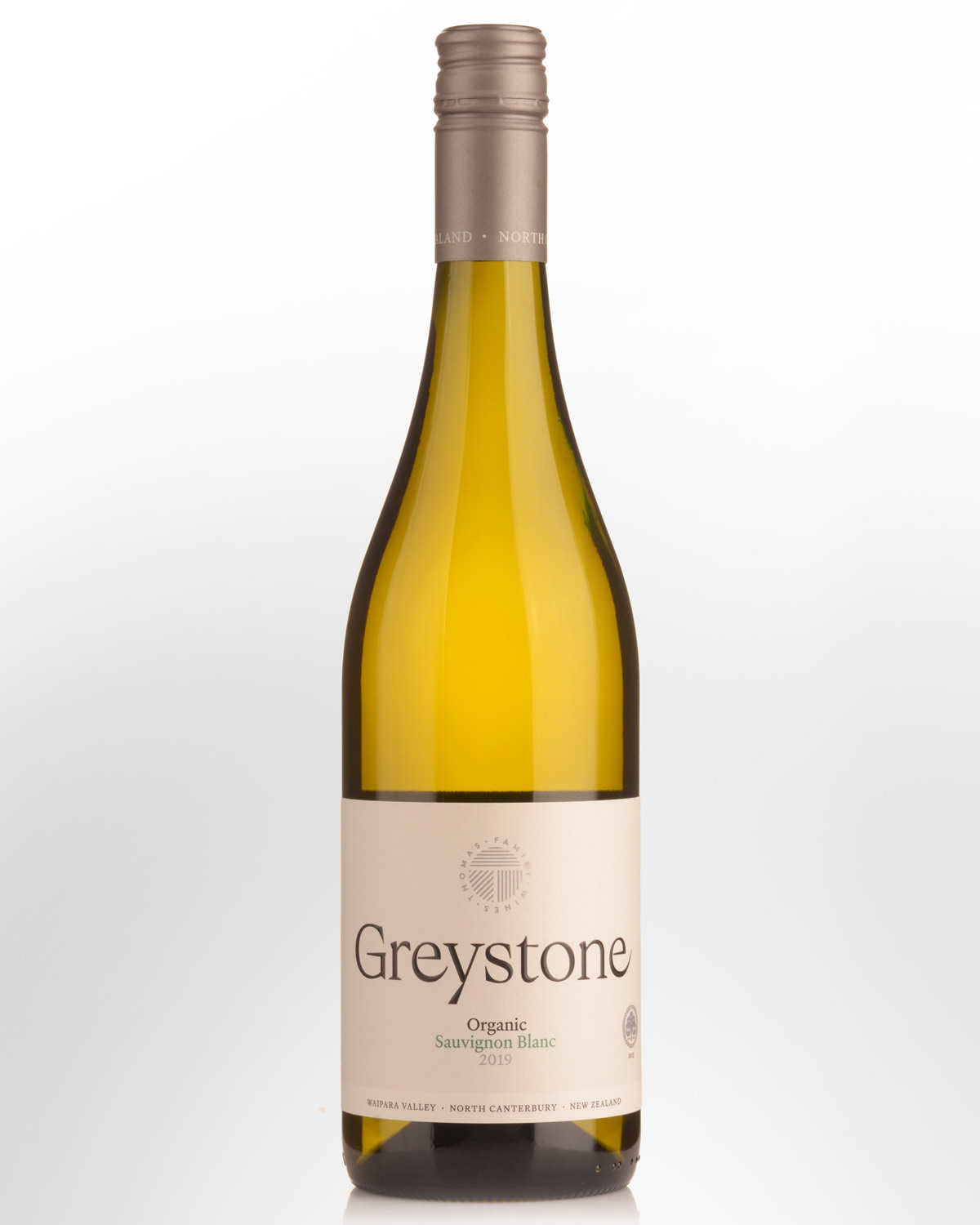
2019 Greystone Organic Sauvignon BlancNorth Canterbury, NEW ZEALAND$26. 99Bottle$323.88 DozenCellar: Drink now - 3 Years (2022-2025)ABV: 13%Closure: StelvinCertified organic fruit was wild fermented and aged in barriques for 8 months. Brilliant pale straw colour with a glimmer of green around the edges and a watery hue. Pronounced herbaceous gooseberry, guava and pear scents meld into green apple, grassy notes and flinty minerals. Very concentrated and textural the palate is awash with gooseberry, passionfruit and pear flavours which sit over a backdrop of light honeysuckle, grassy asparagus and subtle spicy pencil shavings. Finishes dry and fresh with crisp acidity and a long weighty aftertaste.
Drink over the next 2-3 years.
Alc. 13%![2022 Greywacke Chardonnay]()
- 95
- Special Order Product – Delayed Dispatch
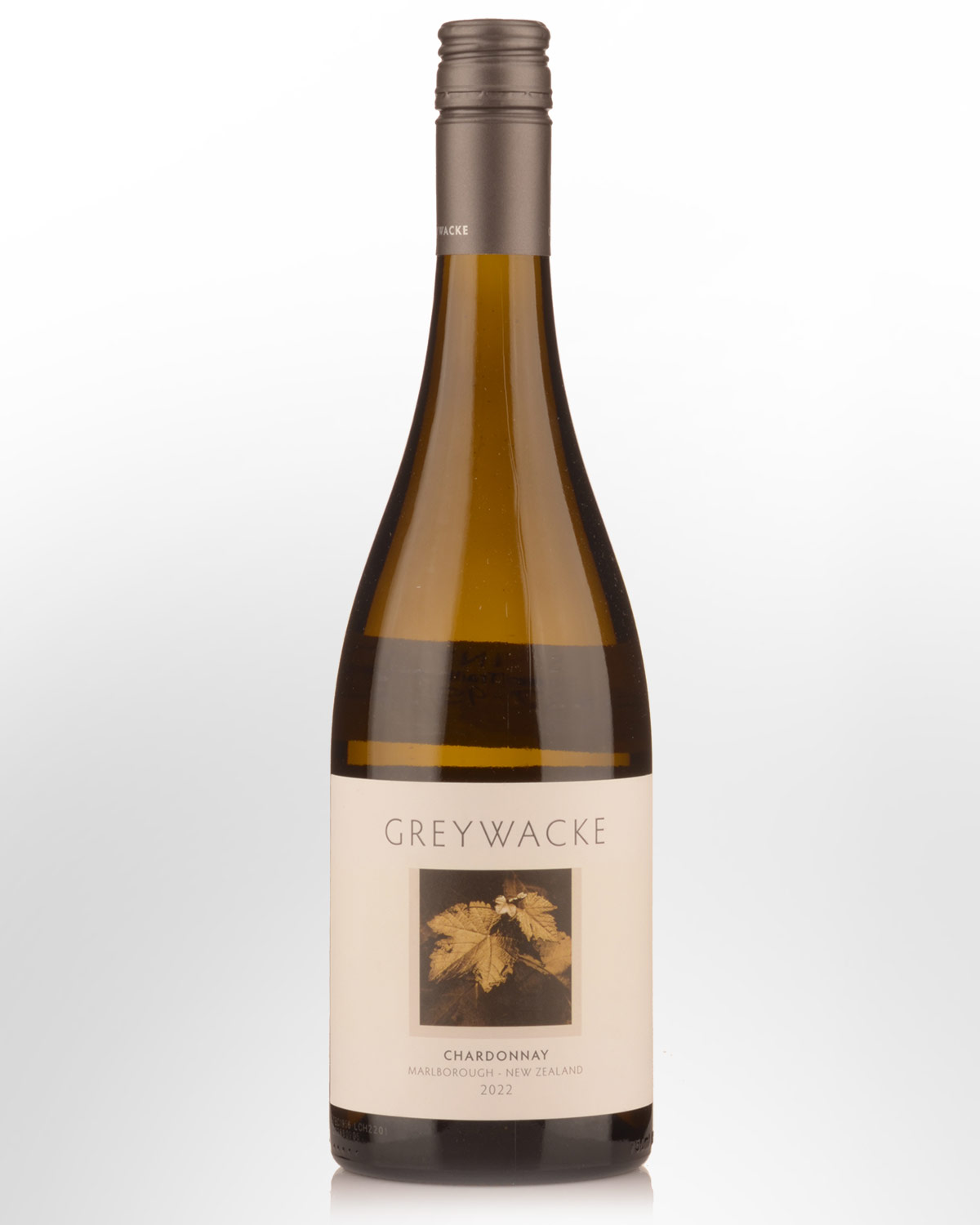
2022 Greywacke ChardonnayMarlborough, NEW ZEALAND$56. 99Bottle$683.88 DozenMinimum 6 bottlesCellar: Drink now - 4 Years (2025-2029)ABV: 14%Closure: StelvinA richly flavoured Chardonnay that has a creamy texture counterpointed by energetic acidity.
Brilliant pale straw to straw colour with highlights of green around the outskirts and a watery hue. Elevated pear and nectarine aromas infused with gun flint mix with hints of bees wax, roasted almond, lemon butter and biscuity oak. Rich ripe pear, nectarine, grapefruit and dried honey flavours carry a creamy feel across the palate. Crème brulee, biscuity oak and infusions of gun flint ensue. Energetic acidity lends freshness which carries through to a long, textured yet vibrant conclusion.
Drink over the next 3-4 years.
Alc. 14%![2022 Greywacke Wild Sauvignon]()
- 96
- 95
- 94
- 94
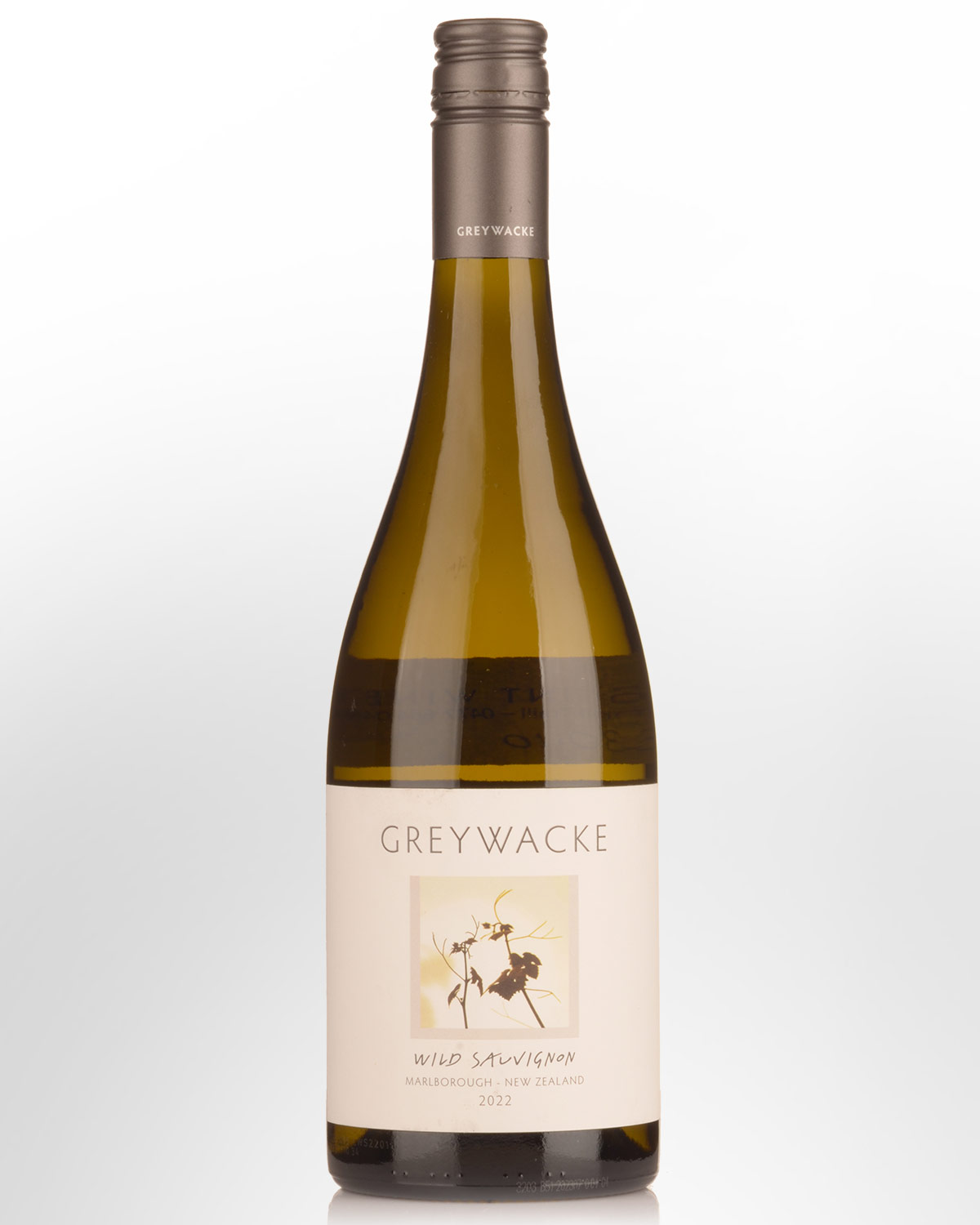
2022 Greywacke Wild SauvignonMarlborough, NEW ZEALAND$39. 99Bottle$479.88 DozenCellar: Drink now - 4 Years (2024-2028)ABV: 13.5%Closure: StelvinFermented predominately in old oak barrels using wild yeast then matured in the same barrels for around 6 months with occasional lees stirring. Approximately two-thirds underwent malolactic fermentation.
Brilliant pale straw colour with greenish tinged edges and a watery hue. Jumping out of the glass is a complex mix of herbaceous gooseberry, guava, citrus, grassy asparagus, pencil shaving and subtle gun flint notes. Mouthfilling gooseberry and passionfruit flavours are delivered with excellent concentration and textural volume across the palate. Lending further interest are notions of herbaceous grassy characters, asparagus and spicy pencil shavings. Enveloping yet refreshing it has crisp acidity finishing dry, long and savoury.
Drink over the next 3-4 years.
Alc. 13.5%Other Reviews….
Lots of character to this, with apples, pears, popcorn kernels and blanched nuts. It’s medium-bodied with delicious fruit and a flavorful finish. A serious savuignon blanc for chardonnay lover. Flinty and reductive at the end. Screw cap.
94 Points
JamesSuckling.comA stunning white, aromatic and supple, with wild fennel, quince, pear and green papaya flavors on a creamy frame. Aromatic details of mango and honeysuckle, with a whiff of flint, emerge on the finish, which just goes on and on. Drink now.
94 Points
Wine Spectator
Sourced from a few sites across Marlborough’s Southern Valleys and the central Wairau Plains. Spontaneous indigenous yeast fermentation in French oak barriques. Occasional lees stirring. Around two thirds underwent mlf and was left on yeast lees for six months. Winter melon, jackfruit and pandan. Nettle, fiddlehead and blackberry. A hint of lemon verbena and honeycomb. Ground cumin spices lead into the crashing waves of acidity, oat milk creaminess and some white pepper powder. This is a mosaic of fruit, spice and fernery with power and eons of detail. A wine that can be picked over for its composition or equally enjoyed in a burgundy glass from aperitif to main meal. Drink by 2034.
95 points
Shanteh Wale - James Halliday's Australian Wine Companion![2023 Greywacke Sauvignon Blanc]()
- 95
- 93
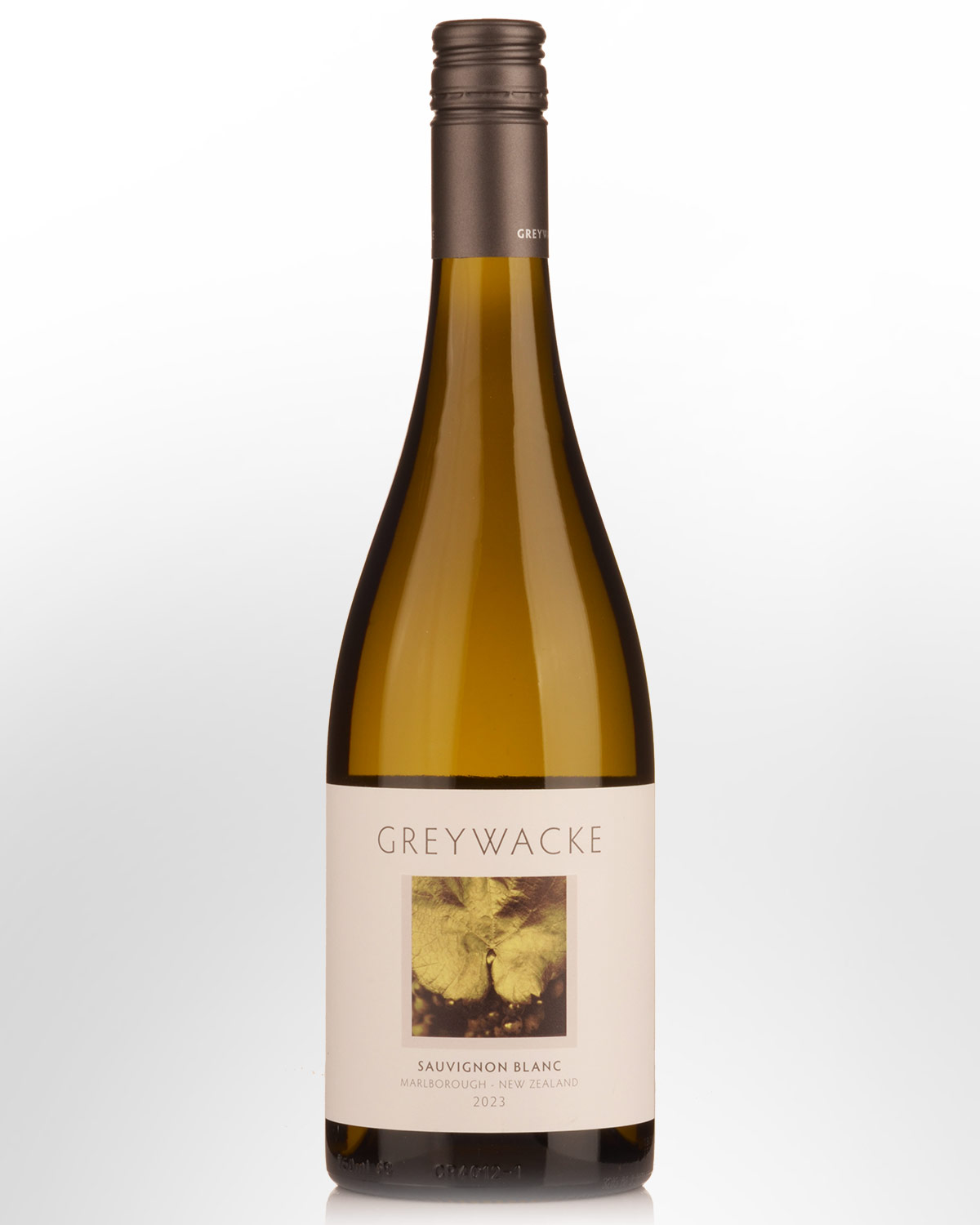
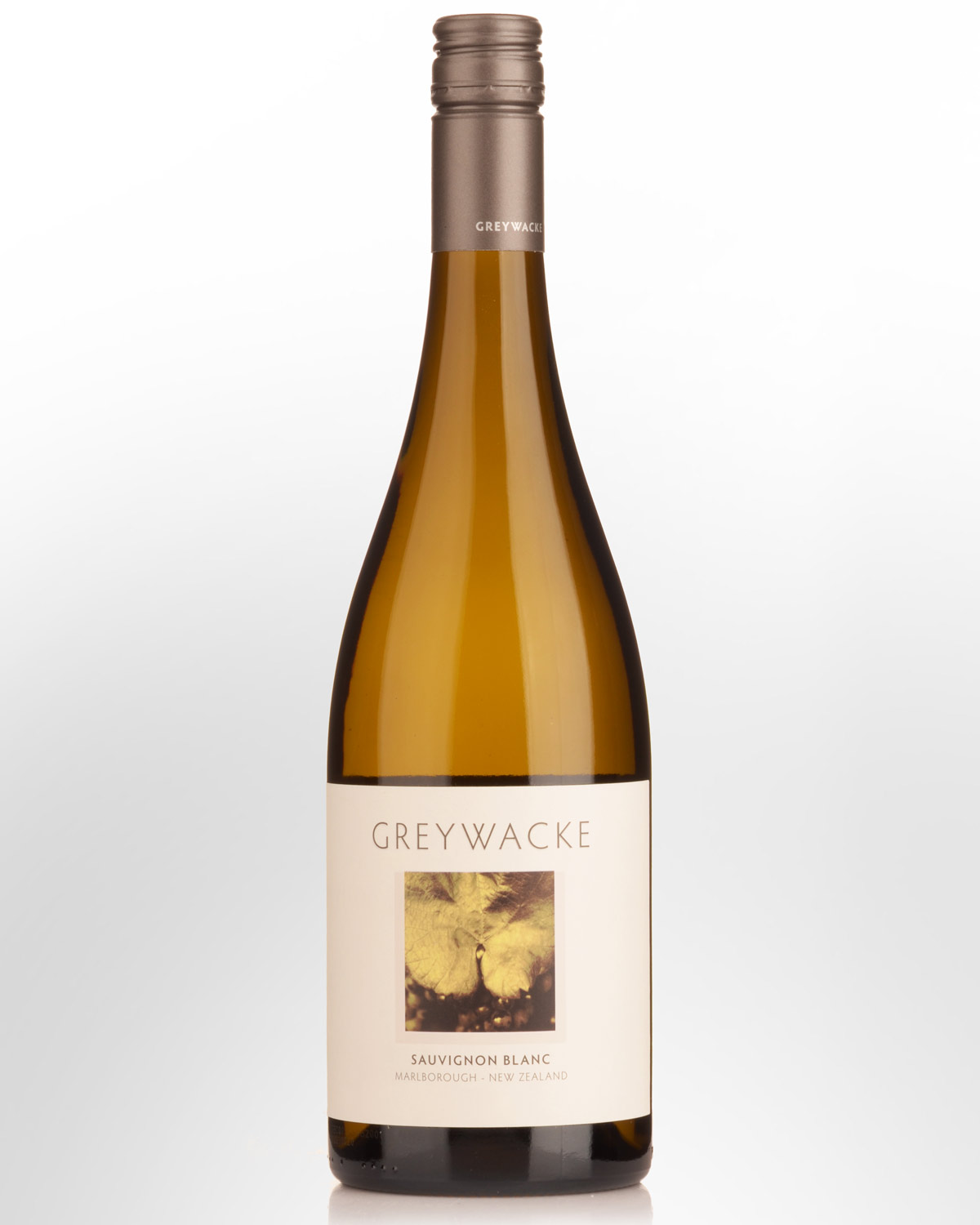
2023 Greywacke Sauvignon BlancMarlborough, NEW ZEALAND$26. 99Bottle$323.88 DozenCellar: Drink now - 2 Years (2024-2026)ABV: 13.5%Closure: StelvinGreywacke is the Marlborough label of former Cloudy Bay winemaker Kevin Judd, where he presided over that company’s first 25 vintages establishing the reputation that it has today. The name Greywacke was adopted by Kevin and his wife Kimberley for their first Marlborough vineyard in Rapaura, named in recognition of the high prevalence of rounded greywacke river stones in the soils of the vineyard. Kevin registered the name back in 1992 with the vague notion that he might one day want to use it on a wine label of his own.
Fruit was sourced from various prime vineyard sites in Marlborough’s Southern Valleys and the central Wairau Plains with a portion of the juice fermented in old oak barrels.
Brilliant water like core with a faint greenish tinge around the outskirts. Bursting out of the glass are pungent aromas of passionfruit, gooseberry and lime which are complimented by some herbaceous grassy notes, green apple and minerals. Mouth watering passionfruit, gooseberry and green apple flavours are delivered with fantastic intensity and drive whilst also imparting a voluminous feel to the texture. Echoing through the back half are herbaceous grassy characters and flinty mineral elements. Finishes dry with crisp acidity and a long irresistibly scrumptious aftertaste.
Drink over the next 1-2 years.
Alc. 13.5%Other Reviews…..
Aromatic, stylish and distinctive, with honeysuckle, quince, citron and fresh ginger notes on a sleek and mouthwatering frame. Accents of lemon thyme and apple skin linger on the refreshing finish. Drink now.
93 Points
Wine SpectatorLight yellow-green with a fresh lifted gooseberry and feijoa bouquet that is bright and intense and very typical of the grape and region. Intense fruit with a penetrating quality and lingering length. Clean, dry finish without overdone acidity. A fine wine.
95 Points
Huon Hooke – The Real Review![2022 Greywacke Sauvignon Blanc]()
- 95
- 94
- 95
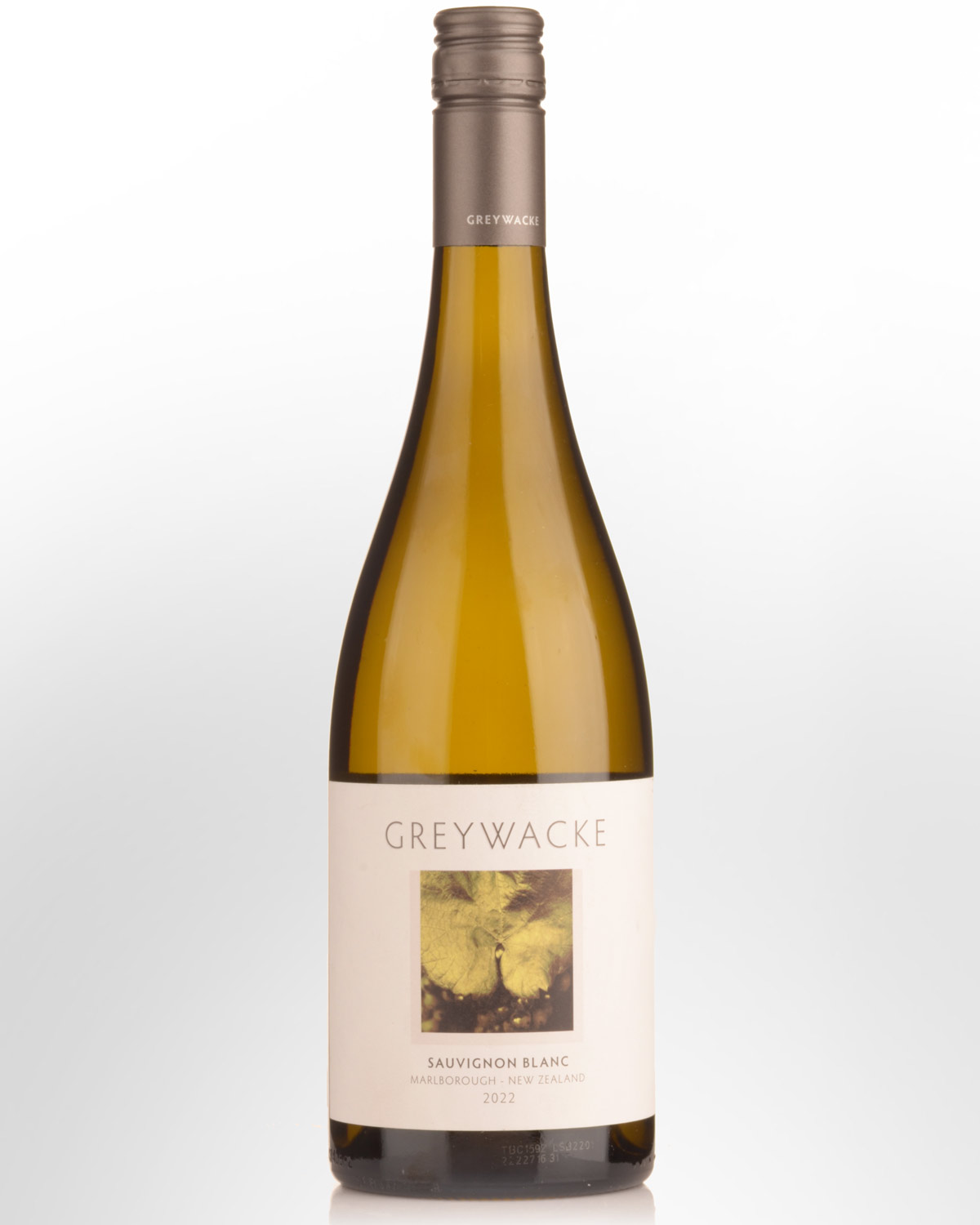
2022 Greywacke Sauvignon BlancMarlborough, NEW ZEALAND$26. 99Bottle$323.88 DozenCellar: Drink now - 2 Years (2023-2025)ABV: 13.5%Closure: StelvinRanked No. 10 in Wine Spectators Top 100 wines of 2023
Greywacke is the Marlborough label of former Cloudy Bay winemaker Kevin Judd, where he presided over that company’s first 25 vintages establishing the reputation that it has today. The name Greywacke was adopted by Kevin and his wife Kimberley for their first Marlborough vineyard in Rapaura, named in recognition of the high prevalence of rounded greywacke river stones in the soils of the vineyard. Kevin registered the name back in 1992 with the vague notion that he might one day want to use it on a wine label of his own.
Fruit was sourced from various prime vineyard sites in Marlborough’s Southern Valleys and the central Wairau Plains with a portion of the juice fermented in old oak barrels. Brilliant water like coloured core with a greenish tinged outskirts. Jumping out of the glass are pungent aromas of passionfruit, gooseberry and lime followed by some green apple, herbaceous grassy characters and mineral notes. On the palate mouth watering passionfruit, gooseberry, green apple and lime fruits are delivered with superb concentration and drive. Subtle herbaceous grassy and mineral characters lurk underneath. Excellent textural feel finishing dry with crisp acidity and a long scrumptious aftertaste.
Drink over the next 1-2 years.
Alc. 13.5%Other Reviews....
Distinctive, succulent and wonderfully complex, with honeysuckle, honey-preserved ginger, creamy lemon curd, ripe mango and floral notes, plus stone fruit flavors on a rich, smooth and mouthwateringly juicy frame. Reveals hints of spices that linger on the long, expressive finish. Drink now.
95 points
Wine SpectatorWith 25 years at Cloudy Bay, Kevin Judd was key to the global renown of Marlborough Sauvignon Blanc. Today his Greywacke wines (particularly the Wild Sauvignon) are standard bearers in their own right. This elegant, textural vintage brims with zippy pineapple sorbet, elderflower blossom and green mango freshness, with bracing lime acidity and a creamy passionfruit curd finish. Drink 2023-2027.
94 points
Decanter![2021 Greywacke Sauvignon Blanc]()
- 96
- 94
2021 Greywacke Sauvignon BlancMarlborough, NEW ZEALAND$24. 99Bottle$299.88 DozenCellar: Drink now - 2 Years (2021-2023)ABV: 13.5%Closure: StelvinGreywacke is the Marlborough label of former Cloudy Bay winemaker Kevin Judd, where he presided over that company’s first 25 vintages establishing the reputation that it has today. The name Greywacke was adopted by Kevin and his wife Kimberley for their first Marlborough vineyard in Rapaura, named in recognition of the high prevalence of rounded greywacke river stones in the soils of the vineyard. Kevin registered the name back in 1992 with the vague notion that he might one day want to use it on a wine label of his own.
Texturally mouth filling and bursting with intensity, this is quintessential Marlborough Sauvignon Blanc.
Fruit was sourced from various prime vineyard sites in Marlborough’s Southern Valleys and the central Wairau Plains with a portion of the juice fermented in old oak barrels. Brilliant water like core with distinct highlights of green around the outskirts. Leaping from the glass is a mix of passionfruit, gooseberry and green apple scents which are followed by herbaceous grassy asparagus like notes and hints of capsicum. Mouth filling flavours of ripe gooseberry and passionfruit are delivered with fantastic intensity and drive. Subtle grassy asparagus and flinty mineral characters lie underneath. Crisp, mouth-watering finish with a long and powerful aftertaste that’s totally scrumptious.
Drink over the next 1-2 years.
Alc. 13.5%
Other Reviews....
This stunning white is aromatic, fresh and intense, with notes of lemon curd, yuzu, peach, ripe melon and honeysuckle that are effortless and mouthwatering, backed by lemongrass and candied ginger notes on the long, expressive finish. Drink now.
94 points
Wine Spectator